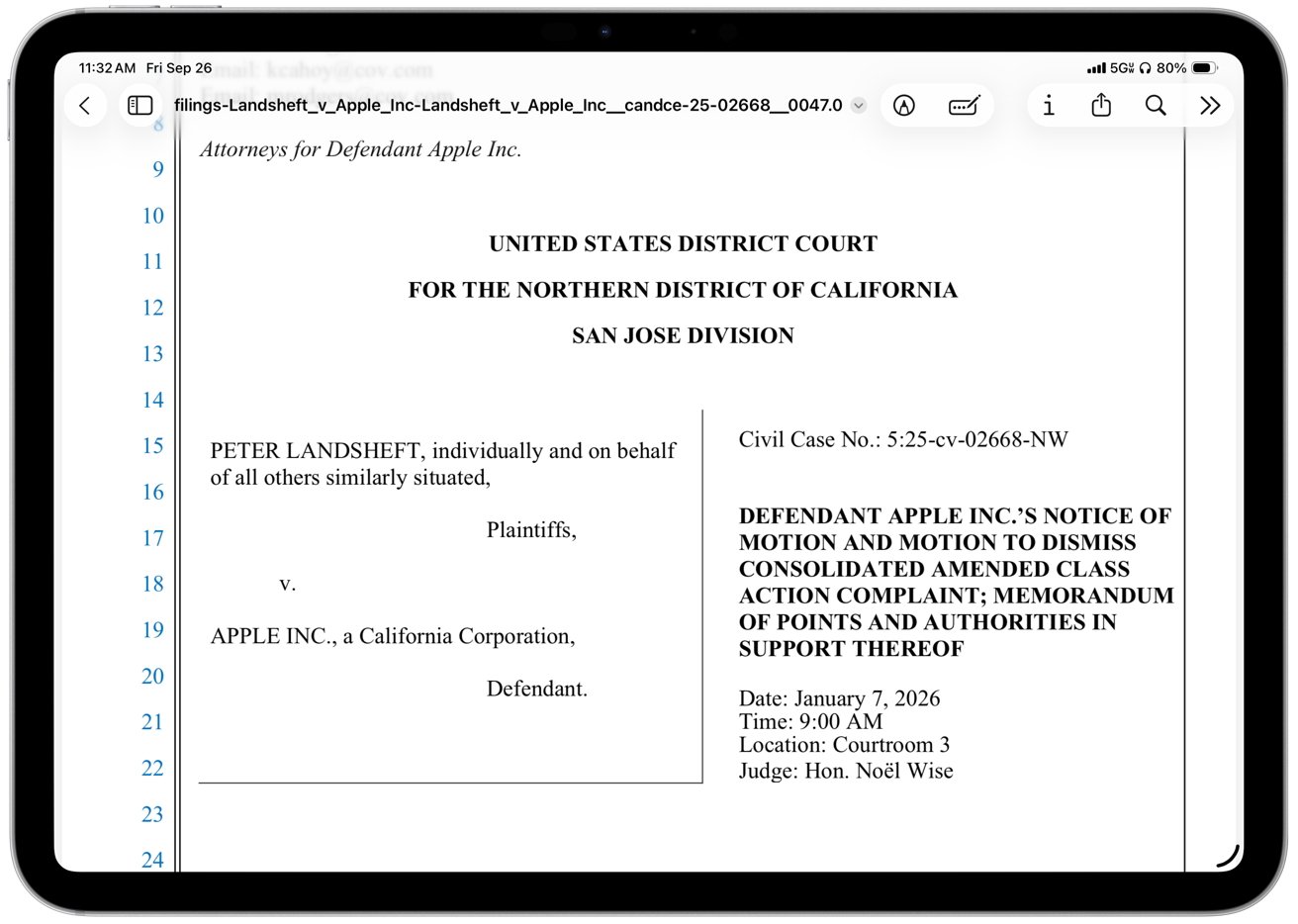
Apple is asking a judge to throw out a lawsuit that claims the company misled customers about the delayed Apple Intelligence-powered Siri deployment in the iPhone 16 lineup.
The case, Landsheft v. Apple Inc., was filed in the Northern District of California and consolidated earlier in 2025. Sixty-nine plaintiffs say they bought iPhone 16 models in 2024 because Apple promised a package of new tools called Apple Intelligence.
They argue that Apple failed to deliver two key Siri upgrades on time. The hearing on Apple's motion to dismiss is scheduled for January 7, 2026, in San Jose before Judge Noel Wise.
The core dispute
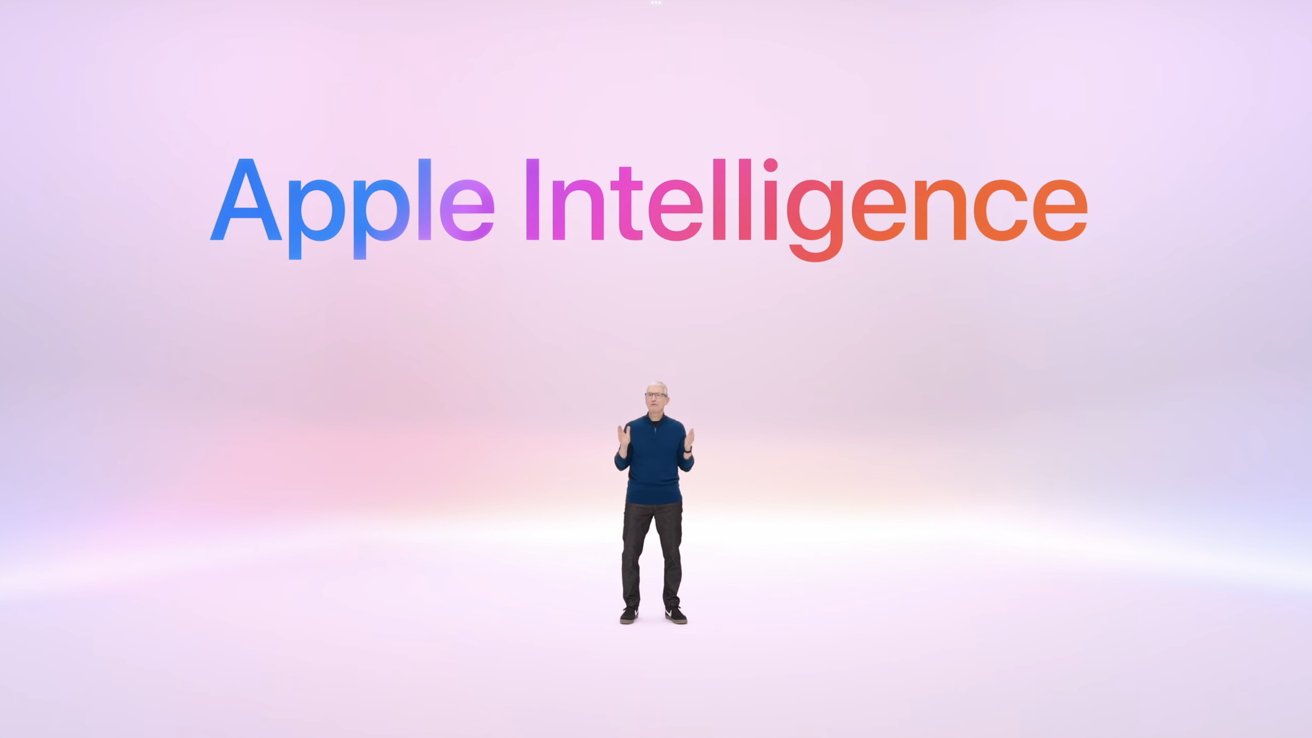
Apple announced Apple Intelligence in June 2024 with over 20 AI features. The company began rolling them out in stages that October.
Buyers received new emoji tools, image editing, smarter notifications, writing assistants, and closer ties to ChatGPT. The main controversy involves two Siri upgrades, Personal Context Awareness and In-App Actions, which were delayed to later dates.
Plaintiffs say those delays mattered because Apple pitched the Siri upgrades as selling points. They claim Apple overstated what buyers would get in 2024, creating false expectations.
Apple says customers got almost all the new features for free and on schedule. It argues the lawsuit is an overreaction to just two delayed items.
Apple's defense strategy
The motion to dismiss goes straight at the issue of reliance. Apple argues that none of the plaintiffs can show they actually saw or relied on a specific promise about the Siri rollout before buying their phones.
Many refer only to ads, press coverage, or Apple's Worldwide Developers Conference. Courts require fraud claims to be pled with detail, and Apple says vague references don't cut it.
Apple also leans on a 2020 Ninth Circuit decision known as Sonner. That case limited the ability of plaintiffs to pursue equitable remedies like restitution when they already have legal claims that can provide damages.
Because the Landsheft plaintiffs included fraud, contract, and warranty claims, Apple argues they can't also tack on consumer protection and unjust enrichment counts.
The motion to dismiss goes straight at the issue of reliance.
Beyond that, Apple says each claim has its own flaws. The implied warranty of merchantability doesn't apply because the phones work as intended.
Express warranty claims fail because no notice was given. Negligent misrepresentation is barred by the economic-loss rule. The contract claim doesn't point to any specific broken promise.
And unjust enrichment, Apple argues, is unnecessary when contract and tort claims are already in play.
Why the case matters
The case is about more than two Siri features. It highlights a recurring tension in tech: companies sell devices today based on software they promise tomorrow.
When those promises slip, the line between ordinary delay and consumer deception gets blurry.
Apple Intelligence was supposed to mark a new era for the iPhone, putting the company in competition with Google's Gemini and Microsoft's Copilot. A courtroom fight over missed timelines undercuts that pitch.
However, Apple points to what it delivered during the rollout. By the end of 2024, customers had over 20 new features, including custom emojis, editing tools, and smarter Siri responses.
All of these came at no extra cost. Apple believes that shows buyers got what they paid for, even if a couple of Siri functions arrived later.
What happens next
Judge Wise will hear arguments on January 7, 2026. If Apple wins, the case ends before discovery and the company avoids pulling back the curtain on its internal development process.
If the plaintiffs survive, the fight could stretch into years and put Apple's marketing practices under a microscope.
The plaintiffs want damages or refunds, while Apple wants the case dismissed outright. The court will decide whether two delayed Siri features are enough to take the world's richest tech company to trial.