
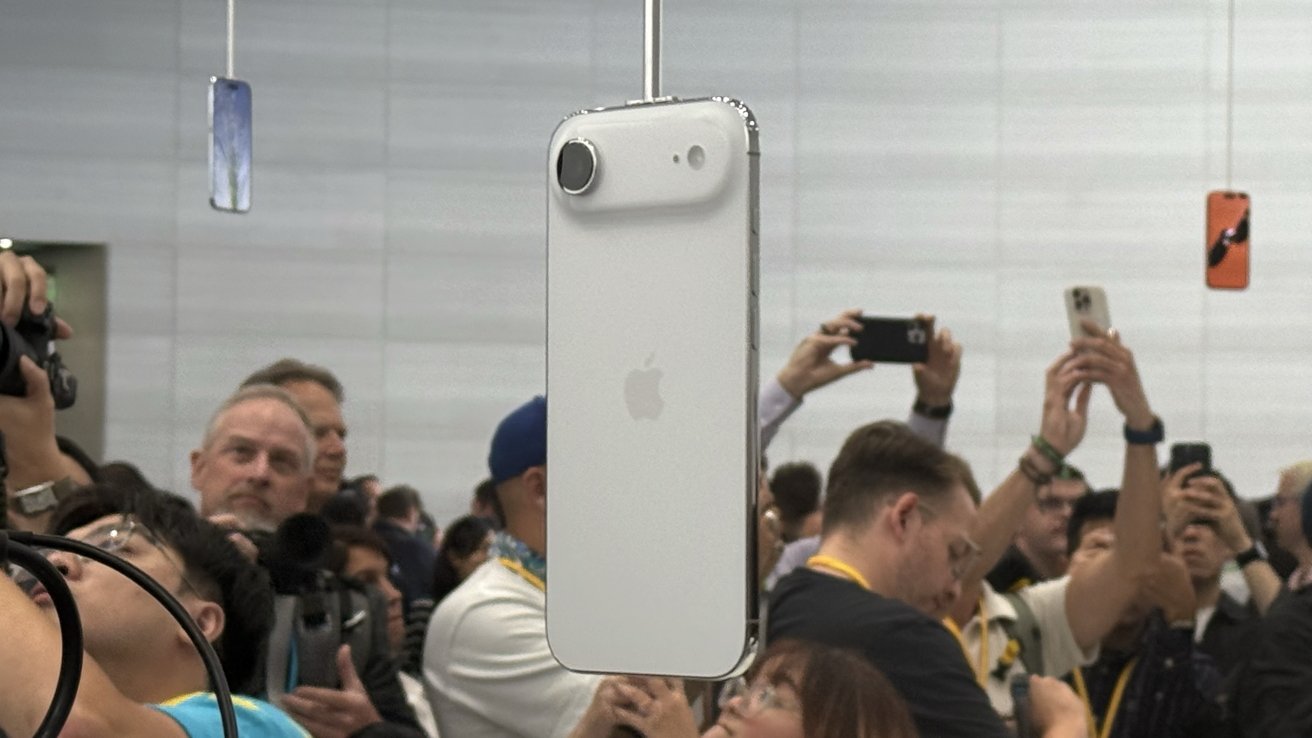
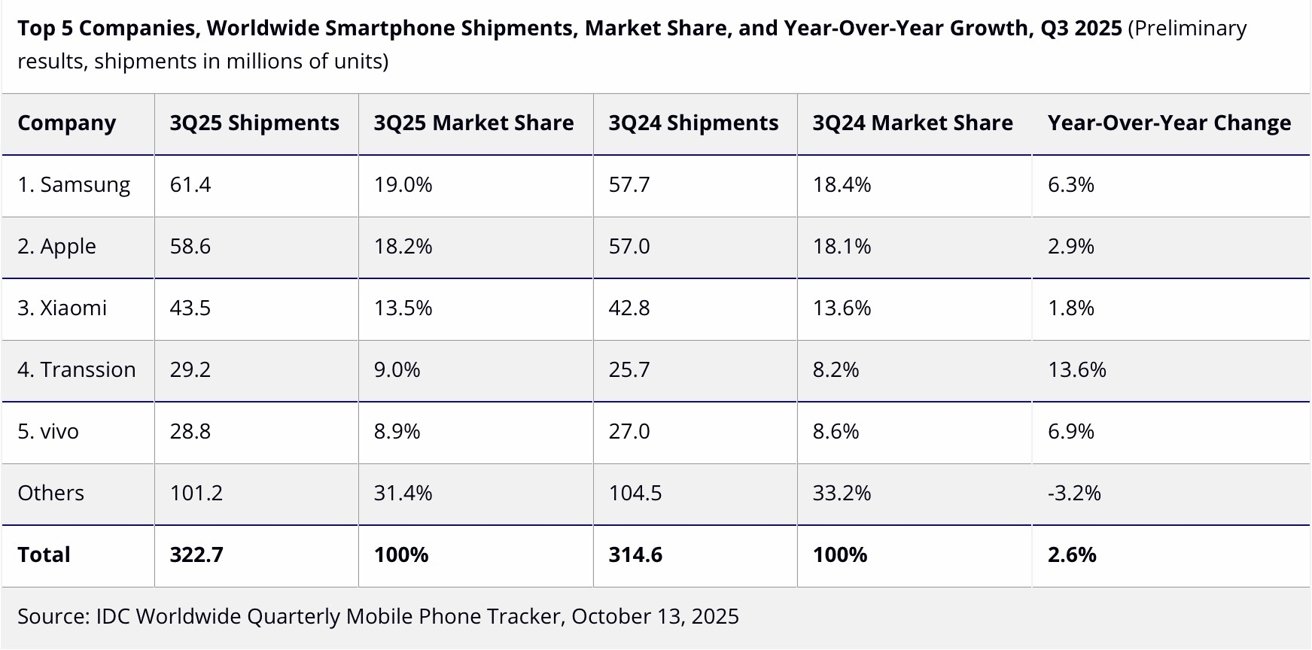
Smartphone shipments reached 322.7 million units in total across the third calendar quarter of 2025, with Apple and Samsung leading the way and neck-and-neck in overall marketshare.
Manufacturers shipped 322.7 million units between July and September 2025, according to new data from the International Data Corporation. The market recovered after a slow first half of the year.
Strong Trade-in deals and new features helped drive the rebound despite tough global conditions.
Apple and Samsung continued to dominate. Samsung shipped 61.4 million smartphones, marking its strongest September quarter ever.
Meanwhile, Apple shipped 58.6 million iPhones, up nearly 3% from 2024, setting its own quarterly record. Together, the two companies accounted for well over a third of all devices sold worldwide.
It's not AI that's fueling upgrades
IDC claims that AI is driving September sales of smartphone flagships, but that's not the case. Buyers aren't waiting for huge hardware leaps anymore, but they're not upgrading just for AI, as IDC claims.
Most care more about price, battery life, and cameras than fancy new algorithms.
Smarter software and premium design are now part of the total package, making high-end phones feel worth upgrading to again. Buyers see these features as a complete experience that justifies getting a new device.
AI features mostly add a layer of polish. Flagships can summarize notifications, clean photos, and translate messages, but daily feel matters more.
Apple & Samsung lead a fragile rebound
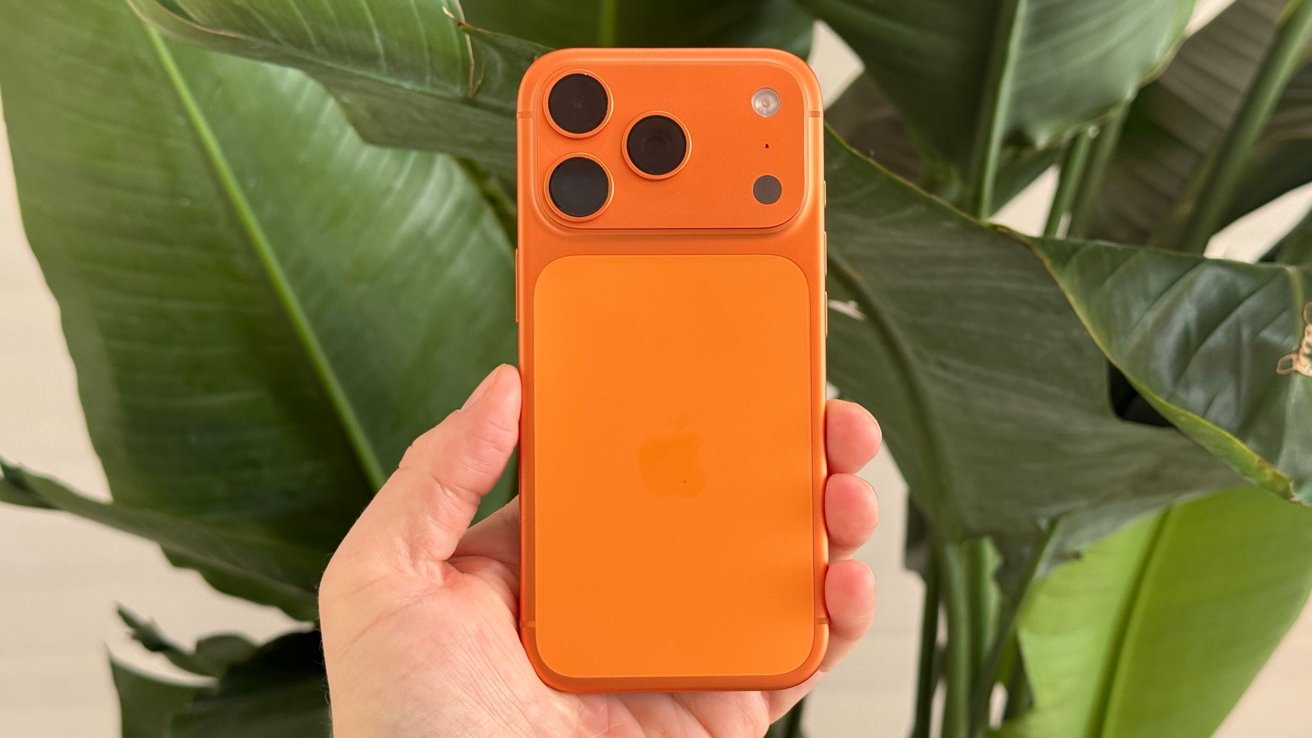
Apple's iPhone 17 lineup drove much of the growth in the premium segment. Preorders beat last year's models, and early sales showed strong results in both North America and Europe.
While the rebound is welcome news, analysts caution that growth is fragile.
Aggressive carrier trade-in deals and Apple's pricing strategy made upgrades more appealing for long-time users. The combination of demand and incentives set the stage for a strong season for Apple.
Samsung had its best September quarter ever. The Galaxy Z Fold 7 and Galaxy Z Flip 7 continued growing the foldable phone market.
Both models beat the performance of earlier foldables. They also gave Samsung's brand a lift while many competitors were cutting costs instead of innovating.
Foldable phones make up only a small share of the overall market. Their success mainly signals that consumer interest is coming back rather than widespread adoption.
Most people still prefer traditional designs with high-quality screens and strong cameras. AI-driven features and overall performance improvements are the main draws for these buyers.
Consumers trade up amid tariffs & uncertainty
Despite tariff pressure and uneven economic recovery, phone makers' resilience is evident in their flexible payment models and generous upgrade programs.
Trade-in incentives have played a major role. Many carriers offered deals that effectively halved the cost of upgrading to a new iPhone or Galaxy.
Buyers are no longer waiting for massive leaps in hardware.
Combined with installment plans and promotions, those offers turned what might have been a luxury purchase into a more manageable decision.
IDC's outlook for the rest of 2025
IDC expects smartphone momentum to stay strong through the holidays. The firm forecasts a solid fourth quarter, helped by promotions, AI features, and ongoing device innovation.
Analysts say optimism is a sharp turnaround from 2024, when inflation and market saturation caused shipments to decade lows. They note the current rebound reflects genuine improvement, but it depends on continued interest in newer technologies.
While the rebound is welcome news, analysts caution that growth is fragile. A single weak region could offset global progress. China, in particular, remains unpredictable, and slower demand there could drag down overall numbers.

AI's growing appeal has helped midrange phones that include lighter versions of these tools.
Consumers are buying fewer low-cost phones, while the industry focuses on higher-margin models with advanced features and frequent updates. This strategy boosts profitability but leaves vendors vulnerable if the premium market weakens.
Competition is also shifting geographically. India continues to gain importance as both a manufacturing hub and a major consumer market.
India's growing middle class has made the country an important testing ground for affordable premium phones. Many of these models focus on lightweight AI features that appeal to budget-conscious buyers who still want modern technology.
The rest of 2025 will show if the rebound continues. Strong holiday sales from Apple and Samsung could deliver the first full-year growth since 2021.