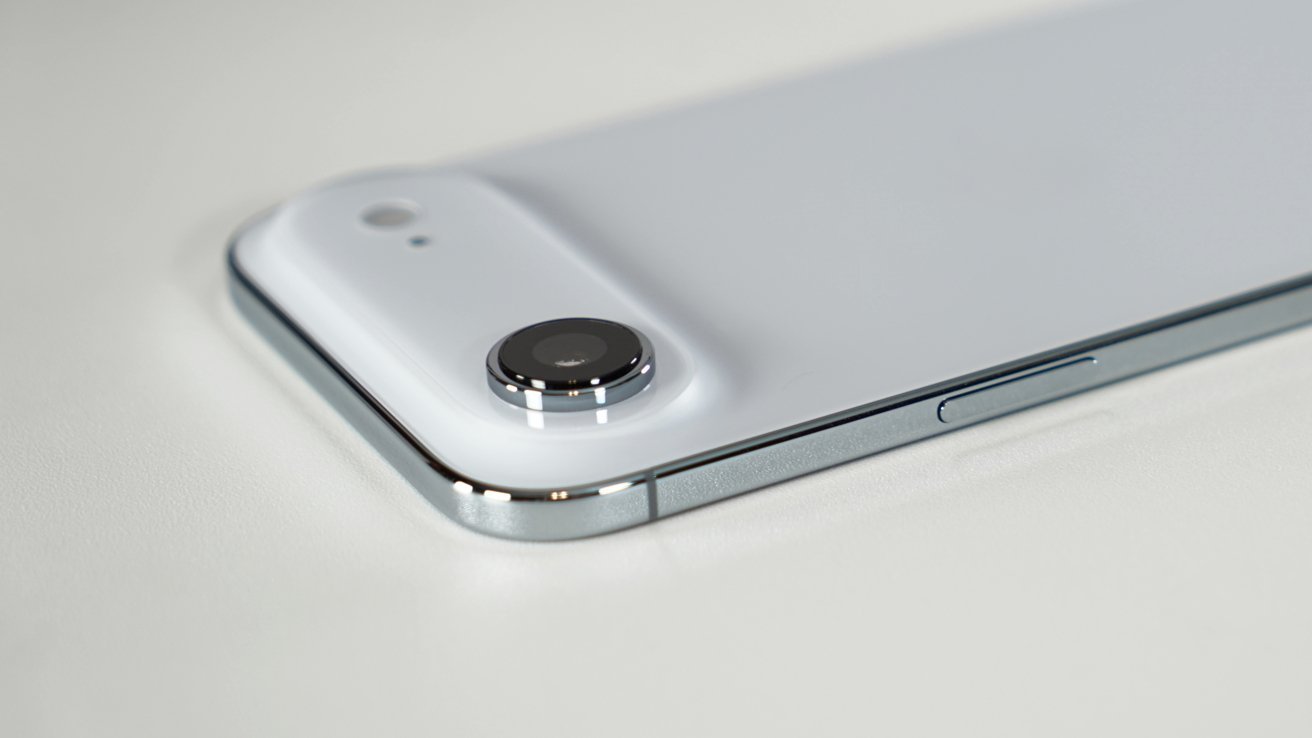
Headlines screaming that iPhone Air order cuts mean the death of the model and is a failure ignore that Apple has absolute mastery of its supply chain, and guessing in advance what will be popular at launch time is an imprecise art.
Following the launch of new iPhone models, analysts and industry observers drop their guesses on how the iPhone is doing. This reporting, which usually stems from sources purportedly within the Apple supply chain, includes comparisons against earlier models, to see if the new crop is doing better or worse than the last one.
That inevitably leads to comparisons between models, with some seen as more popular than others on the roster. So far, the initial 2025 reports have proclaimed the iPhone Air is the lame duck, while the iPhone 17 Pro models are faring far better.
Given the way Apple's illustrious supply chain functions, early reports are not an indicator of sales or successes for the quarter, much less the entire year.
If you're an AppleInsider regular, you know how this works. For some reason, the rest of the world doesn't seem to.
So, let's go over it.
Well-executed just-in-time iPhone production is the way
For many manufacturers, and especially for one like Apple, the supply chain does whatever it can to reduce waste and costs. The principle of "build it and they will come" is simply a very expensive bet by manufacturers, with a considerable risk of it not paying off.
Instead, large scale modern manufacturing takes advantage of the concept of Just-in-Time (JIT) manufacturing, a concept stemming from Toyota in the 1970s. It's a well-worn principle based on inventory management that informs other areas of production.
Rather than relying on production forecasts to guess sales and to produce based on that, JIT instead expects that production will vary, and will base everything on current demand. Instead of building for tens of millions of iPhone units it believes will be sold from the outset, Apple will place orders in its supply chain for a smaller quantity that it will definitely sell.
When the trend of the sales of those units suggests that lead times will get long, Apple then fires up the supply chain. First, it orders more parts, with whatever lead time that requires.
Then, it fires up the assembly chain.
Properly managed, this is fine. Customers get a taste of artificial scarcity, and there isn't a lot of unsold inventory when a model is replaced.
This way, Apple doesn't have 70 million iPhones in a massive stockpile in a warehouse at launch. Or worse, 50 million in a warehouse three years after launch.
Apple has institutional knowledge of how this can go bad, if poorly executed. There was the Power Mac fiasco of 1995, where Apple far, far under-ordered Macs for the holiday season, had a very bad JIT supply chain execution so it couldn't recover from that quickly, and had stocks of unsold Performas stacking up at Sears, Kmart, Montgomery Ward, CompUSA, and other retailers of the day who have mostly gone the way of the dodo.
All of this was a great deal of the paving of the road that led to Steve Jobs coming back, then Tim Cook getting hired by Jobs, and we all know how that went.
JIT requires precise timing, and an excellent grip on the entire supply line from silicon to boxed goods. Apple has this, in spades. Tim Cook perfected this for Apple, before he was put in charge.
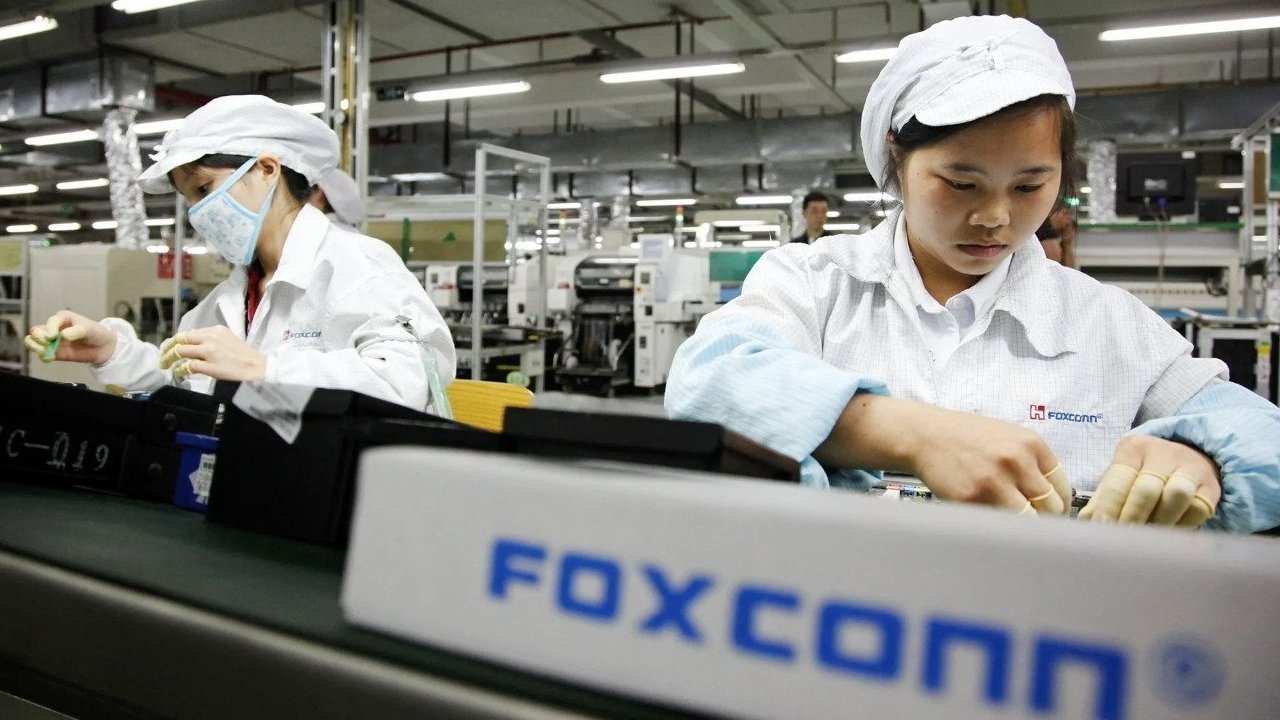
Apple's supply chain is lean and mean, thanks to JIT.
Apple's JIT is a double-edged sword for manufacturers. There are benefits and dangers to being an Apple supplier.
JIT production, properly managed, provides benefits to manufacturers, such as reduced waste from holding excess inventory or overproduction. If Apple were to cancel all of the orders for one model, all that would be "lost" are the small inventories at each stage of the chain.
These costs aren't just associated with the component's manufacture, but also things like paying for warehouses to store them. It costs less to store 1 million iPhone cameras than to store 70 million.
There's also the benefit of being able to implement changes to production. If a component has a flaw that then gets fixed, Apple only has to deal with fixing or disposing of a smaller amount of components, not many millions.
On the other hand, Apple supplier margins are slim. If Apple says that they want 60 million of a part in advance and more orders are coming soon, that "coming soon" is a little vague and hard to predict. That can be a financial burden if you get fewer orders than you internally are preparing for, and even if you get a lot more than you expect.
Practically speaking, Apple's supply chain has what it needs for about 30 days at a time depending on the product line. This sounds like a lot.
At Apple's scale, it certainly is a lot — but it's enough of a buffer for the supply chain to function smoothly with minimal interruptions.
Overall, JIT gives Apple flexibility, lower costs in production, and a more sustainable way of producing iPhones than if it were to build them all in advance. Crucially, it gives Apple the opportunity to make changes to its supply chain orders based on actual sales instead of predictions.
That's what's happening now with the iPhone Air, and what's been happening every October in one way or another since the iPhone 6 Plus launched.
Model mayhem
One of the problems with the after-launch reports is that the pattern of sales for iPhones is pretty well established. For some reason, it gets lost in the shuffle with mainstream media and all but the best stock analysts.
Looking at previous years, there is a trend for the Pro or higher-end models to outpace the standard editions. This is simply how Apple consumers buy things.
Early sales are dominated by consumers who can easily afford an upgraded iPhone, and the Apple devout who want the newest and and most powerful. So, it makes sense for this influx of upgrades and purchases to be for the Pro models. Therefore, Apple can place more of a focus on fulfilling Pro model orders in its supply chain.
Later in the year, demand evens out so the standard models become more popular. With Pro model buyers out of the way early, it makes the standard edition seem more popular in comparison.
Thanks to Apple's use of JIT and its supply chain flexibility, it can pivot over time and match demand. In January or February, the doom and gloom will continue with reports that the iPhone 17 Pro models are getting cut, and the iPhone 17 is getting more orders.
Like it is every year. The difference this year is the first new form factor in a few years — the iPhone Air.
Up in the Air
In 2025, Apple replaced the Plus model which typically was the least sold model in any given year with the iPhone Air. The iPhone Air is more than base, it's less than Pro. It's more expensive than the not-pro, it's priced like a Pro, yet lacks the features that early, devout, buyers want.
Like the iPhone X, it's a model that brings all of Apple's design and engineering to bear, in an attractive and thin package. There are compromises in the design to get there.
One of the authors of this piece was pretty clear about this in his review of the device. In that review, Mike said:
So, don't read too much into reports in September or October 2025 about low iPhone Air sales. The first 60 days or so are dominated by iPhone upgrade program sales, or early movers who generally buy the iPhone Pro lineup for that year.This year doesn't appear to be an exception. The standard lag times between online order today and Fedex or UPS delivery some day that is not tomorrow is about the same, if not a bit longer than in 2024.
The iPhone 17 will take the sales crown, maybe, in January or February, like the non-Pro line always does. New to that mix is the iPhone Air.
I'm predicting that when holiday sales kick in, in early November, and then again in early December, the iPhone Air will take some of that crown. It won't take it all, but it will be clear that it has.
The iPhone Air is flashy. Apple will push it hard for Christmas. When your tech-aware Nana's iPhone 12 Pro dies, she'll want an iPhone Air because it's cool.
Folks are going to want it. All that's happened here is that Apple missed the mark on how many early buyers wanted it in September and October.