The iPhone Air is extremely thin, powerful enough, and is a preview of Apple's smartphone future, but it has too many compromises to pull Pro-phone faithful away.
Whenever Apple introduces a massive redesign of an established product line, it tends to be the precursor to future iterations in a similar vein. The iPhone X ushered in a whole era of iPhone models that lost the Home button in favor of an edge-to-edge display.
Apple Silicon freed Apple from the limitations of Intel. It helped push the PC industry into considering new ways to expand and work.
While it is extremely early to tell whether the iPhone Air will have as much of a seismic change on the smartphone industry as a whole, we can be sure of one thing. It points us in the direction of Apple's future product designs.
While the iPhone Air is a good phone, it is not the flagship that the iPhone X was in 2017. That release was a shot across the bow for smartphone design, with market-leading power.
The iPhone Air certainly is that shot, but it's not what you'd call the best that Apple can bring to bear across the board.
iPhone Air
iPhone Air review: Thinner, newer model
The big appeal of the iPhone Air, aside from not having the number 17 interrupting the name, is its design. As the Air implies, the smartphone is thin and light.
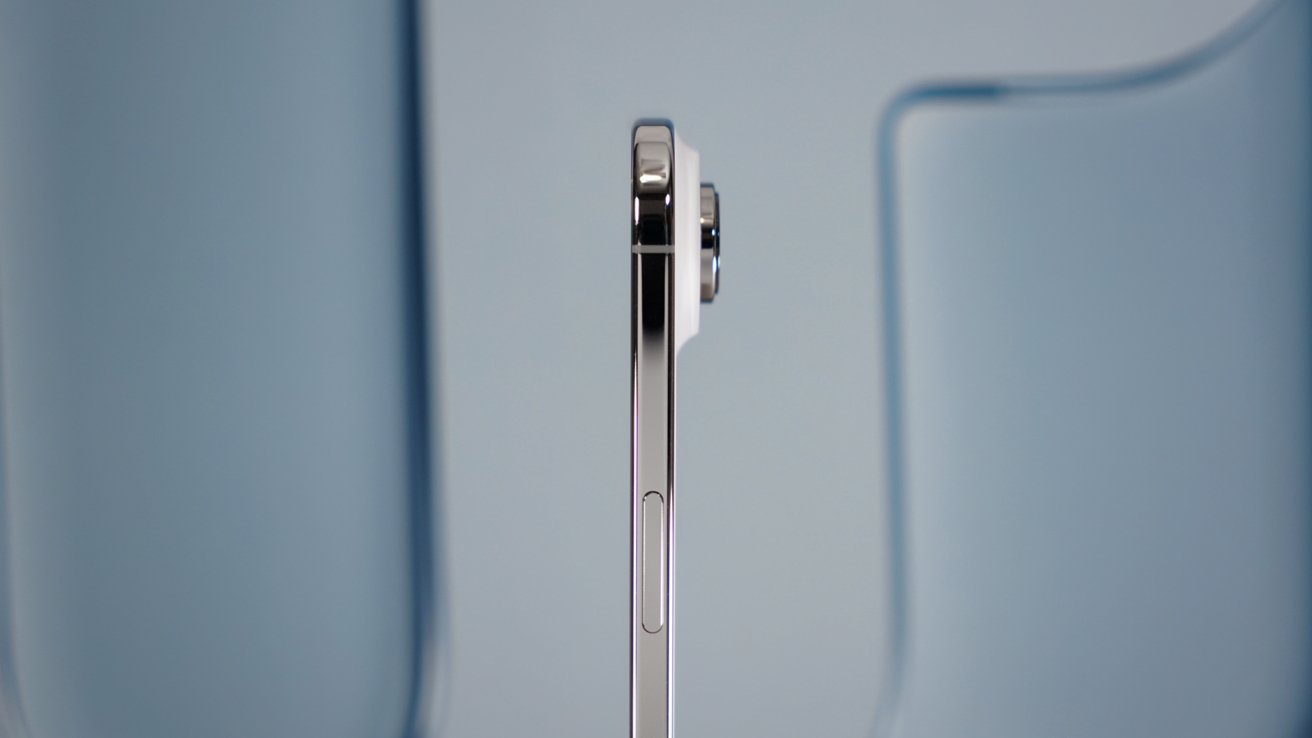
iPhone Air review: the thinnest iPhone yet
It's something you'll have to hold to understand. There's something psychologically strange about holding the iPhone Air that feels impossible — the thinness and lightness belong to something else, not a smartphone.
It is certainly thin and light on the iPhone scale of things. The 5.64mm (0.22-inch) thickness is much thinner than the 7.95mm (0.31-inch) iPhone 17 or the 8.75mm (0.34-inch) iPhone 17 Pro line.
The iPhone Air is not quite the thinnest portable on the block, as the M4 13-inch iPad Pro gets down to just 5.1mm (0.20 inches). But, among the models designed to be carried around in a pocket all day, it's the leanest on the roster.
The overall size of the device also helps with its appearance. The use of a 6.5-inch display means it's fairly wide and tall at 6.15 inches by 2.94 inches.
It's in the same ballpark as the iPhone 16 Plus it is the spiritual successor to, but combined with the thickness, it makes for an oddly thin-to-hold smartphone.
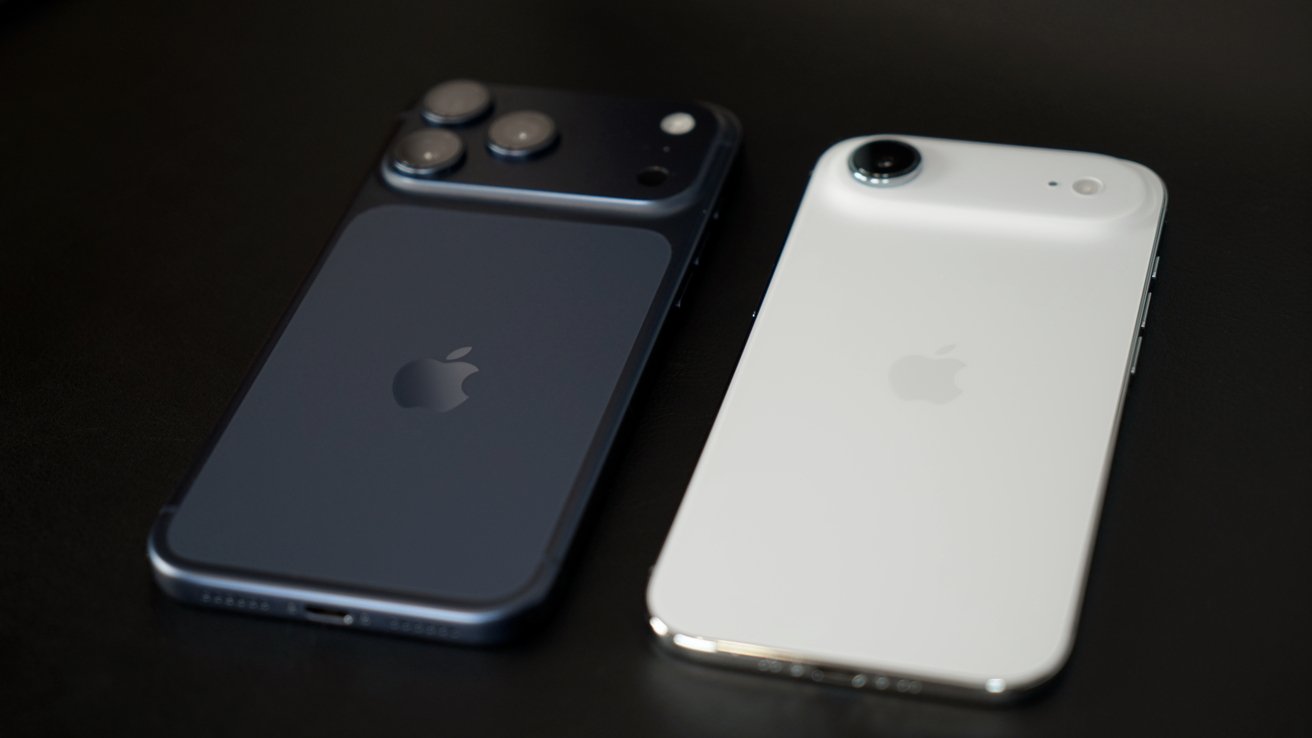
iPhone Air review: an in-between size
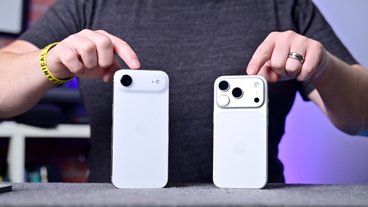
When you hold the iPhone Air next to the iPhone 17 Pro Max and iPhone 15, it is impressive at how it is much closer to the former than the latter. It's a big jump in display size and notably lighter than the iPhone 16, so small iPhone users will likely accept the tradeoff.
To achieve the thickness without facing another "Bendgate" scenario, Apple's shifted the titanium from the Pro models over to the Air.
It also helps make the device very light, at a mere 5.82 ounces. It's not feather-like, but its size and footprint makes the 8.22-ounce iPhone 17 Pro Max feel like a brick in comparison.
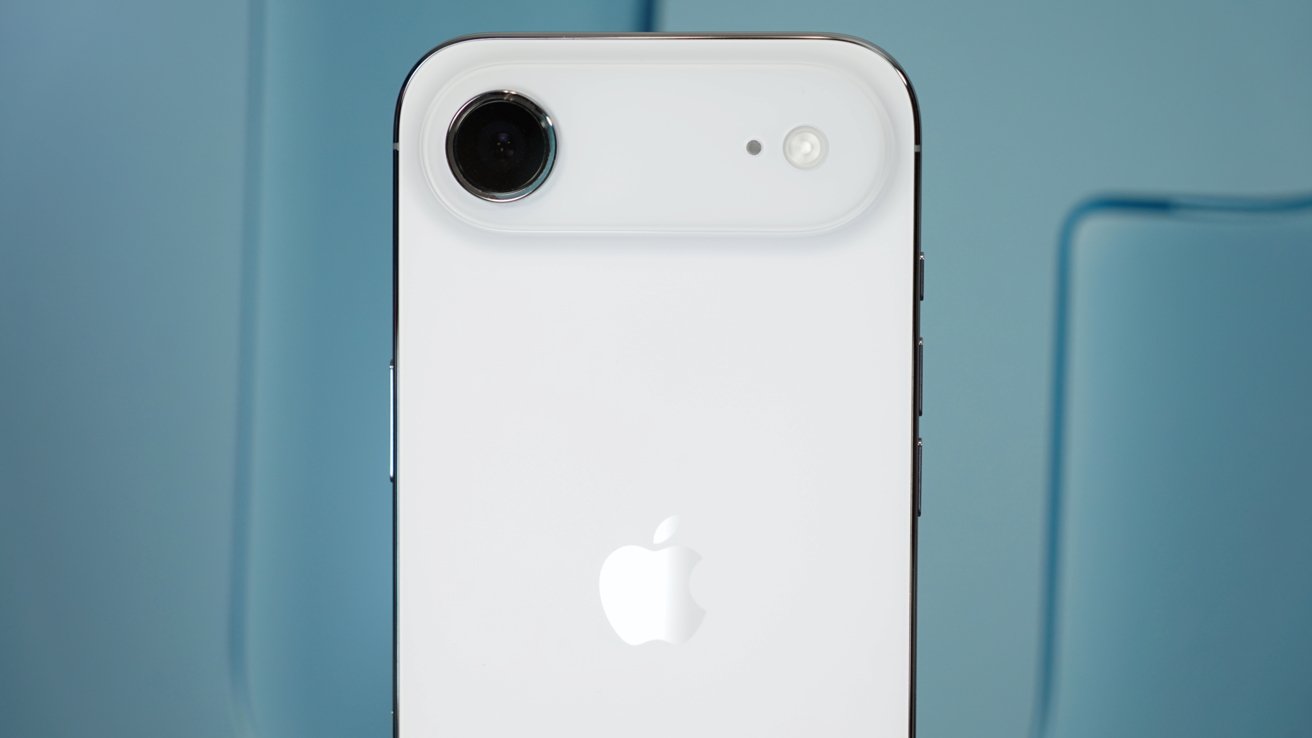
One of the ways that Apple manages to make the iPhone Air so thin is hidden inside its thickest section. The previous camera bump has been upgraded to a "plateau" in Apple's marketing parlance, which spreads across the entire width of the top of the device.
In this enlarged bump, which is cavernous compared to the rest of the design, Apple has squeezed in the usual camera as well as the speaker and Apple Silicon.
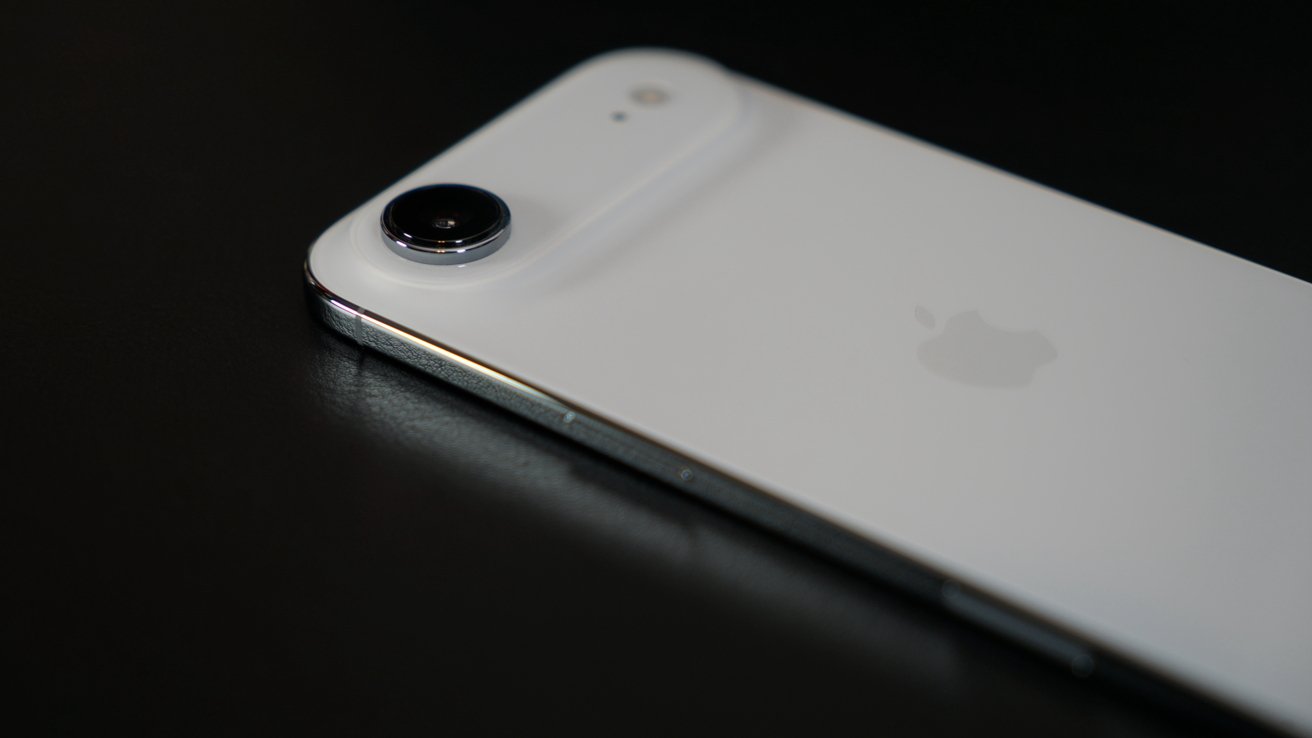
iPhone Air review: everything except the battery is stuffed in the camera bar
For the ultimate aim of creating a mostly-thin device, this bigger bump is a smart tradeoff that Apple repeatedly tries to do with the rest of the design.
And, it's well balanced in the hand. You'd think that the camera bump with spans the width of the phone would throw that off, but in use, it does not.
Also, the elongated bar makes the whole iPhone much more stable on a table, especially when in a case. Cases generally have a lip that juts out slightly further than even the camera lens, so it makes a uniform surface across the width of the iPhone when laying flat.
iPhone Air review: Pro-ish display, adequate speaker
While the iPhone Air is not an entirely Pro device, there are elements that borrow heavily from that range. The screen is one of them.
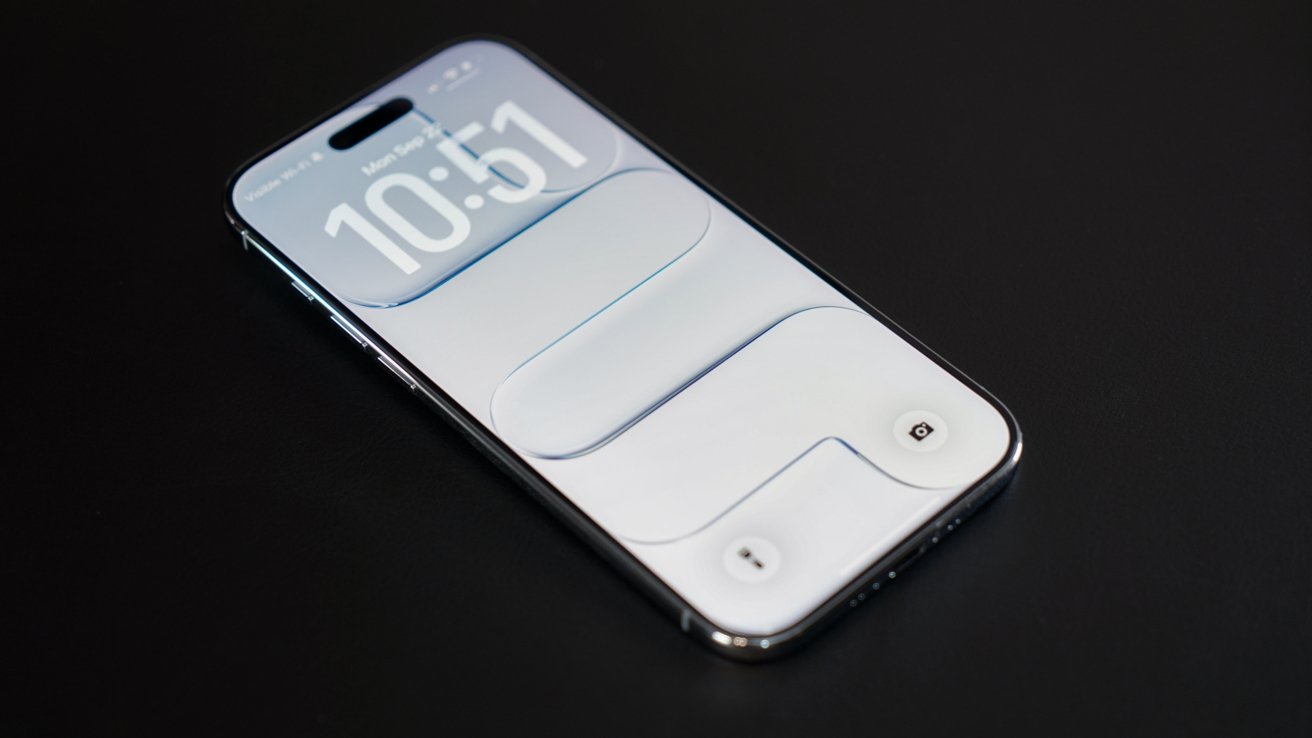
iPhone Air review: a familiar, brighter display
The 6.5-inch Super Retina XDR display is Apple's usual always-on OLED screen. It's still edge-to-edge with a small bezel around the outside, as per usual.
However, Apple's decision to expand ProMotion beyond the Pro range means it's included in the iPhone Air. That means an adaptive refresh rate of up to 120Hz, depending on what you're doing on the display.
This is a feature that can make scrolling much smoother and more responsive, and very much needed on a standout device like this. It also means users get access to the always-on display mode, which is especially useful when in StandBy.
If you've never had an iPhone with an always-on display, it can take some getting used to. The iPhone will dim, but elements like the clock, widgets, and live activities are still visible.
It is especially useful with StandBy, which appears when the iPhone is charging and in a horizontal position. If you've got MagSafe stands throughout your home, they'll transform your iPhone into a smart display with widgets and now playing data.
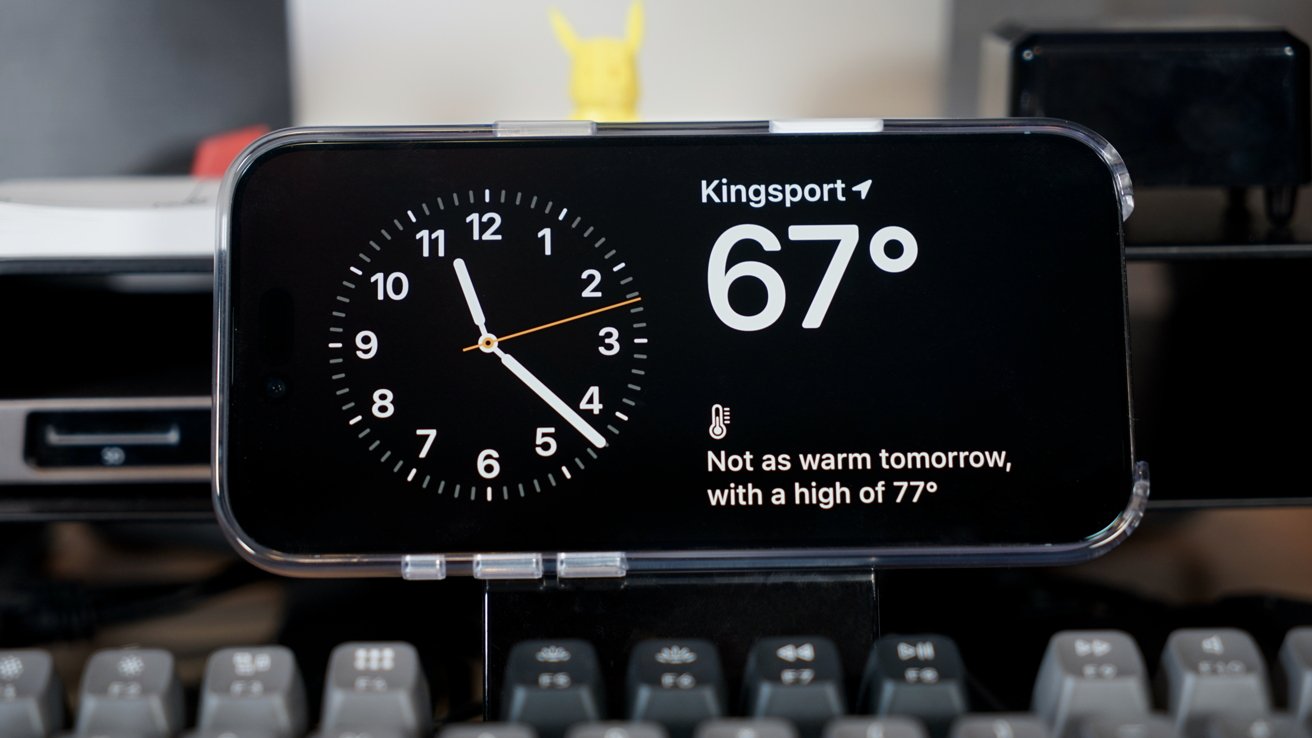
iPhone Air review: always-on makes StandBy useful
At 2,736 by 1,260 pixels, the iPhone Air still has a resolution to hit Apple's usual Retina display benchmark for the iPhone of 460 pixels per inch. The 2,000,000:1 contrast ratio, True Tone, and Wide Color (P3) support are also present and correct.
When it comes to brightness, that massive screen will be easily seen outside. There's a base 1,000 nit brightness for usual content fare, rising to a peak of 1,600 bits for HDR content.
If you're using it outside, that's a peak of 3,000 nits of brightness, to try and fend off the Sun. At the other end of the scale, it can go down to as little as 1 nit to maintain its always-on nature.
The brightness levels are generally identical to previous iPhone displays, but that extra 1,000 nits for outdoor use can come in handy. However, if the iPhone gets too hot while in direct sunlight, it may dim the display anyway.
So actually getting use out of the brighter peak brightness requires specific circumstances. It's not so bright that it's incredibly noticeable, and it is only particularly notable when seen next to a device that doesn't have 3,000 nits of peak brightness.
And, one of the things that Apple has cut down on is the speaker system in the iPhone Air, versus, well, every other phone in the lineup. There's just one, in the top of the device.
Stereo separation hasn't ever been good in the iPhone, there's just not that much distance between the two speakers. That said, the difference in media playback is immediately noticeable, and the solo speaker isn't nearly as powerful as the set in the iPhone 17.
It's good enough for a FaceTime call, but count on getting AirPods or a Bluetooth speaker for serious media consumption. It's good enough for casual in-bed video viewing, but it certainly isn't good enough for more than a few feet away.
iPhone Air review: Single shooter
If you don't read any further, the iPhone Air is essentially the iPhone 15 rear camera, with a fancy selfie-shooter in a new bump. It's actually the least-interesting feature of the new device.
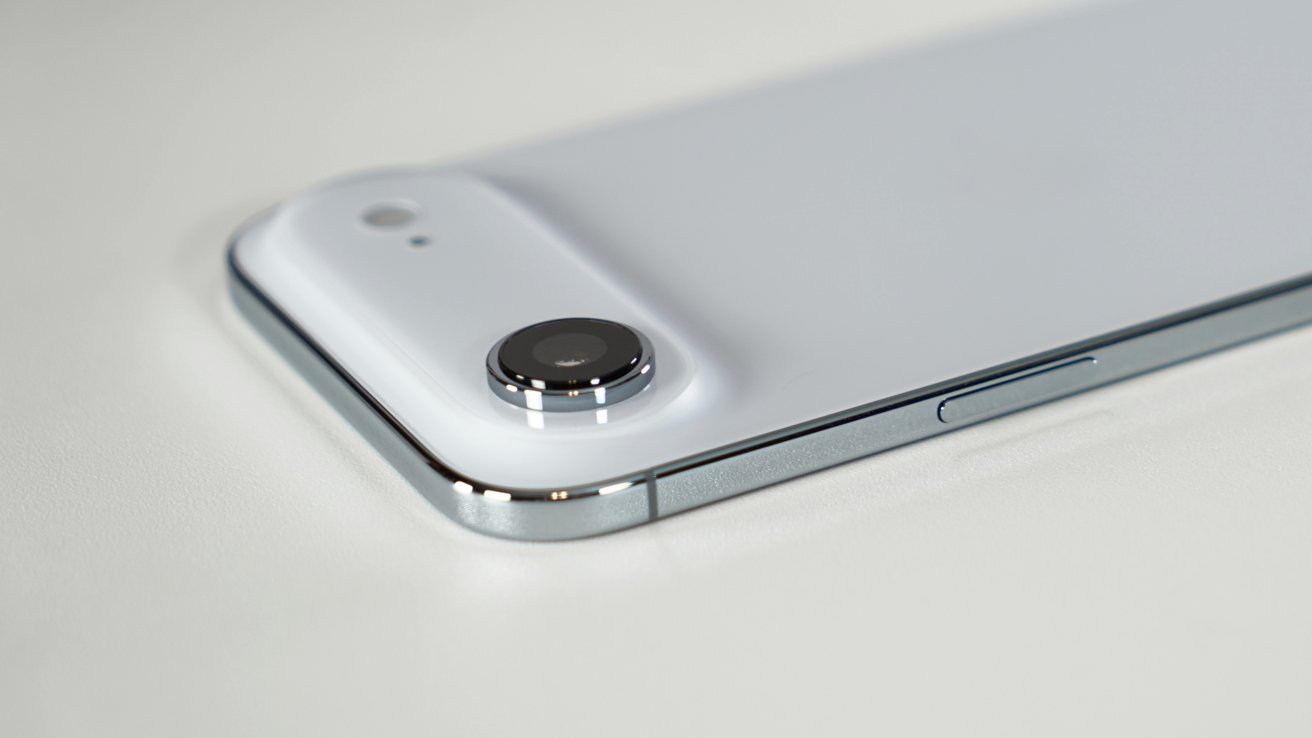
iPhone Air review: one camera is enough for most casual users
One of the compromises the iPhone Air makes is the camera system. A typical two or three-camera module takes up a lot of space, and that's something Apple simply cannot afford in a model that tries to be as thin as possible.
The obvious move was to minimize the camera usage, reducing the space needed for an older-style camera bump considerably. This at least allowed Apple to use more of its plateau for other components.
The sole remaining camera is the 48-megapixel Fusion, which is the "Main" one before you think about Ultra Wide or Telephoto versions. The middle of the focal range is a good choice, since the extremes are more rarely used.
The camera in question has an f/1.6 aperture, complete with sensor-shift optical image stabilization, 100% Focus Pixels, and a sapphire lens cover. This is a good setup for a single Main camera in a collection, let alone one accompanied by a second option.

iPhone Air review: the 48MP Fusion Main camera takes the same great photos
While it is one physical sensor, Apple has performed its trick to get users a fictional second camera. The virtual camera is an "optical-quality" 12MP 2X Telephoto with the same aperture, OIS, and Focus Pixels.
This is less computerized trickery and more a simple cheat. Apple is simply cropping the 48MP image down to just the central 12MP image, and calling that a 2X zoom.
Apple isn't wrong to call it an "optical-quality" zoom, as this move doesn't use a digital zoom and really is using the middle pixels of the sensor. But you're not going to get a 48MP image from it.
That said, there is a 10x digital zoom available.

iPhone Air review: the digital 2X camera is fine for what it offers as a 12MP shooter
Other camera features include the Photonic Engine and Deep Fusion computational photography tweaks, Smart HDR 5, Portrait Mode with Portrait Lighting and various Focus and Depth Control effects, and Photographic Styles. Night Mode, 63MP Panorama, auto image stabilization, and other smaller elements round out the photography-focused list.
If you've used the iPhone 15 or iPhone 16 Main Camera, then you've used this camera. There should be improvements in photos thanks to a better image signal processor and pipeline, but those upgrades will be imperceptible in most shots.
Video-wise, 4K Dolby Vision video at 60fps is pretty standard by now. So is Slo-mo at 240fps 1080p, and even Action Mode's 2.8K Dolby Vision at 60fps.
There is the new-fangled Dual Capture that shoots with the front and rear cameras at the same time, at 4K 30fps Dolby Vision. There are options for a 6x digital zoom, Audio Zoom, 4K Cinematic Video Stabilization, Spatial Audio, and Audio Mix, which is a decent list for videographers.
You're not getting the more advanced camera features from the iPhone 17 Pro, such as Log or ProRES support. But then again, you're not really going to get this model for the camera.
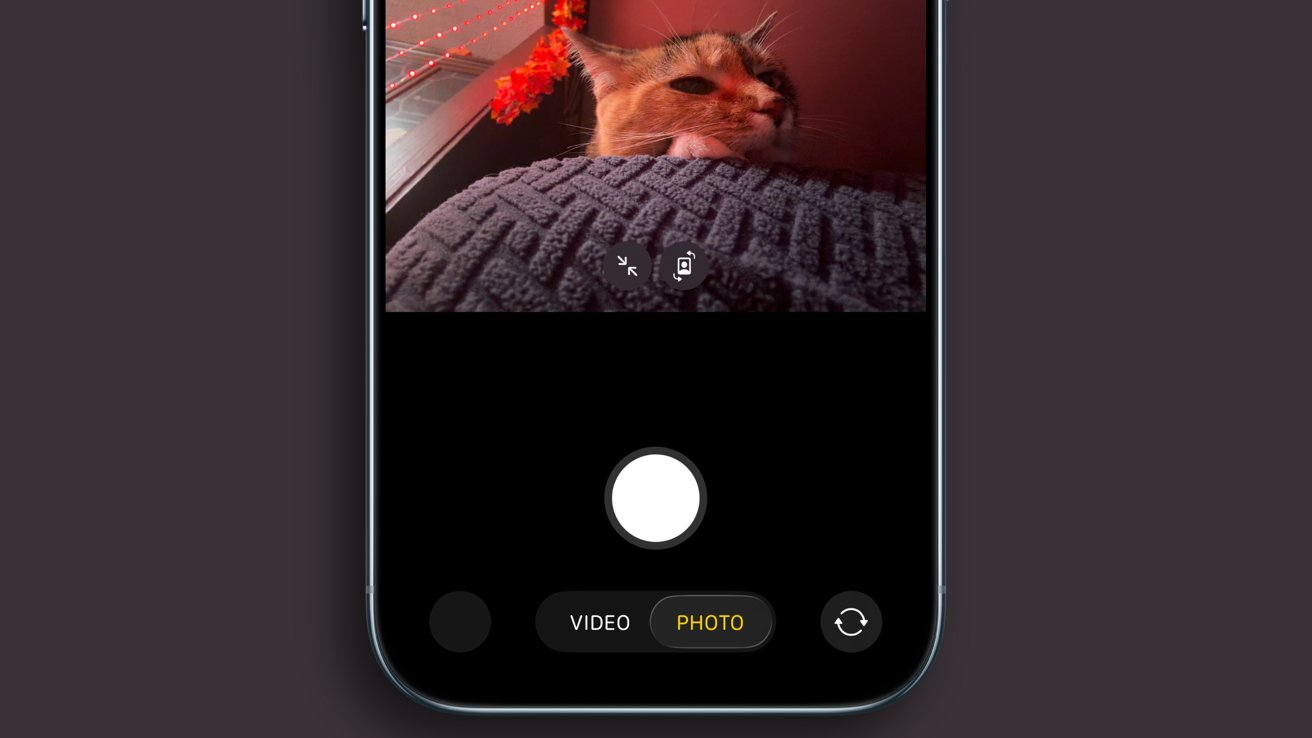
iPhone Air review: simple controls for the new selfie camera
The front camera, still using the TrueDepth camera array, has mercifully been given the generational facelift.
The new 18MP Center Stage camera is a square-sensor shooter, which helps it pull a party trick for selfies. Instead of laboriously turning your wrist to change between taking a portrait or a landscape selfie, you can now press a button to change orientation.
However, it is a tough habit to break. The automatic gesture of taking a landscape selfie, lifting your arm and turning your wrist, will need to be reprogrammed in your muscle memory.
With its new smart capabilities, it can even automatically switch for you if there's a group of people who aren't bunching together tight enough for a vertical shot. The smarts here are hit and miss like any, but they generally work and automatically frame your selfie without input.
Holding the iPhone vertically for a selfie is also way more natural and centers the user much better. It also means your eyes will actually be centered as well, instead of looking to one side.

iPhone Air review: the selfie camera has vastly improved quality at all angles
This f/1.9 aperture camera has many other normal features like the back, including computational photography, Dual Camera, Smart HDR 5, Photographic Styles, Portraits, Animoji and Memoji, and Night Mode.
Video is also matching the back with 4K Dolby Vision at 60fps, but Slo-mo dips to 1080p 120fps.
Apple's inclusion of just one camera may seem like one too few on the back. But this is not a phone for photographers or videographers, as better options are available.
How much any of this matters depends very much on the use case for the device. While the adage "the best camera is the one you have on you" is true, if you know that you're doing a lot of photography with the main camera, maybe skip the iPhone Air.
If you're a frequent selfie-taker, the front-facing iPhone Air camera is basically what you get in the iPhone 17 Pro, so there's no compromises there.
iPhone Air review: Pro chip, mostly
Normally, the Pro models get the Pro version of the A-series chip, while the non-Pro models get the standard edition. For a brand new flagship, Apple has taken a step in the direction of offering something Pro-like, if not the entire Pro experience.
iPhone Air review: almost as performant as the pros
The iPhone Air gets the A19 Pro, the higher-tier chip for 2025. To fit it in, Apple's hidden the SoC in the plateau, so there's a chance of cooling, and the heat generation is away from where the user holds the iPhone naturally.
Note too that case makers are leaving the camera bar uncovered, which also aids with heat dissipation.
The A19 Pro has a new six-core CPU which is faster and better than the previous generation, as usual. More importantly, the GPU has a new architecture with Neural Accelerators in each GPU core, which triples GPU compute performance for AI work.
That's good, but it's not the full Pro experience. The A19 Pro in the iPhone 17 Pro has a six-core GPU, while there are only five here.
There's still a 16-core Neural Engine at play, which is obviously going to be bigger and better than the last version.
Upgrading the chip to a hobbled version of the A19 Pro is one disadvantage over the Pro models. The thin design also means the iPhone Air misses out on the benefits of Vapor Chamber cooling.
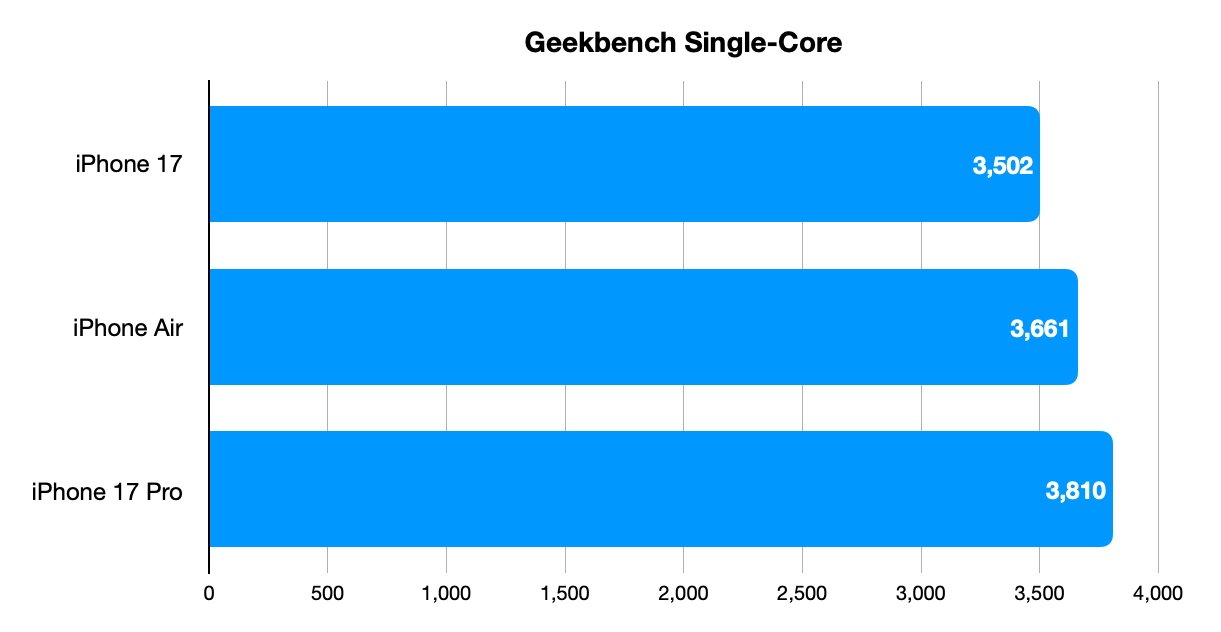
iPhone Air review: Geekbench single-core scores for the iPhone 17 range.
Putting the iPhone Air through Geekbench alongside the rest of the iPhone 17 generation, you can see the Air's A19 Pro is right in the middle between the iPhone 17 and iPhone 17 Pro. While Apple markets the A19 and A19 Pro as two distinct chip tiers, there are effectively three at play.
This is chiefly because of the vapor chamber cooling giving the iPhone 17 Pro a distinct advantage.
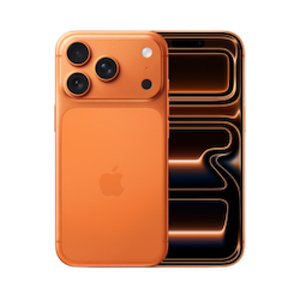
iPhone 17 Pro
On the single-core side, the difference is small, but still there. The iPhone Air is approximately 4.5% faster than the iPhone 17, but the iPhone 17 Pro is 4% faster than the iPhone Air.
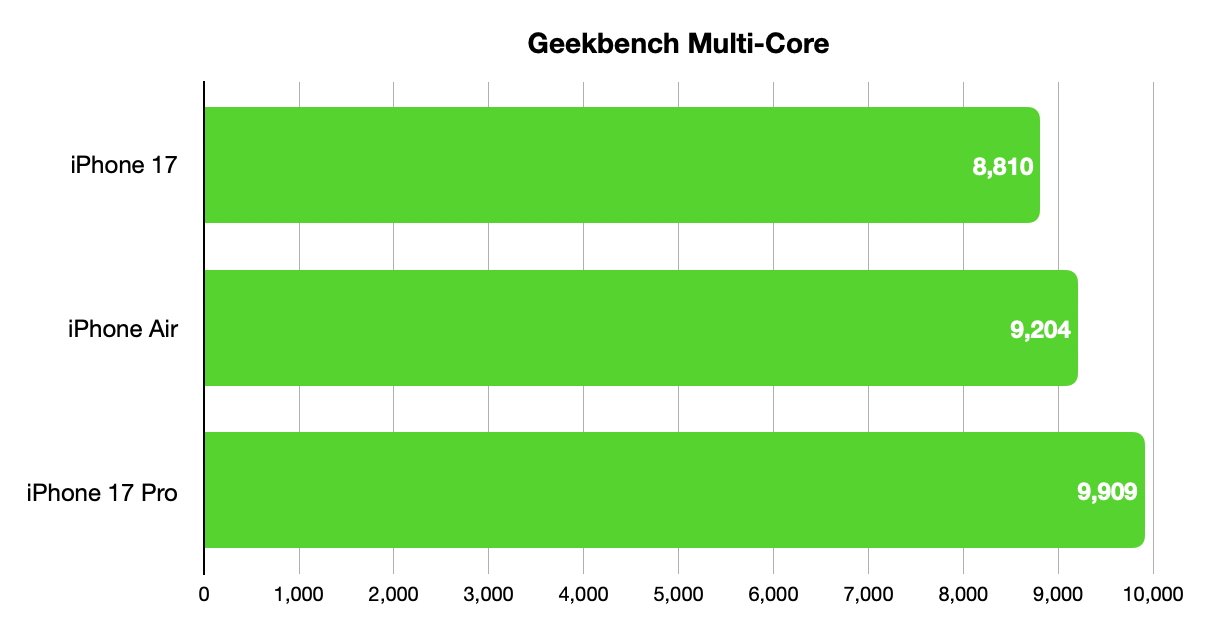
iPhone Air review: Geekbench multi-core scores for the iPhone 17 range.
This also applies to the multi-core testing. While all three have the same CPUs, there are improvements that bring the Pro chips to be better than the non-Pro A19.
But again, there's a 7.6% improvement between the iPhone Air's multi-core score and the iPhone 17 Pro's version. Cooling is, once more, probably the reason for the difference.
Graphics programs and games weren't exactly struggling before, but these performance gains in A19 Pro will translate to useful gains. Minecraft can load faster, extend render distances, run more advanced graphics settings, and do so with more power efficiency.
The iPhone Air will make a pretty looking gaming platform, but not a particularly good one. If you slap the iPhone Air in a game controller like the Backbone One and start playing Call of Duty, your battery is going to drain at an alarming rate.
Games will run fine and render well on that amazing Retina display, but if one of your primary uses of your iPhone is gaming, get the iPhone 17 Pro. The improved cooling and bigger battery will make a world of difference.
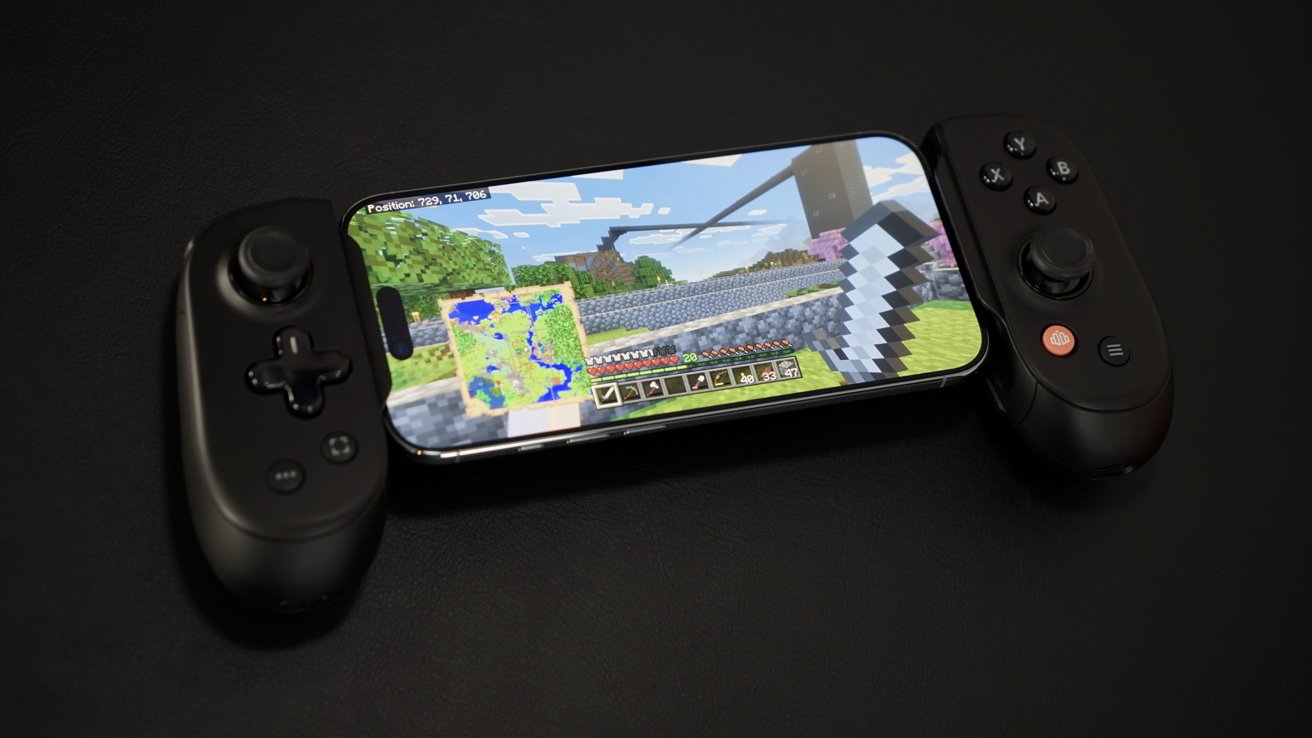
iPhone Air review: good, but not great, for gaming
While Apple has continued to work on changes to its SoC usage, it has also taken the opportunity to squeeze in more of its own chips. The C1X is an upgrade of its previous C1 modem, though its 5G support works with the sub-6GHz band, not the faster mmWave.
Apple has also slipped in the N1, a wireless networking chip that supports Wi-Fi 7, Bluetooth 6, and Thread. It boasts that Personal Hotspot and AirDrop will work better, while also using less power.
We're not so sure about Personal Hotspot or AirDrop working better, as we did not consistently have trouble with them before. There are reports, though, that Wi-Fi is cutting out for some users.
We haven't see that yet, but there are enough reports of it to be a thing. We don't think it's a hardware thing, and iOS 26.0.1 or iOS 26.1 will probably deal with it just fine.
Speaking of modems, Apple has also made the iPhone Air the first to be eSIM only. This isn't a big thing in the United States, where Apple has been eSIM-only for a while, but it will affect other markets that still widely use physical SIM cards.
iPhone Air review: Battery and that MagSafe accessory
As usual for an iPhone, there's MagSafe, Qi2, and USB-C for recharging. However, with the USB-C only working at disappointing USB 2 speeds instead of USB 3 like the Pro models, you're probably only going to use that port for charging anyway.
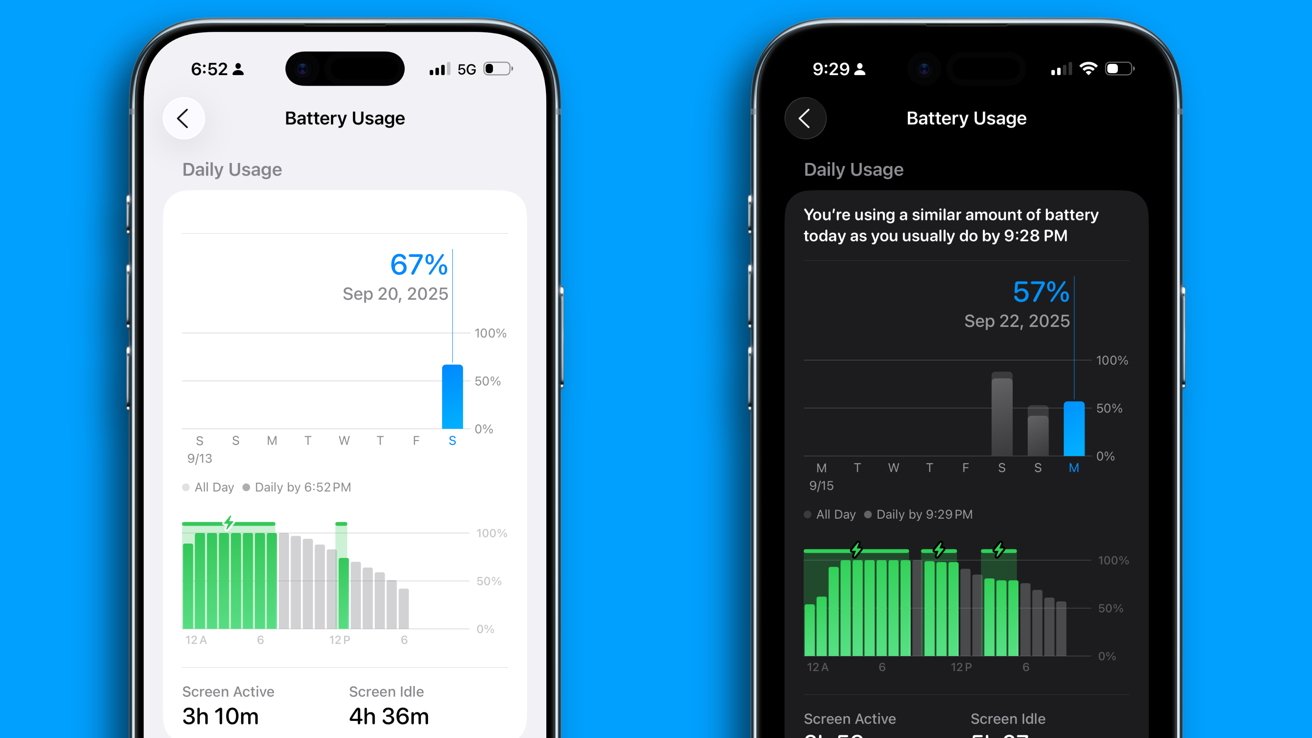
iPhone Air review: battery life through an Asheville day trip (left), over a work day (right)
In theory, you will be charging the iPhone Air a lot. That physical size means there's less of a battery inside it than the other models.
Apple still manages to squeeze up to 27 hours of video playback from a single charge based on its testing, despite the deficiency. This sounds like a lot, and probably stems from Apple's various performance and energy efficiency changes.
In the limited time with the iPhone Air, we've observed similar battery life to Apple's other base model iPhones. So yes, you're not getting the record-breaking battery life and efficiency of the iPhone 16 Plus, but you're getting something comparable to the iPhone 15, and that's not bad.
After a full day without charging, from 8 a.m. to 8 p.m. saw the battery get to about 20%. The iPhone Air was in heavy use, taking photos, making calls, scrolling TikTok, and downloading dozens of baby photos from a family group chat.
This smaller device and thinner battery isn't going to be a problem for most users.
But at the same time, Apple has braced itself for circumstances where that internal batter isn't enough for consumers. So it has revived an old accessory as the iPhone Air MagSafe Battery.
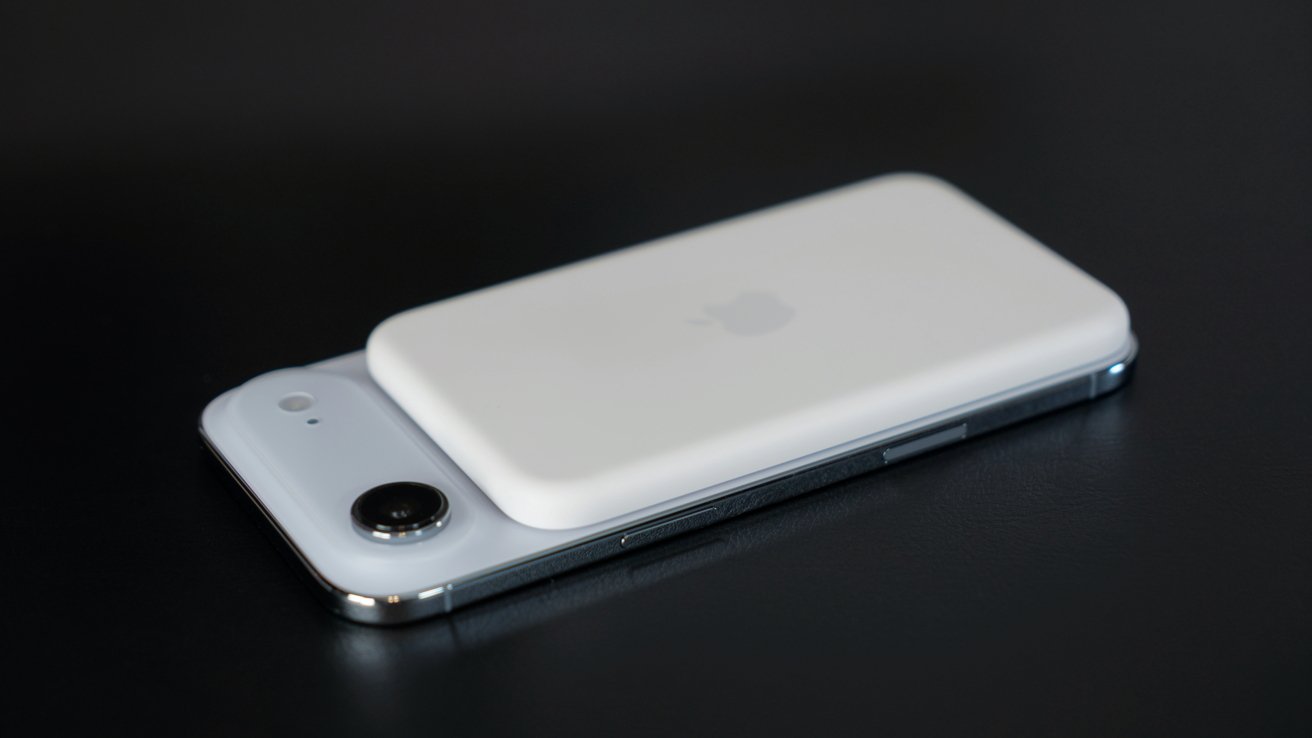
iPhone Air review: an exclusive MagSafe Battery adds plenty charge if needed
It's a smart answer to the problem, and one that is interesting in its own right. For a start, Apple has the same battery in the MagSafe version than in the iPhone Air itself, yet it only extends battery life to a total of 40 hours.
There's also the oddity of the physical design, too. For it to match the thin iPhone Air, the MagSafe Battery version has to be thinner and longer than its predecessor.
However, we have also found that the new design is a little too big to fit properly onto other iPhone models. Cameras and camera bumps get in the way.
The bespoke MagSafe battery is, in theory, a great addition to the iPhone Air. It slips into a pocket without a thought and slaps onto the iPhone Air without adding much bulk when that 20% warning finally came in.
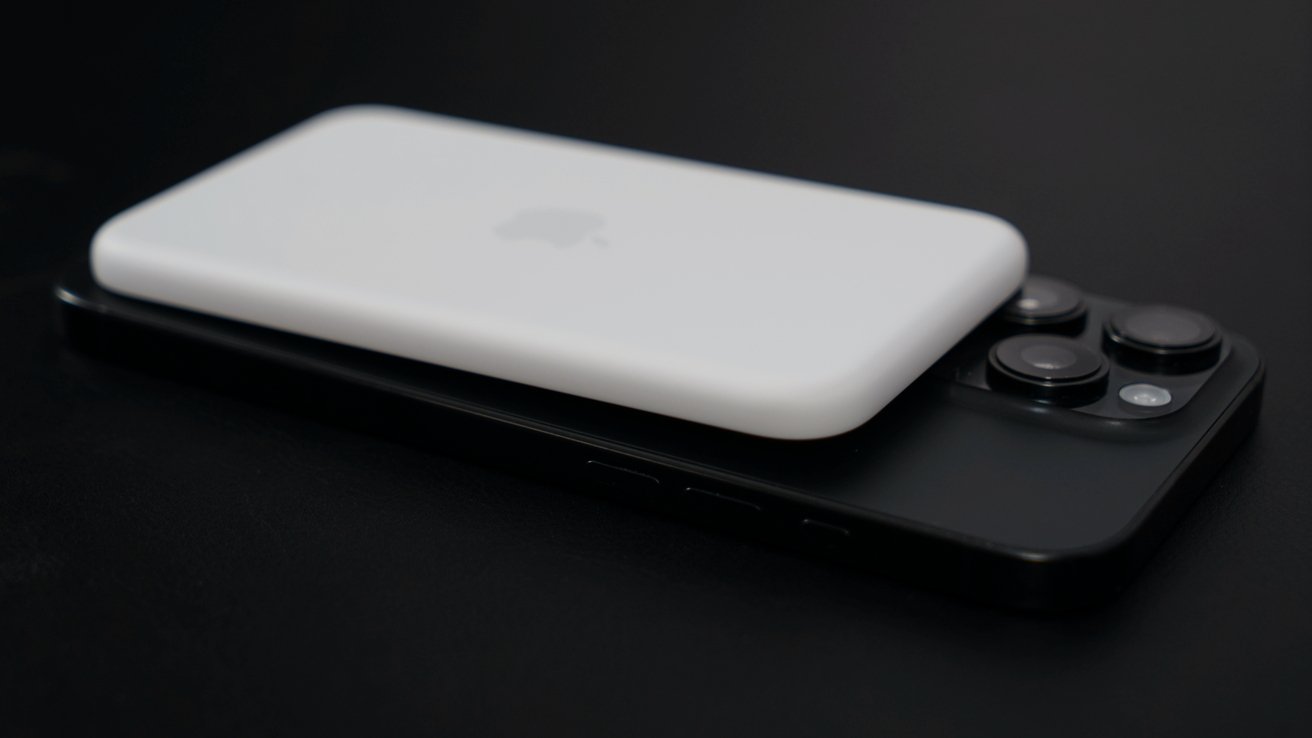
iPhone Air review: the exclusive MagSafe Battery doesn't fit other iPhones
Apple is certainly doing its bit by marketing the battery pack as for the iPhone Air specifically. But it could just have easily said that a slightly thicker and overall smaller battery pack that could fit onto more models.
That said, there are likely better third-party alternatives that are also more universal.
There's the question whether the iPhone Air had to be so thin in the first place, and whether sparing a millimeter could've added hours of power. But then, they couldn't say it's the thinnest ever.
iPhone Air review: A slimline wonder
2025 is a strong year for iPhone redesigns. The iPhone 17 was more of a functional glow-up but the iPhone 17 Pro was a considerable shift.
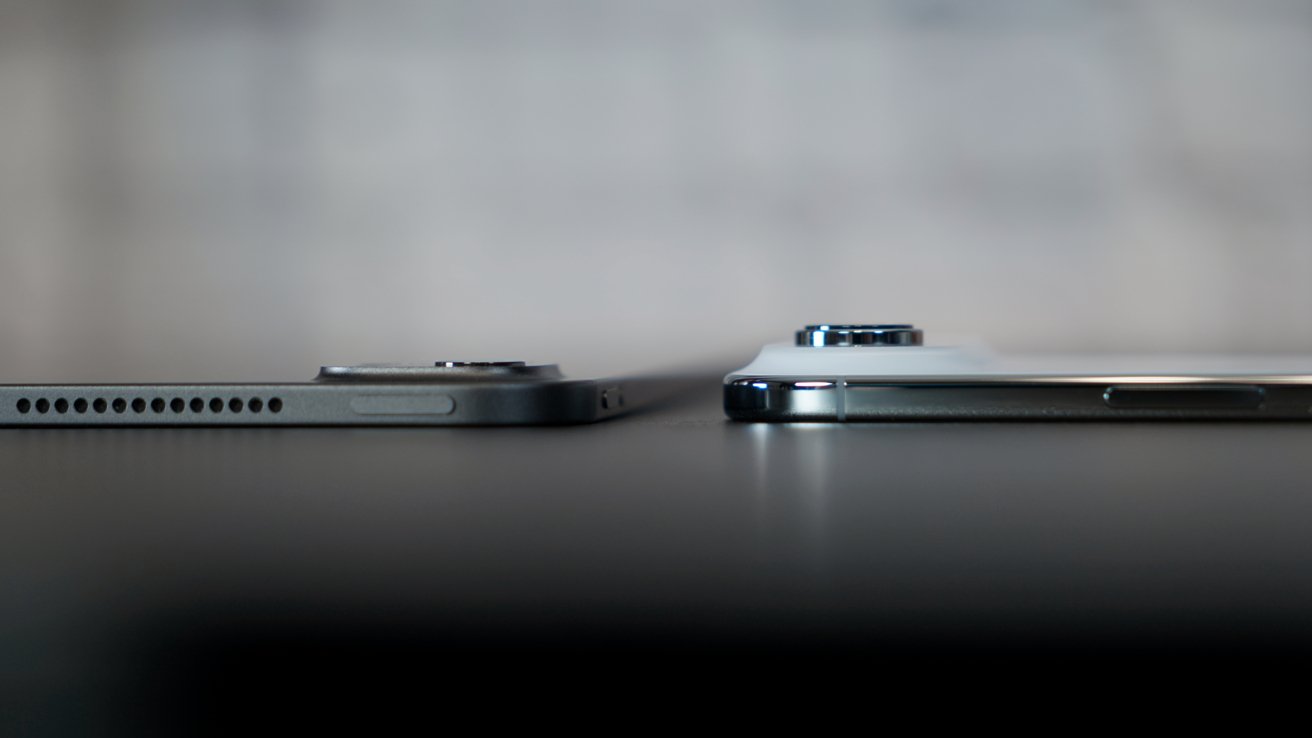
iPhone Air review: Apple's thinnest iPhone, but not thinnest product
In between the two is something completely different.
Sure, it's using the A19 Pro, but it's a hamstrung version that doesn't have the thermal management bonus of the Pro models. It's a bigger smartphone, but the physical properties means it has a smaller battery when usually the screen size would mean one that lasts hours longer.
The camera certainly is a compromise between the tiers, as it has even fewer than the standard iPhone 17.
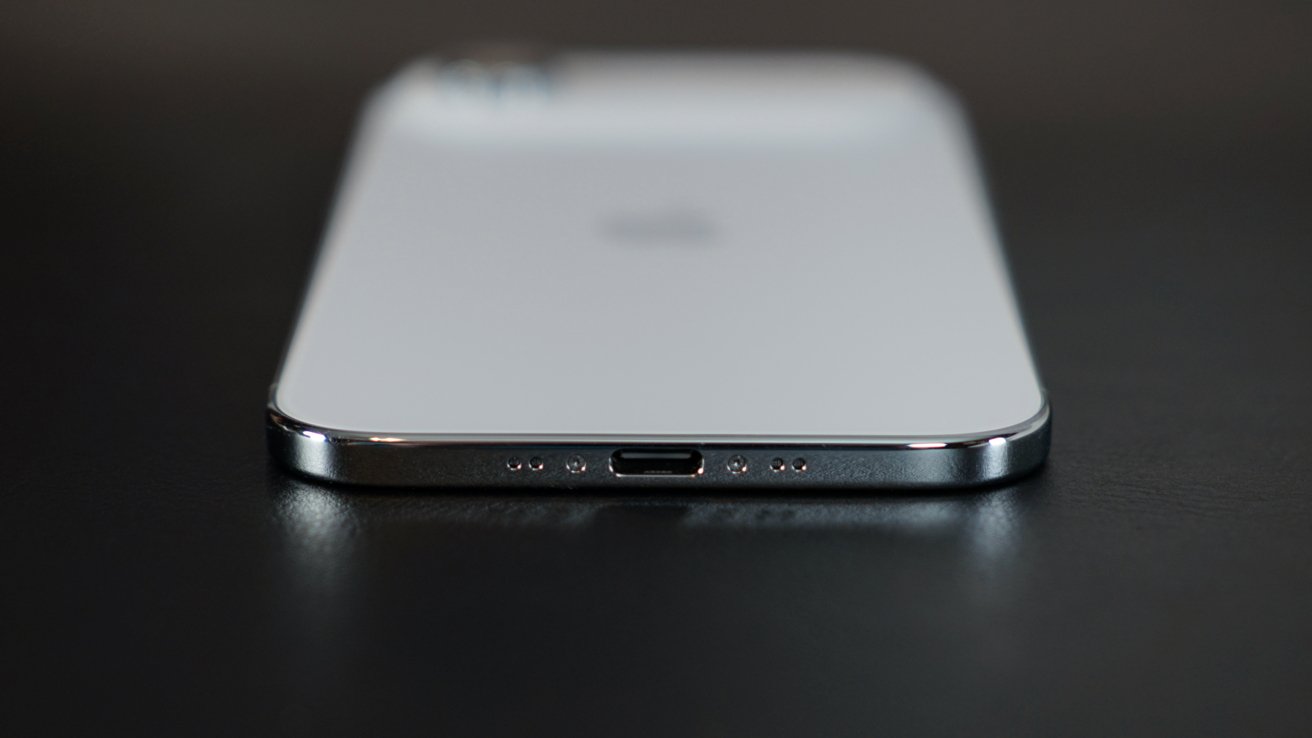
iPhone Air review: no bottom speaker & USB 2.0
The iPhone Air isn't a bridge between tiers, but a third way. It's Apple deciding to proceed with a new form factor of smartphone, and it's baby steps in that direction.
As a smartphone, there's a lot to like about the styling and what Apple is trying to do here. It's more exciting to think about where this could head.
The iPhone Air is a good smartphone in its own right, and those wanting one without caring about performance or cameras will be fine with it. But for consumers wanting more, they may find what they want with either an upgrade to Pro or a downgrade to the non-Pro.
iPhone Air review: a day in Asheville, North Carolina
So, I knew that the iPhone Air wouldn't necessarily be a Pro device. Fortunately, we have not-Pros adjacent to us.
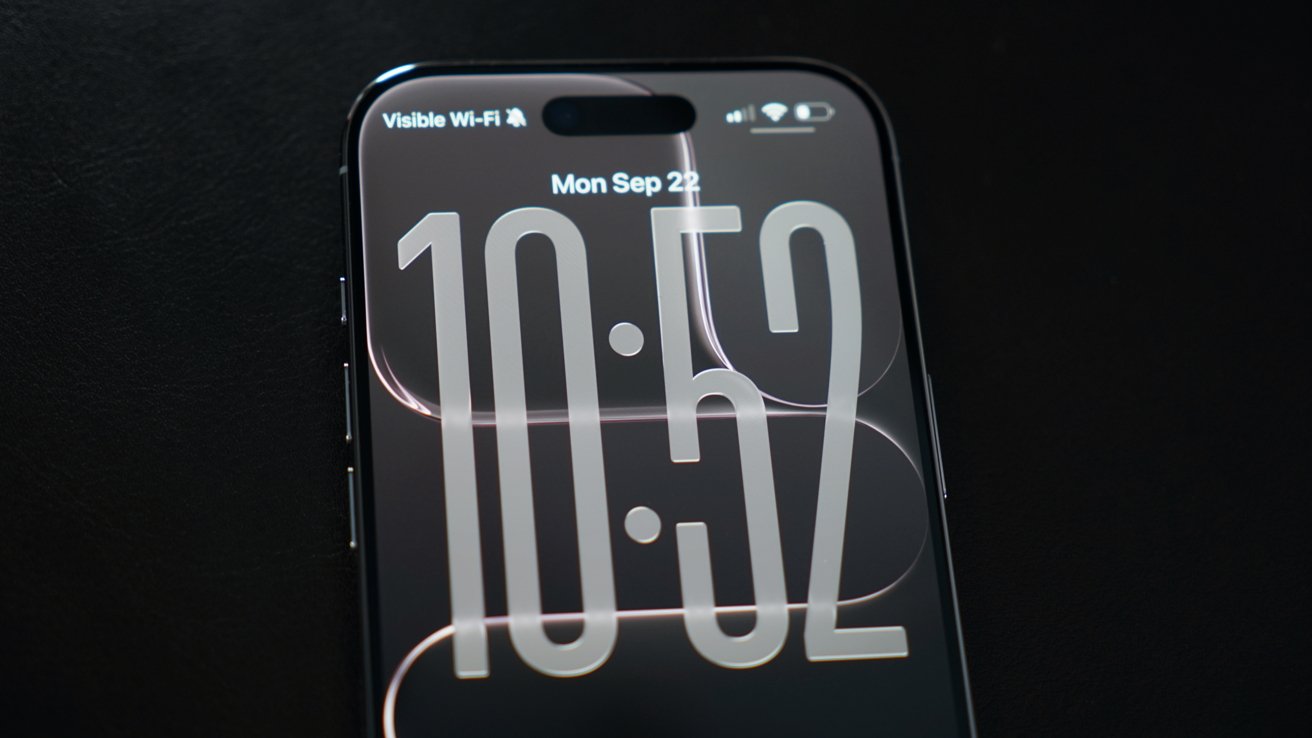
iPhone Air review: Dynamic Island is still great
Wes Hilliard's fiancee Natalie is what you'd call the average not-Pro iPhone user and is upgrading from an iPhone 15. She isn't stress testing the limits of the processor or battery, but she's getting a lot of everyday use from her device.
While she and Wes haven't yet had a chance to test other new-for-her aspects, like Apple Intelligence, just yet, a weekend trip to Asheville helped them interact with these new devices in the wild. Asheville is a beautiful city nestled in the mountains of North Carolina and it provided plenty of opportunity for cellular signal, battery, and photography testing.
She quite likes the larger display and light weight. She's experimenting with reversible Photographic Styles, and interested in the new selfie camera. These are all tasks that are mostly trivial for the iPhone Air.
While they walked around Asheville, there was never a problem with the device's performance in any respect. The cellular signal, provided by an eSIM via Visible, never stumbled, even when sharing photos with the family group chat.
She did say that she's confused about Camera Control, but is happy that it opens the Camera app. We immediately turned off every other function beyond swipe to zoom.
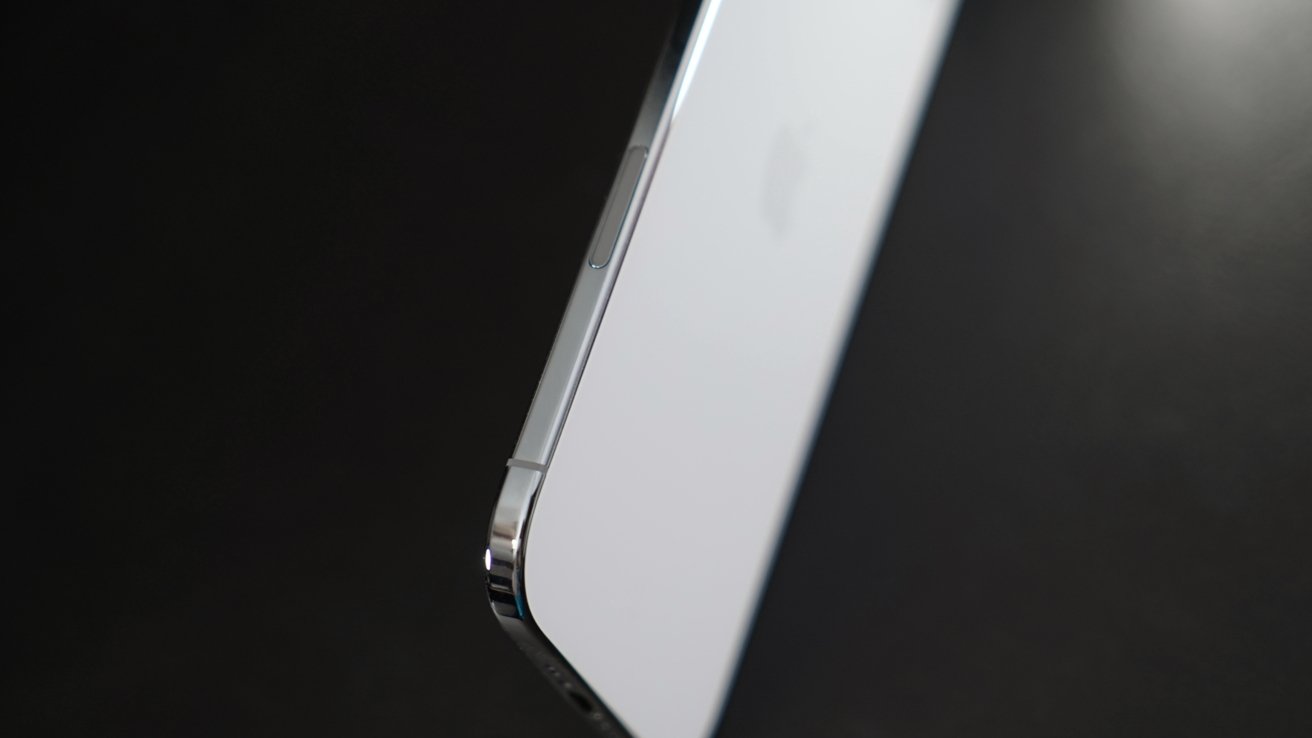
iPhone Air review: Camera Control is still fiddly
Otherwise, there's not much to note about her experience with the device so far. She says the battery seems fine, no different even than her iPhone 15, and she's not taken much notice of the always-on display beyond it being an interesting function.
The phone advertises itself, which is exactly how Apple wants it. They caught the eye of many a tourist in Asheville, family members at home, and staff at various businesses visited just having the phone out and in use.
Everyone asked the same thing, "is that the new iPhone Air?," "Is it any good?," and "Is it worth the price?" when they noticed the device. If there's one thing Apple did, and did well, with iPhone Air, is it is the perfect billboard for Apple to advertise its continued innovation that'll be in millions of pockets.
Overall, her impressions of the device are positive. It is tough to recommend the iPhone 17 when the nearly identical iPhone 16 exists, so they — and I — tell people if they can afford it, the iPhone Air is the way to go unless you know you want an iPhone 17 Pro.
iPhone Air review: Half of a future Pro
For the first time in ages, we were loaned a mainstream iPhone for early review. It was not the iPhone Air, and we weren't allowed to publish when everybody else did — but those early reviews give us some interesting context before we do ours.
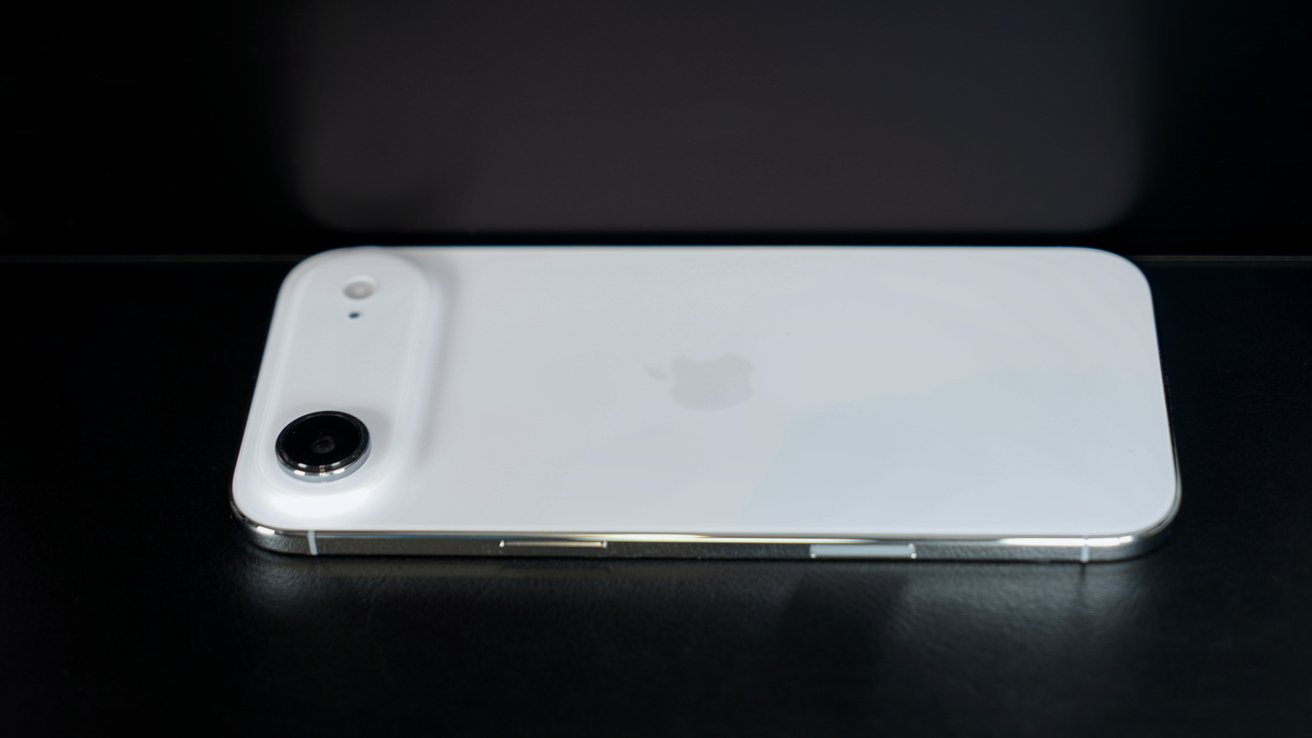
iPhone Air review: halfway to iPhone Fold
There was a lot of discussion, particularly in the mainstream media publications who remain mostly clueless about things Apple, about how the iPhone Air lacked a clear home, or a target audience.
I disagree. It couldn't be more obvious.
There is an entire audience of folks that have money, but still don't want to spend $1300 for a good and fancy iPhone. Natalie is among them.
There is a larger contingent of people with money, who have to have the newest, the shiniest, iPhone possible, and they want to make absolutely sure that you know that they have it. This was demonstrated in Asheville walking around with the phone.
So, don't read too much into reports in September or October 2025 about low iPhone Air sales. The first 60 days or so are dominated by iPhone upgrade program sales, or early movers who generally buy the iPhone Pro lineup for that year.
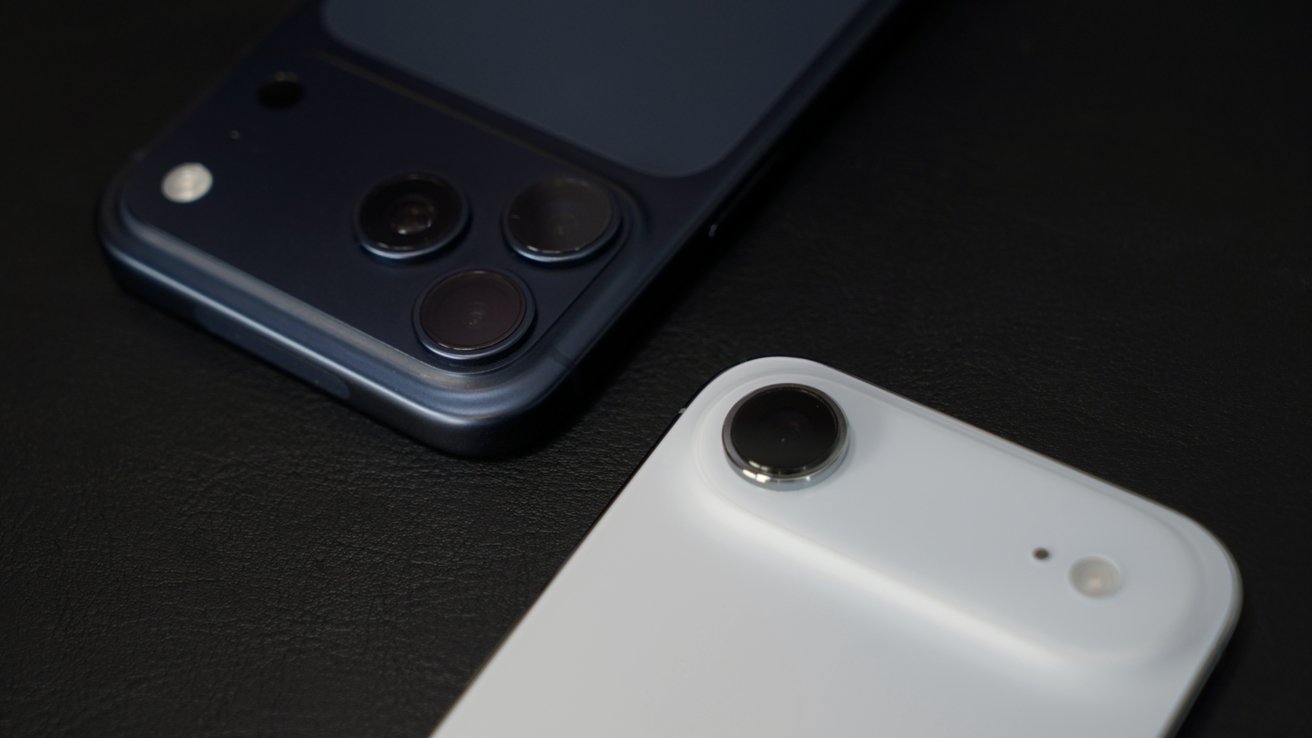
iPhone Air review: customers will struggle to pick between iPhone Air and iPhone Pro
This year doesn't appear to be an exception. The standard lag times between online order today and Fedex or UPS delivery some day that is not tomorrow is about the same, if not a bit longer than in 2024.
The iPhone 17 will take the sales crown, maybe, in January or February, like the non-Pro line always does. New to that mix is the iPhone Air.
I'm predicting that when holiday sales kick in, in early November, and then again in early December, the iPhone Air will take some of that crown. It won't take it all, but it will be clear that it has.
The iPhone X, so many years ago now, was a preview of what the next generation of iPhone design was going to look like. This is another preview year.
If you want a preview of the iPhone Fold, it couldn't be more obvious that Apple is using the iPhone Air as a test bed for technologies that will lead to an iPhone Fold in 2026, or whenever the rumor mill says by the time you read this that it will deliver.
iPhone Air review: Pros
- Thinnest ever iPhone with an excellent balance
- Battery life isn't as bad as everybody thought it might be
- Excellent screen, with a "pro" processor
iPhone Air review: Cons
- One speaker
- Phone of compromises
Rating: 4 out of 5
It's interesting writing a review and scoring a mainstream product for AppleInsider. We know what the prosumer wants, as our readership is packed with them.
The mainstream stuff gets a wider audience than, say, a 10-drive hard drive RAID review or a Thunderbolt dock does. It's a balance-beam between Pro and not-Pro.
The iPhone Air isn't on the Pro side of the beam, and therefore most AppleInsider regulars, for what it delivers. It's sold at Pro prices.
Apple has already seeded the device to Hollywood and other super-visible creators and influencers. By doing so, Apple will make sure as best as it can that it will become the must-buy for a large segment of the wealthier iPhone buying audience.
The Pro market will be mostly unaffected, and nonplussed by an otherwise excellent phone. And like I said, that's exactly how Apple wants it.
Where to buy Apple's iPhone Air at a discount
Deals on Apple's iPhone Air are in effect today that offer up to $1,000 in bill credits. You can jump straight to the best offers below:
- T-Mobile: Get an iPhone Air on T-Mobile with no trade-in required*.
- AT&T: Get up to $830 in bill credits with a qualifying trade and plan*.
- Verizon: Get up to $1,000 off with a new line and unlimited plan*. *See site for terms and conditions pertaining to the offer.