Apple's initial plan for smart glasses is to take on just about every eyewear manufacturer, smart and not, with design and just a little bit of iPhone integration.
The whole Apple Glass endeavor has focused mainly on the still-far-off augmented reality smart glasses. However, with a second version without AR expected to arrive in 2026 or 2027, Apple is trying to break into the wider glasses market.
According to Mark Gurman in Sunday's "Power On" newsletter for Bloomberg, Apple isn't going to try and attract just those who want smart glasses. It's instead attempting to take on the overall glasses market.
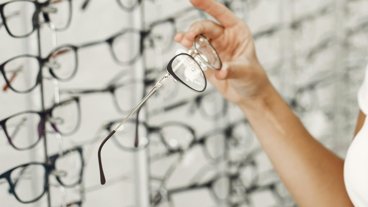
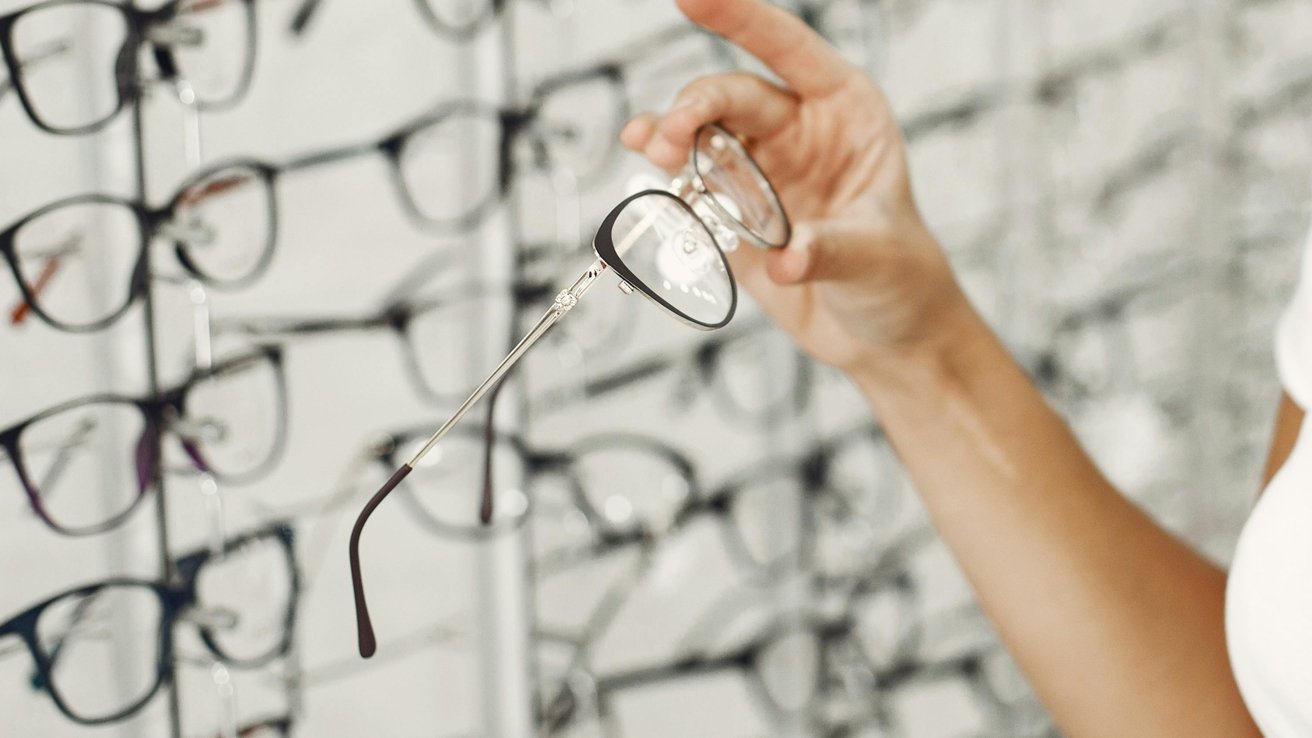
This involves competing against glasses made by EssilorLuxottica SA, which produces Ray-Ban, Oakley, Persol, and other fashion glasses. There's also Safilo Group who make Tommy Holfiger and Hugo Boss glasses, and Warby Parker.
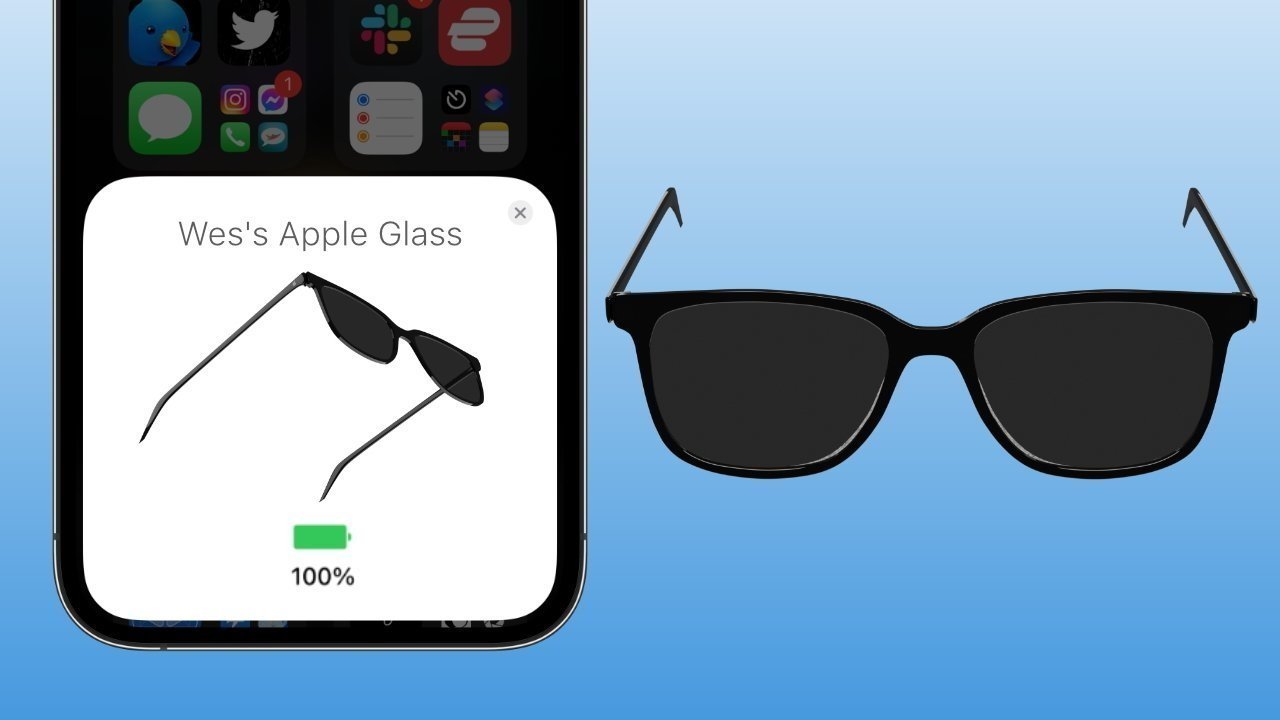
Apple's smart glasses should connect to iPhones
The field in Apple's sights is the $200 to $500 segment, making it a mainstream play. However, there's no guarantee that Apple will stick to that price range.
It's a lucrative market to enter, too, with the eyewear market valued at around $200 billion per year, with hundreds of millions of spectacles sold annually.
To compete, Gurman was told that Apple will sell based on its strong brand, as well as its design pedigree. An integration with the iPhone will also be a big feature, which the company feels will drive sales from people replacing their glasses.
Echoes of Apple Watch
The approach may be familiar to those who watched the initial launch of the Apple Watch. Like glasses, the Apple Watch was entering a brand new field, and was aiming to take a chunk out of the market.
Just like the spectacles approach, Apple aimed to do so beyond providing just a smart watch. Apple counted on its own brand as well as the massive popularity of the iPhone to drive the Apple Watch forward.
It was also an approach that relied on Apple's design teams to come up with an approachable timepiece. It also created a smart watch that went after the more mainstream end of the market, costing consumers a few hundred dollars to acquire.
However, Apple may have learned one lesson from the Apple Watch that it won't be applying to the glasses.
The original Apple Watch also included a gold version, a high-priced model aimed at being high fashion. It was later replaced by a ceramic model, which later got axed.
While Apple will be using Apple Intelligence features from the connection to the iPhone, as well as its smart design, it won't be going after the high-fashion glasses brands this time around.