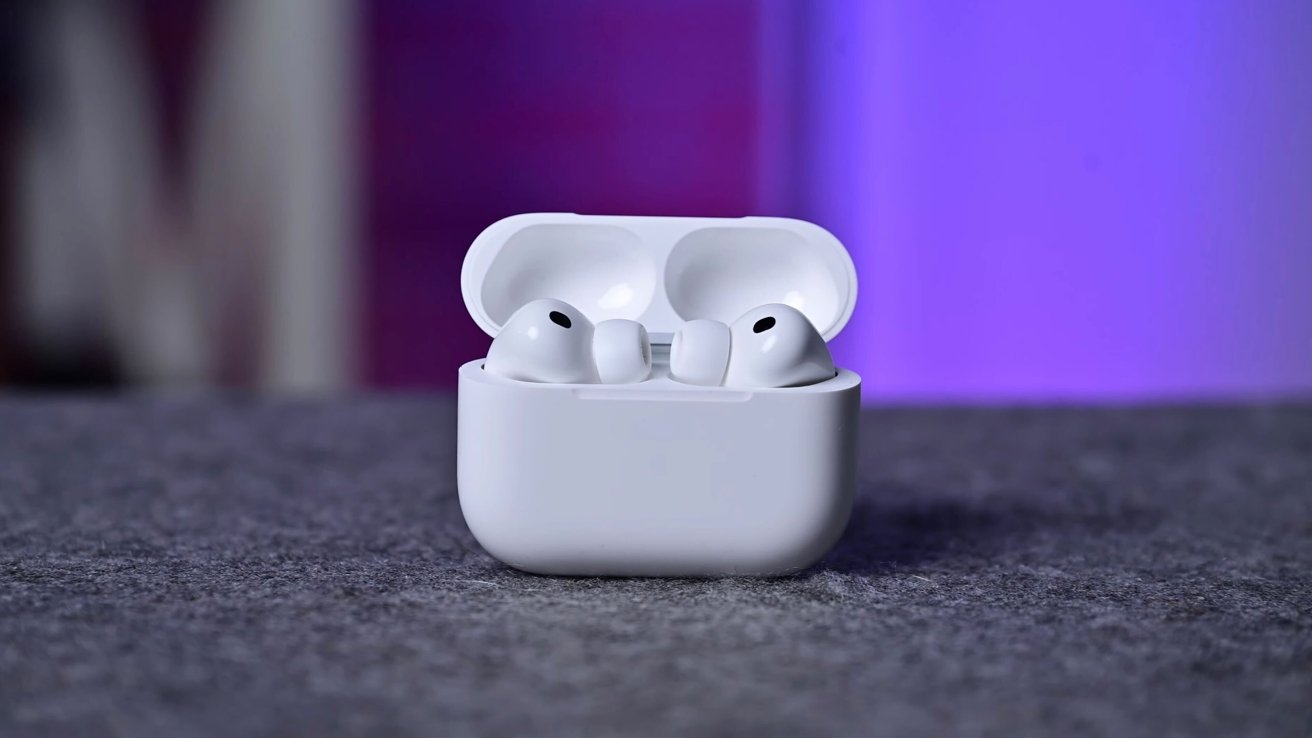
Apple dodged part of a class-action lawsuit accusing it of hiding sound issues in the first AirPods Pro, but the fight over crackling audio isn't over yet.
On October 29, U.S. District Judge Noel Wise in San Jose agreed with Apple on some claims and threw out others. The judge said the people suing didn't give enough detail to back up certain parts of their case.
Judge Wise dropped the claim that Apple made unfair profits but let the rest of the case move forward. Customers can still argue that Apple kept quiet about sound issues in the first AirPods Pro.
It's an early but important win for Apple, which has said all along that the lawsuit has no real basis, as reported by Reuters. The case is Lindsey LaBella et al v. Apple Inc, U.S. District Court, Northern District of California, No. 5:24-cv-07588-NW.
Defect or design choice?
The lawsuit says that AirPods Pro models sold between 2019 and 2022 had a defect that caused crackling sounds, static, or background noise. Nine people from seven states filed the complaint.
They claim Apple overstated how well the $249 earbuds blocked outside noise and kept selling them even after learning about the problem. In October 2020, Apple started a repair program offering free replacements for affected pairs.
The people suing say that wasn't enough and that Apple should have warned buyers about the issue instead of quietly replacing the defective units.
Judge Wise dismissed the claims that Apple broke national consumer protection laws. But the court said Apple might still have left out important details about sound problems.
Apple's lawyers, from Morrison & Foerster, argued that companies only have to reveal defects if they create a safety risk. They also said the people suing didn't show that the AirPods problem was dangerous or happened while the products were under warranty.
Apple said it didn't have to warn customers about non-safety defects. Two of the plaintiffs already got free replacements through Apple's service program, which the company pointed to as proof it handled the problem responsibly.
Consumer reaction
The plaintiffs' lawyers called the decision a partial win. They said the judge's ruling mostly rejected Apple's attempt to shut down what they called an "important case" about serious audio issues in early AirPods Pro.
Their legal team includes Andrea Gold and Annick Persinger from Tycko & Zavareei, and Patrick Brickman and Frank Bartela from Dworken & Bernstein.
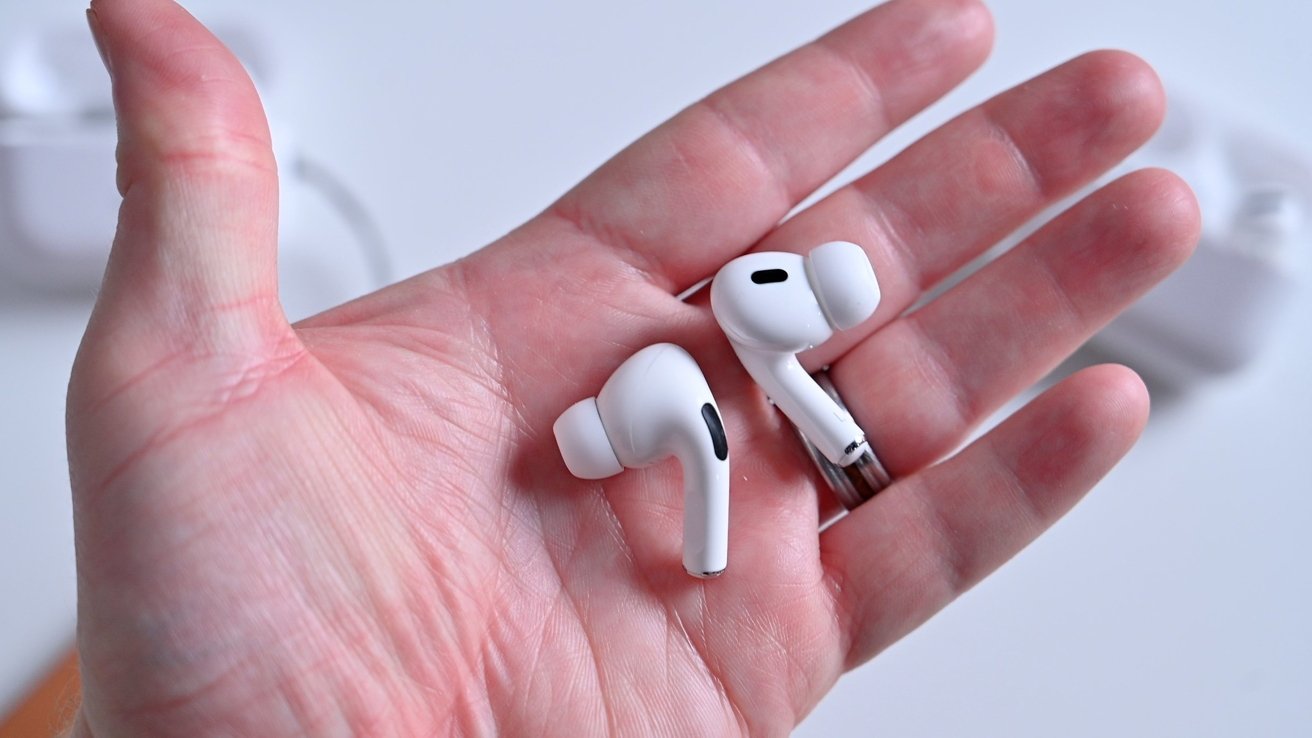
The lawsuit claims that AirPods Pro models sold between 2019 and 2022 had a defect
The group now has 21 days to update their lawsuit with more details about how Apple may have misled customers.
What's next
The case isn't over yet. The judge's decision means consumers can keep arguing that Apple failed to tell them about known problems.
But to move forward, they'll have to make their claims more specific. If they can show that Apple knew about widespread defects and kept that quiet, the case could move to the discovery phase.
That stage would make Apple share internal documents about how the AirPods were designed and tested. For now, Apple has avoided the larger nationwide claims that could have meant bigger penalties.