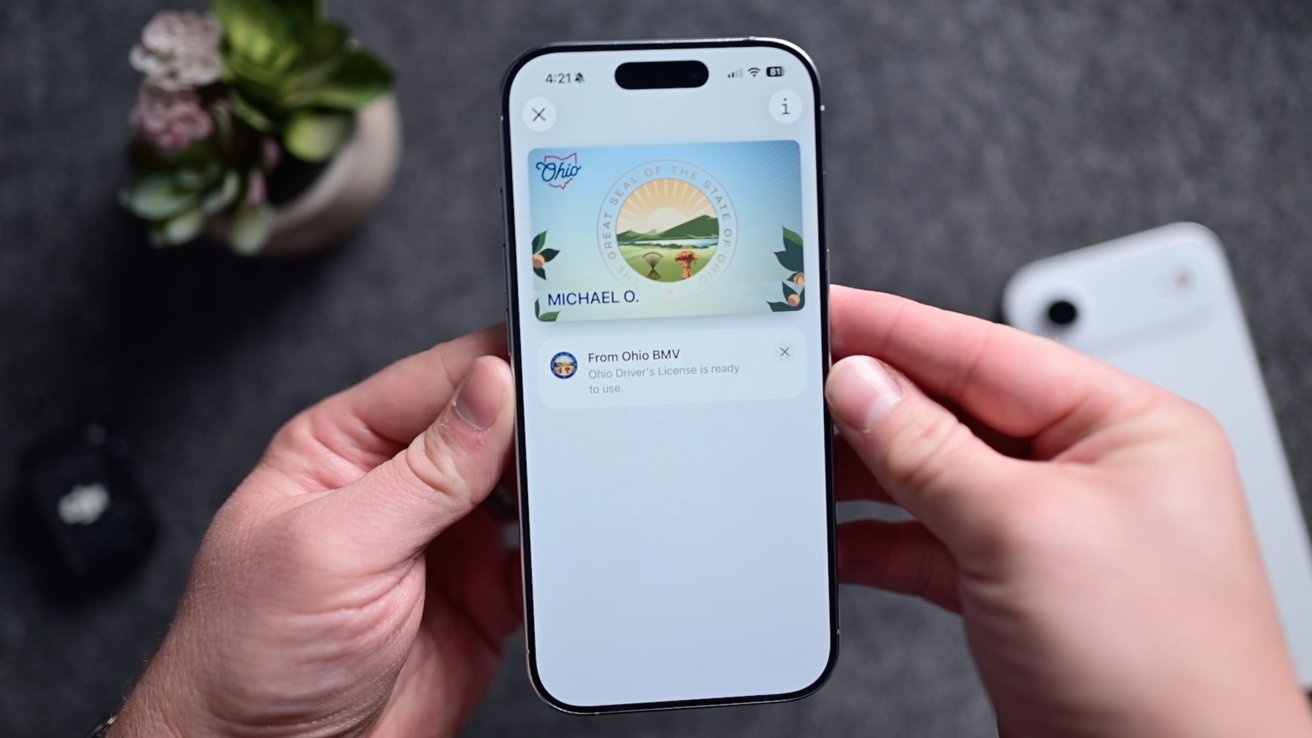
Fears about Apple's Digital ID are afraid of a boogeyman that the iPhone can't unleash, and concerns about governmental tracking or over-reach because of it are best pointed at other avenues that actually exist.
Critics focus on sweeping threats that sound dramatic but don't match the system inside the Apple Wallet Digital ID feature.
Some advocates warn that digital credentials could reveal where a person travels or when they present an ID. Many fears connect to surveillance practices that already exist through public cameras, automated license plate readers, and other systems that track movement without consent.
The government already knows who you are due to Social Security Numbers, driver's licenses, tax information, and so much more. We have two veterans on staff whose entire military histories and identifying information have been stolen several times over because of an inattentive government.
Cell carriers know exactly where you are based on your cellphone. Supermarkets track you with loyalty cards, and there have been dozens of breaches of those systems.
Identification info securely uploaded into digital services designed as such, aren't going to introduce new forms of surveillance.
Why online identity fears are being attached to the wrong system
Apple's model doesn't include the structure needed for monitoring or remote server verification. Credentials stay on the device, and usage isn't reported to any issuing authority.
Apple Wallet's design restricts hidden data collection by only releasing approved fields. These fields are transmitted through encrypted channels to authorized readers.
Apple does sync credentials across devices but it uses end-to-end encryption. As the company's saying goes, not even Apple knows what's in your ID, or when or where your ID is used.
A separate group of critics focus on digital identity systems that expanded into online age checks or added new requirements for accessing websites. Some states already require age verification for certain content. Rules like that shaped the broader debate about digital credentials.
There is the belief that digital ID systems will eventually be part of online verification. However, Apple's version at present doesn't support this shift.
The iPhone only shares information after the user reviews and confirms the request. It doesn't communicate with outside parties before, during, or after the interaction.
If any of that changes, we'll talk about it.
What Apple's system actually does
Apple stores digital passports and driver's licenses in a secure area of the device backed by the Secure Enclave. The Secure Enclave runs its own microkernel and protects sensitive data with cryptographic keys that never leave the chip, which keeps that information isolated from the rest of the system.
The credential also syncs through iCloud using end-to-end encryption, so the data stays sealed inside the user's account and isn't readable by Apple or the issuing authority.
When a user shows their digital ID in Apple Wallet, a secure connection is established. The reader asks for specific details like name, date of birth, or photo.
The phone displays these fields, and the user must approve them with Face ID or Touch ID. Only the approved information is shared through an encrypted channel, keeping the device with the user.
Your iPhone doesn't need to be handed over during verification, and nothing else on the device becomes visible to the electronic reader required to verify digital IDs. The interaction stays contained and can't expand beyond what the user approves, just like how Apple Pay works.
There's a reason why this is all in Wallet.
The real-world gaps are not about surveillance
States still determine how digital driver's licenses are issued, and their policies differ in important ways. That variation creates practical questions about procedure rather than monitoring.
Law enforcement agencies also update equipment slowly, and many departments can't read digital IDs yet. Details like these shape how identity checks unfold because officers need clear guidance, consistent training, and the capital investment in readers.
Several warnings depend on assumptions that don't match Apple's technical choices. Logs aren't created, and no external database can track credential usage.
Identity checks can't move into new environments without approval from both the user and the issuing authority. The device lacks any pathway for silent communication, which blocks the scenarios critics describe.
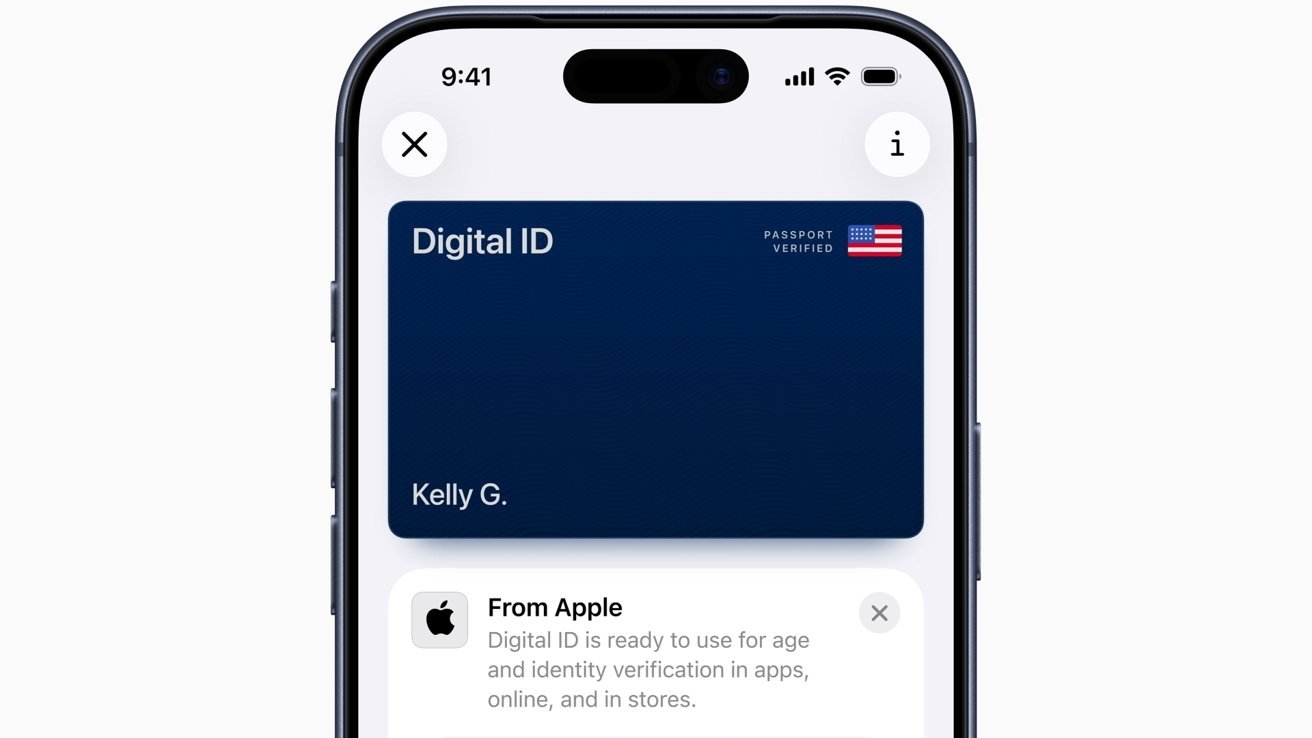
Apple Digital ID. Image Credit: Apple
Fears circulating in the current debate repeat concerns from programs that follow very different rules. Apple's model closes off the vectors that produced those concerns, and the differences between systems matter.
Where the discussion should go next
Digital identity raises important questions that deserve steady attention. People need clear protections, and agencies need predictable rules.
The current debate has blurred key differences between unrelated systems, which has amplified the risks assigned to Apple's version.
Understanding the distinctions allows for a clearer conversation. Explaining these limits accurately helps everyone see the feature's capabilities and limitations.