
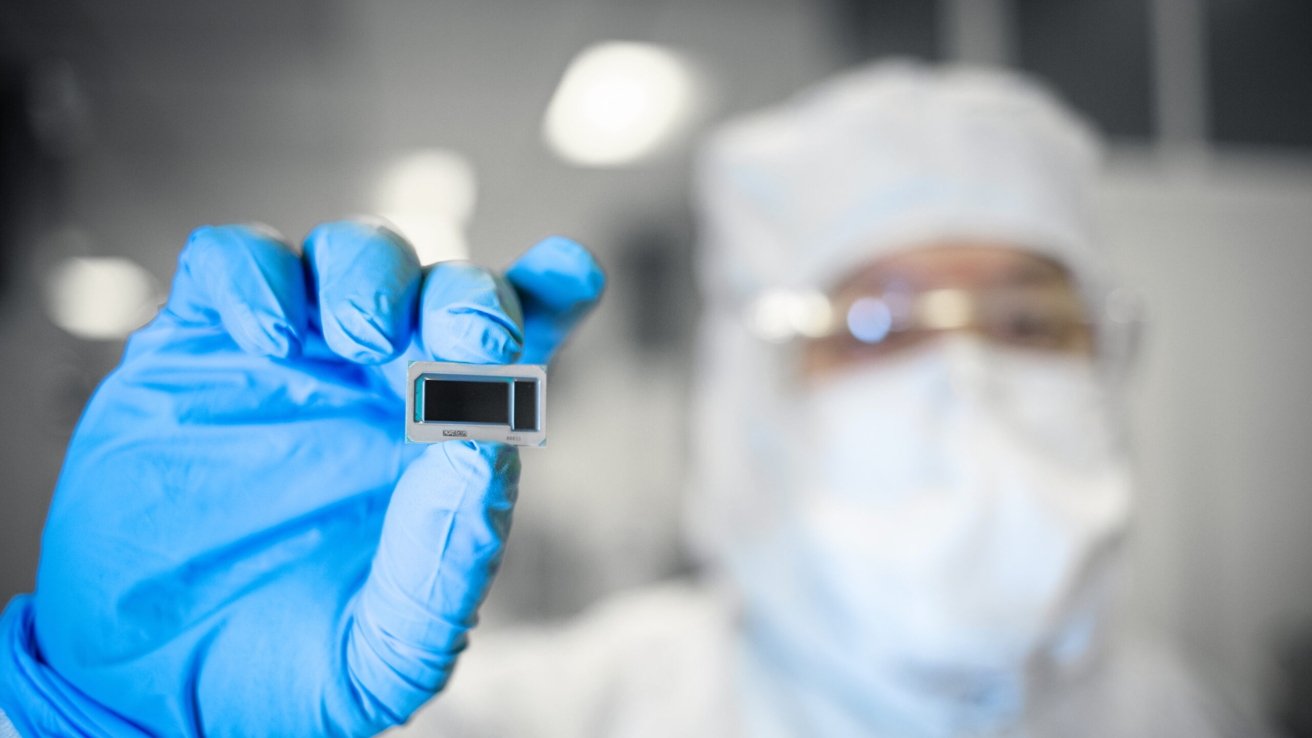
The lower-end M7 Apple Silicon chip could be made in the United States as soon as 2027, but this isn't the first time we've heard that this could happen.
Until now, all M-series chips used in Macs and iPads have been built by TSMC at its factories in China and elsewhere. But a new report by supply chain analyst Ming-Chi Kuo suggests things are about to change.
If Kuo is correct, Apple will have TSMC build its entry-level M-series chips at its U.S.-based factories from 2027. The rest of Apple's chips will continue to be provided by TSMC.
Writing in a lengthy post on X, Kuo says that Apple has already signed an NDA with Intel regarding its manufacturing technologies and their suitability for M-series production.
The report goes on to say that simulation and research projects have so far proven successfull. Apple is now reportedly waiting for Intel to get its technological ducks in a row with an eye towards using its 18AP node around the middle of 2027.
With this in mind, it's likely that Intel-built M7 chips could be used in iPads and MacBooks in about two years. Kuo's report discusses the lower-end of the line, so Pro and Max chips will likely stay with TSMC.
The new chips will continue to be be based on ARM, just as all M-series chips have been since their introduction. While Intel will be producing them, these chips will not use the same x86 architecture that Apple famously ditched in 2020.
Rumors about Intel considering the manufacture of Apple Silicon have persisted for three years. Friday's post is the most tangible sign of any progress — but a lot is still up in the air.
Intel's Trump card
As for why Apple would want to bring Intel back into its supply chain after spending years trying to do the opposite, Kuo suggests there are two key reasons.
The first is a continued effort by Apple to diversify its supply chain. It's sought to avoid a heavy reliance on single companies and Chinese factories in particular since the COVID 19 pandemic caused mayhem in its supply chain.
Adding Intel as a source of Mac and iPad chips would no doubt continue those diversification efforts. But there's another aspect to consider.
Kuo believes that Apple sees using Intel's U.S.-based factories as a way to appease United States President Donald Trump. Trump has long sought to push companies to bring manufacturing back to the States, something Apple has struggled to do.
Appeasing Trump could be seen as a way to achieve preferential treatment, especially at a time when tariffs continue to cause economic uncertainty around global manufacturing.