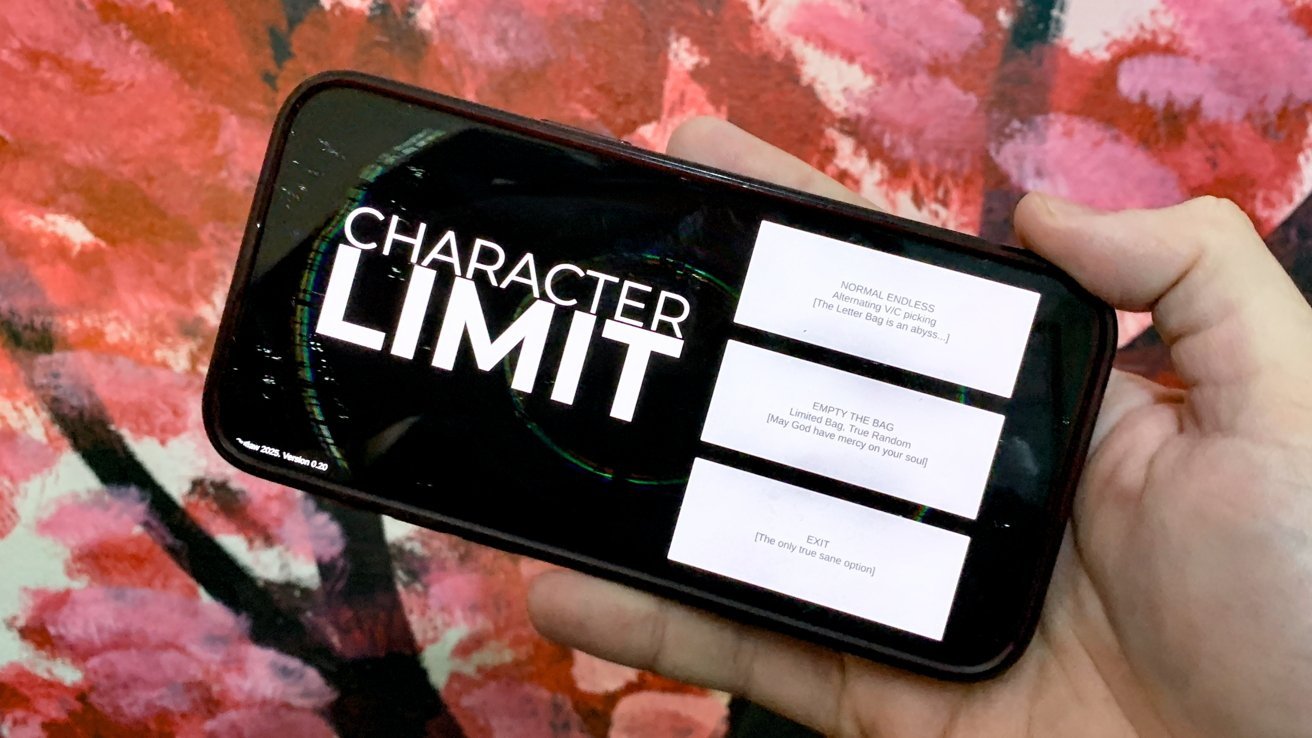
After wrestling with Welsh for my iPhone game "Character Limit," there were two changes of pace in the last month. Both in terms of the work being carried out and when the game will actually ship.
It's fair to say that, in my last development log, my implementation of Welsh was not one that was kind to the development schedule. Retrofitting multiple languages into a game that previously worked in one is hard, but necessary if I want to add more to the game.
Indeed, the work on Welsh has taken so long that, while it technically works almost like it did before, there are still small elements that need fixing. There's enough crossover with things I want to change and update that they can be rolled up as part of the same item on the whiteboard to-do list.
After that work, I needed to do something different on that project. At least, something to help keep me from going too insane.
Audio is hard, in different ways
Music and sound effects are an important part of modern-day gaming. The music is as important as the visuals when it comes to setting the tone, so choosing the right tracks for the game is imperative.
However, I lack both musical talent and I don't know of any friends who can whip up a track for me either. But I do have the next best thing.
Thanks to some foresight, I had made some Humble Bundle purchases for royalty-free music packs from various sources. According to the licenses, I could use practically any of them in the game and in marketing pieces, however I wanted.
I was drawn to my Ovani purchases, which covered quite a few genres, and with some uptempo items matching the style I wanted. A more aggressive, pressured word game than you'd typically expect, because of the ever-present limited amount of time.
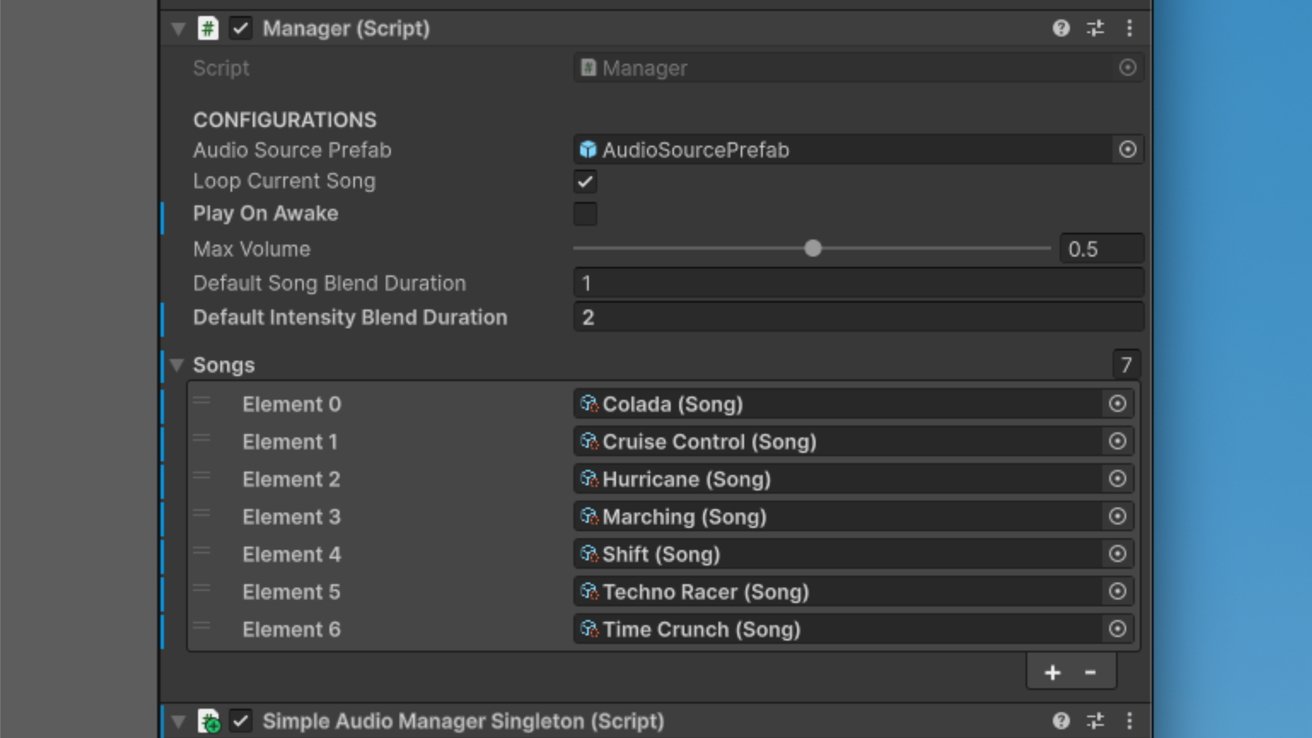
The game now has songs, which change in intensity depending on gameplay.
The firm also included a plug-in for game engines, including Unity, which provided an interesting utility. The tracks were provided in three different levels of intensity, and the plug-in allowed for the game to switch seamlessly between the three, depending on what was happening on-screen.
For the purposes of the game, that meant a base version for the main menu, a mid-tier intensity version of the same track for gameplay when you have a mostly empty rack, and a more intense version kicking in when the rack is mostly full.
Again, this is intended to increase the tension for the player, as well as alert them to the rack being more full than empty. The intensity reduces when the rack empties, and goes back to the base level if a game-over condition is reached.
With a couple of songs selected, we then had to consider sound effects. Foley is always an option, but if the sounds already exist somewhere else, you can use them if they are licenseable.
There are options out there, including paid plans with the likes of Epidemic Sound, but there are also some useful free ones out there.
For example, every year from 2015 until 2024, there was an archive of free sounds given away as part of the Game Developers Conference. They're free to download from Sonniss and are royalty-free and commercially usable.
However, you end up with a lot of audio to wade through. The entire ten-year archive weighs in at just under 250 gigabytes and contains at least eight different fart sounds.
A system was set up for some basic events that sounds would be played, such as tile or button taps, successful submissions, failed submissions, and if the game-over screen appears. Thanks to ChatGPT's coding suggestions, multiple variants of the same sound were used and selected at random, so you don't keep hearing the exact same tapping sound when you repeatedly enter a letter.
I'm not entirely convinced I have the right sounds in place, but they can always be changed and improved upon before release.
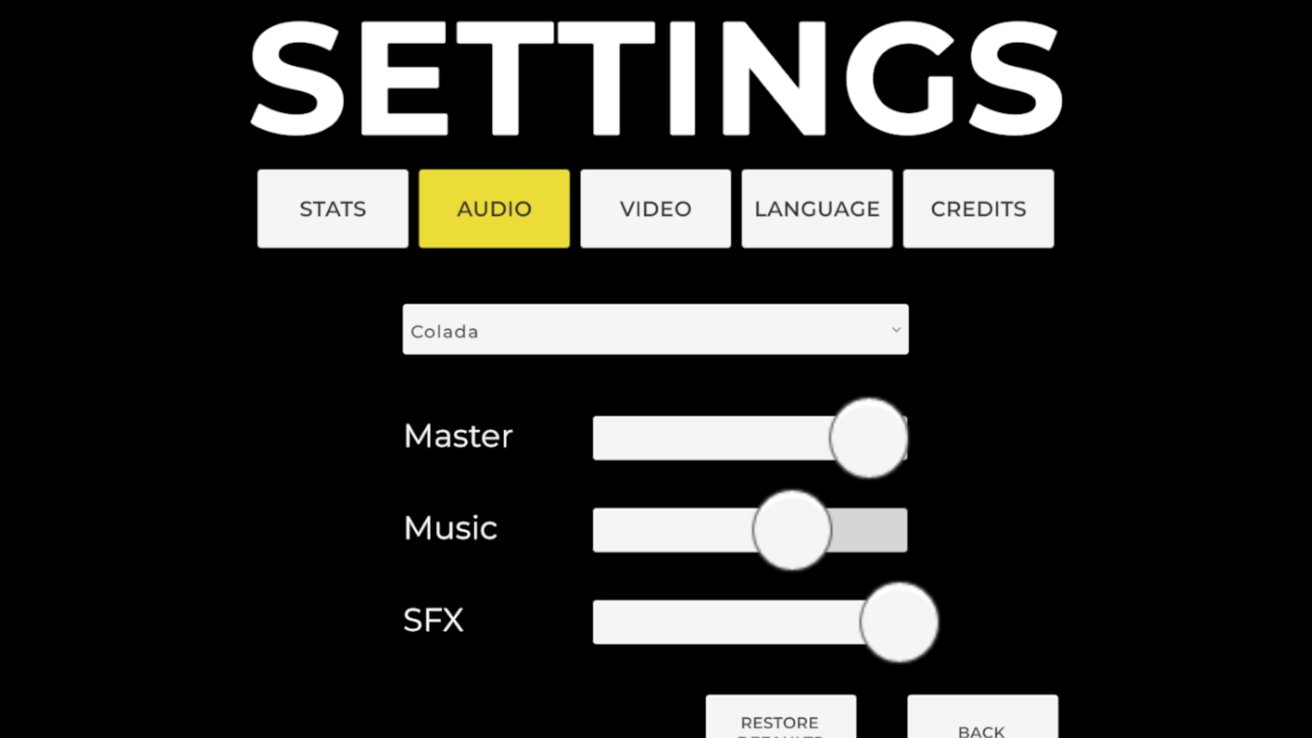
A first attempt at a settings menu, complete with volume sliders
As part of getting sounds working, I also set up a working Settings page in the menu. While before it would switch languages for gameplay, it also now has separate sliders for controlling sound effects and music.
With a more concrete audio background instead of plain music or silence, the game is in a much better place than it once was.
Forced delays and future planning
One thing that the battle over Welsh did was make me reevaluate whether the game was possible in the timeframe I had in mind. With time to breathe, there was a realization that there was not.
In the back of my mind, under the original English-only approach, I believed the game could be released before the end of 2025. Indeed, as part of the Steam page setup, I had to set a tentative non-public release date, which was for the end of December, just to allow the page to be publishable.
Under the old timeline, instead of reworking the game for Welsh, I would've been putting the game through testing and be a lot closer to finishing the project. An end-of-year release would actually be feasible. However, it probably wouldn't have been a successful one.
Unfortunately, the modern indie gaming landscape is not one where you can "build it and they will come." Instead, there has to be a ton of time spent promoting the game, building a community, and shouting about the game anywhere and everywhere to get everyone's attention.
Of course, if you have a sizable marketing budget, you can spend a few weeks promoting it everywhere and get some return from your development time. In this case, the budget is made up of sweat equity, or a tolerance to producing social media posts on every major platform.
I haven't really done that with Character Limit. If I had gone along with the original plan, there would have been a release, but with very minimal sales.
Admitting defeat to the initial timeline and pushing it back doesn't harm the game, aside from meaning it won't come out that quickly. It's not a public release schedule, after all.
What it does do is remove the self-created impossible deadline and accompanying stress, and open up more possibilities.
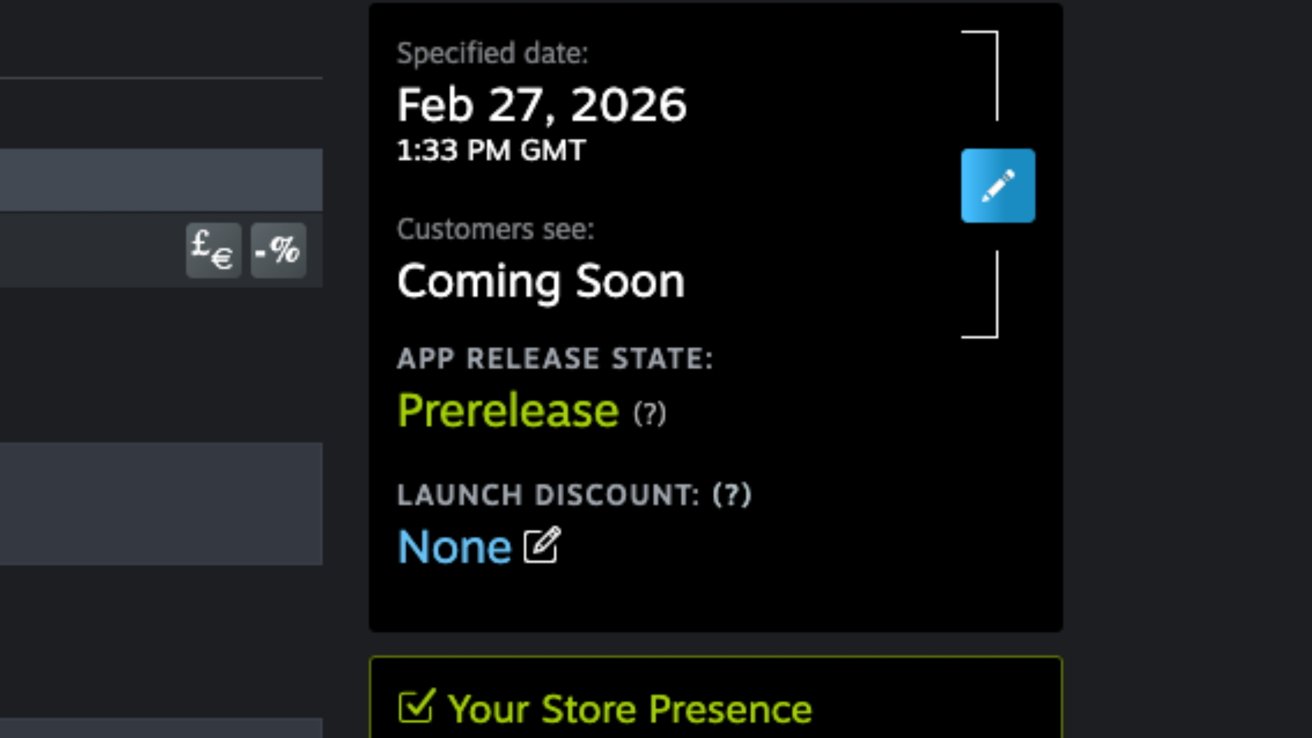
Mercifully, you can change release dates quite easily in Steam
I now have more time to make the game better, for example. I can now put that time in doing the social media song and dance to get people to wishlist the game on Steam, or to wait for the iPhone release.
It also means I can spend time actually testing the game properly with other people before the release. Squashing bugs so the launch goes smoothly.
This delay-centric view, and studying up on how indies market games, also gave me an opportunity to consider other ways to add "delays" that also benefit the release schedule.
The "fire and forget" technique isn't great for the long-term lifespan of a game. Ideally, there should be periodic updates and special events post-launch to keep players coming back.
I had come up with the idea of adding extra gameplay modes to give more of a challenge to players who will get bored with the base game. However, they could feasibly be introduced in the months that follow the release as part of a longer update-centric release schedule.
This also has the byproduct of allowing them to be implemented after the core game's release, meaning I don't have to rush to make them when I should be making the main game.
By being part of future updates, that's a marketing subject that can be built upon in the following months. If you also consider Welsh as being the core of multi-lingual support, adding other languages like French or Spanish can become their own marketing bargaining chips.
It's a "Live Service" approach to a largely single-player word game. It's a marketing-friendly approach.
The next tentative release window is in early February, at least in my head. The main reasoning being that St David's Day, the Welsh patron saint's day, is March 1, and that could be used to capitalize on the Welsh elements of the game.
If it slips again, it's not really a major issue at all. Steam Next Fest is around the corner, and could help promote the game even more.
Ultimately, allowing my self-imposed deadline to slip is a shame, but one that has opened up considerable beneficial opportunities for the game.
That, and it takes a fair bit of pressure and stress off my shoulders, so I can instead just focus on getting the game right in the first place.