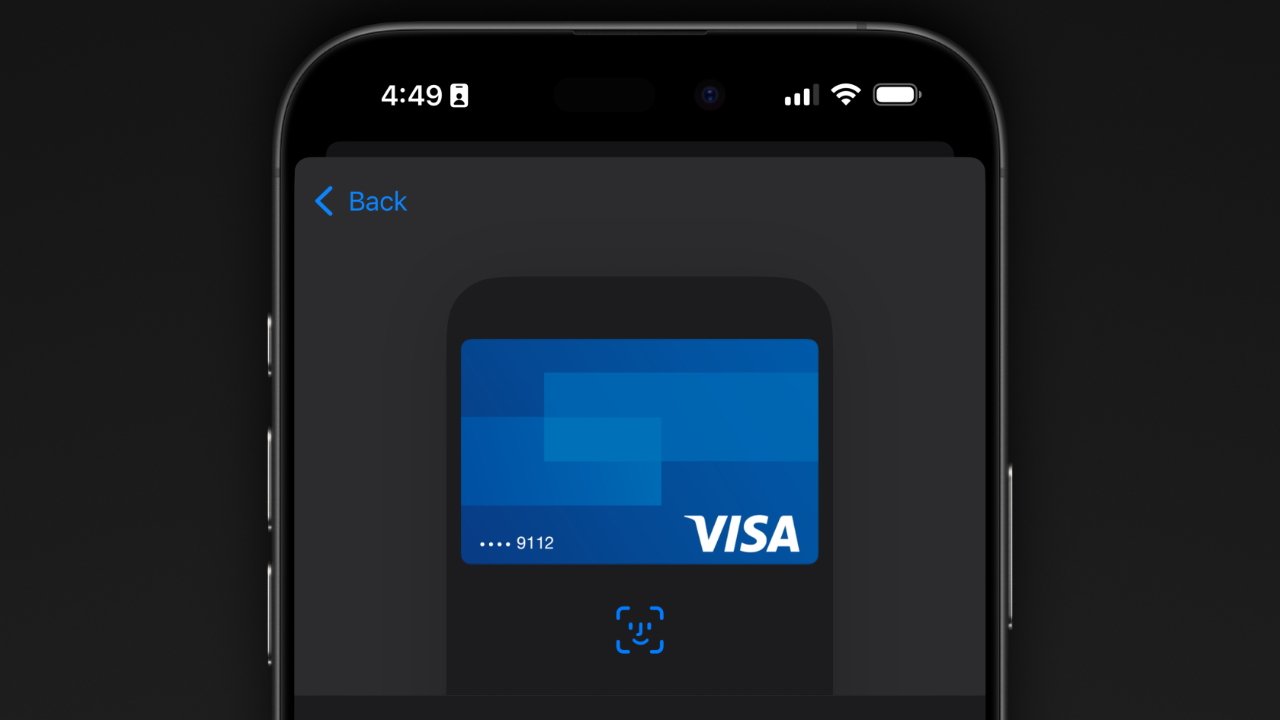
Apple is reportedly in talks to bring Apple Pay to India, though it's been trying since at least 2017.
Apple Pay was first announced for the US in 2014, and has been rolling out to other countries since. India has long been rumored to get it, but so far has not.
However, as first spotted by 91mobiles, that may change by the end of 2026. Reportedly, Apple is in discussions with Indian banks, local government regulators, and also Visa and Mastercard.
It's said to be negotiating fees with the card issuers, although there has been no official confirmation. Card payments alone are complex, as since 2022, Apple has not accepted credit or debit cards in India.
Instead, users of services such as the App Store or Apple Music in India have had to use what's called the Unified Payments Interface (UPI). This service is the dominant payment platform in India, and other firms must apply for a licence to integrate with it.
Reportedly, Apple will not do this at first, as the process of applying and integrating is particularly complex. Nonetheless, Google Pay works with UPI, as does Samsung Wallet.
This means that even when Apple Pay does launch in India, it won't be of much use for most users. It will suit those using credit cards, or making international payments, rather than day to day UPI-based spending.
It is progress, though, and Apple has been specifically trying to enter the Indian market with Apple Pay since at least 2017. In an interview at that time, Apple's Eddy Cue said "We absolutely want to bring Apple Pay to the market."
Also at that time, Apple was intending to apply for a UPI licence, but it had concerns about some of the country's localization laws. It would have had to set up data storage facilities in India, or work with a local partner.
There was also an issue regarding biometric authentication, then Touch ID and later Face ID. According to Indian law, biometric authentication would have to be validated by an external government agency each time it was used.
Given the widespread use of Google Pay and Samsung Pay in UPI today, that biometric constraint may have been relaxed to allow on-device authentication. It's not clear whether the localization laws have changed, although Apple has made similar concessions in order to get Apple Intelligence into China.