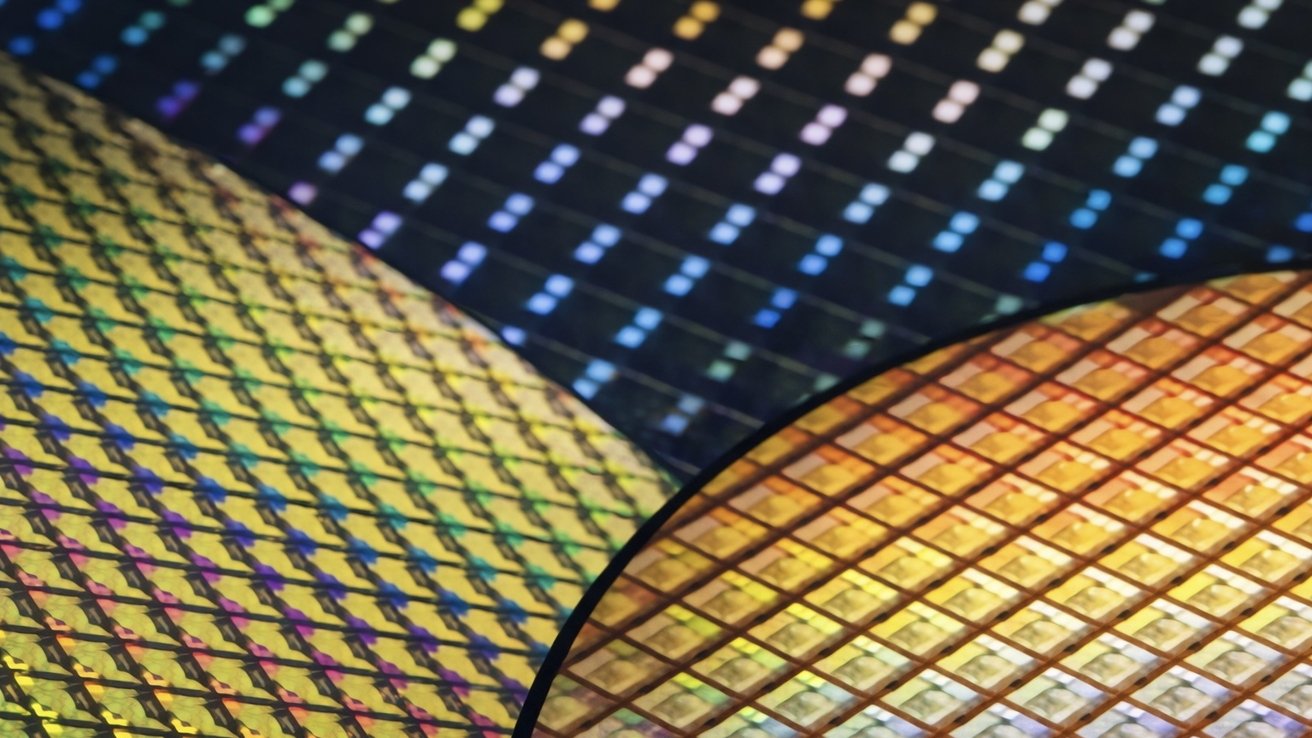
One analyst is doubling-down on his prediction that Intel might become a secondary manufacturer for Apple Silicon, but not for high-end devices.
Again, GF Securities analyst Jeff Pu is guessing that Apple might use Intel's 14A process for some iPhone processors by 2028. However, Apple will still mainly depend on TSMC for most of its silicon production.
Under the scenario outlined by Pu, Intel would act only as a foundry, manufacturing chips designed entirely by Apple. Architecture, performance targets, and feature integration would remain under Apple's control.
A 2028 start date places any Intel-fabricated iPhone chip multiple generations away from products currently shipping. Pu has framed the idea as more likely to apply to non-Pro iPhone models rather than Apple's highest-performance silicon.
Why iPhone chips are a uniquely hard test
Fabricating iPhone processors is among the most demanding tasks in consumer electronics. Performance per watt matters more than peak speed, because even small efficiency losses translate directly into reduced battery life, thermal throttling, or physical design tradeoffs.
Phones offer far less margin than laptops or desktops. A regression that might be acceptable in a Mac becomes immediately visible in an iPhone that runs hotter or drains faster under sustained load.
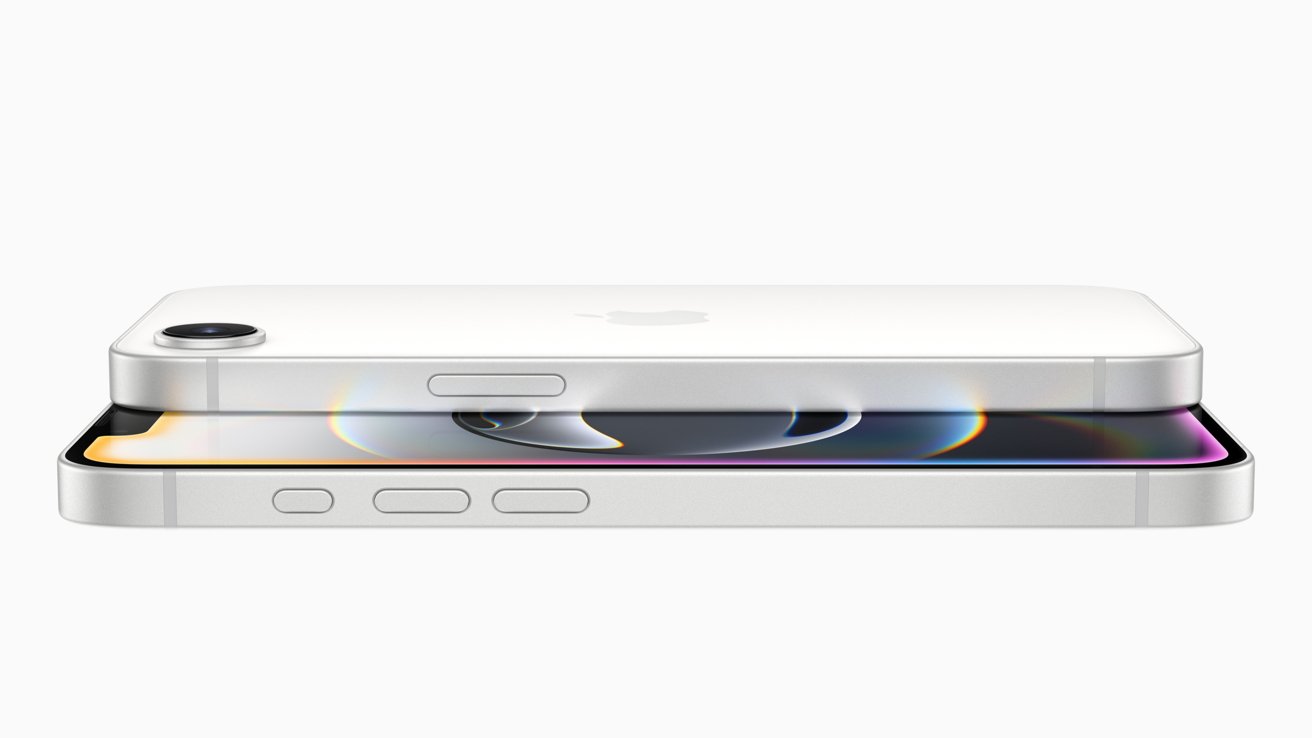
Intel will likely start by producing chips for low end iPhones like this iPhone 16e
Scale raises the stakes further, as Apple ships iPhones in volumes that expose yield problems quickly. Inconsistent yields complicate binning strategies, model segmentation, and the company's tightly coordinated annual launch cycle.
A secondary foundry only helps if its output is predictable enough to integrate cleanly into that system — or in our supposition, for older chips, with tried-and-true designs. Variability increases cost, operational risk, and validation overhead, all of which Apple historically works to minimize.
Advanced process nodes alone aren't enough, however. Apple's silicon advantage increasingly comes from mature packaging, memory integration, and close coordination between hardware, software, and enclosure design.
TSMC's strength has been delivering that entire ecosystem at scale, with proven tooling, packaging technologies, and production discipline that Apple can rely on year after year. Matching that consistency matters as much as matching transistor density.
Discussion around the M7 chip provides useful context for why Intel keeps appearing in long-range Apple Silicon rumors. Analysts have suggested that Intel could manufacture an entry-level M7 processor for select Macs or iPads using an 18A-class process.
Entry-level M-series parts operate with looser thermal and battery constraints and ship in smaller volumes. Success at that level for Intel would represent a more credible first step than starting with Apple's highest-volume product.
Why the rumor keeps returning, and why skepticism remains
Pu's claim doesn't describe a signed agreement, capacity reservation, or production commitment. Instead, it reflects analyst expectations about how Apple might diversify its chip manufacturing several years from now.
It's more likely that if Apple does tap Intel, it will do so for previous generation chips. The timetable is so far in the future though, that it's hard to tell.
Relying on a single advanced foundry concentrates pricing power, capacity risk, and geopolitical exposure. That's especially true as demand for leading-edge silicon increases from AI and data center customers.
An Intel foundry could give Apple leverage in negotiations and more flexibility in long-term capacity planning. Even limited diversification could serve as a hedge against regional disruption or supply constraints.
Intel process nodes could challenge TSMC's most advanced offerings, as reported by MacRumors. That's a big claim, as Intel hasn't made a deadline it set for itself in a decade on advanced processes — which in part, led Apple to move Macs to Apple Silicon ARM chips.
Strong yield performance has already been demonstrated on advanced processes used for PC-class chips. The remaining question is whether that success can translate into sustained, high-volume manufacturing for iPhone-class orders.
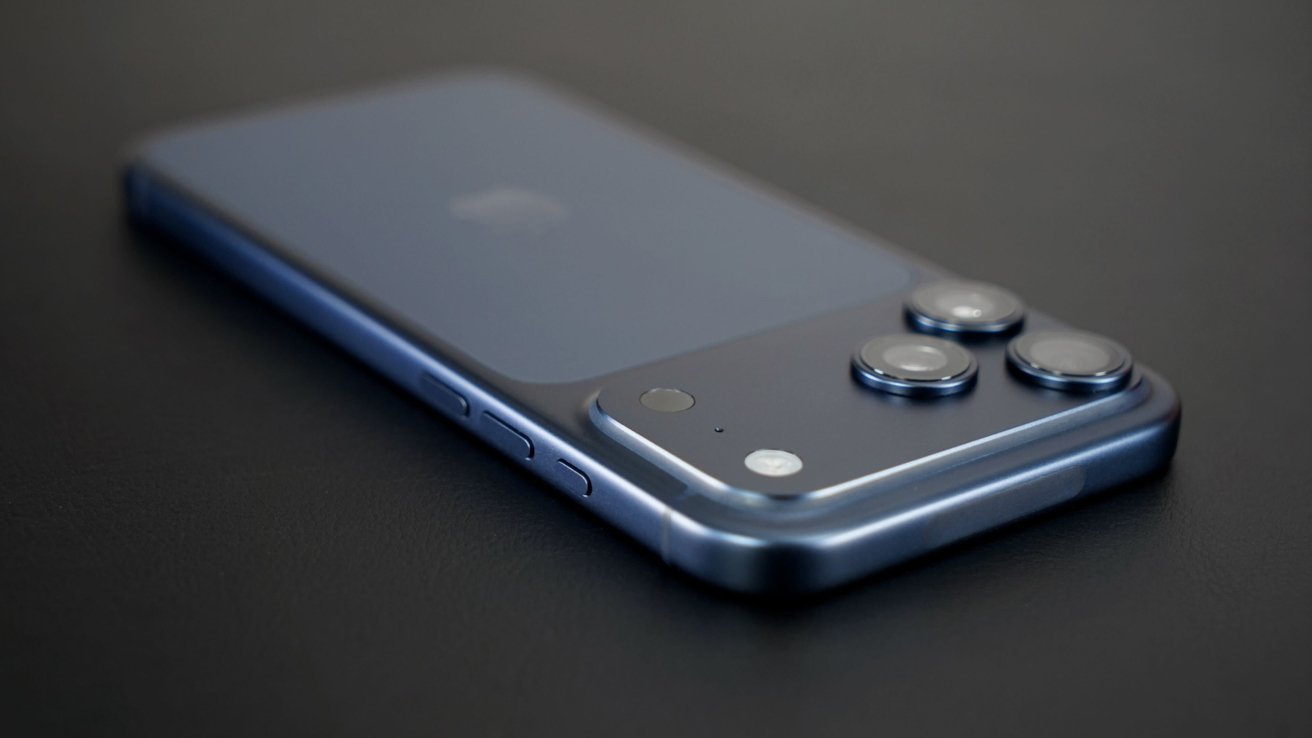
TSMC will remain Apple's top supplier for silicon
There have been no reports of Apple reserving Intel capacity, qualifying packaging lines, or adjusting product plans around Intel timelines. Without those signals, the claim rests entirely on analyst expectation.
The idea of Intel as an alternative foundry may still carry strategic value for Apple, regardless of whether any iPhone ever ships with an Intel-fabricated chip.
Until Intel proves it can deliver consistent efficiency, yields, and ecosystem maturity at iPhone scale, TSMC remains the only confirmed manufacturer capable of meeting Apple's requirements.