
Apple may rely on Intel to manufacture some future baseline iPhone chips as both companies adjust to new market pressures.
GF Securities released a research note on December 5, 2025 that suggested Intel might become a fabrication partner for certain non-pro iPhone chips in 2028. Supply chain discussions pointed to Apple's rising interest in diversifying its manufacturing base.
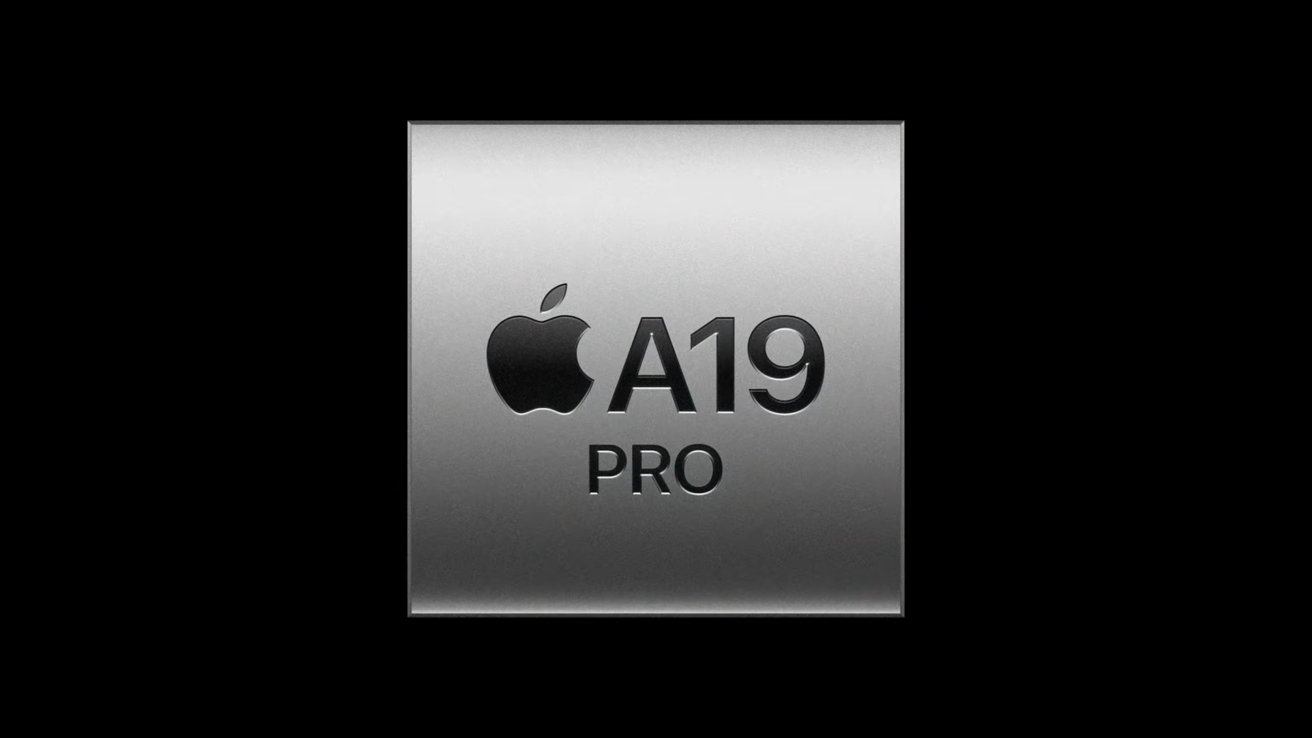
The report came from analyst Jeff Pu, who closely tracks Apple's hardware pipeline. Pu said, in a report seen by MacRumors, that Intel's future 14A process could be used to build Apple's A22 chip. The A22 chip is expected to power models like the iPhone 20 and iPhone 20e.
Pu and his colleagues at GF Securities claim Intel is nearing a deal that would give Intel a modest but meaningful share of Apple's iPhone silicon production. Their analysis reflects confidence in Intel's developing roadmap and Apple's need for a more resilient supply chain.
Such a deal wouldn't alter Apple's design strategy, as the company would continue to design every part of each processor and maintain full control over architectural decisions. Intel's job would center on fabrication, similar to TSMC's role with the current A series lineup.
Why Apple wants a second fabrication partner
TSMC handles most of Apple's advanced chipmaking today and earns that trust through strong yields and reliable performance with new nodes.
The dependence on a single supplier became a visible risk once global supply chains showed their limits. Severe disruptions in Asia during the pandemic revealed how vulnerable the hardware schedule could become.
Device assembly expanded into India and Vietnam as an initial step toward broader resilience. Engineers also evaluated nearshore and domestic options for strategically important components.
Chip fabrication ranks near the top of that list because it affects performance, efficiency, and product safety.
Intel provides geographic diversity that Apple currently lacks. A large share of Intel's advanced capacity sits in the United States, which helps Apple manage geopolitical tension in East Asia.
A North American fab also reduces exposure to shipping delays and regional lockdowns. Supply shocks that often ripple through the smartphone industry would carry less force.
Intel hopes to secure Apple as a manufacturing client while it works to regain technical leadership. Process delays damaged Intel's standing in the industry, and the company responded by reshaping its foundry strategy.
Intel's motivation and its effort to rebuild credibility
A partnership with Apple would restore prestige and demonstrate measurable progress. Intel invested heavily in its 18A and 14A nodes in an effort to compete more directly with TSMC.
Intel passed on the opportunity to make iPhone chips before
Apple's endorsement would send a clear signal that Intel's turnaround is gaining momentum. Supply chain analyst Ming-Chi Kuo offered supporting evidence in a separate report.
Kuo expects Intel to manufacture Apple's lowest-end M series chip for certain Macs and iPad models starting in mid-2027 using the 18A process. Apple often tests new fabs on lower-risk hardware before trusting them with flagship components.
Kuo also said earlier this week that Intel is set to manufacture lower-end M series chips for selected Macs and iPad models. That early assignment gives Intel a chance to demonstrate yield consistency before Apple considers shifting iPhone silicon to any new facility.
Apple appears to be evaluating Intel's stability, yield performance, and overall readiness. Positive results would strengthen Intel's prospects for securing a larger share of future iPhone chip production.
How the shift could reshape Apple's long-term roadmap
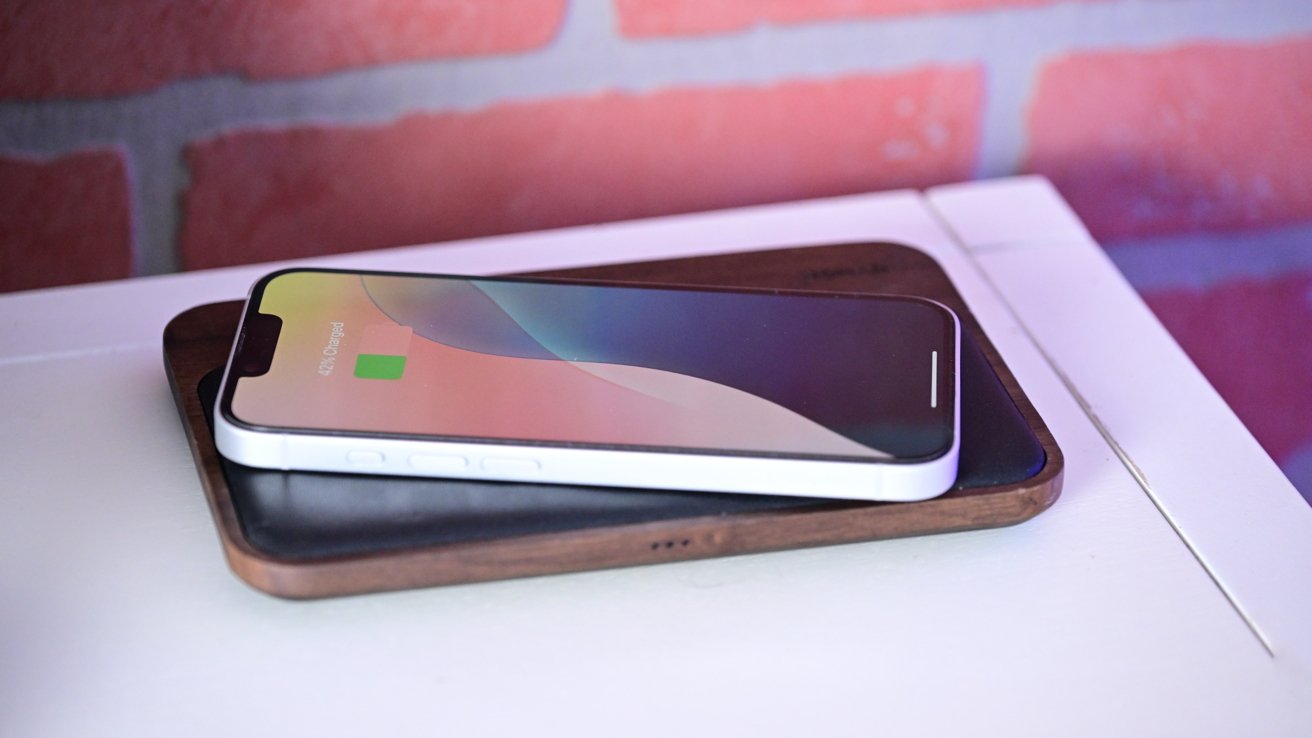
The iPhone remains Apple's most important product. Apple ships hundreds of millions of units each year, and even small fabrication issues can cause global shortages.
Additional manufacturing capacity would help Apple manage risk during major launches. A partnership with Intel could also improve Apple's leverage in price negotiations.
TSMC would no longer be the sole supplier for Apple's most advanced silicon. Greater supplier diversity usually results in more favorable long-term contracts.
Lawmakers in Washington are pushing for expanded domestic chip production with federal incentives. A deal with Intel would help Apple align with these priorities and reduce overseas reliance.
Apple's potential partnership with Intel marks a historical twist in their relationship. Until 2020, Apple used Intel processors for Macs before switching to Apple Silicon.
Now, collaboration on chip fabrication could redefine their relationship. The partnership would focus on manufacturing strength rather than processor design.
Why Intel is only one part of Apple's broader strategy
Intel isn't the only path Apple is pursuing as it works to reduce fabrication risk. The company already supports major domestic efforts that operate across different nodes, volumes, and timelines.
TSMC's expansion in Arizona remains central to Apple's long-range plan. Apple booked substantial capacity at those facilities and expects millions of next-generation chips once production ramps.
The iPhone remains Apple's most important product
Those commitments illustrate long-standing confidence in TSMC's ability to scale advanced nodes inside the United States. Texas Instruments adds another pillar to the strategy.
A large analog and power management facility in Texas now supplies foundational components that keep Apple devices stable and efficient. Those inexpensive chips remain essential because shortages of small analog parts can delay entire product assemblies.
Intel fits alongside those suppliers rather than above them. The foundry unit is still rebuilding momentum, and Apple tends to favor proven yields before shifting critical iPhone workloads to any new fabrication partner.
Federal policy also shaped the broader environment. Tariffs, incentives, and political pressure pushed companies to support more domestic chipmaking as Washington prioritized greater self-sufficiency.
Diversification now spans advanced processors, power management chips, and analog components. Intel's opportunity complements those efforts but doesnt replace the investments.
Intel's opportunity complements those efforts but doesn't replace the investments Apple already made with TSMC and Texas Instruments.
Apple's strategy depends on multiple suppliers succeeding at once. Intel may earn a role in that system, but the company remains only one part of a much larger plan.