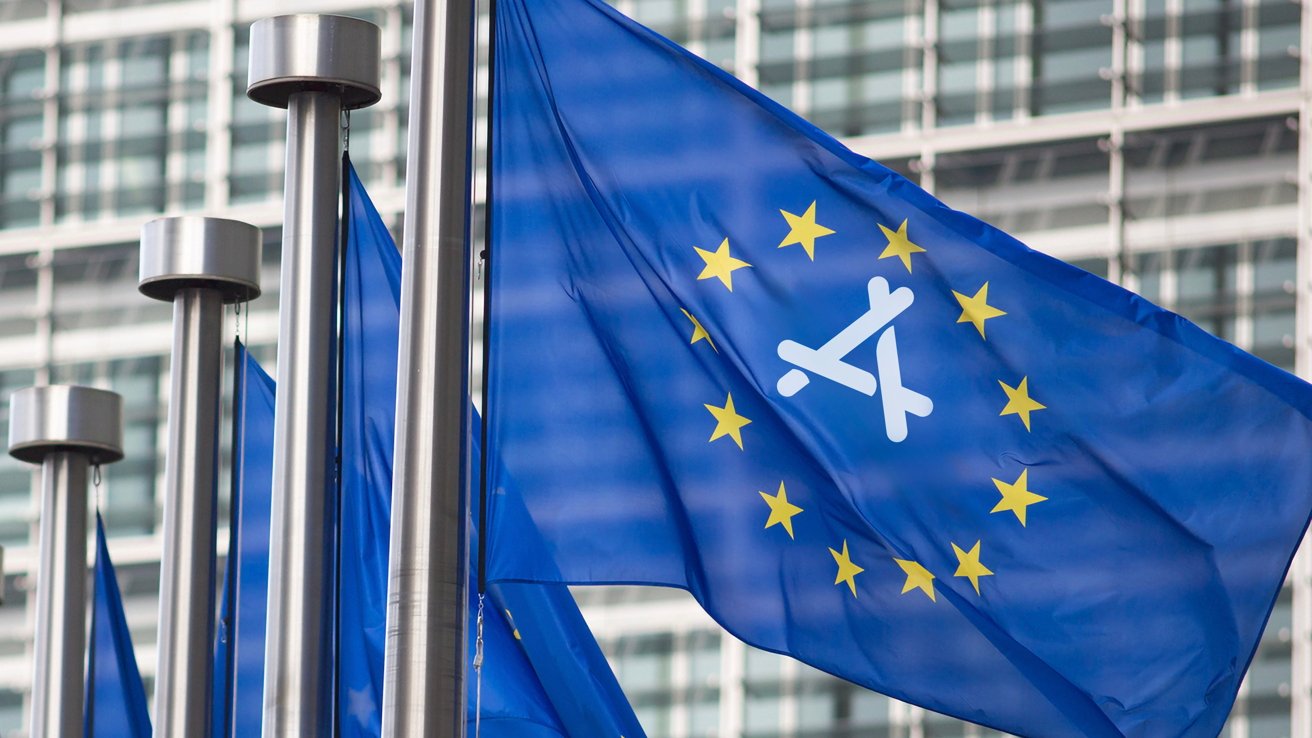
MacPaw is shutting down the Setapp alternative app store in the EU, and Apple hopes to get ahead of the European Commission by releasing a statement of its own, citing "political delay tactics."
The Digital Markets Act forced Apple to open up its platform to third-party app stores, and three emerged — AltStore, Epic, and Setapp. Apple has faced criticisms over its implementation, with developers citing overly complex rules and high fees.
Apple was pressured in December to cut its fees again, but ultimately MacPaw's Setapp alternative app store ended up being shuttered. It was obvious where the blame was going to be placed, so Apple got ahead of officials and released its own statement, shared by Bloomberg.
"The European Commission has refused to let us implement the very changes that they requested," Apple said in the statement. "In October, we submitted a formal compliance plan and they have yet to respond. The EC is using political delay tactics to mislead the public, move the goal posts, and unfairly target an American company with burdensome investigations and onerous fines."
The statement arrives as the European Commission (EC) was expected to blame Apple for Setapp's shutdown. It was going to cite Apple's failure to roll out changes to business terms and to reduce complexity.
Clearly, Apple rejects this notion and suggests that it is the EC that has failed MacPaw. The additional complaints from the Coalition for App Fairness, which contains companies like Spotify and Epic, were shared in December, which is after Apple's filing in October.
No one will be satisfied
There is nothing Apple can do other than allow Epic and others to run software on its platform without restrictions or fees to satisfy these complainers. Various statements across the years made by these companies have made it clear that they see it as their right to do business on any platform they see fit without paying a dime.
Epic Games and Spotify want access to Apple's platforms rent free
However, regulators in the US, EU, and UK have all said again and again that Apple is due some kind of fee. The disagreement comes down to how much and when it applies.
Apple's competitors say the current implementation by Apple in the EU is difficult to understand and execute, and clearly done in a way to make it an undesirable option. They argue that the terms Apple has set make the App Store the only truly viable option.
Even if Apple satisfied the EC and streamlined the alternative app store process, there would still be a significant problem to overcome — user demand.
Android has operated with the ability to access third-party app stores for ages, and all of that time has shown that they just aren't popular. Everyone ends up in Google Play anyway unless companies shove their third-party store into the user's face and obfuscate others.
Finding a path forward
There really isn't any reason for Apple to be in so many legal battles around the world for its App Store. It is totally within Apple's power to find a new system that addresses everyone's concerns while keeping Apple in control of its platforms.
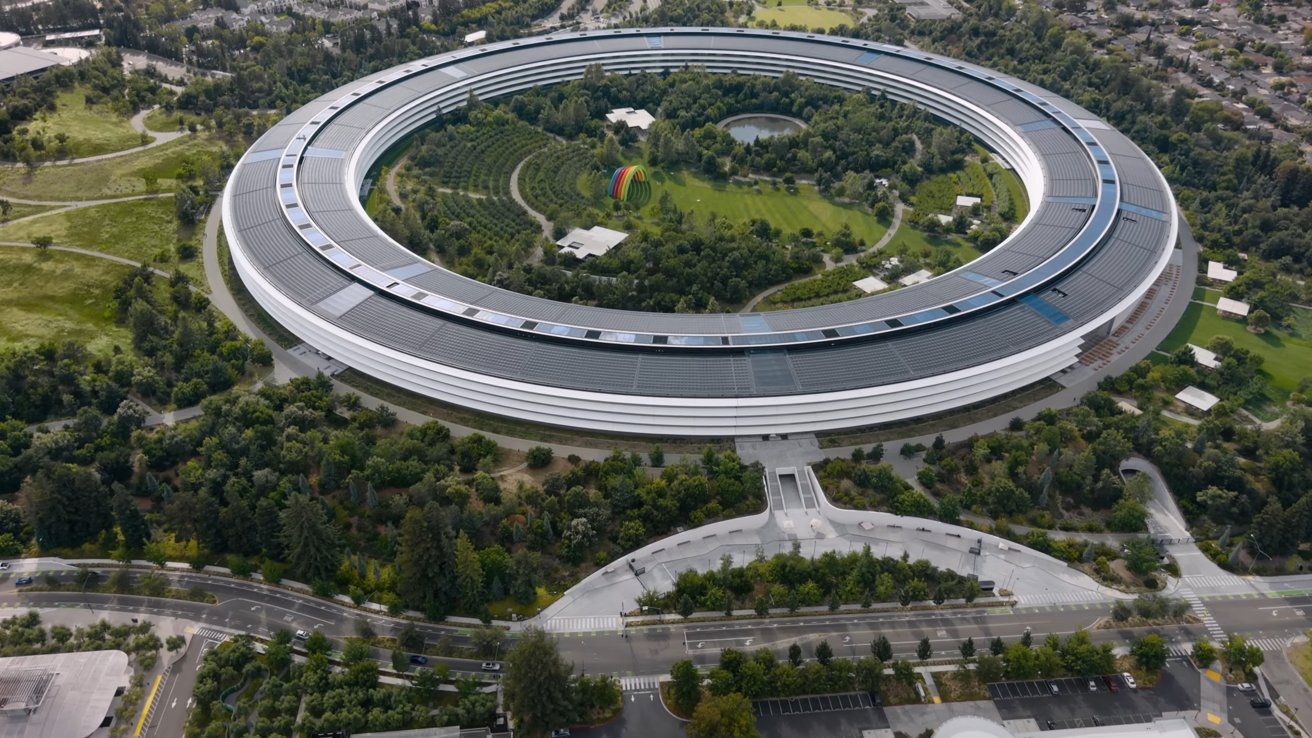
Apple is the only one that can fix this international App Store regulation problem. Image source: Apple
I won't pretend to have the answer. I believe the solution lies somewhere similar to tax brackets based on income, but likely won't fly for some of the bigger companies involved.
Notarization could also play a role, but apps shouldn't be able to be just installed from anywhere, anytime, without any input from Apple. This device ecosystem and software distribution platform merit some kind of income for Apple.
Whatever comes from all of this, expect that we'll continue writing about the tit-for-tat regulatory battles for years to come. Unless, of course, Apple finally decides to stop playing games and introduce a real solution that satisfies everyone.
We're well past the 2008 App Store launch and the original monetization model, and no, the changes to bring commissions down to 15% in some instances isn't enough. It doesn't make any sense that a multi-billion dollar corporation pay the same flat rate as a developer with a few hundred users.
Hopefully, something changes soon, but one thing is certain — a European regulator isn't going to be the one that comes up with the solution. This whole problem and its solution lie with Apple.