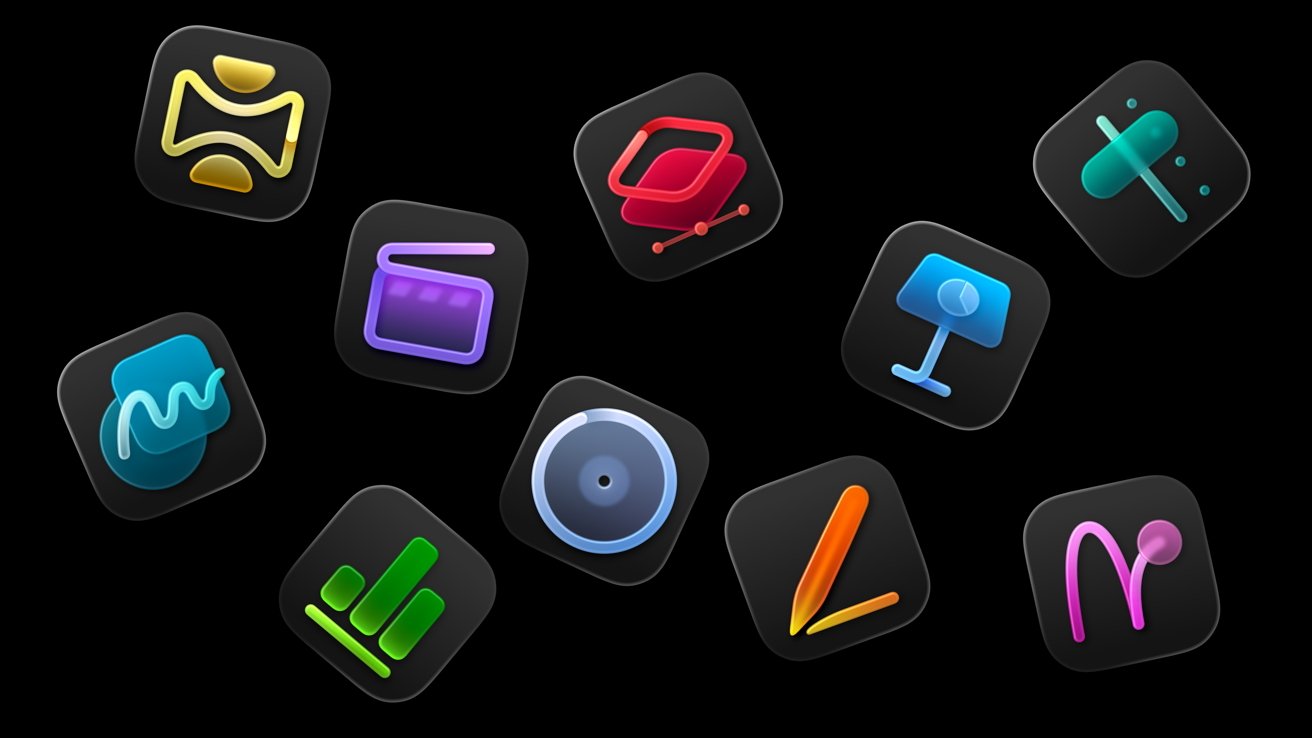
The Apple Creator Studio is the latest in a long line of subscriptions for Apple products and services. You can guarantee Apple will do it more in the future.
Apple's introduction of the Apple Creator Studio provided a way for consumers to gain access to Apple's Pro tools like Final Cut Pro and Logic Pro across both Mac and iPad. While it's certainly a good value package for users, it's only part of its overall strategy to charge subscriptions for everything it offers.
Responding to a query about Apple subscriptions, Mark Gurman of Bloomberg mused on Sunday that subscriptions are the future of the company. It's also a situation where it will try to increase its profits further by adding more to the packages.
There's already been a lot of shock and ridiculous surprise in mainstream media covering this. If you pay even a modicum of attention to trends and the marketplace, this shouldn't be a surprise to anyone.
There are already subscriptions covering a lot of our digital lives, including Apple Music, storage from iCloud and iCloud+, games via Apple Arcade, and Apple TV. Then there's Apple One, which is already a bundle.
Not to mention the previous subscriptions for Final Cut Pro and Logic Pro on iPad, alongside their standalone Mac counterparts.
Gurman points out that the Creator Studio does two things, with one being selling a bundle of apps for a monthly fee. The other is the upselling of existing free apps by providing extra elements to Pages, Keynote, and Numbers that users will be tempted to pay for.
He also believes there are more subscriptions set to come out of the company. Apple is considering all areas of its empire for bundling and paid upgrade options it will charge for in the future.
Bigger potential than standalone
A subscription for an app does, in the eyes of the consumer, bring an expensive app priced in the hundreds of dollars to a much more reasonable and granular monthly fee. However, it is an ongoing one that will eventually cost consumers who stick with the software more in the long run.
Bundling subscriptions also benefits Apple, especially when it mixes successful and under-utilized apps in the same package.
On a financial side, the lesser-used apps earn a bit more than they usually do because of being associated with the more popular apps in the bundle, increasing Apple's revenue over time for that app. Granting subscribers access to other apps also raises the use of lesser-known apps, simply because they are available to use without any further outlay.
In the Apple One bundle, it's not hard to believe Apple Music is the most popular app in the package. Its inclusion raises the profile of others, like Apple Fitness+ and Apple News+.
There's also the iWork package gaining some extras in the bundle. For Apple, the iWork trio wasn't a money-generator, since they were sold for free and served more as a marketing tool for its hardware sales.
That's certainly changed with their inclusion in the bundle.
For Apple, there's also the benefit of predictability, since it knows that an established subscription is a pretty easy to determine flow of revenue that doesn't change much between quarters. It's a more sustainable ongoing revenue source versus the highly-seasonal hardware sales.
Indeed, with the existence of the iPhone Upgrade Program, Apple has already applied the subscription model to its hardware, creating iPhone-as-a-service.
While the Apple Creator Studio seems like a great package for consumers, it's more attractive to the company and its bottom line over time.