A report claims Xiaomi may debut an "iOS Bridge" feature as part of HyperOS 3.1 at Mobile World Congress 2026, showing how Apple's tightly integrated ecosystem remains the benchmark competitors must match and try to be compatible with.
The feature reportedly surfaces iPhone call alerts on Xiaomi tablets and PCs, improves AirPods battery reporting and controls, and enables direct wireless file transfers between iPhones and Xiaomi devices. Xiaomi hasn't confirmed it before Mobile World Congress, which runs from March 2 to 5 in Barcelona.
The development suggests Xiaomi is adapting to Apple's ecosystem dominance rather than attempting to displace it.
According to the report from GizChina, HyperOS 3.1 will emphasize cross-platform connectivity over routine performance updates. Incoming iPhone calls could appear on connected Xiaomi tablets or PCs, allowing users to manage calls without reaching for the phone.
AirPods integration could also expand, potentially displaying battery levels and offering controls similar to those available within Apple's ecosystem. The report further claims Xiaomi is working on a wireless file transfer tool between iPhone and Xiaomi hardware, though no technical details have been disclosed.
Xiaomi has positioned HyperOS as the foundation of a broader ecosystem spanning smartphones, tablets, laptops, and smart home products. Deeper compatibility with iPhone could make Xiaomi hardware more attractive in households where Apple devices already anchor daily use.
Why Apple's ecosystem still sets the standard
Apple's ecosystem remains one of its strongest competitive advantages. Features such as Continuity, Handoff, AirDrop, iMessage syncing, and automatic AirPods switching reduce friction between devices and increase switching costs for users considering another platform.
Continuity, for example, allows calls, messages, and app sessions to move seamlessly between iPhone, iPad, and Mac. Apple tightly controls the system frameworks that enable those features, which limits how deeply third-party manufacturers can integrate at the operating system level.
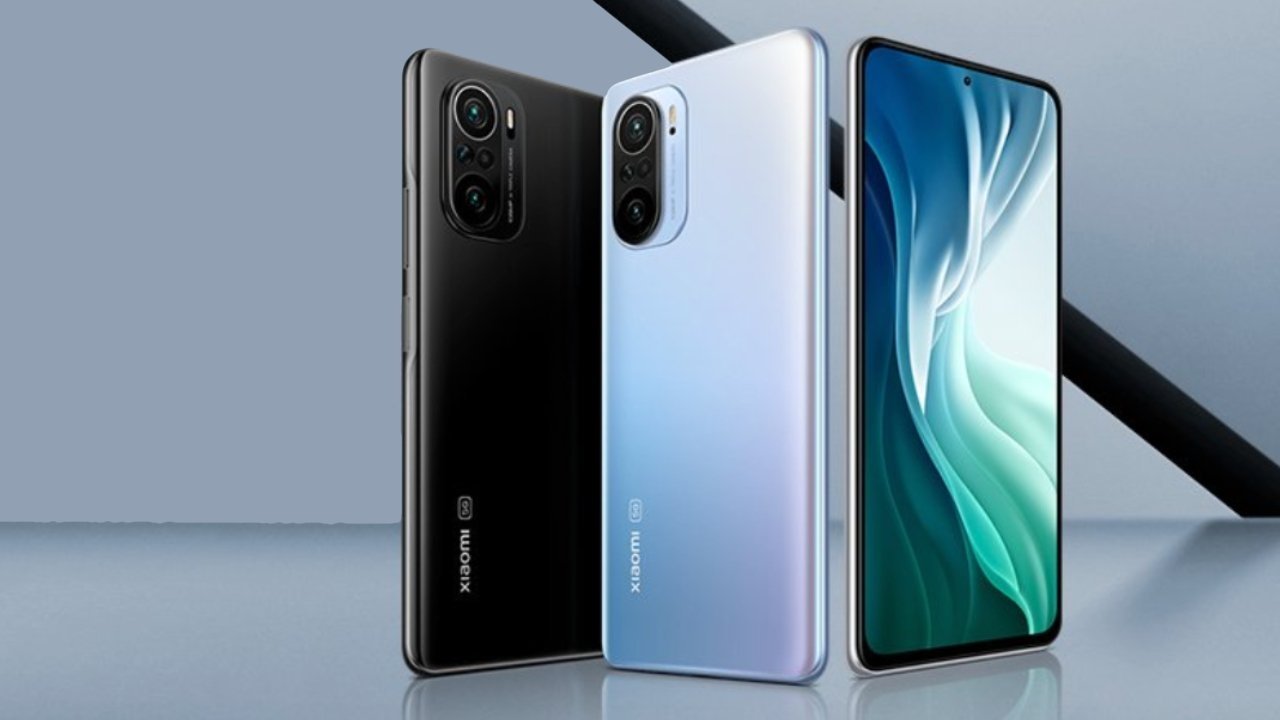
Xiaomi Mi 11i smartphones
Android manufacturers have built cross-device features within their own product lines for years. Integration with Apple hardware, however, has historically been limited to Bluetooth standards, companion apps, or cloud-based services rather than native system-level access.
Apple has also eased certain barriers
Apple has shown some willingness to reduce friction around switching platforms. On February 11, Apple released iOS 26.3 with a built-in option that simplifies transferring data from an iPhone to an Android device.
The feature focuses on data portability rather than ongoing cross-device integration. The update arrived amid increased regulatory scrutiny in the European Union under the Digital Markets Act, which emphasizes interoperability and user data portability.
Xiaomi's reported iOS Bridge would address a different problem. Instead of helping users leave the iPhone, the feature appears designed to make it easier to keep an iPhone while adding Xiaomi hardware to the mix.
How deep interoperability can realistically go
The technical constraints will really affect how meaningful Xiaomi's feature turns out to be. Apple keeps a tight grip on system frameworks related to call handling, AirDrop, and accessory pairing, and they don't license core Continuity features to third-party manufacturers.
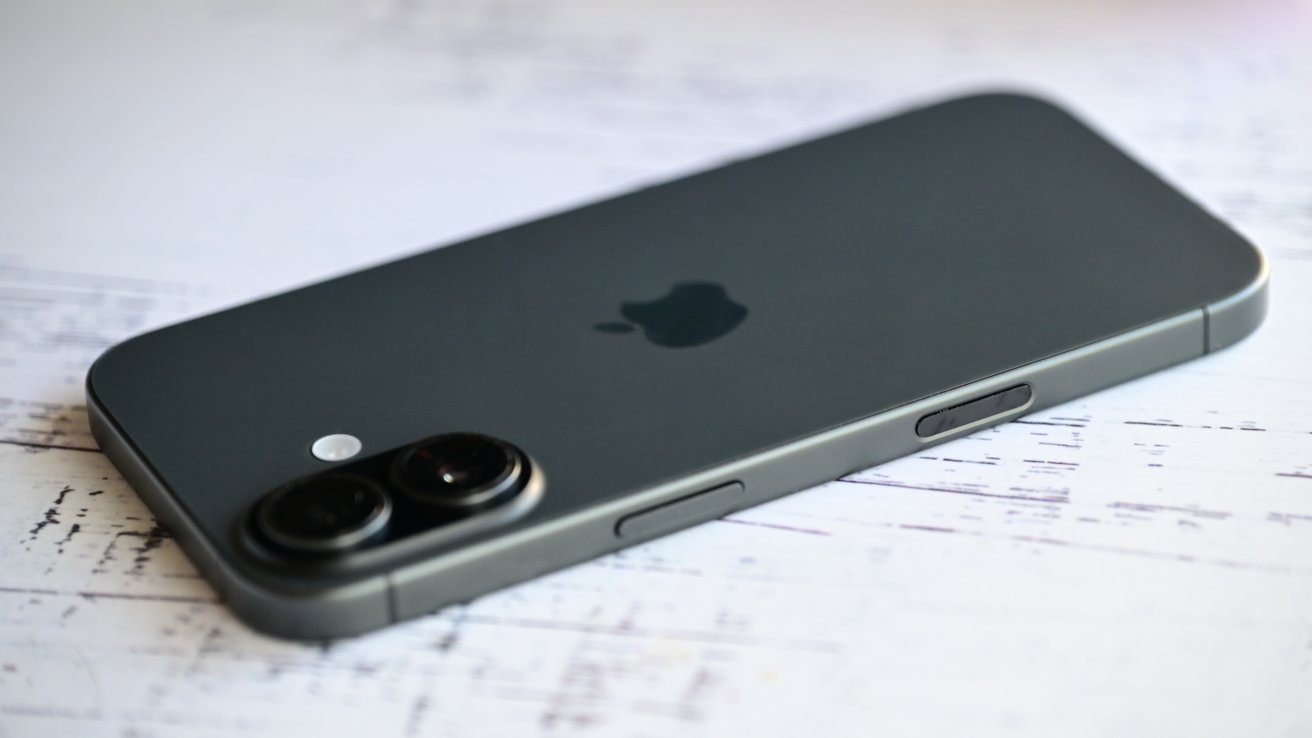
If Xiaomi's ecosystem works best when paired with an iPhone, the iPhone remains the hub
A cross-platform bridge would undoubtedly use existing APIs that Apple already offers or need companion apps running alongside iOS. Without native Apple integration, it might feel more like advanced mirroring than having the same features as Apple's own cross-device options.
For most consumers, the underlying architecture matters less than the result. If call alerts, file transfers, and AirPods status indicators function reliably, many users may see little distinction between deep system access and well-executed workarounds.
What it means for Apple and Xiaomi
Apple still controls the primary device in this equation. If Xiaomi's ecosystem works best when paired with an iPhone, the iPhone remains the hub around which other hardware revolves.
At the same time, reducing friction between platforms makes it easier for consumers to mix brands without abandoning existing investments. Xiaomi could strengthen its position in markets with high iPhone adoption by presenting its tablets and PCs as compatible extensions rather than replacements.
Ecosystem competition is moving from strict lock-in to more practical compatibility. Apple's advantage is still strong, but its ecosystem is becoming more open as competitors try to connect with the device that holds a big part of the mobile industry.