Early reviews of the M5 Pro and M5 Max MacBook Pro models are here, and while the improved performance is good, nobody is a fan of the $200 price increase.
The M5 Pro and M5 Max versions of the 14-inch MacBook Pro and 16-inch MacBook Pro were announced on March 3, offering better performance. The two laptops are spec bump upgrades, meaning there's effectively no other change, relative to the preceding M4 Pro and M4 Max models.
As a result, most reviews of the new laptop configurations focus largely on the processing hardware, what it can do, and how it performs in various tasks, be they hardware-intensive or not.
The pricing is also controversial, given the substantial cost of higher-tier configurations and the higher overall cost compared to prior models.
CNET
CNET, for instance, in its review of the 16-inch MacBook Pro with the M5 Pro and M5 Max chips, points out that an upgrade from 64GB to 128GB will cost users $800.
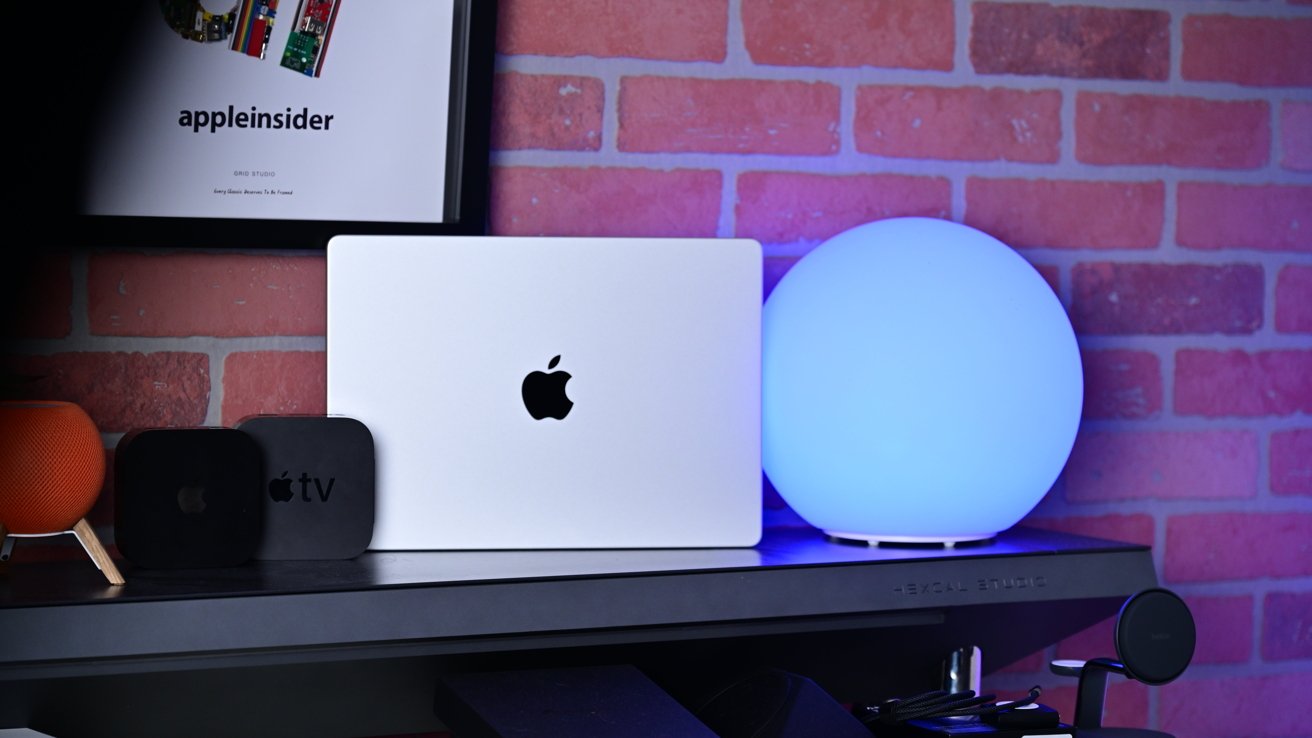
RAM upgrades on the M5 Max and M5 Pro MacBook Pro are expensive.
The publication says that 48GB of RAM with the M5 Pro model should be more than enough for anyone, and that the base M5 Pro configuration with 24GB of RAM and 1TB of storage won't fall behind all that much. This assumes, of course, that its user needs all the GPU power, be it for graphics processing or AI-related tasks.
Regarding AI, the publication points out that the Neural Engine offers 16-cores across the entire M5 MacBook lineup, including the M5 MacBook Air.
For students and light users, the review says outright that it doesn't matter which M5 model of MacBook you get, as AI performance will be comparable in everyday situations.
Tom's Guide
Similarly, Tom's Guide says the M5 Pro MacBook Pro "doesn't reinvent the wheel", but that it iterates on everything users would expect from a high-end laptop.
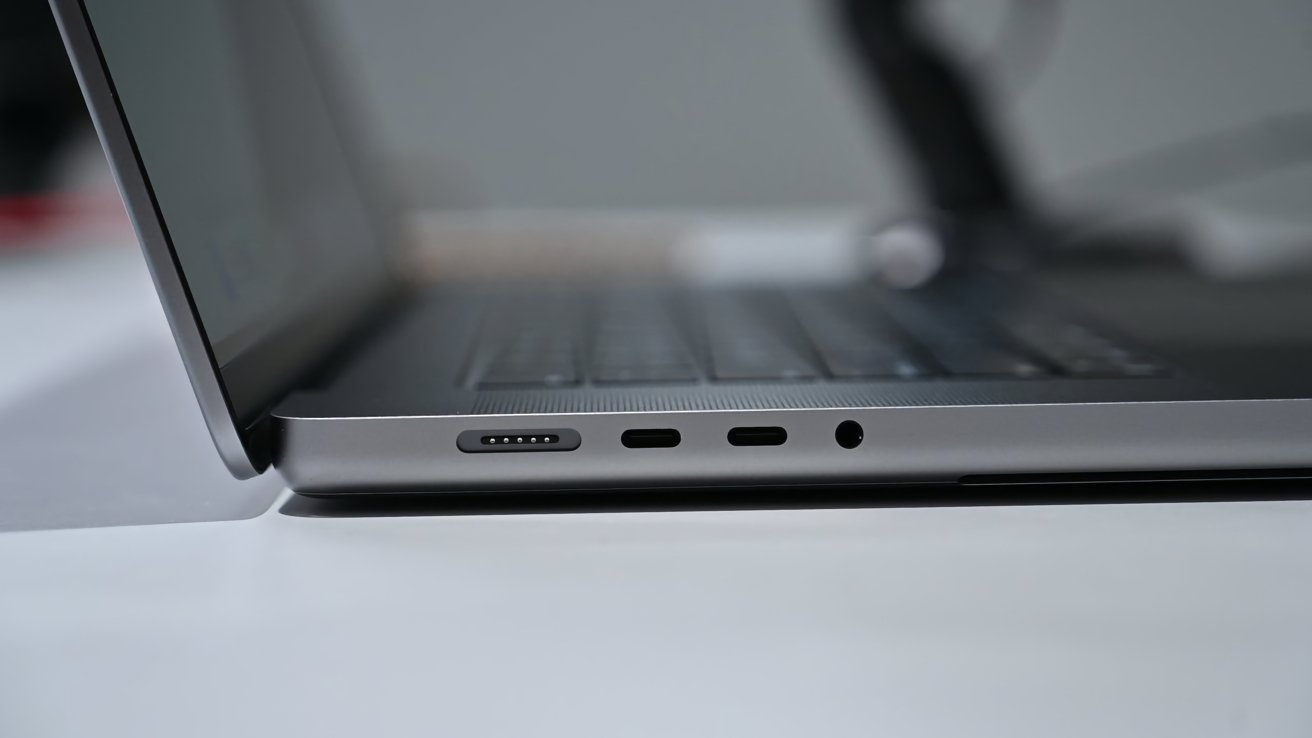
The M5 Pro and M5 MacBook Pro have all the ports Mac users have come to expect.
On the 16-inch M5 Pro MacBook Pro, the publication noticed a 15 to 20% performance increase, with battery life being longer by nearly 30 minutes. Neither warrants an upgrade from the preceding M4 Pro model.
In gaming tests, running Assassin's Creed Shadows at 1200p resolution and medium graphical settings delivered 40fps. At the same resolution Cyberpunk 2077 delivered a meager 22fps, though the frame rate goes up to 65fps when enabling the "For this Mac" setting.
In a battery test, which involved web surfing over Wi-Fi with the MacBook Pro display set to 150 nits of brightness, the laptop stayed on for only 21 hours and 10 minutes. This falls short of Apple's advertised 24-hour battery life, but presents an improvement over the M4 Pro.
The publication also criticized the $200 price increase, saying that the M5 Pro MacBook Pro is a good option for those who do heavy video editing or gaming. Others, meanwhile, might be better off with an M5 MacBook Air or the base model 14-inch M5 MacBook Pro.
Gizmodo
Gizmodo, reviewed the 14-inch MacBook Pro with the M5 Max chip, with a focus on games. They say that the M5 Max chip didn't have any trouble running titles like Resident Evil 4, Baldur's Gate III, or Death Stranding.
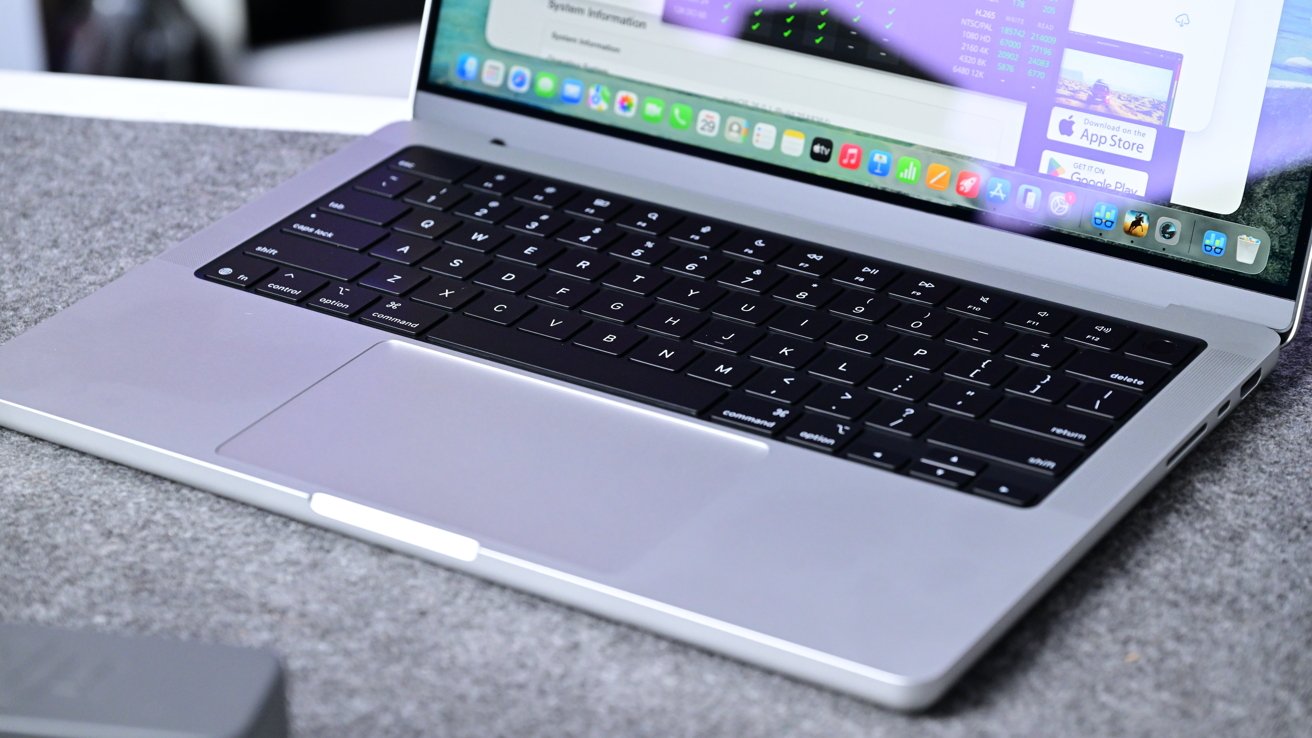
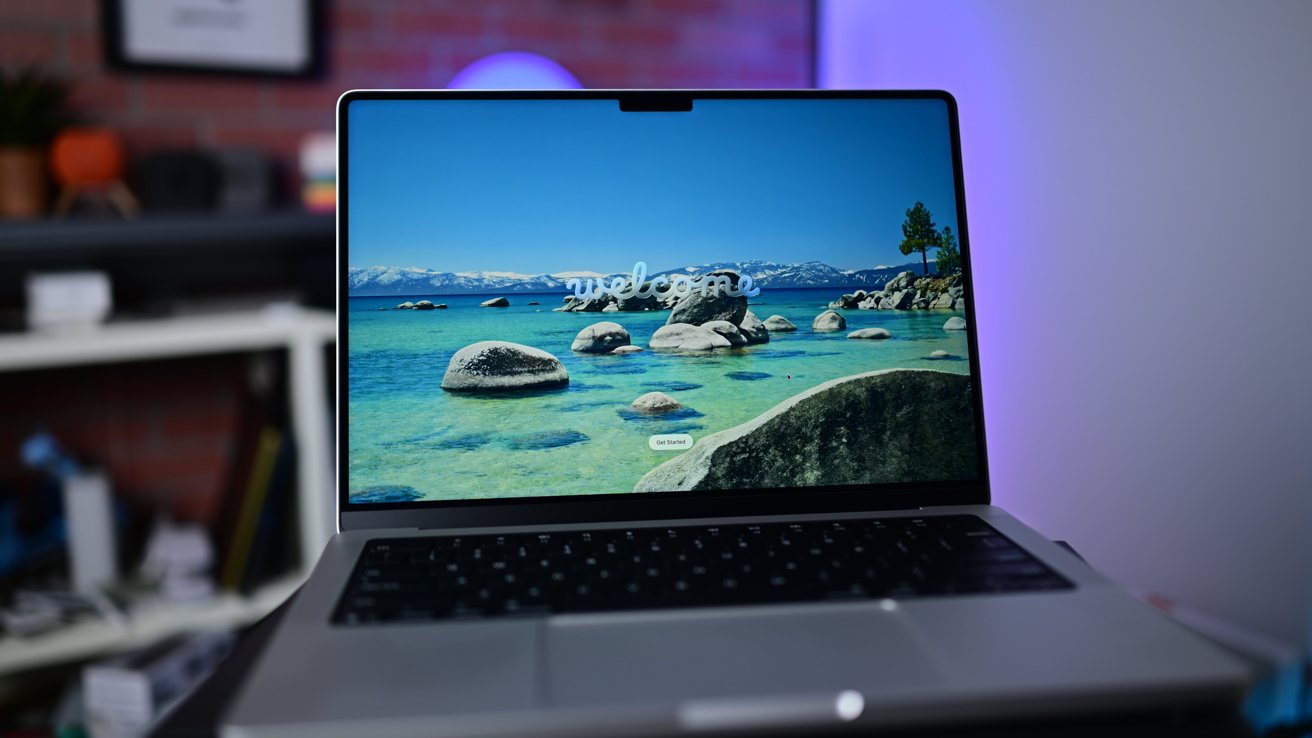
The M5 Pro and M5 Pro MacBook Pro maintain the design of their respective predecessors.
Resident Evil 4 on the M5 Max delivered 60 fps, going up to 70 fps in indoor areas.Death Stranding offered a steady 80 fps with in-game outdoor environments.
The M5 Max supports hardware-accelerated tracing, which was tested via CyberPunk 77. Initially, on "Ray Tracing Ultra" settings, the game would run at 50 fps on average, before dropping to 37 fps in just a few minutes.
The publication was impressed with the strong read/write SSD speeds, and says the M5 Max MacBook Pro offers a solid screen and speaker.
However, Gizmodo argues that the M5 Max MacBook Pro is held back by its aging shell and the lack of any meaningful upgrades beyond the processing hardware.
M5 Pro and M5 Max MacBook Pro review roundup: Faster chips, in the same shell
As an iterative chip upgrade, the M5 Max and M5 Pro MacBook Pro models offer nothing aside from improved performance. If you need the processing power for heavy video editing or gaming, then the two laptops are decent options, if you don't mind spending $200 more than the M4 Pro models.
Those who own M4 Pro and M4 Max variants, meanwhile, have no reason to bother with the M5 Pro and M5 Max MacBook Pro. The M6 Pro and M6 Max, however, are set to deliver significant changes, including OLED and a touchscreen. It's better to wait than upgrade, for the time being.