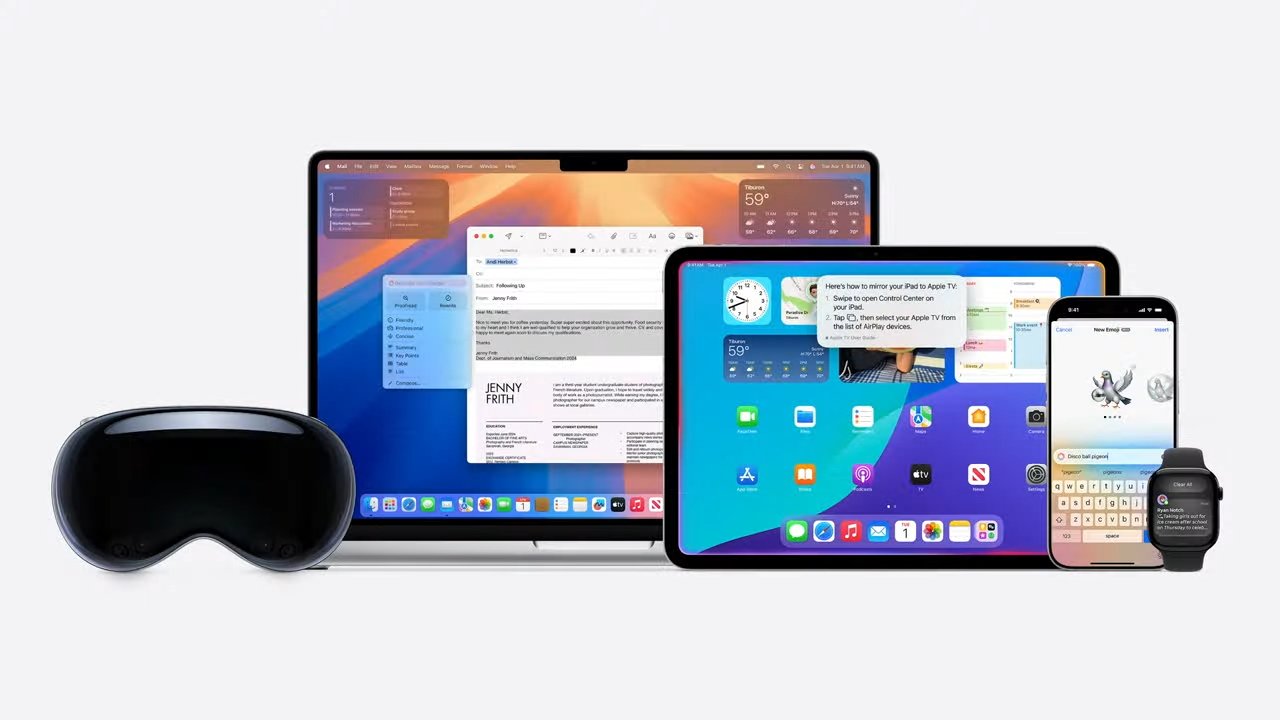
Apple's first RC builds for 26.4 have surfaced, with the new builds of iOS 26.4, iPadOS 26.4, watchOS 26.4, tvOS 26.4, visionOS 26.4, and macOS Tahoe 26.4 out as the release to the public gets closer.
The release candidate builds for iOS 26.4, iPadOS 26.4, watchOS 26.4, tvOS 26.4, macOS 26.4, and visionOS 26.4 arrive after the fourth developer betas, which were brought on on March 9. The third landed on March 2 for most, March 3 for macOS.
The second round appeared on February 23, and the first round arrived on February 16.
- iOS 26.4 build RC1 is 23E244, replacing 23E5234a
- iPadOS 26.4 build RC1 is 23E244, replacing 23E5234a
- watchOS 26.4 build RC1 is 23T239, replacing 23T5236a
- visionOS 26.4 build RC1 is 23O244, replacing 23O5235a
- tvOS 26.34 build RC1 is 23L240, replacing 23L5234a
- macOS Tahoe 26.4 build RC1 is 25E241, replacing 25E5233c
Along with the main builds, Apple has also brought out RC versions for other operating systems:
- iOS 18.7.7 RC - 22H333
- iPadOS 18.7.7 RC - 22H333
- macOS 15.7.5 RC 5 - 24G624
- macOS 14.8.5 RC 4 - 23J423
- HomePod Software 26.4 RC - 23L240
The existence of an RC build means a public release is happening soon, though not necessarily immediately. There's also no guarantee that there will be just one release candidate, as second builds have also been posted in the past.
The first iOS 26.4 developer beta included changes to Apple Podcasts, Apple Music, end-to-end encryption for RCS, and Stolen Device Protection activation, among other updates.
Other changes in later builds include a switch of the iPhone bootloader name from iBoot to mBoot, and a new average bedtime metric in Apple Health.
The fourth round introduced a number of new emoji in iOS 26.4, including ballet dancers, Bigfoot, an Orca, a trombone, and a "Fight Cloud." There were also new wallpapers in macOS 26.4, coinciding with the launch of the MacBook Neo.
AppleInsider and Apple strongly advise that users don't install beta operating systems or beta software onto what they deem "mission-critical" or primary-use hardware. Instead, they should retain backups of their data and try to use secondary hardware that isn't as essential to maintain.
For general users wanting a less risky experience, Apple typically brings out a public beta version of its updates shortly after the developer counterpart. A more battle-hardened version of the update, with potentially fewer bugs or issues, it is the version that interested members of the public should try, not the developer build.
Find any changes in the new builds? Reach out to us on Twitter at @AppleInsider or @Andrew_OSU, or send Andrew an email at [email protected].