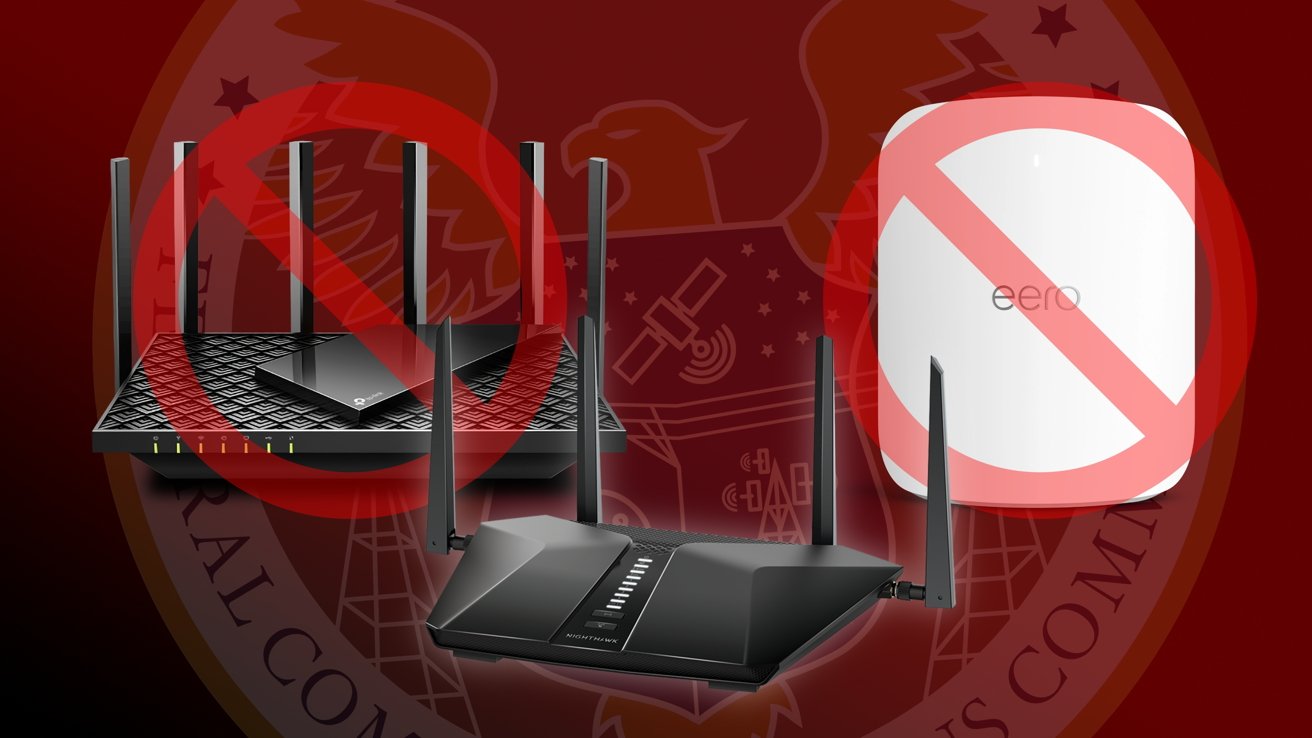
The US FCC's ban on foreign-made routers is benefiting a very small number of companies. Here's what companies are blocked from import, which are exempt, and why, as of April 15, 2026.
In March, the U.S. Federal Communications Commission implemented a ban on routers. Rather than targeting products from specific companies, it banned any routers "produced in a foreign country."
The reality is that, since the vast majority of routers are imported into the United States, the ban effectively affects the entire router market as a whole.
There are exceptions to the ban, as always, with the FCC also able to make "conditional approvals" for specific companies and products. According to the FCC, this includes routers that are granted an approval from the Department of War or the Department of Homeland Security.
It's also not something that will affect existing routers on the market, as it only deals with imports of new models. Routers already imported into the US and previously approved for sale by the FCC can still be bought by consumers.
The blanket ban will be impactful on the router industry as a whole. Whatever moves the FCC makes will have big repercussions on the market in general.
Some companies will be big winners, while others may find themselves pushed out of the US market with little recourse available.
Unaffected router makers
We are dividing this list into routers largely unaffected by the ban in the United States, and those that are negatively affected in some way. Obviously, at this extremely early stage, the unaffected list is going to be massively shorter than the affected list.
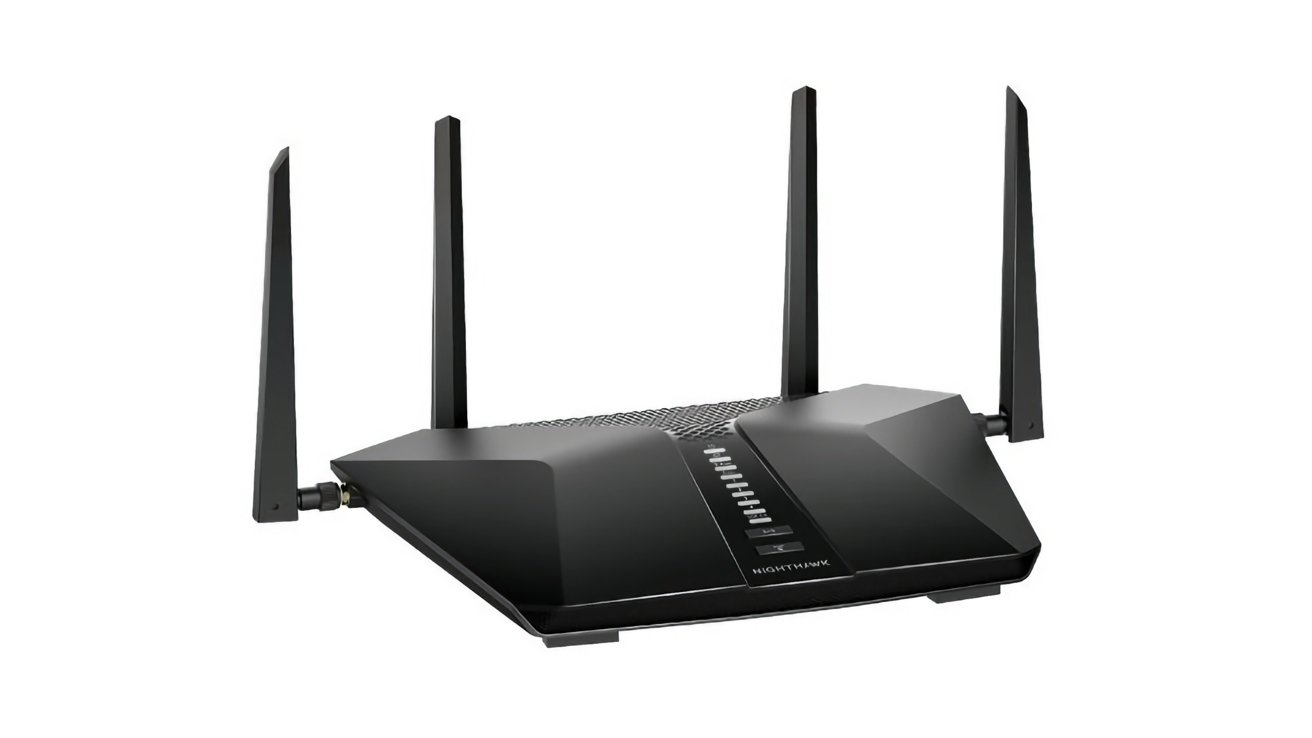
Netgear's Nighthawk router range got approved for import
The short list of allowed routers starts off with Starlink. This has nothing to do with the relationship between Elon Musk and President Donald Trump for once.
Starlink primarily makes its satellite routers in Texas. Since it's routers are already being made inside the United States, the ban doesn't really apply.
Then there are router makers who have followed the FCC's instructions and applied for a conditional approval from the Department of War or the Department of Homeland Security.
As of April 15, that is a very short list, consisting of just two companies. One, Adtran, is more corporate-focused, while the other, Netgear, is a big dealfor the market.
The FCC's listing of conditional approvals covers all of Netgear's Nighthawk and Orbi consumer routers, as well as cable gateways and cable modems. It will run out on October 1, 2027.
Applying for approval
While there is no public confirmation of what Netgear disclosed specifically, a spokesperson told AppleInsider that the company followed the FCC's public guidelines in its application.
Those guidelines request a lot of information, including the corporate structure of the company, owners holding five percent or more in equity, and if a foreign government has any influence over it.
Under "Manufacturing and Supply Chain Disclosures," the guidelines demand a detailed bill of materials for the routers, country of origin for components, IP ownership information, and justifications for why the router isn't produced in the United States already. It goes to the level of asking if there are any identified single points of failure in the router's supply chain, and if there are any contingency plans.
There's also a hefty section titled "U.S. Manufacturing and Onshoring Plan," demanding details of any existing U.S.-based manufacturing and assembly. It wants a "detailed, time-bound plan to establish or expand manufacturing in the United States" for the router.
The section also wants points of contact responsible for implementing the onshoring plan, regular updates for that plan, and descriptions of existing U.S-based manufacturing. Information about financing, investments, and other capital expenditures for U.S. manufacturing is also requested.
The blacklist
While relatively few routers are deemed acceptable to be imported into the US, new routers from practically all other manufacturers are frozen out of the market. At least, until they can secure approval.
The list of have-nots is extensive in comparison to the permitted companies list, and includes many major names that are suddenly pulled from the market.
The biggest scalp for lawmakers will be TP-Link, which has received the brunt of investigations from the U.S. Government. It's a company that quickly rose in prominence in the United States during the pandemic, securing a massive chunk of the market in the process.
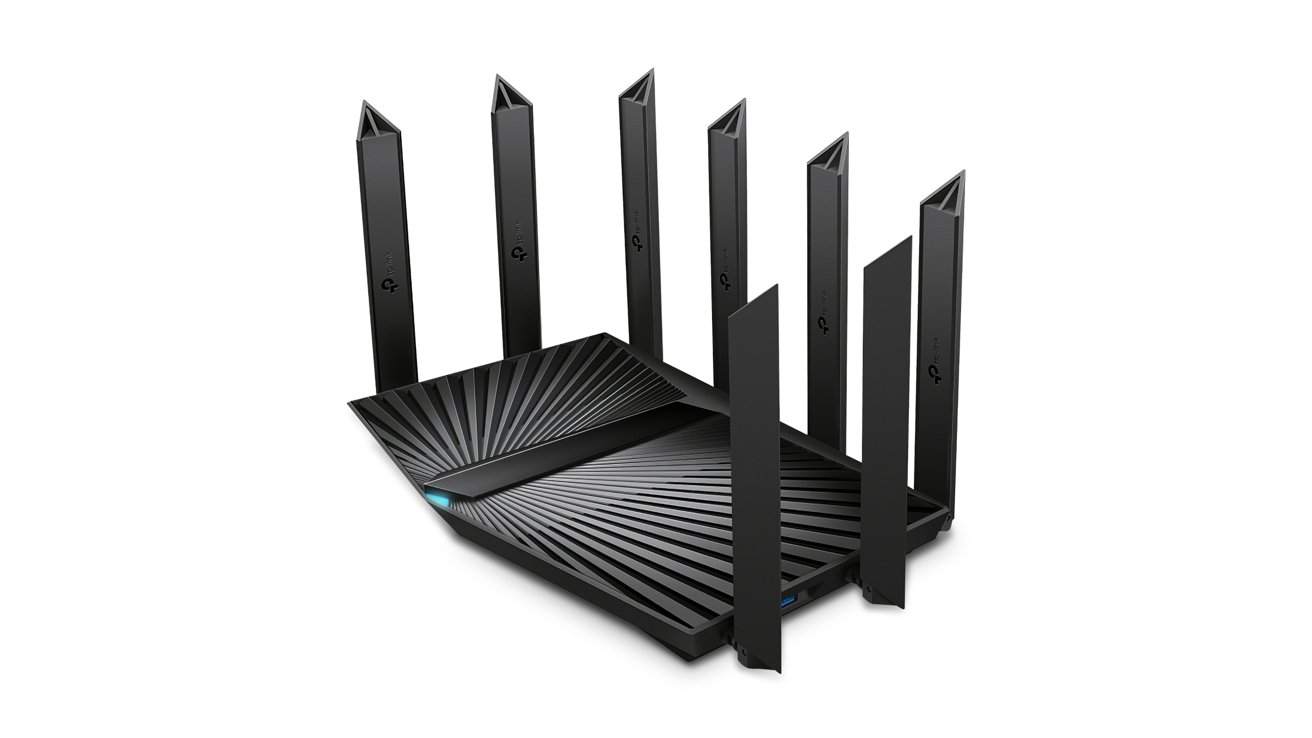
TP-Link will be hit hard by the FCC router ban
There have been accusations that TP-Link's routers have been used for cyberattacks. To critics, TP-Link's connections to China are a profound security risk, despite the company's protestations and third party analyses of the routers showing nothing untoward.
Tech giants are also not immune to the ban. Nest, owned by Google, also imports its hardware from abroad, with China and Vietnam being the main bases of production.
It's a similar story for Amazon, as its router brand eero suffered the same fate. It's a double-whammy for Amazon, as it is a seller of routers from other companies too.
Companies affected by the US router ban as of April 15, 2026
- Amazon eero
- Arris
- Askey
- Asus
- Acradyan
- Calix
- Google Nest
- Linksys
- Sagemcom
- Synology
- TP-Link
- Ubiquiti
For all of the affected companies, they will have to send off a request to the FCC for a conditional approval and hope to get a good response. For companies that have headquarters outside of the United States, their chances will be a little bit slimmer.
Evidently, the guidelines indicate potential applicants will have to seriously consider whether to make plans to expand manufacturing into the United States if they don't do so already. For smaller producers, this will be a tough and potentially expensive decision to make.
However, in the case of TP-Link, this seems like the government has come up with a way to conclude the witch hunt in its favor, regardless of how much U.S. manufacturing it promises.