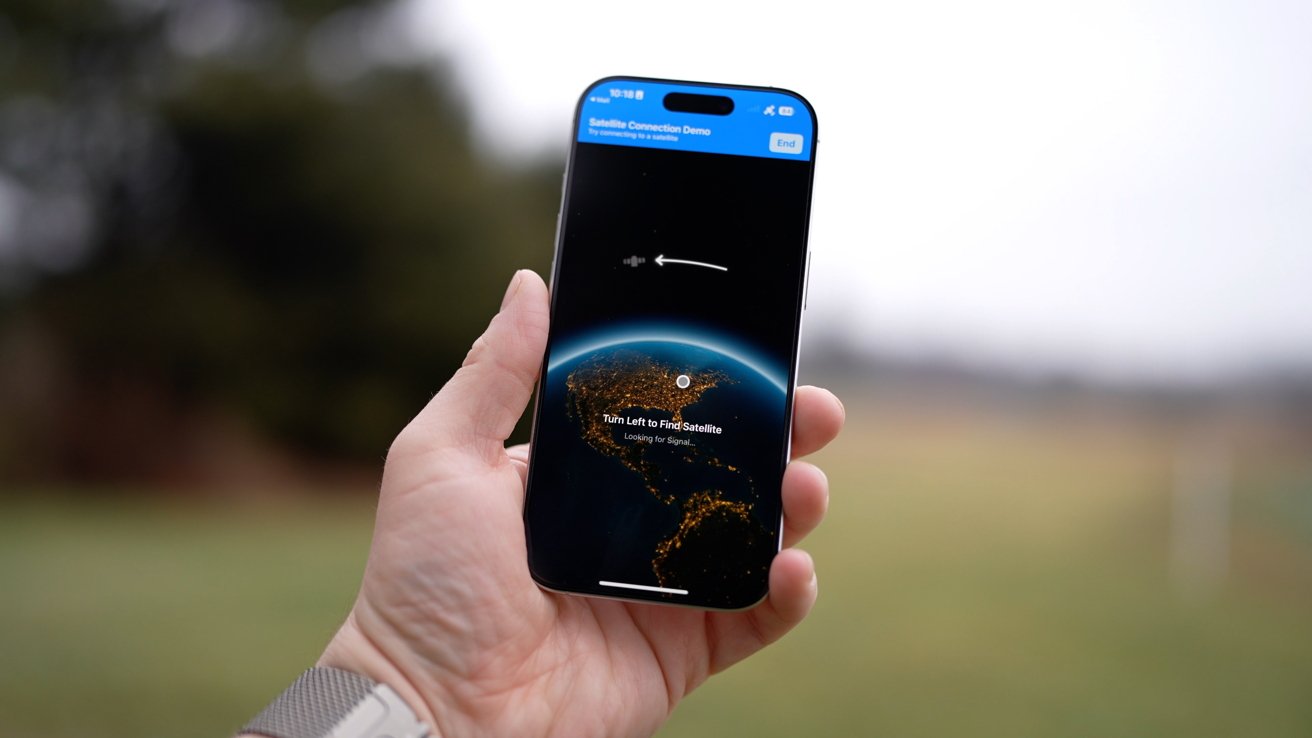
After years of ignoring Elon Musk's Starlink service, there are signs that Apple may have to give in if its iPhone satellite ambitions are to succeed.
Apple and Elon Musk do not have the best or most consistent relationship, but all's fair in business. Just as Apple continued to work with Samsung even as the two sued each other, so it's possible that it might make a deal with Musk's Starlink.
That is according to The Information, which posits that an Apple/Starlink deal might be on the cards because of certain factors. None of this has been confirmed by Apple, Starlink, or Apple's current satellite provider Globalstar, but reportedly:
- New SpaceX satellites can support iPhones
- Globalstar's CEO is talking about selling the firm
- Globalstar has warned investors of its dependence on Apple
That first may be key. It concerns the next generation of Starlink satellites and the claim is that SpaceX has specifically added support for the same radio spectrum that Apple current uses.
This would mean that over the next few years, switching to Starlink satellites could be a reasonably straightforward job.
Then the claim that Globalstar is looking to sell up is more curious. The Information concludes that this is a signal that the satellite firm and Apple are seeking more independence from each other.
However, Apple has invested $1.1 billion in Globalstar. While not stated, the conceivable conclusion is that Globalstar would be better positioned if it were bought by a larger company.
That ties in to the point about Globalstar's warning to its investors. If it's true that Globalstar is now deeply reliant on Apple, it surely has a duty to tell its shareholders that.
Plus Apple does have a tendency to drop suppliers after making them invest in growing their businesses.
There are two firms here who would have an interest in buying Globalstar, and the report entirely ignores the obvious one. Given that Globalstar reportedly wants $10 billion and Musk just spent $17 billion on more of the wireless spectrum, clearly SpaceX could buy the satellite firm.
Apple is the other potentially obvious contender, but the report says that it will not buy Globalstar. That's because Apple does not want to become a carrier — and be regulated as one — which buying the satellite firm would surely mean.
As an aside, the report says that this is also the reason that Apple keeps extending the free use period of its satellite services. Charging users might also catch a regulator's eye.
Why Apple might want to switch
There is a claim that Globalstar's network is slower than Starlink's, but like Wi-Fi or carriers, there are nearly an infinite number of variables that make this impossible to claim with certainty. This may be why Apple began with emergency messages via satellite, and has only slowly expanded.
With Starlink, it's said that iPhone users could get full internet access — or at least when they are outdoors.
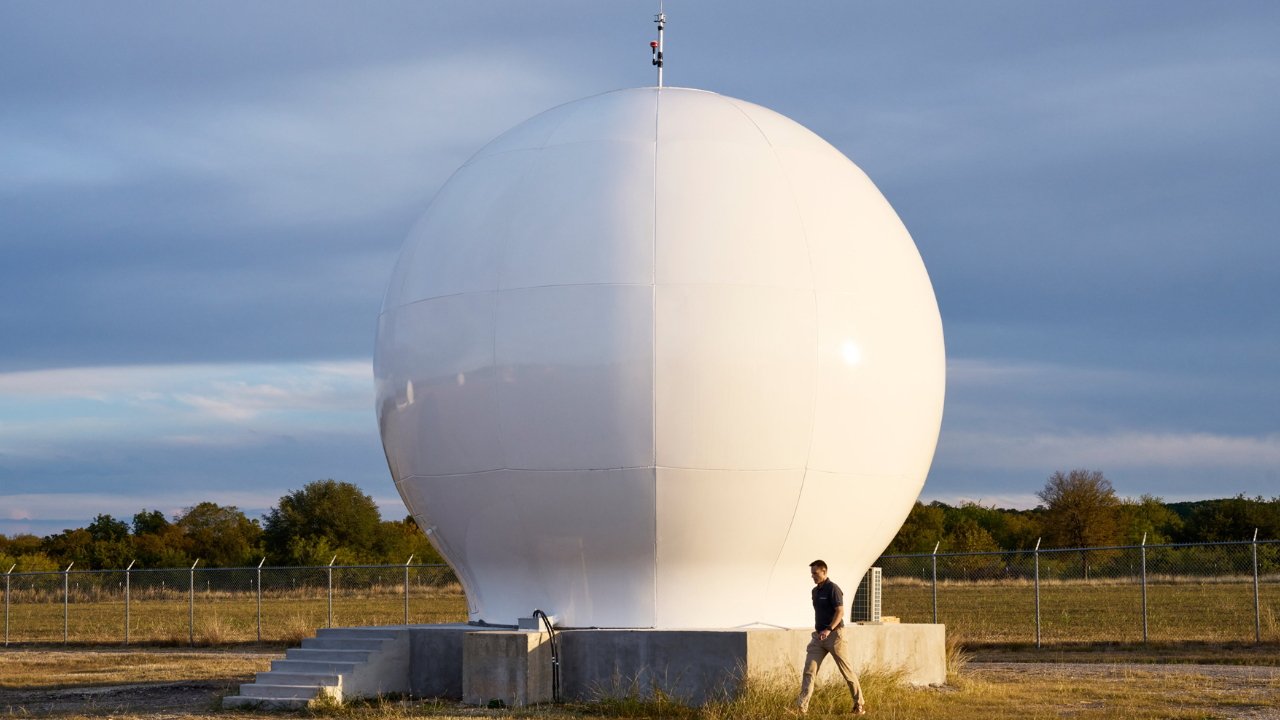
Globalstar ground station — image credit: Globalstar
Then for perhaps these reasons, it's claimed that some within Apple are skeptical of Globalstar. They reportedly want to partner with SpaceX.
There are also reports that Apple intends to support non-terrestrial 5G in future iPhones. AT&T has already confirmed it has been working on satellite voice calls and broadband for 5G iPhones.
Why Apple might have to switch
Starlink works by launching very many low-cost satellites at once, and the practice has led to it dominating the sky. Reportedly around 60% of active satellites in Earth orbit are Starlink.
The company therefore dominates the industry, and it's only likely to grow further. That $17 billion acquisition of the spectrum previously used by EchoStar only strengthens Starlink's position.
Then previously SpaceX has reportedly lobbied federal regulators to stop or at least slow down Globalstar and Apple's satellite expansion. Globalstar applied to the FCC to use more spectrum bands, and SpaceX says it isn't using what it already has.
Apple could have had Starlink before
Apple has already brought support for Starlink, at least via T-Mobile. It was introduced in beta with iOS 18.3 in January 2025.
But it could have had more, Apple could have chosen to be entirely dependent on Musk's SpaceX. In 2022, Elon Musk offered Apple satellite connectivity for the iPhone, and gave Tim Cook 72 hours to say yes.
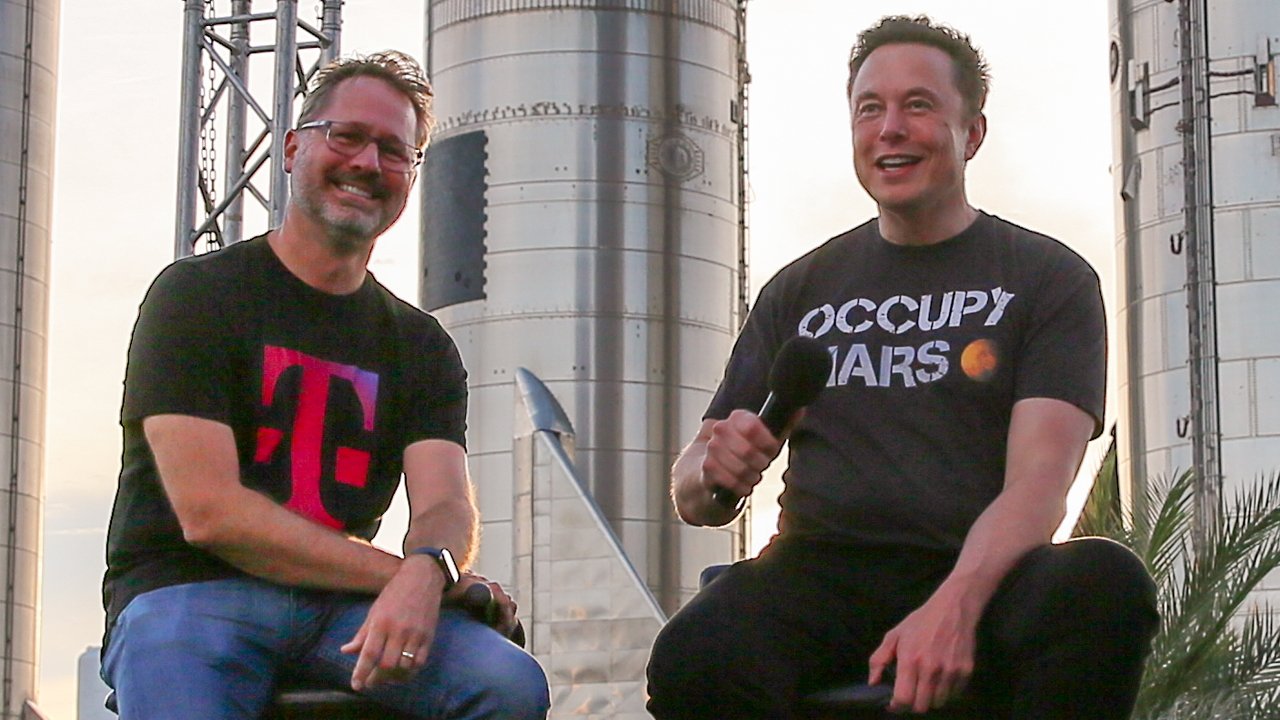
T-Mobile CEO Mike Sievert (left) and SpaceX's Elon Musk (right)
Tim Cook said no. It's not known if the waited the whole 72 hours.
It is known that Musk said if Apple didn't take the offer, he would make them regret it. He didn't put it quite like that, he said he'd make his own satellite service that could run on iPhones.
That doesn't sound like a deal-breaker. And the reported cost that Musk was going to charge Apple — $5 billion up front, then $1 billion annually — wasn't much of a deterrent either.
Musk did then wait until the eve of Apple's satellite unveiling to pre-announce that his SpaceX was partnering with T-Mobile. By May 2025, it was still only in beta.
And by later in 2025, Musk was throwing frivolous lawsuits at Apple. Plus he tends to complain about App Store fees — while ignoring Tesla's similar service — until Tim Cook calms him down with a tour of Apple Park.
Then there's Musk's claim that he'll just make a smartphone to rival the iPhone if Apple ejected Twitter from the App Store. And he joined Twitter's board of directors, until he decided he didn't want to.
It sounds like going for Globalstar over Starlink just made life easier for Apple. But if it can't provide the service that SpaceX can, maybe Apple would elect to join forces with Musk.