Apple's orderly CEO handoff is already being interpreted by analysts as an AI turning point, despite little evidence the company is changing course.
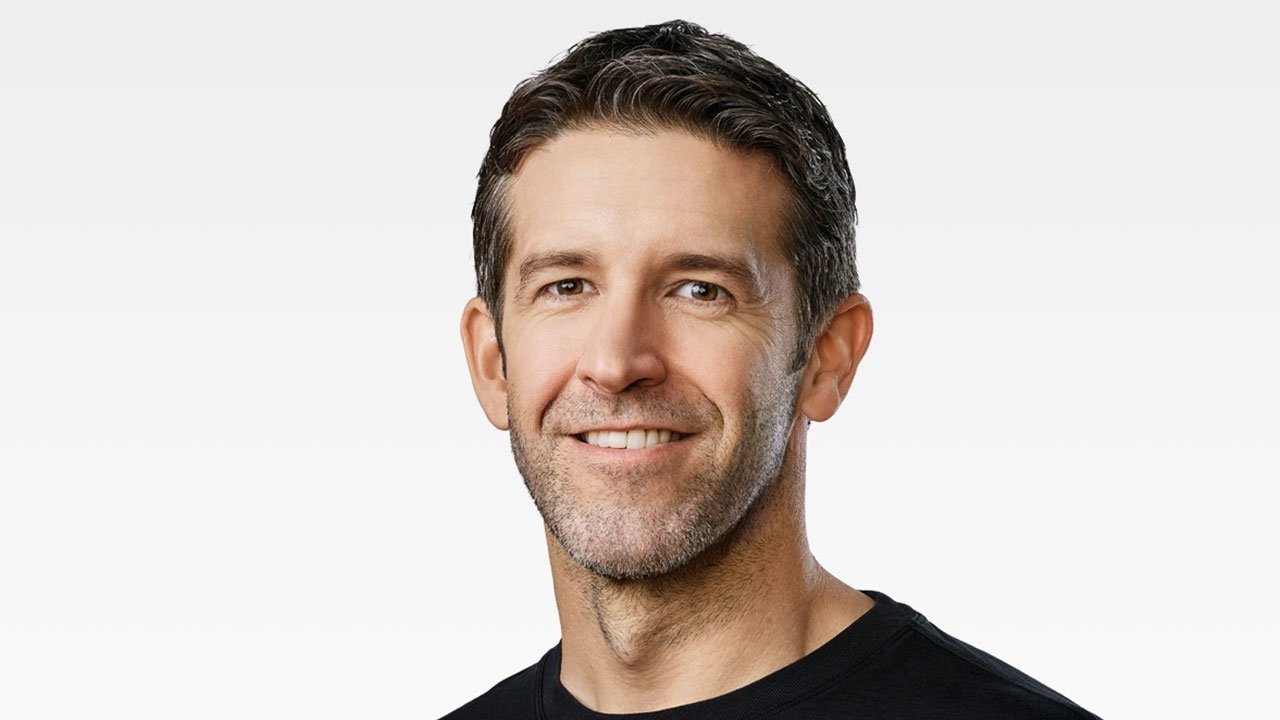
The company announced that Tim Cook will move into an executive chairman role later in 2026, with senior vice president of hardware engineering John Ternus stepping in as CEO. The transition is set for September and follows what Apple describes as a long-running succession plan.
Cook will remain involved at the board level and continue policy engagement, keeping him tied to Apple's broader direction. Ternus, a long-tenured leader within Apple's hardware organization, will assume day-to-day operations.
Analysts, however, are framing the move as a pivot point, with artificial intelligence shaping much of the interpretation around what comes next.
Deepwater: Ternus can reset the narrative around AI
Deepwater said Ternus has an opportunity to "supercharge Apple's multiple by changing the narrative," pointing to artificial intelligence as the center of that shift. The firm framed the transition less around operations and more around how investors think about Apple's future.
"Ternus has an opportunity to supercharge Apple's multiple by changing the narrative."
Gene Munster at Deepwater expects Ternus to reposition Apple as an AI leader, similar to how Cook reshaped the story around Services. He views AI as a catalyst for valuation and emphasizes that success relies on investor confidence as much as execution.
Evercore: timing reflects strength, not urgency
Evercore said the board viewed the transition as an "opportune time" given how well the business is performing. The firm described the move as the result of long-term succession planning rather than a reaction to near-term challenges.
Evercore also noted that the executive team is familiar with Ternus and does not expect disruption from the change in leadership. "The board viewed this as an opportune time to execute the CEO transition given how well the company is doing."
The interpretation centers on stability. Evercore views the transition as a controlled decision made from a position of strength, with Apple's strategy continuing rather than shifting in response to external pressure.
JP Morgan: hardware leadership fits Apple's next phase
JP Morgan described the appointment as the elevation of a "product/hardware focused executive," reflecting the demands of the next cycle where new form factors could shape how consumers engage with AI.
"We view the announcement positively with the elevation of a product/hardware focussed executive to the top role, particularly given the backdrop of intense market competition to deliver next generation form factors."
The firm sees the move as a logical fit given rising competition to define the hardware that will deliver AI experiences. JPMorgan also highlighted investor focus on execution, including the evolution of Services priorities and Apple's approach to a more personalized Siri.

Analysts are all in for the AI race to the top
JP Morgan emphasizes continuity and execution rather than a dramatic shift. The focus remains on how Apple builds and delivers products, with AI treated as an extension of that foundation.
Morgan Stanley: transition unlikely to change Apple's core strategy
Morgan Stanley said the CEO transition is unlikely to change Apple's core strategy, describing the move as a continuation of existing priorities rather than a shift in direction.
The firm highlighted Apple's consistent operating model and long-term product roadmap. Morgan Stanley also pointed to the company's history of evolving through leadership transitions without resetting its approach.
The view reinforces a more grounded interpretation of the change, with Morgan Stanley treating the transition as evolutionary rather than transformational. The analysis contrasts with more aggressive takes that frame the move as an immediate pivot toward artificial intelligence.
Rosenblatt: promotion signals confidence in existing strengths
Rosenblatt said promoting Ternus reflects Apple "leaning into its hardware successes," framing the move as a continuation of what already works. The firm said the timing suggests Apple feels confident about near-term performance.
The analysis points to stability in the company's core approach rather than a strategic reset. "Promoting John Ternus, the SVP of Hardware Engineering, to CEO says Apple is leaning into its hardware successes, which makes sense to us."
Rosenblatt's interpretation differs from more aggressive perspectives. The firm views the leadership change as an extension of Apple's existing strengths, focusing on execution within a familiar model rather than a rapid shift.
Wedbush: "shocker" transition raises immediate AI pressure
Wedbush described the announcement as a "shocker headline" and highlighted the timing as a source of uncertainty for investors. The firm said the move will put immediate pressure on Apple to deliver on its artificial intelligence strategy as WWDC approaches.
Analysts added that Cook's exit coincides with what they see as a critical phase in Apple's AI roadmap. "This will put even more pressure on Apple to produce success and its product roadmap at WWDC with AI front and center."
Wedbush treats the transition as a near-term test of execution, even though Apple has positioned it as part of a long-term plan. The emphasis on WWDC as a proving ground appears driven more by investor expectations than by any explicit signal from the company.
Wall Street sees an AI pivot, Apple signals continuity
Apple is changing leaders, but the company hasn't indicated a change in direction. Analysts largely agree on the strength of the transition and the depth of Ternus's experience.
Many interpretations focus heavily on artificial intelligence as the defining factor. The emphasis reflects current investor attention more than Apple's historical approach to introducing and scaling new technologies.
WWDC will be the next major spotlight on Apple, although it's not likely that Ternus will already be at the helm in keynotes. But expectations are already building around how the company presents its AI direction, even if the leadership transition itself isn't the focus of the event.
Apple tends to integrate new capabilities across hardware and software over time rather than chase industry narratives. Ternus inherits that model, and any meaningful shift in direction will take years to fully play out across products and platforms.
Tim Cook spent much of his tenure being compared unfavorably to Steve Jobs, before his strategy around scale and Services reshaped how Apple was evaluated. Ternus now steps into a similar role, where expectations will be set quickly but judged over years.