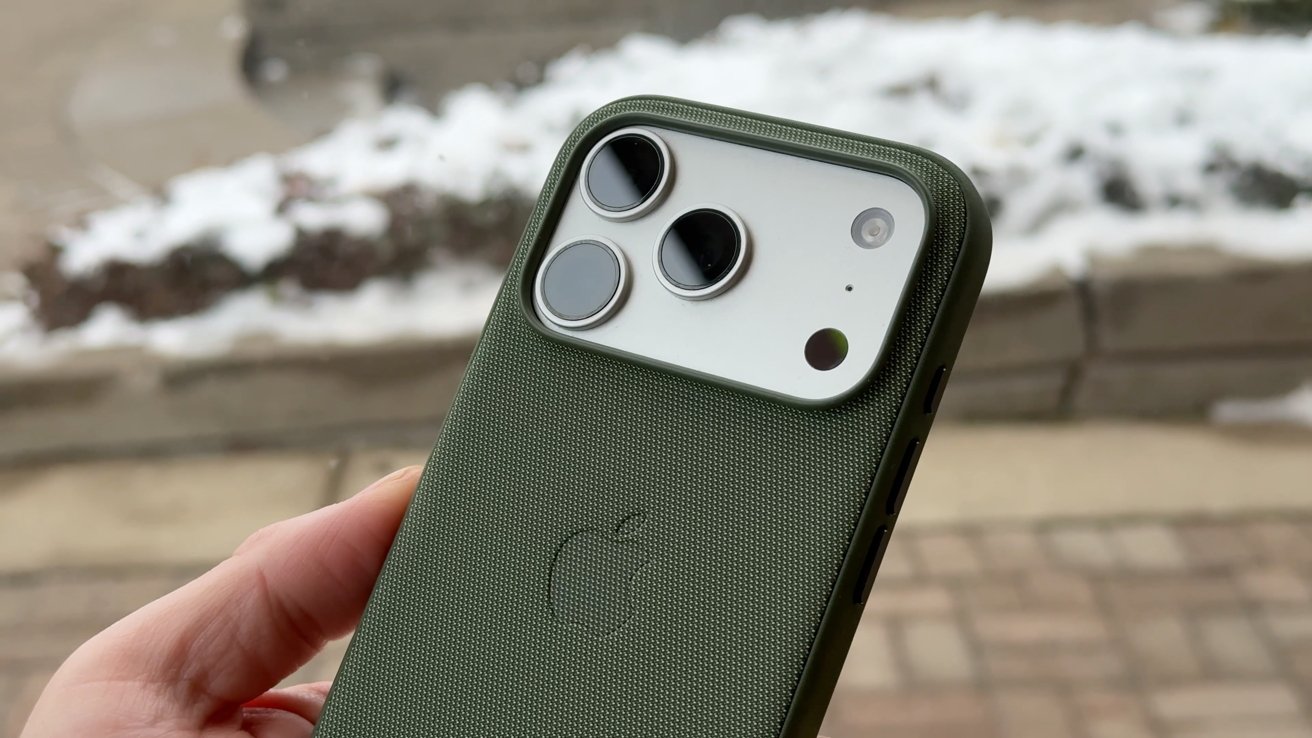
The iPhone 18 Pro's camera specs are solidifying, thanks to a repeated claim that portrait shots will be improved thanks to the inclusion of variable apertures.
On April 16, a report claimed the iPhone 18 Pro and iPhone 18 Pro Max will gain an often-rumored variable aperture camera system, and that the model was entering production. A week later, a leaker has doubled down on the story.
In a Wednesday post to Weibo, leaker Digital Chat Station ran down a list of photographic changes Apple is working on for the iPhone, for inclusion in the future. That list includes:
- Variable apertures
- A 1/1.12-inch super-large main camera sensor
- An optical image stabilization for the ultra-wide lenses
- A 200MP telephoto camera
While the account did bring up the high-resolution sensor on Tuesday, the latest Weibo post concludes by saying the iPhone 18 Pro line will probably be the first to use variable apertures. The evaluations for the component have supposedly gone smoothly, and the other technologies will arrive in later generations.
They add that a key to this is the use of a "slightly curved aperture." However, the account again doesn't go into details about what this will do for users.
As for the rest of the specifications for the iPhone 18 Pro and Pro Max, you can expect them to be close to what is already provided in the iPhone 17 Pro versions. That would include three 48MP sensors, an 8x telephoto capability, and macro support.
Variable and curved apertures
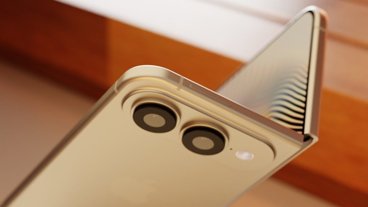
The idea of a variable aperture is to get away from the problem smartphone cameras have in typically using a fixed aperture. This refers to the hole that lets light into the sensor.
In a normal camera, the aperture is adjustable, changing how much light hits the sensor and affecting the final shot in various ways. This can affect the number of in-focus items in an image, the amount of bokeh blurriness, and how long the shot needs for a proper exposure.
However, due to the severe space constraints in a smartphone, there's little room for the motors or servos needed to adjust the aperture. The variable aperture rumor would reintroduce this capability.
For Apple and end users, this would mean being able to properly bring back focus control to smartphone photography. Instead of relying on computational photography to fake bokeh, the camera can do the real thing without the extra processing.
A curved aperture is an interesting concept, as it is used in a variety of different ways. For an iPhone, this could result in a more circular bokeh "ball" effect that's also softer and more aesthetically pleasing.
There's also the possibility of sharper images and the need for fewer optical corrections of an image, all by increasing the control of light before it hits the camera's sensor.
For consumers, this can mean a creamier bokeh for portrait shots and a better base for Apple's image processing to work with.
Speaking of curved elements, there's also an Apple patent from 2016 for a spherical photosensor and lens array. The idea would be to use a concave sensor surface and specially crafted lenses to increase the amount of light hitting each pixel of the sensor.
The result would be sharper and low-distortion images, despite the curved sensor.
Alas, despite the patent being ten years old, Apple has yet to incorporate it in an iPhone or iPad.
A long-time rumor
Weibo leakers are notorious for repeating claims sourced from elsewhere and generally not being that accurate. This is also the case for Digital Chat Station, with sporadic accuracy and a penchant for repeating rumors.
In this instance, the account appears to be piggybacking on the April 16 report, adding very little new information. The only real addition is the mention of a curved aperture.
Previous comments go back to 2024, with claims the variable aperture would arrive in the iPhone 17, followed by assertions that it will appear in the iPhone 18 Pro range instead.
This is also far from the first time Digital Chat Station has mentioned this particular rumor. There were mentions in October 2025 supposedly sourced from the supply chain about variable apertures, which were resurfaced by the account in February 2026.