Apple delivered a strong March quarter on April 30 driven by iPhone demand, a rebound in China, and resilient margins, but analysts say the results still don't answer what will drive the company's next phase of growth.
The company's fiscal second-quarter results, reported April 30, beat Wall Street expectations on revenue, profit, and guidance, with strong iPhone demand driving the upside. The quarter confirms solid execution but doesn't change Apple's long-term growth story.
Revenue reached about $111.2 billion with earnings per share of $2.01, beating estimates and continuing a pattern of outperformance. Upside came from iPhone demand, stronger performance in China, and resilient margins supported by Services.
Execution remains strong while investors still want a clearer path for growth tied to artificial intelligence and new products. The quarter answers near-term questions on demand and profitability and leaves the company's long-term growth story unresolved.
Bank of America: Installed base supports future upgrade demand
Bank of America pointed to Apple's installed base of more than 2.5 billion active devices as a key driver of future growth. Record upgrade activity in the quarter shows strong engagement, but only a portion of that base refreshes devices each year, reinforcing the cyclical nature of demand.
The firm said that scale creates a clear path for future growth if new features tied to Apple Intelligence and Siri drive upgrades. Apple's ability to convert that large installed base into new device sales will remain central to sustaining growth beyond the current cycle.
Deepwater: iPhone cycle peaks as focus shifts to AI-driven demand
Deepwater's Gene Munster said the quarter reflects an iPhone-driven upgrade cycle that has pushed growth sharply higher in recent quarters. iPhone revenue growth rose from low single digits to the mid-teens, with recent quarters nearing 20% growth.
The jump points to a surge in upgrades that defines a supercycle. Strong performance is now raising questions about how long the pace can last.
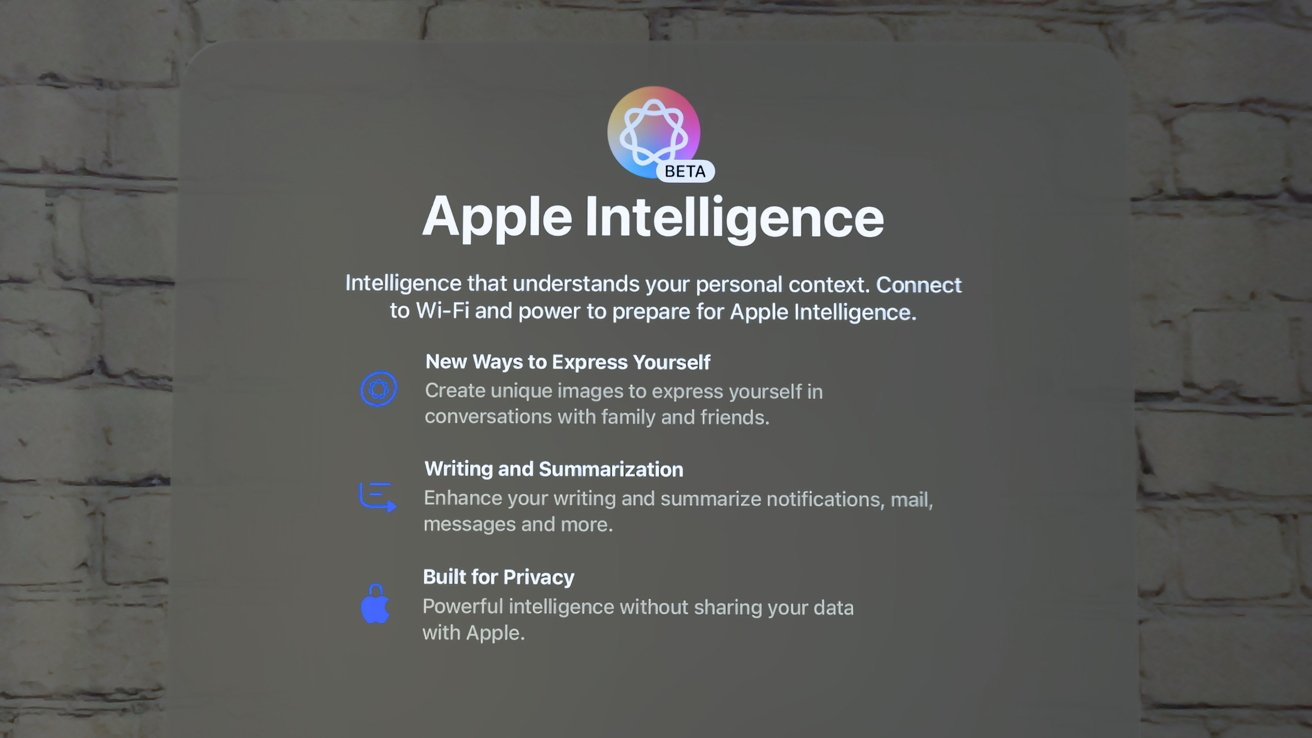
Scale creates a clear path for future growth if new features tied to Apple Intelligence and Siri drive upgrades
Wall Street estimates point to iPhone growth slowing to around 5% in 2027, a sharp drop from recent levels that suggests the current cycle may be nearing a peak. Attention is now shifting to whether new features tied to Apple Intelligence and Siri can sustain demand and drive the next round of upgrades.
Munster said a large portion of the installed base has yet to upgrade in this cycle, leaving room for further growth if new AI-driven capabilities prove compelling enough to accelerate replacement demand.
Evercore ISI: Broad-based growth drives upside
Evercore described the quarter as a solid beat driven by growth across both products and regions, with iPhone leading the way. Revenue rose 17% year over year, with iPhone sales around $57 billion, reflecting continued strength in premium devices and stronger performance in China.
China drove a major share of the quarter with about 28% growth, turning a recent headwind into a clear source of momentum. Gains across other international markets reinforce a broad-based performance rather than reliance on a single product.
Margins beat expectations, with gross margin reaching about 49.3% on a favorable product mix and stronger product profitability. Supply constraints tied to advanced components likely limited additional upside, and rising memory costs remain a factor heading into the June quarter.
Goldman Sachs: Supply constraints masked stronger demand
Goldman Sachs said Apple's results likely understate underlying demand, with supply constraints limiting growth in key products such as iPhone. The firm estimates revenue could have been roughly 200 to 300 basis points higher without those limits, pointing to demand that exceeded available supply.
Limited component availability, rather than weak demand, capped how much of that growth showed up in reported results. The dynamic suggests Apple's current momentum remains stronger than headline numbers indicate, even as supply continues to act as a near-term constraint.
Investing.com: Strong execution, but no shift in growth narrative
Supply constraints have emerged as a key variable shaping near-term results, even as demand remains strong. How quickly Apple can secure additional component supply will determine how much of that underlying demand converts into reported growth in the coming quarters.
Investing.com took a more measured view, calling the results strong but not transformative. The quarter confirms that the current product cycle remains healthy, especially in iPhone and China, without signaling a change in the overall growth trajectory.
Services reached a record high and supported margins while strong hardware revenue kept the overall mix largely unchanged. Apple remains driven by hardware cycles, with Services acting as a stabilizing force rather than a standalone growth engine.
The firm also pointed to Apple's capital allocation, including a new $100 billion share buyback, as evidence of continued financial strength. Questions remain about whether increased spending on AI and research will translate into a larger revenue opportunity over the next several years.
JPMorgan: Margin strength and supply discipline stand out
JPMorgan highlighted Apple's ability to outperform on margins despite ongoing concerns about memory costs and component pricing. Gross margin again exceeded expectations, reflecting a combination of pricing power, premium product mix, and expansion in higher-margin Services revenue.
The firm also emphasized share gains across key product categories, driven by strong demand and effective supply chain management. Supply constraints limited some iPhone upside in the March quarter, but those pressures are expected to ease, pointing to potential demand recovery in the June period.
JPMorgan expects revenue to keep growing on strong product demand and Services. Increased spending on AI and operating expenses could weigh on earnings growth in the near term.
Needham: AI demand tightens supply and raises execution risk
Needham highlighted rising risks in Apple's supply chain as AI-driven spending by Amazon, Google, and Meta tightens availability of key components. Competition for advanced nodes and memory is increasing as hyperscalers pay more to secure supply, putting pressure on Apple's access and costs.
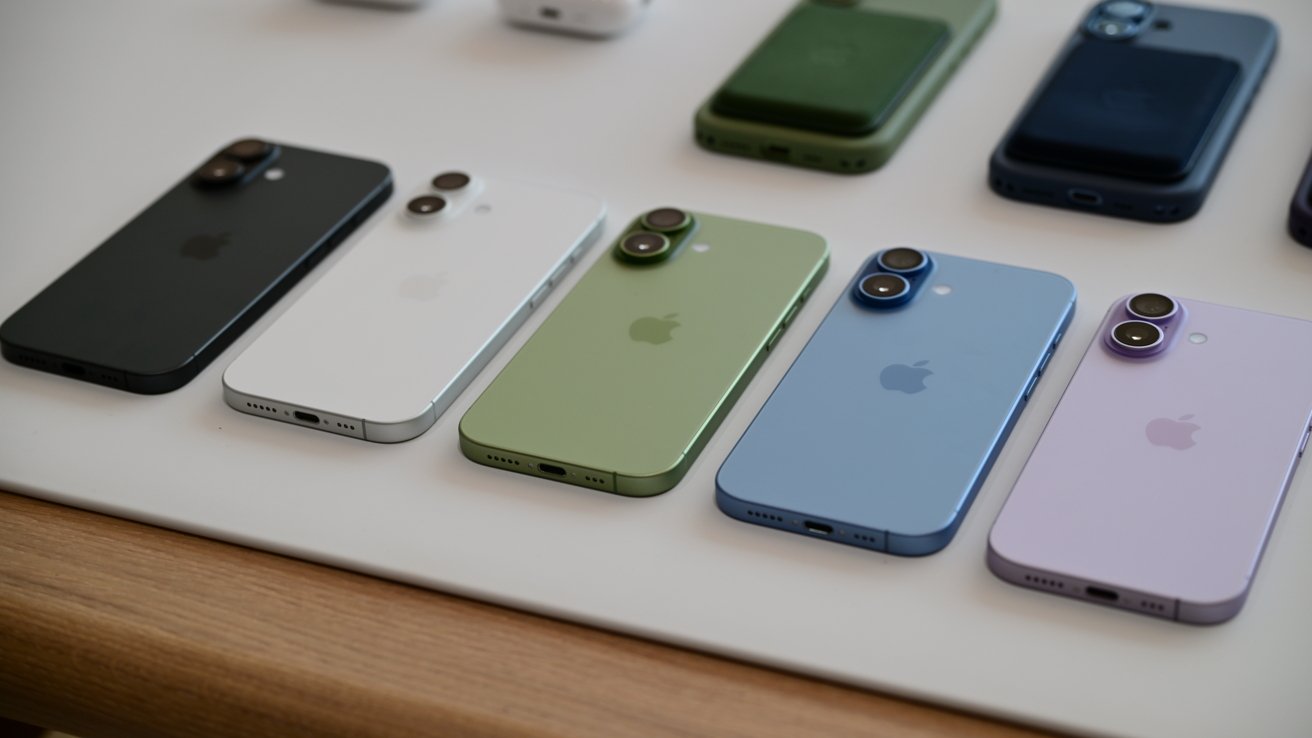
Apple's iPhone 17 lineup has been popular
The firm said those dynamics could lead to higher component prices, delays, or slower growth if constraints persist. Supply limitations were already a key topic in the quarter, making Apple's ability to manage availability and pricing a critical factor in sustaining current momentum.
Oppenheimer: AI investment is ahead of revenue impact
Oppenheimer said Apple's push into artificial intelligence remains early, with investment ramping ahead of clear revenue contribution. Apple Intelligence and improvements to Siri have yet to drive a measurable change in upgrade behavior, leaving the current cycle primarily supported by hardware demand.
The firm pointed to upcoming software updates, including features expected at WWDC and through future OS releases, as a key test for whether AI can drive the next phase of growth. Apple's ability to turn those features into must-have capabilities tied to newer devices will determine how quickly that investment translates into upgrade demand and revenue.
Wedbush: iPhone supercycle and guidance drive bullish outlook
Wedbush took the most bullish stance, pointing to what it described as an iPhone "supercycle" driving the quarter's outperformance. Strong demand across geographies, particularly in China, supported double-digit growth in both iPhone and Services revenue.
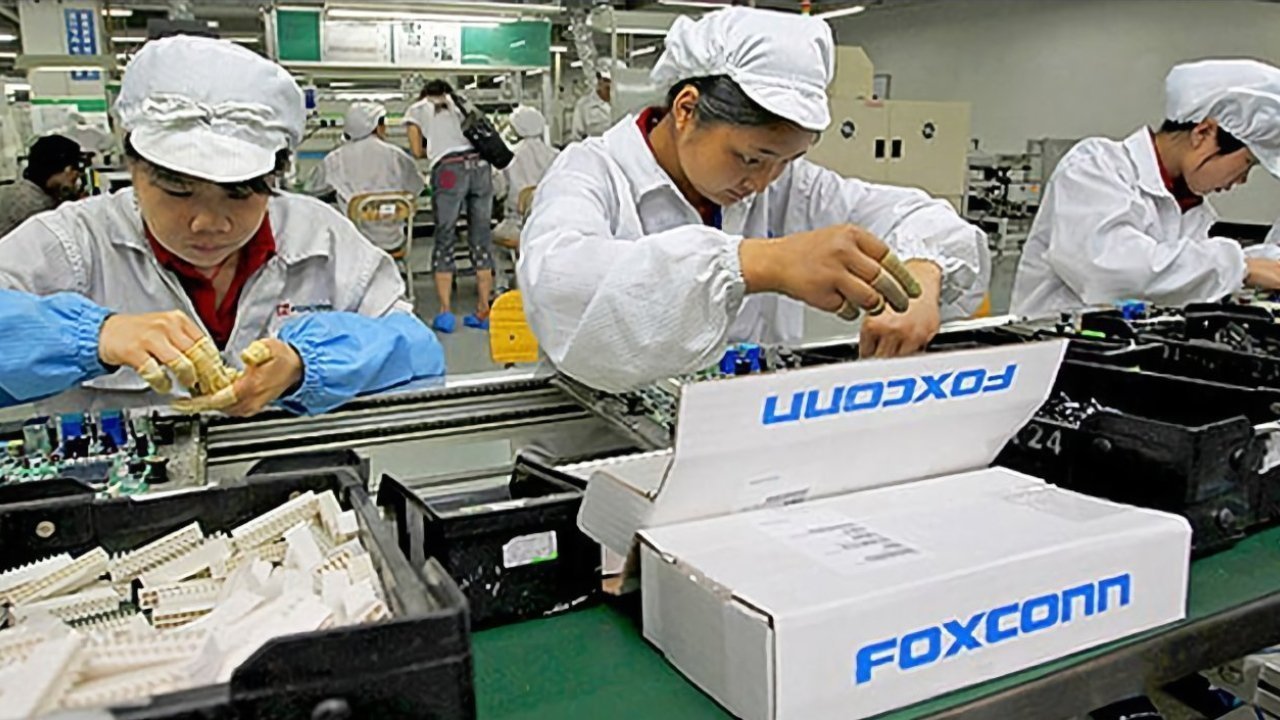
Competition for advanced nodes and memory is increasing as hyperscalers pay more to secure supply
Guidance for the June quarter was a key positive, with Apple forecasting revenue growth of 14% to 17%, well above consensus expectations. The outlook, combined with continued iPhone momentum, supports a strong setup heading into the next product cycle.
The firm also pointed to upcoming catalysts, including Apple's WWDC developer conference and its evolving AI strategy, as potential drivers of further upside.
Apple's quarter reinforces a pattern of strong product demand, improving international performance, and steady margins. Near-term momentum is intact, but the results stop short of a turning point, leaving the next phase of growth tied to how well AI and future products drive new revenue.
Rising memory costs are emerging as a near-term pressure point, driven by increased demand tied to AI workloads. Those costs could weigh on margins in the coming quarters even as revenue growth remains strong.
Leadership will shift from Tim Cook to John Ternus later in 2026, with Cook known for operational discipline and Services expansion and Ternus tied to hardware execution. The transition points to continuity in a product-led strategy rather than a sharp pivot.