Apple software chief Craig Federighi will be taking part in xAI's antitrust lawsuit against Apple and OpenAI over Grok's treatment in the App Store, but Tim Cook seemingly won't be.
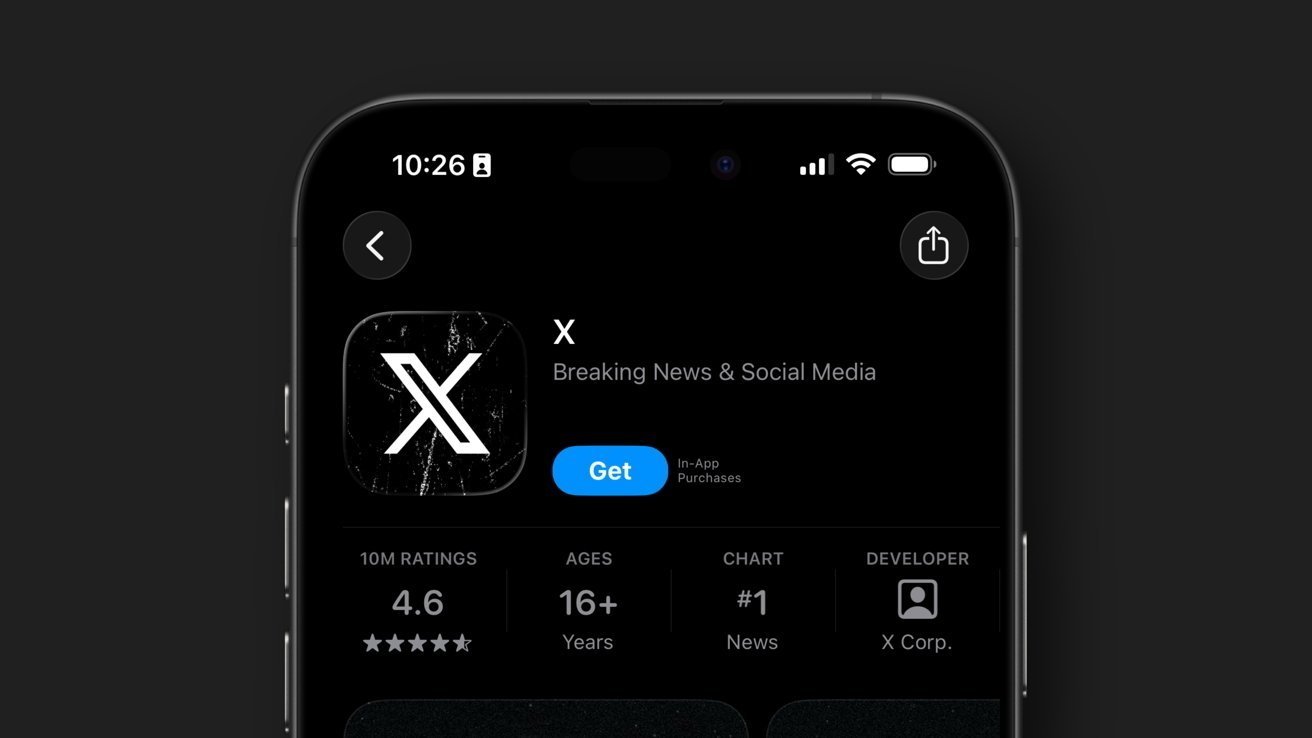
In August 2025, Elon Musk's xAI sued Apple and OpenAI, claiming that a partnership between the two affected Grok's standings in the App Store. Specifically, Musk's xAI accused Apple of bias in its App Store rankings, preventing Grok and X from getting the top spot in favor of ChatGPT.
As the antitrust lawsuit rolls on, it has now brought Apple SVP of Software Engineering Craig Federighi into the matter.
In a filing with the U.S. District Court for the Northern District of Texas on May 13, spotted by 9to5Mac, X Corp and xAI attempted to make Craig Federighi and CEO Tim Cook custodians. This refers to parties who are most likely to have pertinent information or sufficient access to details for the lawsuit to proceed.
The argument was that both Cook and Federighi had made "high-level, strategic decisions about the Apple-OpenAI Agreement," the filing states.
The court granted that Federighi should be a custodian, and that the plaintiffs successfully argued he may have "unique relevant evidence." This includes information relating to Apple's integration of OpenAI services into Apple Intelligence, because the SVP was almost certainly a key decision maker.
However, while there is an attempt to make Cook a custodian too, the court rejects this. The court says there's no explanation for how Cook would have any unique relevant evidence that hasn't already been produced, nor that Federighi would be able to provide.
Following this designation, Federighi has to provide responsive discoverable documents by June 17, 2026.
Employee rules, consumer use
While xAI was partially successful in its demands, it certainly wasn't in others.
Late in the filing, the court explains it was asked by xAI to force Apple to produce all documents about internal policies concerning employee usage of generative AI and chatbots.
However, the court disputes the need for this, since it is unclear how Apple's internal policies relating to employee AI usage would relate to the antitrust claims. Employee AI usage doesn't directly impact App Store rankings, the court proposes.
The reasoning from xAI was that Apple touted the safety of OpenAI's products, but was concerned enough to impose limits and rules on how employees used them. The court disagrees because Apple's imposition of guardrails on employee usage doesn't mean Apple is "misrepresenting" the safety and privacy of programs to the public.
As such, the court denied the document demand.
Not all demands were from xAI either. OpenAI moved to require Musk to present emails at Tesla and SpaceX, as well as other communications, by June 3.
That demand was granted by the court.