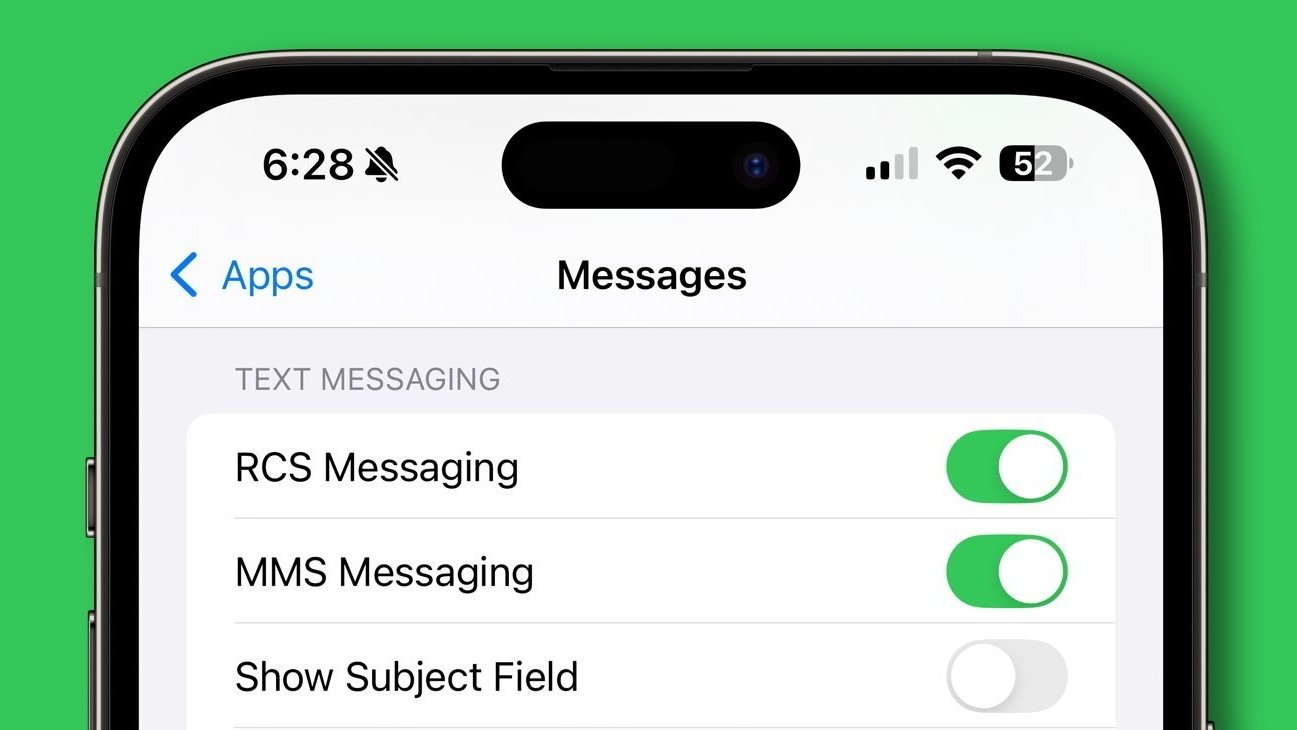
Like a schoolyard bully, Google started the blue and green iPhone and Android user message bubble fight, and after taking a beating, it wants it to stop now.
Previously, Apple users had Messages which show up as blue bubbles, but Android people in the same chats were shown in green ones. Behind that trivial difference, there was another trivial difference — Android users were limited to old-style SMS and couldn't exchange images and videos with iPhone users.
Outside of the US, iPhone users have to stop to think which message bubbles are green and which are blue — because WhatsApp is so much more prevalent. Inside the US, Google continually failed to make an Android equivalent of Messages that worked, and so went another route from then right up to now.
At the 2025 Made by Google event, Adrienne Lofton, the company's vice president of marketing, decided to make it that Google didn't want anything to do with its own campaign.
"I'm going to say personally," she said in a YouTube live stream, "the green/blue bubble battle is silly and it's tired, and at Google, we're done with that conversation."
If you can't fix it, attack Apple
Google started all of this in 2022, when it went on the offensive and mocked Apple for, it claimed, still using SMS-style messaging technology. It offered to send over some engineers to help Apple implement that RCS standard, ignoring that it took years for Google itself to get that onto all Android devices.
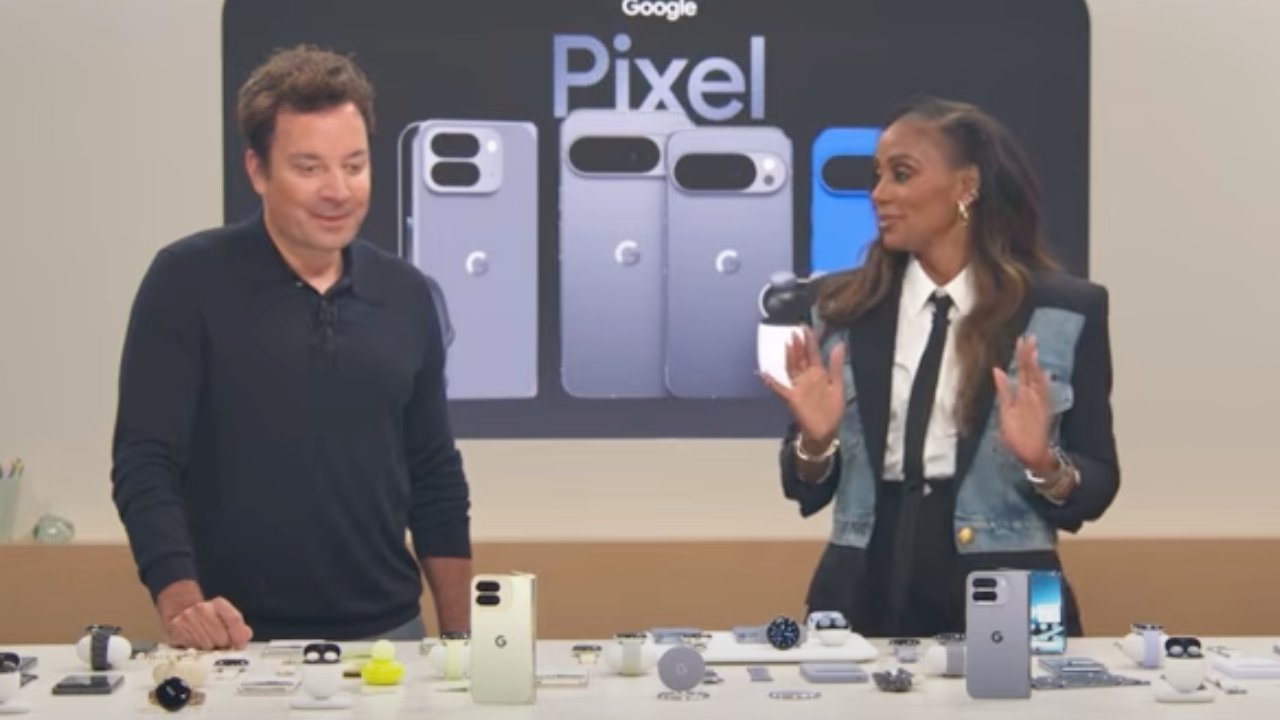
Google's Adrienne Lofton (right) decries the whole blue/green bubble debate her firm created — image credit: Google via YouTube
Launching its criticism of Apple on social media under the #GetTheMessage hashtag in 2022 and made a page on Android.com, and made a embarrassingly cheap video trolling Apple over Drake's track, "Texts Go Green."
Google was starting to get some attention for this nonsense, though, and enough so that later that year, Tim Cook was asked in the Code 22 conference why, for instance, a son can't exchange videos with his mother because she has an Android device.
"Buy your mom an iPhone," joked Cook. He also said that iPhone users weren't "asking us to put a lot of energy into [RCS] at this point."
Consistently from 2022 onwards, the line was that Google had this brilliant RCS technology and Apple was the villain for not adopting it. There were reports of blue-bubble iPhone users bullying green-bubble Android ones, and Google leapt on this, saying Apple deliberately encouraged this, which was "disingenuous for a company that has humanity and equity as a core part of its marketing."
Google pressed on, though, and in 2023 it made another video, but at least this time put some money behind it. Hiring the David Miami ad agency, it got a reasonably slick video that even won some awards.
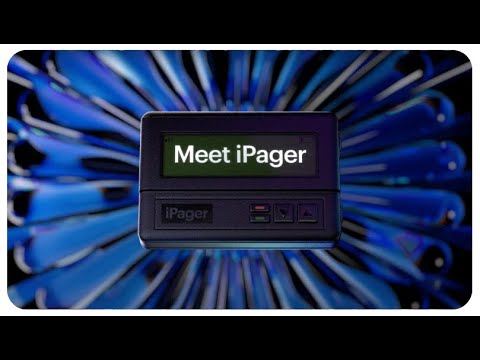
Google was still saying that RCS was the answer, and Google still hadn't managed to get RCS to work. But it had stirred up enough debate that, naturally, politicians saw an opportunity.
Apple's iMessage lock-in is a documented strategy. Using peer pressure and bullying as a way to sell products is disingenuous for a company that has humanity and equity as a core part of its marketing. The standards exist today to fix this. https://t.co/MiQqMUOrgn
— Hiroshi Lockheimer (@lockheimer) January 8, 2022
In 2024, Senator Elizabeth Warren decided we all care about color bubbles enough that she should get on board. So this senator with a business background went for it, accusing Apple of ruining relationships because of its blue bubbles instead of green ones.
She specifically and literally blamed Apple for this, but didn't seem to consider whether Google had any part in it. Mind you, this is a businesswoman who also argued that Apple's 49% US market share meant it is a monopoly.
It's time to break up @Apple's smartphone monopoly.
— Elizabeth Warren (@SenWarren) April 18, 2024
Also, c'mon, let's stop leaving green text people out of the group chats. It's just not right. pic.twitter.com/pr61Idf9yK
The facts remained the same, that Messages was a better and more secure service than RCS. Google did not have a sufficiently adequate or secure equivalent.
So all there was, was Google's marketing push and the claim said in its tweet about bullying that "the standards exist today to fix this." They did not. And Apple would surely have continued ignoring RCS as the insufficient technology it is.
But then in 2024, Apple was also facing regulatory pressure to open Messages up to other platforms, so it said go on then, we'll support RCS.
Yet Apple would not adopt Google's version of RCS, it went back to the RCS standards buddy, the GSM Association (GSMA), and worked to support its implementation. Then in 2025, Apple announced that it would be adding end to end encryption for RCS messaging.
After all those years pushing Apple to adopt what it called the better technology standard, Google had still not added end to end encryption. There would be no such encryption if it had been left up to Google, and if Apple hadn't stepped in.
So while you can argue that maybe Apple should have sent some engineers over to Google, all that really happened in this long tale is that Google tried successfully to stir up a green/blue bubble dispute.
Which it now wants to distance itself from, which it now wants to put behind it. That's possibly more noble than crowing that it won against Apple, but it's disingenuous for a company that goes around calling Apple disingenuous.