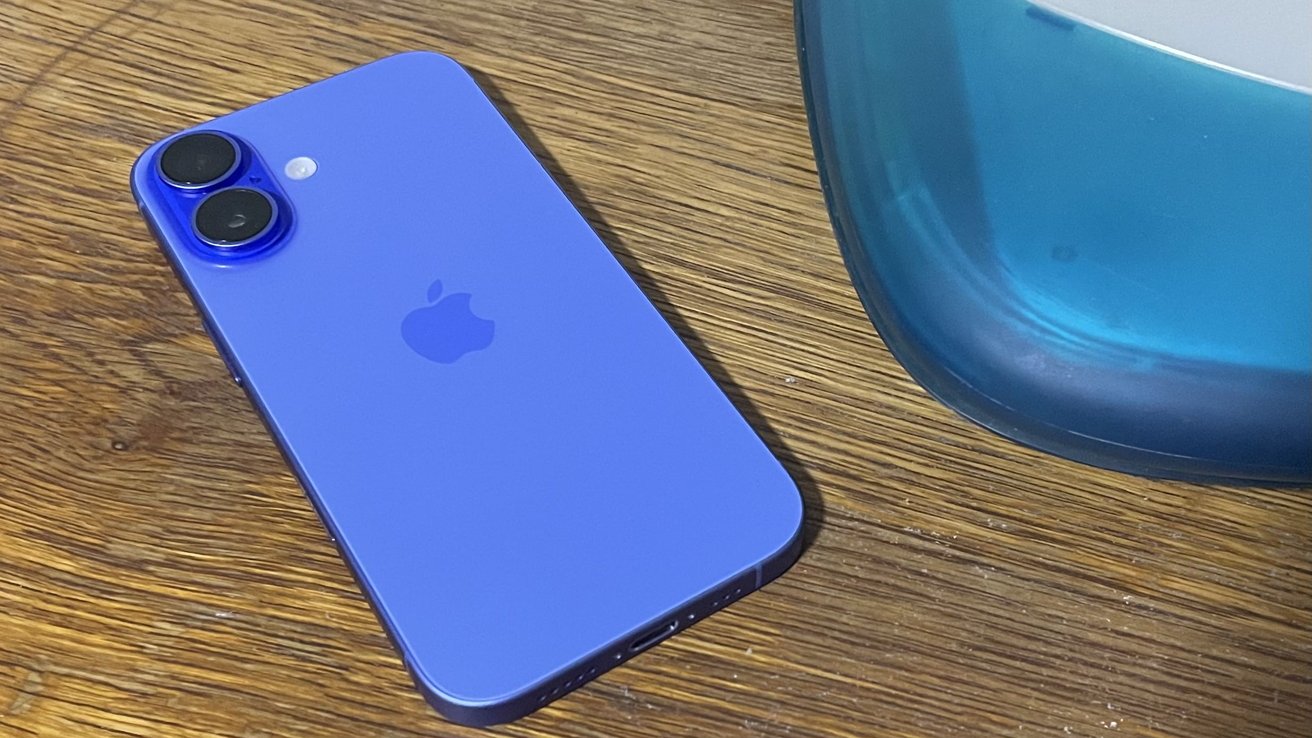
After a year of heavy use, the iPhone 16 still holds up, and I have absolutely no desire to update to the iPhone 17.
When it launched, the iPhone 16 looked noticeably different from its predecessor, the iPhone 15. Bold color options and a redesigned camera bump made the iPhone 16 stand out as a new device.
In September 2025, a year after it debuted, the iPhone 16 remains a great option for those looking to upgrade. The battery life will easily last you an entire day. Performance has also been greatly improved, relative to older models.
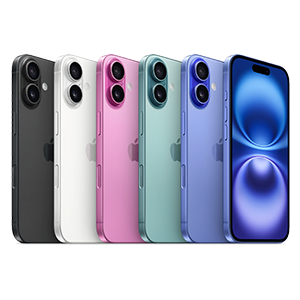
iPhone 16
iPhone 16 review one year later: Design and size
The Ultramarine color option is eye-catching. The rear cameras' vertical alignment, meanwhile, is a long-overdue change.
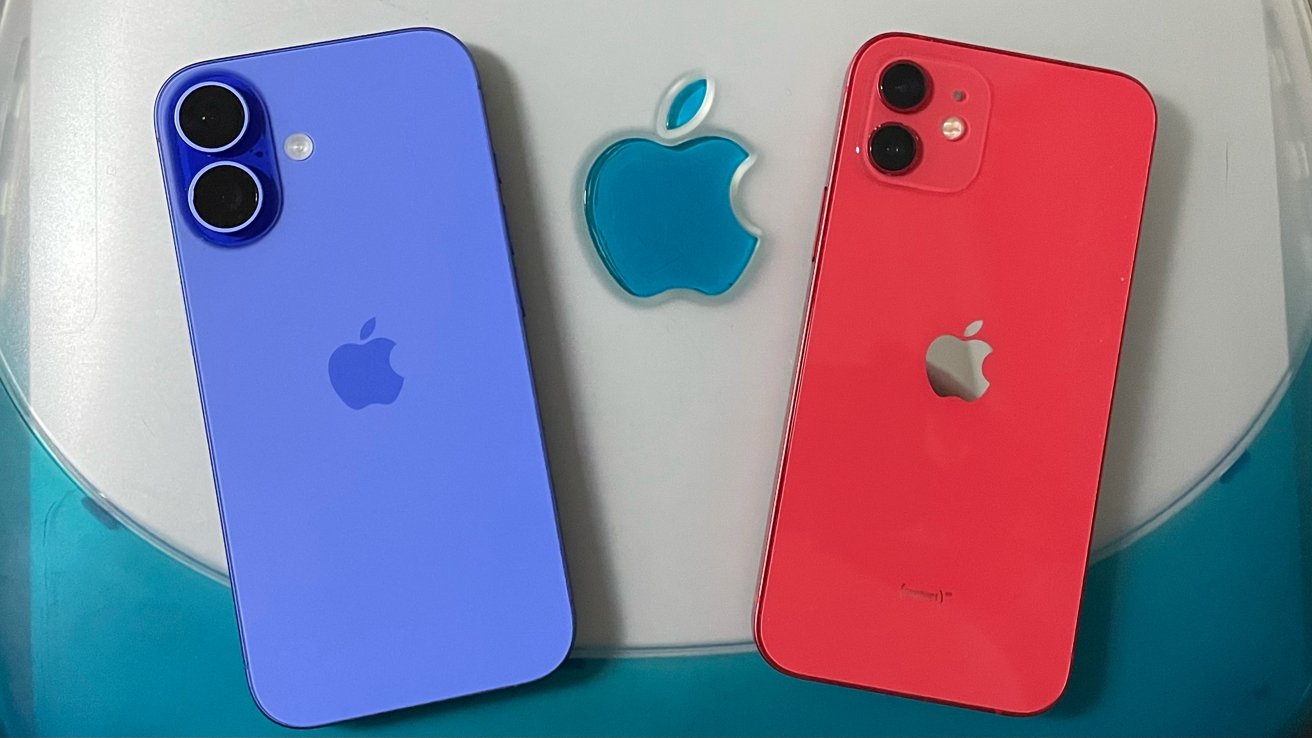
iPhone 16 review: The final version of the iPhone 16 looks only somewhat similar to the iPhone 12, unlike prototype units, which had a near-identical camera bump design.
The iPhone 16 camera bump maintains stylistic cues from earlier iPhone models, but remains visually distinct. Those who have the knowledge and perception to spot it will recognize the iPhone 16 as a newer iPhone, even though it's a year old at the time of writing.
For most who upgraded from a previous iPhone, like the iPhone 12, the Dynamic Island is one of the most significant features.
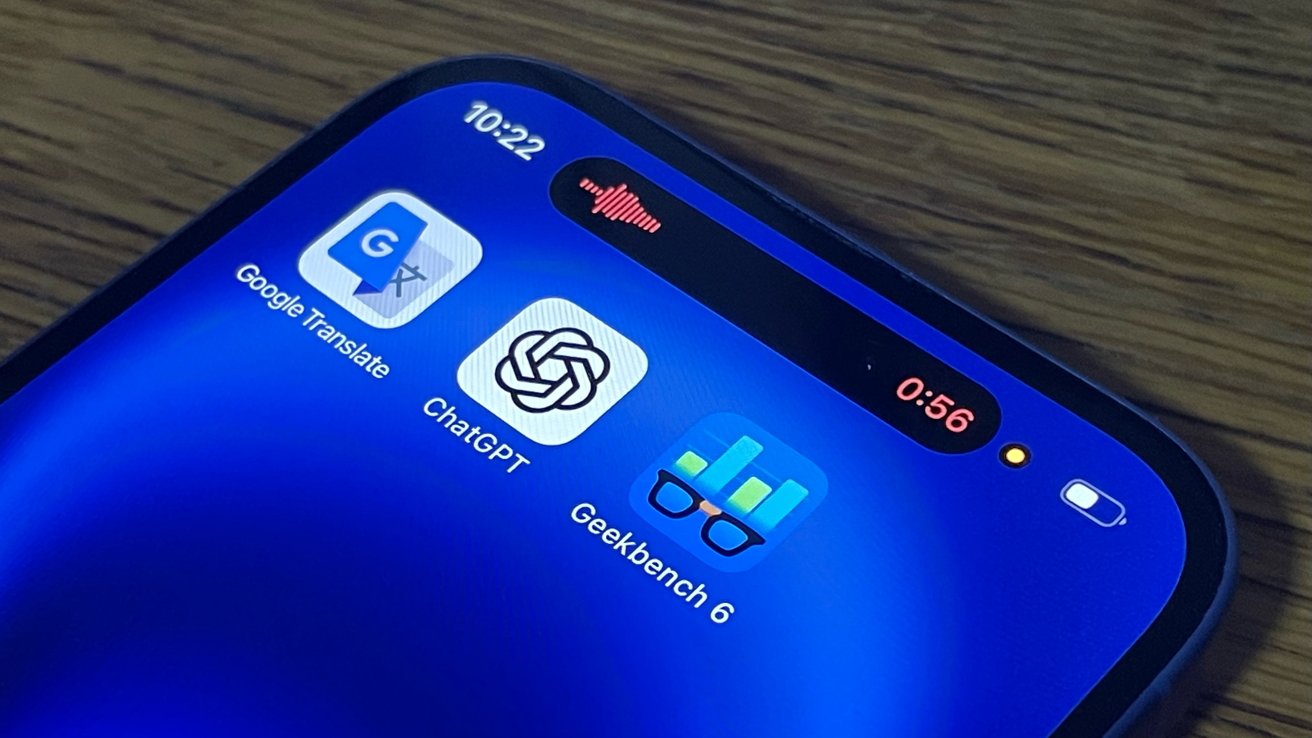
iPhone 16 review: The iPhone 16 features Apple's Dynamic Island.
Instead of a notch, there's a dynamic pill-shaped UI element at the top of the screen. It lets you keep track of various background activities, including media playback, audio recording in Voice Memos, and more.
The Dynamic Island can also display countdown timers from various third-party apps, which you might find useful. For example, this can help you keep track of things you've ordered, like meals or groceries.
The iPhone 16 unit I bought, and used for this review was used for voice memos, among other things. Dynamic Island is utilized when you are recording audio in the background, which is convenient. Animations are fluid, and relevant information is always visible.
The iPhone 16 boasts a 6.1-inch SuperRetina XDR OLED display with a resolution of 2556 by 1179 pixels. This equates to 460 pixels per inch.
While the display doesn't support ProMotion, it has a minimum brightness of just 1 nit. This makes the iPhone 16 great for browsing the web at night, as it doesn't put as much strain on your eyes.
Another equally noticeable change concerns the ports on the device.
iPhone 16 review one year later: USB-C port
There's no 3.5mm headphone jack on the iPhone 16, though that's been the case for iPhones since 2016.
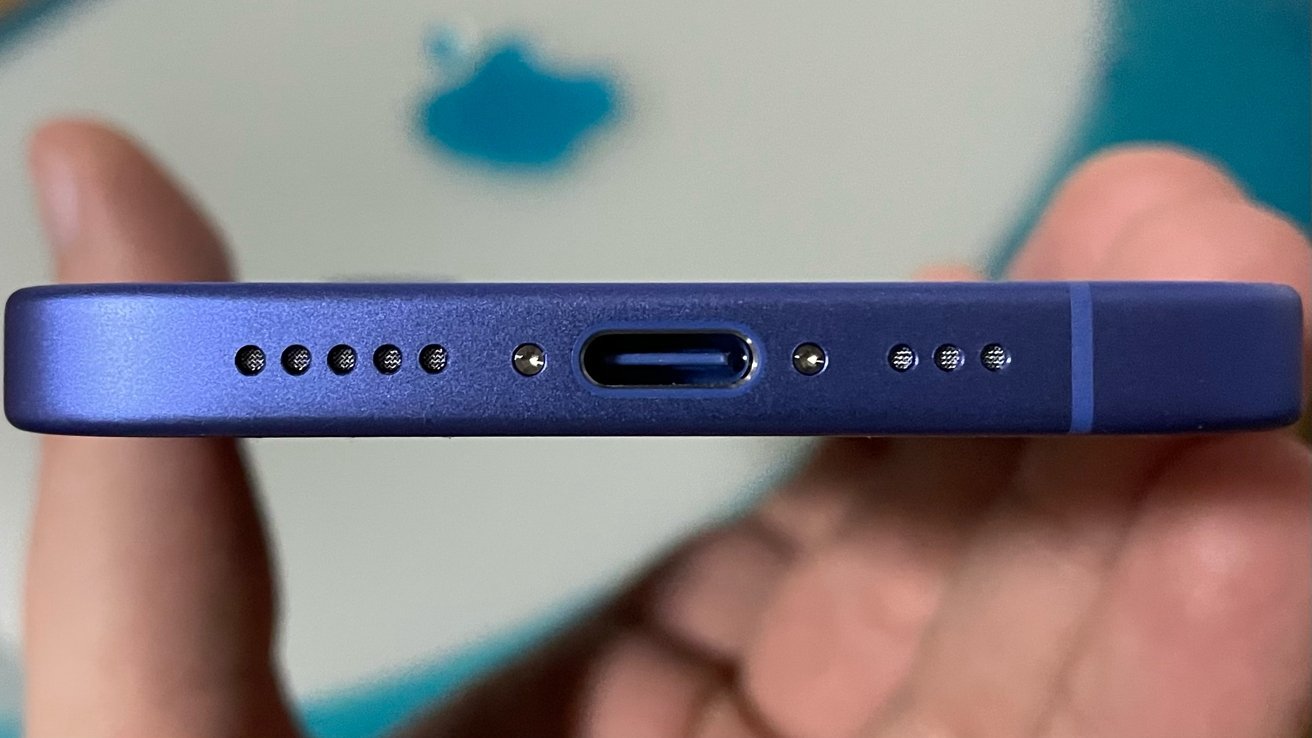
iPhone 16 review: USB-C is available on the iPhone 16.
USB-C is here again as well, as the European Union basically mandated it. Arguably, it was overdue when it arrived with the iPhone 15.
The presence of a USB-C port, however, doesn't guarantee good file transfer speeds. The iPhone 16 is limited to USB 2.0, and only the iPhone 16 Pro and iPhone 16 Pro Max support the USB 3.0 standard.
Unless you are a photographer or videographer, the file transfer speeds make no difference. AirDrop is typically a more convenient way of moving files between Apple devices.
The iPhone 16 also ships with a braided USB-C cable. Relative to Apple's earlier Lightning-based cables, the quality and durability are noticeably higher.
iPhone 16 review: Buttons
Relative to the iPhone 15, and my previous iPhone 12, the standard iPhone 16 features two new buttons: the Action button and the Camera Control.
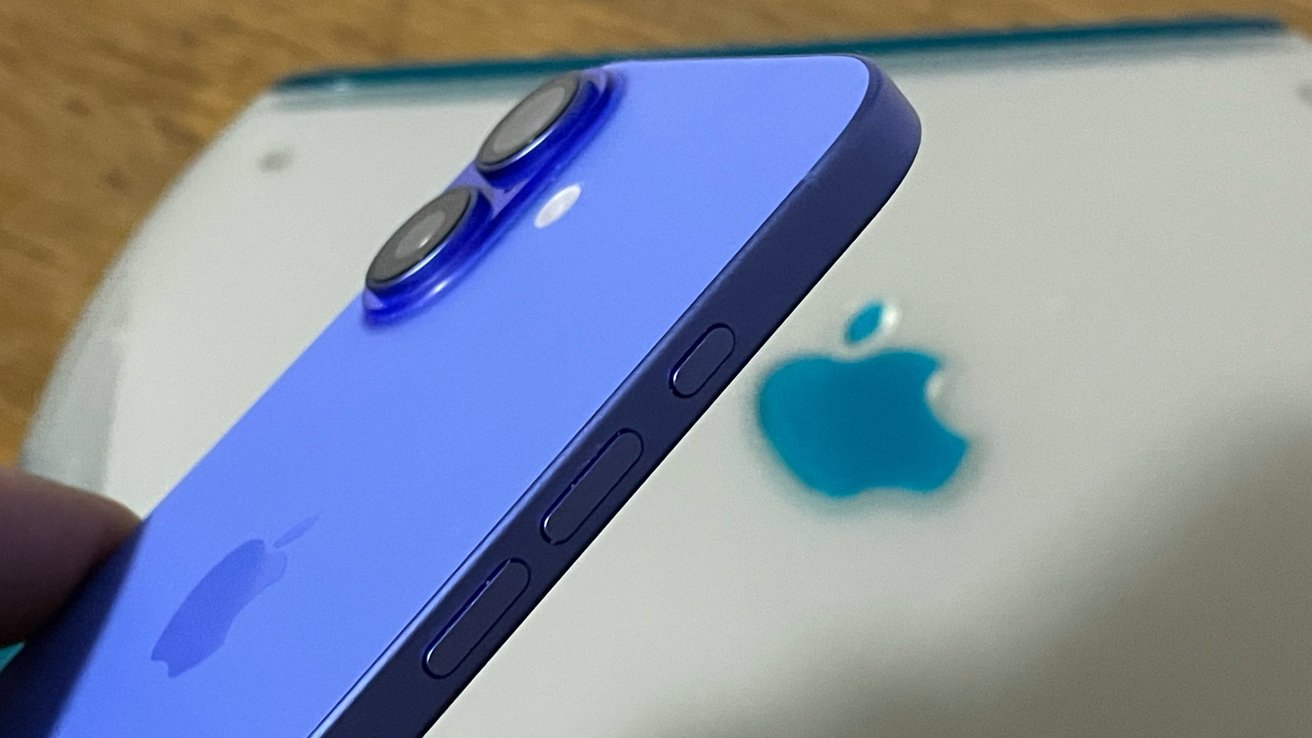
iPhone 16 review: The base model iPhone 16 features a multi-purpose Action button, a carryover from the iPhone 15 Pro.
In place of the mute switch, the iPhone 16 features a small user-configurable button. You can use it to toggle Silent Mode, Focus Mode, activate the iPhone's flashlight, start recording a voice memo, and more.
The Action button can be used with Shortcuts, letting you open specific apps. It's also possible to translate conversations and open Shazam for music recognition.
Given everything you can do with Shortcuts, it may seem like the possibilities are endless. Realistically, though, most people will still use it as a mute switch.
The Action button on the iPhone 16 is effectively a carry-over from the iPhone 15 Pro, with no additional functionality.
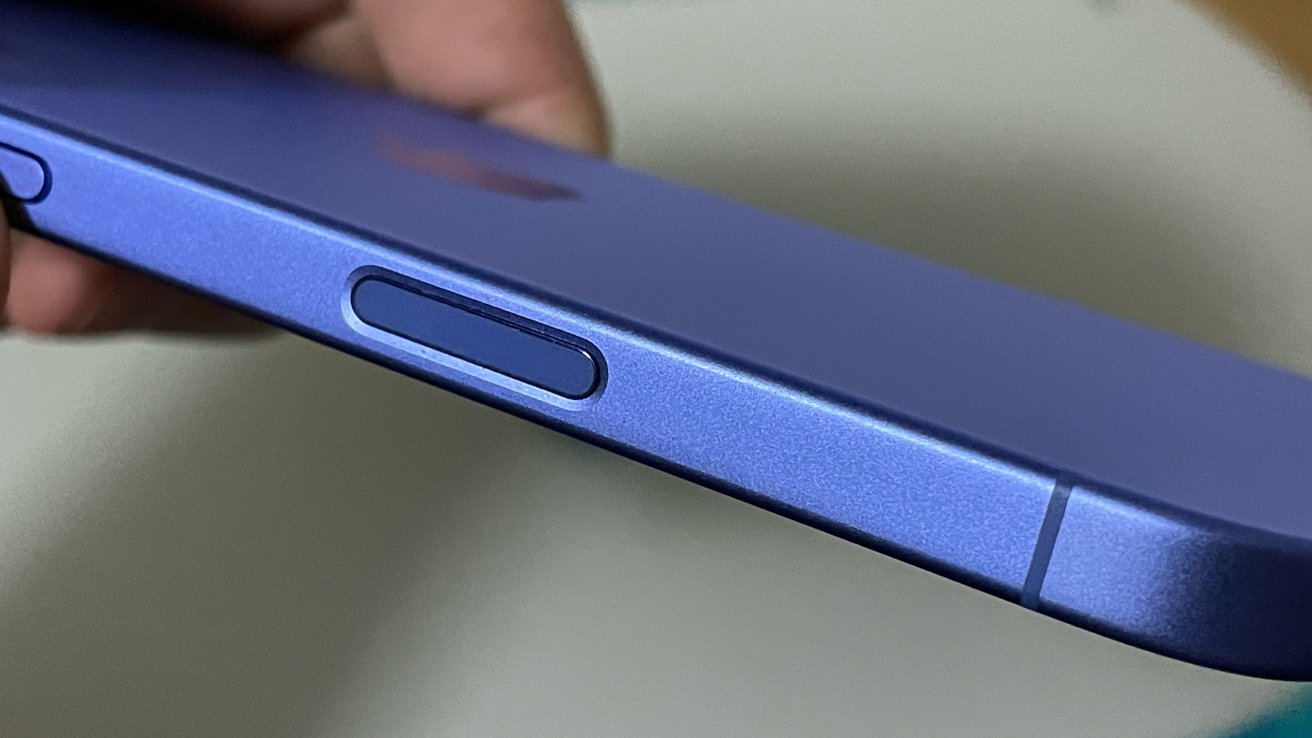
iPhone 16 review: The iPhone 16 lets you capture images and videos through a new Camera Control button.."
Thankfully, Apple has added a Camera Control button.
It's located on the right side of the phone, below the power button. The Camera Control features a capacitive surface and force-sensing technology.
As its name suggests, the new button is primarily used in the Camera app.
Pressing the button opens the Camera application, while swiping across the button's surface lets you zoom in and out.
Lightly double-pressing the Camera Control will display more options, including exposure, depth, and tone. You can also use it to switch between cameras or to apply photographic styles, among other things.
Pressing the button again will take a photo. Holding the button down in the Camera app lets you record video without touching the iPhone screen.
The Action button and Camera Control are welcome additions, but taking advantage of their features is effectively optional.
The Action button of the iPhone 16 in this review was used as a mute switch. The Camera Control, meanwhile, was sometimes used to zoom in and out of photos.
Both buttons perform as expected, but I found only the Action button to be essential in day-to-day use. This will, obviously, depend on your iPhone usage habits, though.
iPhone 16 review: Macro photography & camera improvements
Much like the iPhone 15, the main camera of the standard iPhone 16 has a 48MP image sensor.
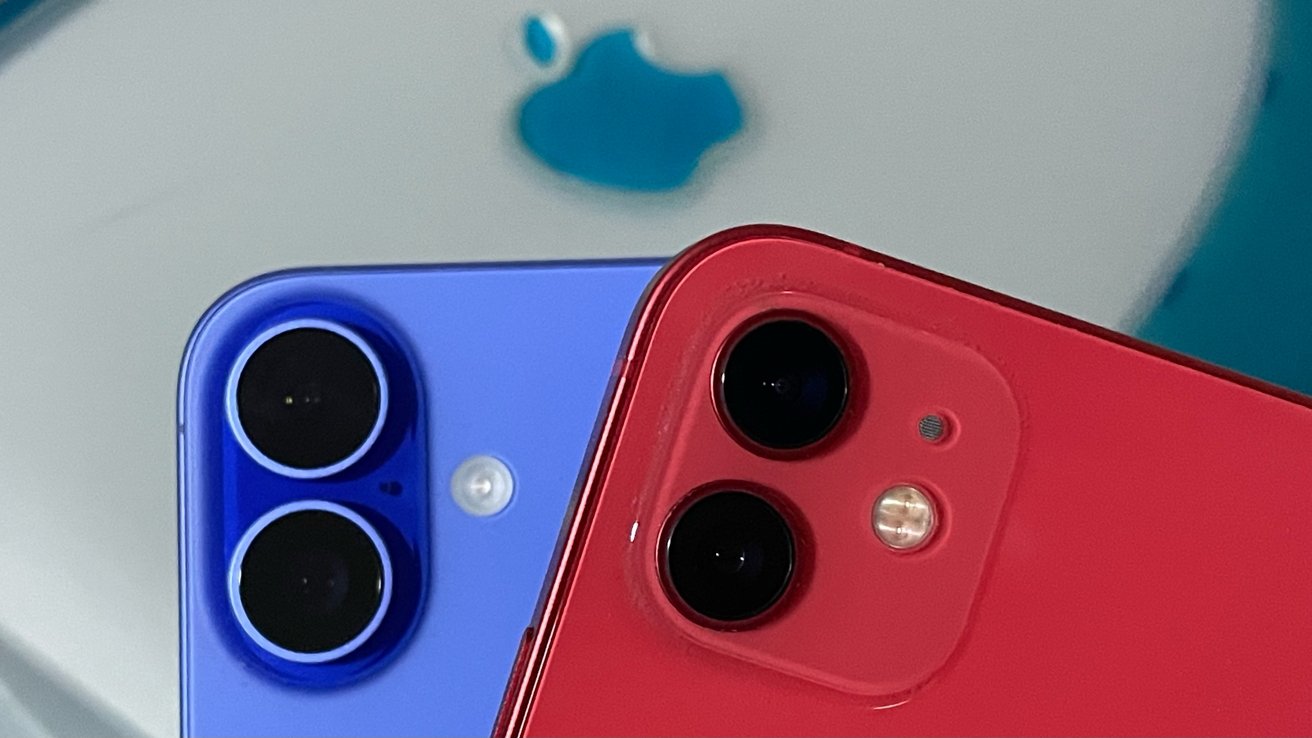
iPhone 16 review: The iPhone 16 might have the same camera layout of the iPhone 12, but the sensors themselves are greatly improved.
Apple refers to it as a Fusion Camera, because of the improved photo processing pipeline. It allows for Photographic Styles and optical-quality 2X zoom and 10x digital zoom. There's also a 12MP Ultra Wide camera, with a 120-degree field of view.
The vertical alignment of the rear cameras lets the iPhone 16 record Spatial Video and take Spatial Photos. Unless you own an Apple Vision Pro, though, this capability won't really matter all that much.
It's certainly not a reason to upgrade, but the feature could prove useful further down the line. This, of course, assumes Apple will introduce additional VR headsets aimed at consumers rather than early adopters.
One useful thing, though, is the new macro capability on the iPhone 16. Previously, it was only available on Apple's high-end "Pro" iPhones.
The macro feature is great for plant and animal photography, letting you capture the intricate details of a flower, for example.

iPhone 16 review: The camera of the standard iPhone 16 has a macro capability.
The iPhone 16 unit I've been using was used for review photography, vacation photos and videos, and selfies. Occasionally, it was also used for macro photos of plants and animals, including the hibiscus flower pictured above.
Broadly speaking, though, the 48MP main camera of the iPhone 16 is ideal for most situations. Simply put, the device takes good photos. It's not an iPhone 16 Pro, but it is extremely close.
Granted, the iPhone 16 can't record 4K video at 240 frames per second, instead only offering 1080p at 240 fps. QuickTake videos are recorded in 4K at 60 fps, up from 1080p with the base model iPhone 15.
The standard iPhone 16 doesn't support Apple's ProRAW and ProRes codecs, either. On the iPhone 16 Pro and iPhone 16 Pro Max, they allow for efficient post-production editing.
HEVC and H.264 video codecs, and HEIF and JPEG image formats are the only ones supported on the base iPhone 16. To the average iPhone user, however, this won't make much of a difference.
-xl.jpg)
iPhone 16 review: The base iPhone 16 supports Apple's Photographic Styles.
What you do get are Apple's Photographic Styles, which have seen great improvements with the iPhone 16. They can be applied while taking a photo. They can also be changed after the fact, letting users express their artistic vision with ease.
Calling them filters would be an understatement. Photographic Styles take into account the background and foreground of an image, skin tones, shadows, and make reversible changes.
Overall, if you need a device that takes reliable, super-high-resolution (24MP and 48MP) photos of your friends and family, pets, and vacations, then the iPhone 16 is right for you. It still holds up an entire year later.
Apple's iPhone cameras typically receive incremental improvements every year. The iPhone 15, for instance, has a 48MP main camera like the iPhone 16, albeit without the macro capability.
Though the iPhone 17 has yet to debut, you probably won't miss out on crucial camera improvements by getting the iPhone 16 instead.
iPhone 16 review: Performance
The base model iPhone 16 boasts Apple's A18 chip, built with TSMC's second-generation 3nm process. It features a six-core GPU with two performance cores and four efficiency cores.
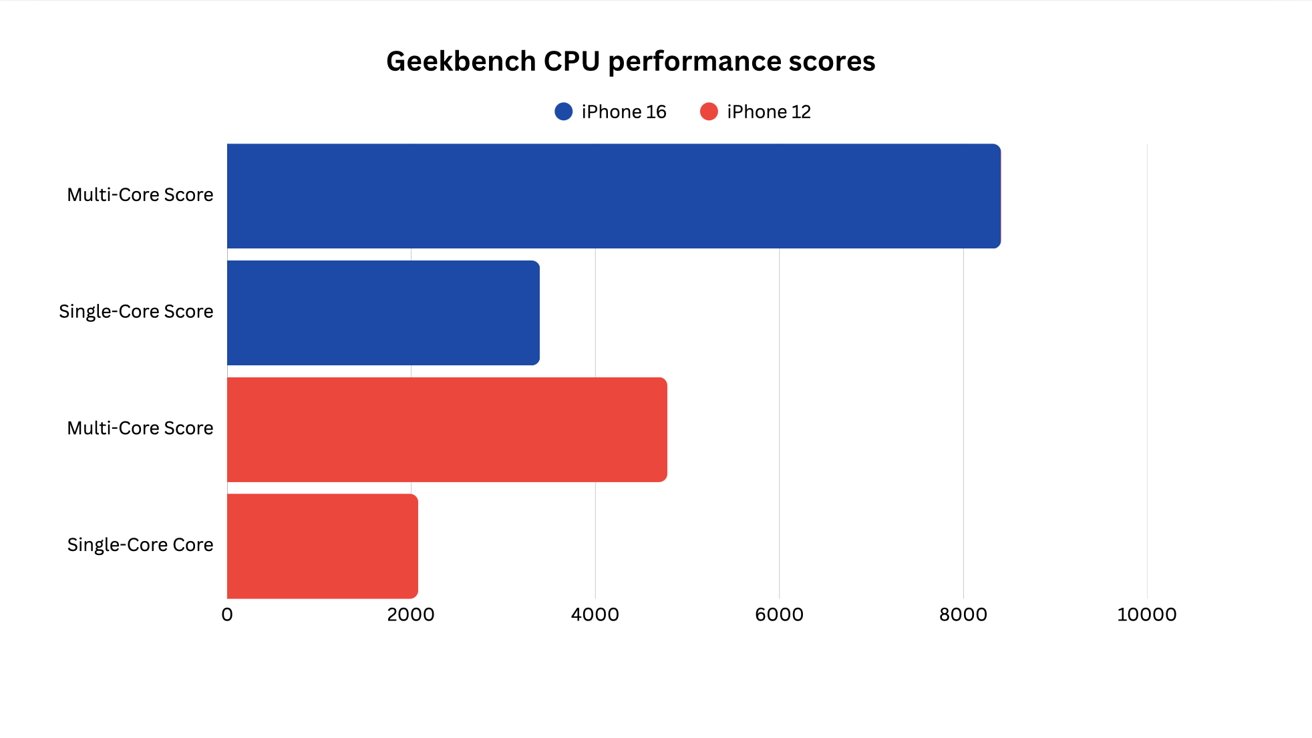
iPhone 16 review: The iPhone 16 offers a massive jump in CPU performance compared to the iPhone 12.
Apple claims the CPU in the iPhone 16 is 30% faster than the iPhone 15, and that it draws 35% less power. The A18 CPU is also 50% faster than the A15 Bionic used in the iPhone 14 and iPhone 13.
Compared to the iPhone 12 and its A14 Bionic chip, the iPhone 16 is an impressive 60% faster. The difference is noticeable.
In Geekbench 6 testing, the iPhone 16 received a CPU multi-core performance score of 8400 points and a single-core performance score of 3399 points.
The iPhone 12's CPU, meanwhile, scored 4782 points in multi-core CPU tests and 2076 points in single-core CPU performance.
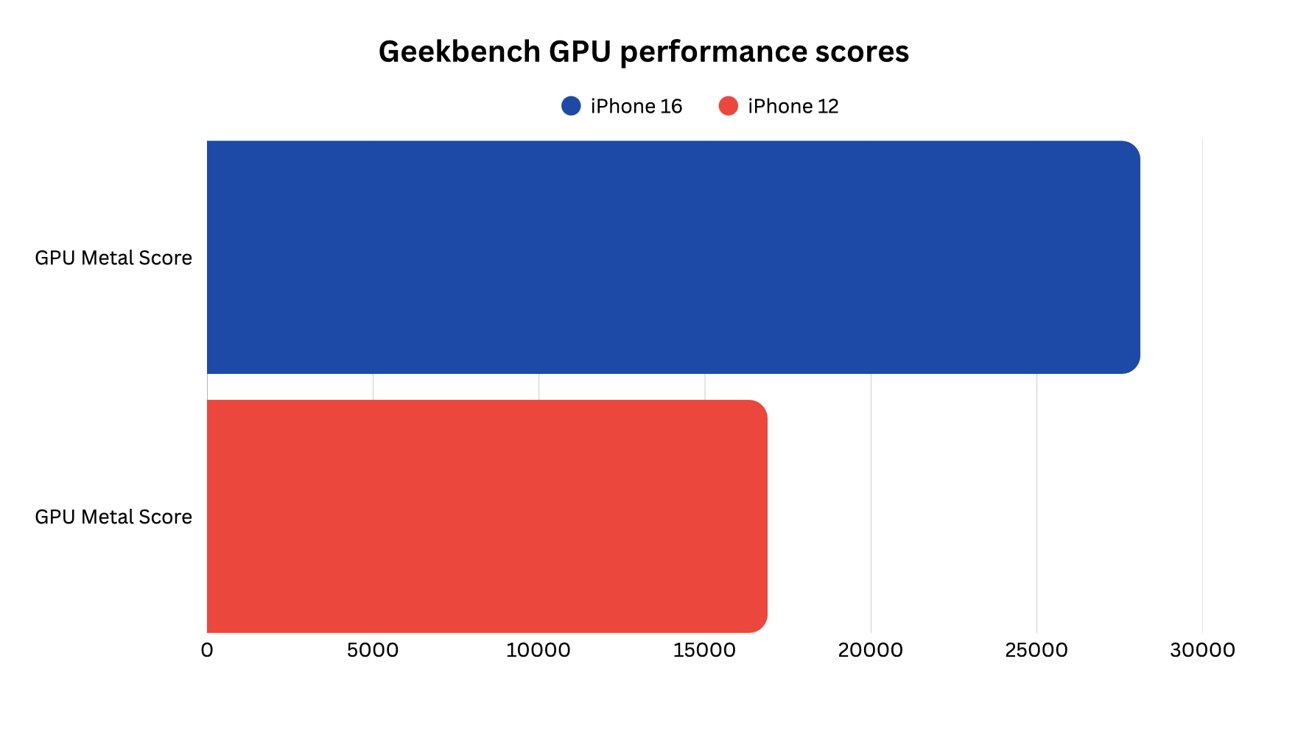
iPhone 16 review: The iPhone 16 significantly outperforms the iPhone 12 in terms of graphics processing.
As for GPU performance, Apple says the A18 is 40% faster than the A16 Bionic in the base iPhone 15. It's also two times faster than the GPU in the iPhone 12.
In the Geekbench 6 Metal GPU performance tests I ran, the iPhone 16 received a 66% higher score than the iPhone 12.
For reference, the A18 chip in the iPhone 16 features a five-core GPU. It has one core less than the A18 Pro of the iPhone 16 Pro.
The five-core GPU of the A18 supports hardware-accelerated ray tracing, a feature not available on the A16 Bionic. Ray tracing is an advanced lighting effect primarily used in modern, graphics-intensive games.
The iPhone 16 handle games fairly well, You won't get the same screen real estate as with the 6.7-inch iPhone 16 Plus, or the 6.9-inch iPhone 16 Pro Max, though.
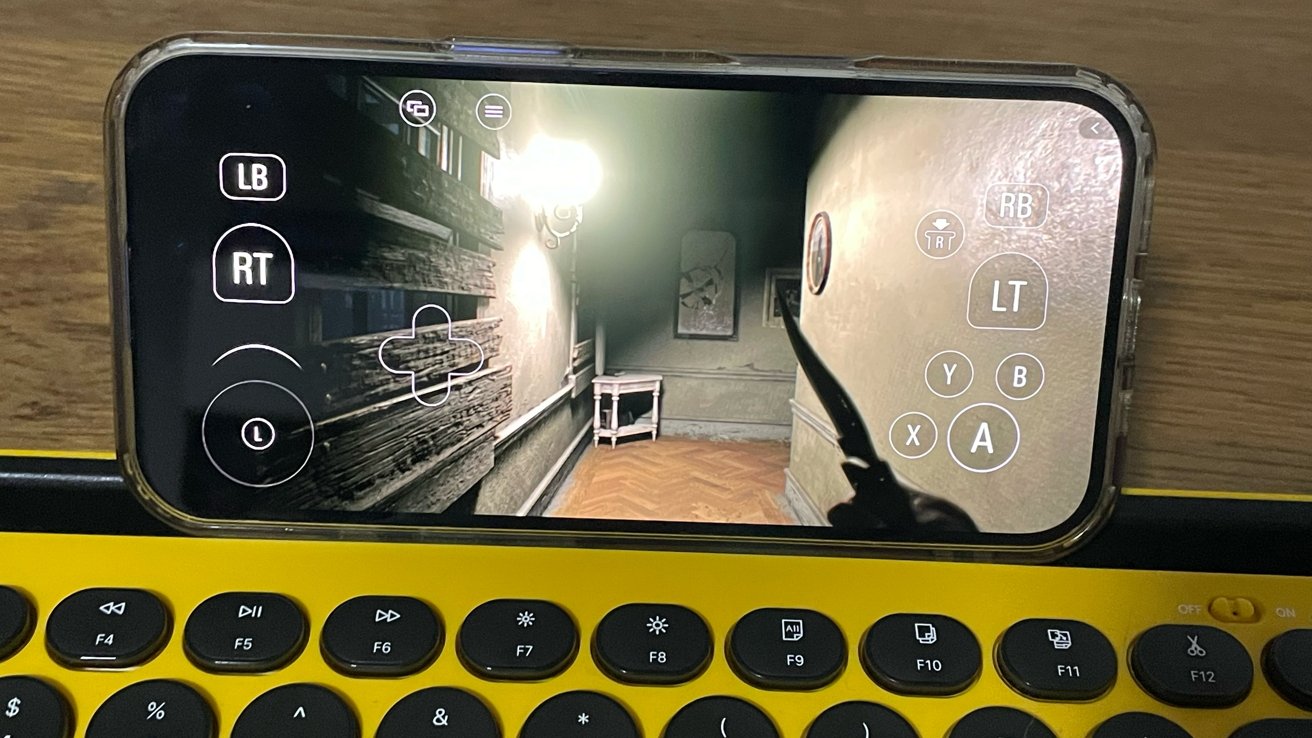
iPhone 16 review: The iPhone 16 easily handles games like Resident Evil 7: Biohazard.
Still, Resident Evil 7: Biohazard runs great on the device. So does Minecraft.
Resident Evil 7: Biohazard is incompatible with the iPhone 12, so I couldn't try that. Minecraft runs far, far better on the iPhone 16 than it did on my iPhone 12.
Other staffers here have used the iPhone 16 for emulation. It works well, albeit a bit crippled since Apple doesn't allow JIT compilation.
Classic consoles like the SNES, and Genesis work fine, but once you hit consoles from about 2000, you're hitting the limits of what Apple will allow.
With games, you can connect a Bluetooth keyboard for a better experience. Some apps, like the mobile versions of the 3D-era Grand Theft Auto trilogy, don't support keyboard input, though. Controllers are always a good option.
In general use, such as web browsing, video playback, and the like, the iPhone 16 performs well. There's no stuttering.
The iPhone 16 heats up when using select Apple Intelligence features like Image Playground, however. This is to be expected when hammering any passively cooled device with a processor-intensive task.
It's not going to burn your flesh. It's also not exactly a great thing to experience, either.
The 16-Core Neural Engine of the A18 presents a significant upgrade over the one found in the A16 Bionic. Apple says the Neural Engine of the A18 is two times faster than the one in the A16 Bionic. It can also perform up to 35 trillion operations per second.
The A18 features an improved memory subsystem, with 17% faster LPDDR5 memory and more RAM than the A16 Bionic.
The increased RAM is especially important for web browsing. With the iPhone 16, you can have more tabs open at the same time than on the iPhone 12. More RAM helps facilitate AI-related enhancements, too.
The improved Neural Engine, together with 8GB of RAM, makes Apple Intelligence features possible on the iPhone 16 and iPhone 16 Plus.
iPhone 16 review: Apple Intelligence
The iPhone 16, on iOS 18.1 and above, supports all of Apple's text-based and image-related AI features.
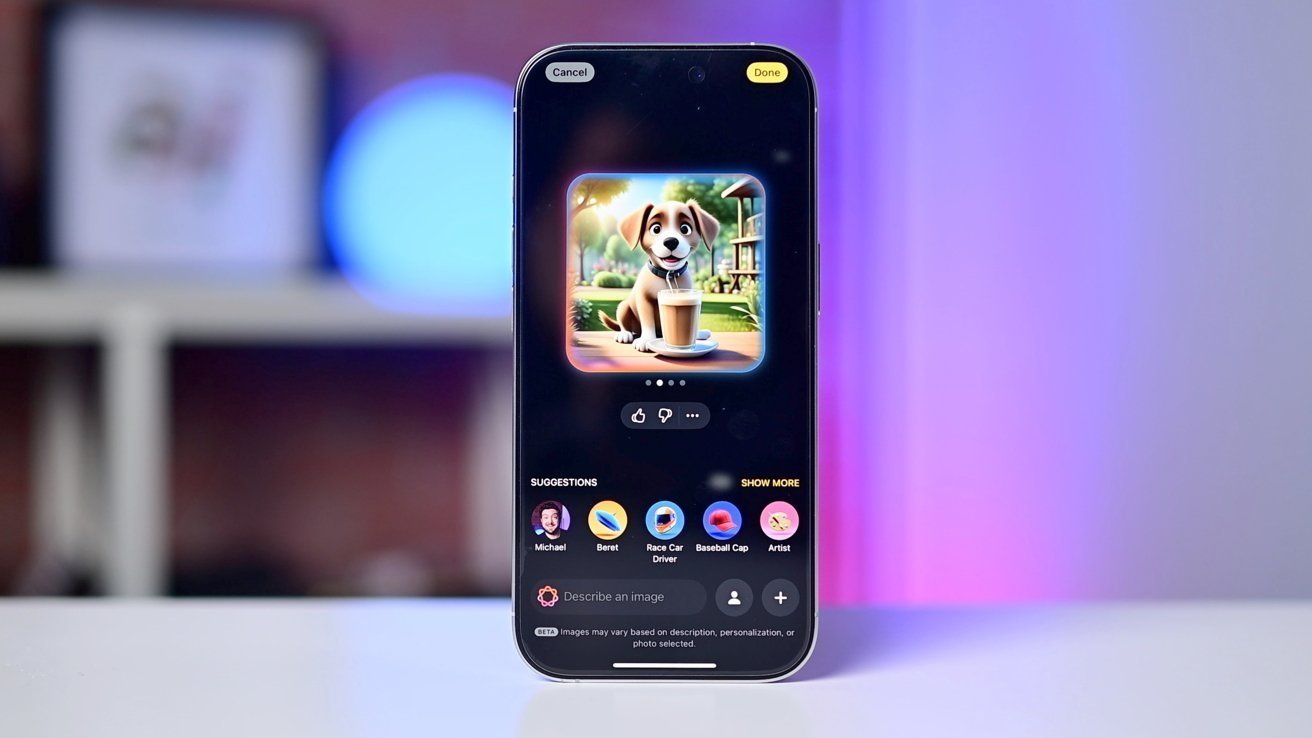
iPhone 16 review: Image Playground is an app that makes the iPhone 16 heat up.
With Apple Intelligence, you'll gain access to Apple's on-device Writing Tools, which offer an experience somewhat similar to Grammarly. Writing Tools can make a text sound more friendly, professional, or concise. You also get proofreading and summarization options, and all of them perform as expected.
Apple Intelligence also includes Image Playground. The app lets users create images with the help of artificial intelligence. In terms of what it can do, however, there are clear boundaries.
Image Playground only lets you create cartoonish images. Apple's artificially imposed limitations prevent you from generating realistic imagery.
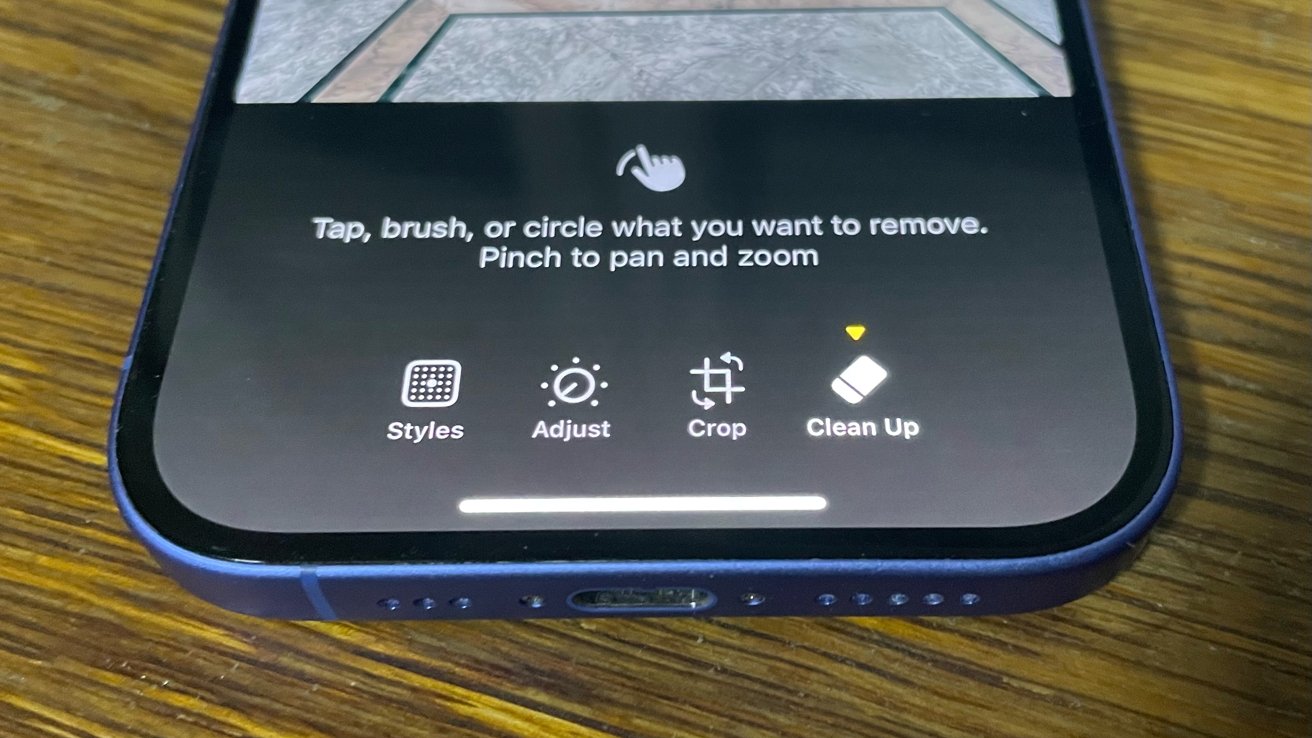
iPhone 16 review: The iPhone 16 features an AI-based Clean Up tool in Photos.
iOS 26 adds ChatGPT-powered Image Styles, if that's your thing.
Apple Intelligence also includes a dedicated image-editing capability, known as Clean Up. It lets you remove distractions and unwanted objects from images with the help of AI, and it does a good job more often than not.
Writing Tools, Image Playground, and the Clean Up tool are among the features you might use every now and then. You also get AI-generated Smart Replies in the Mail app, as well as notification summaries, which haven't always been accurate.
Visual Intelligence, which you toggle by holding down the Camera Control, is another Apple Intelligence feature.
It lets you identify dog and cat breeds, while also offering access to Google Lens image search. You can also ask ChatGPT about an item in front of you. It's not something I found to be particularly useful, except in edge cases.
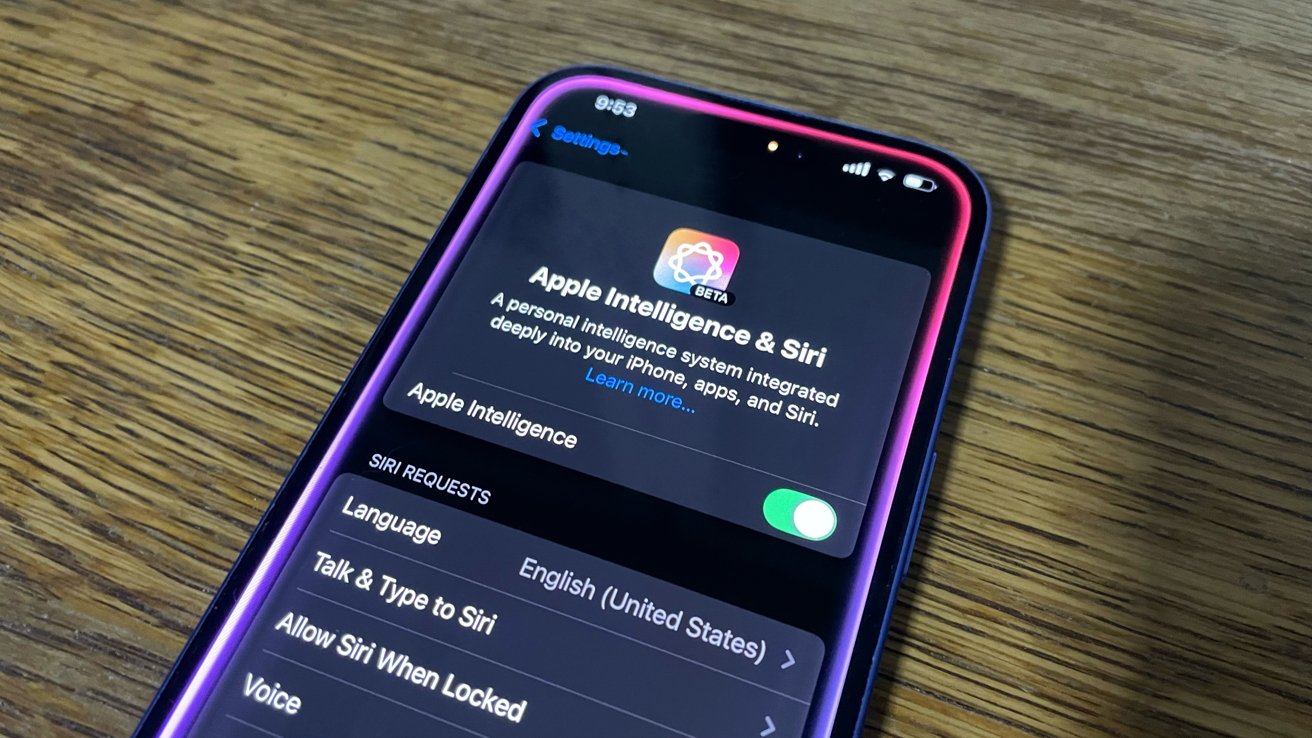
iPhone 16 review: Siri received a new Apple Intelligence animation with iOS 18.1, but not much else apart from ChatGPT integration.
Crucially, however, Siri's personal context features and improved in-app actions are still unavailable.
The marketing for the iPhone 16 relied heavily on Siri's new capabilities. You will not be able to do anything Apple did in their ads, though. There is a new animation and you can forward Siri queries to ChatGPT. That's more or less it.
iOS 26 gives you access to additional features like AutoMix. It offers offers enhanced transitions between songs through AI.
With iOS 26, you also get system-wide Live Translation. This is usable in apps like Messages and FaceTime.
Your iPhone can immediately translate text into other languages as you type out a message in iMessage. As texts in other languages come in, the Apple Intelligence feature can instantly translate them for you.
Unless you work with international clients or students, though, you probably won't find this too useful. If you write exclusively in English, as AppleInsider writers often do, the feature offers little to no value.
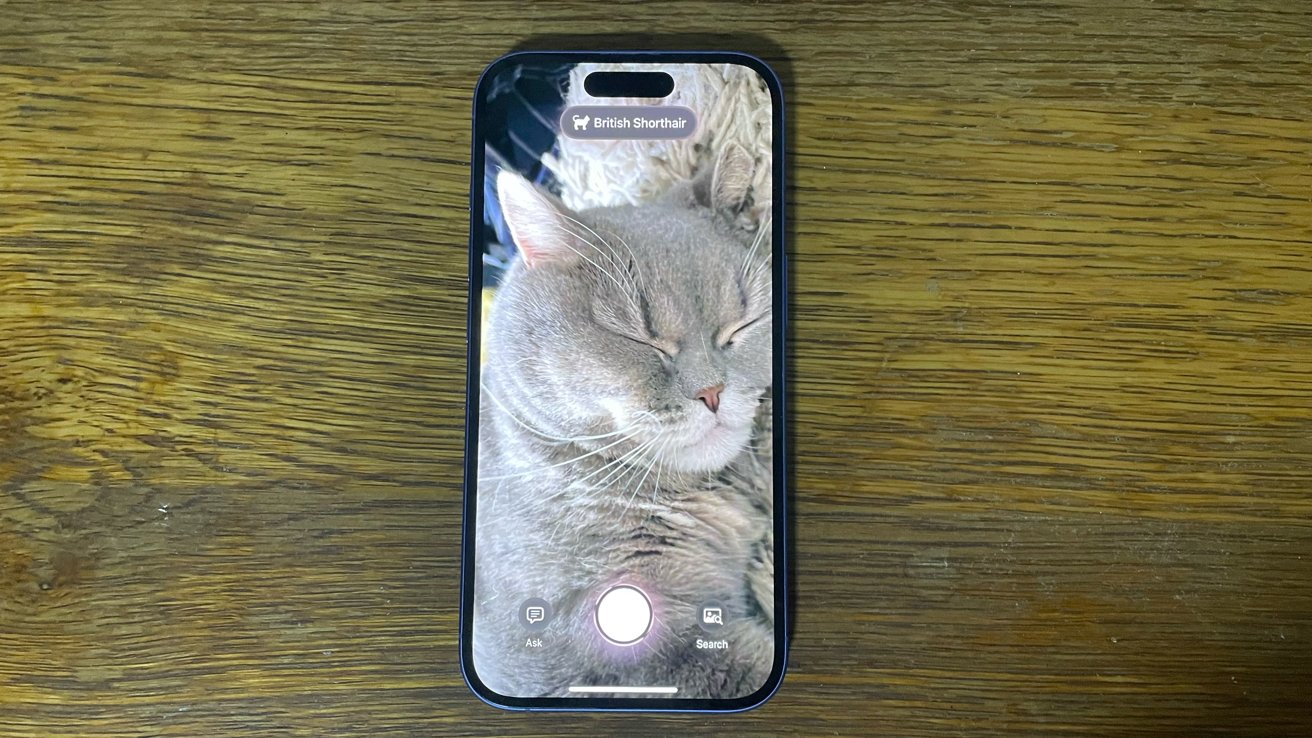
iPhone 16 review: Visual Intelligence can identify cat breeds on iPhone 16.
The iPhone 16 has many years of software support ahead of it. Apple is also expected to roll out the promised AI-infused Siri at some point in the coming year.
These facts make the iPhone 16 a better purchase than the base model iPhone 15, which won't get Apple-provided AI features anytime soon.
iPhone 16 review: Connectivity and battery life
With the iPhone 16, Apple introduced a clever future-proofing feature — Wi-Fi 7 compatibility.
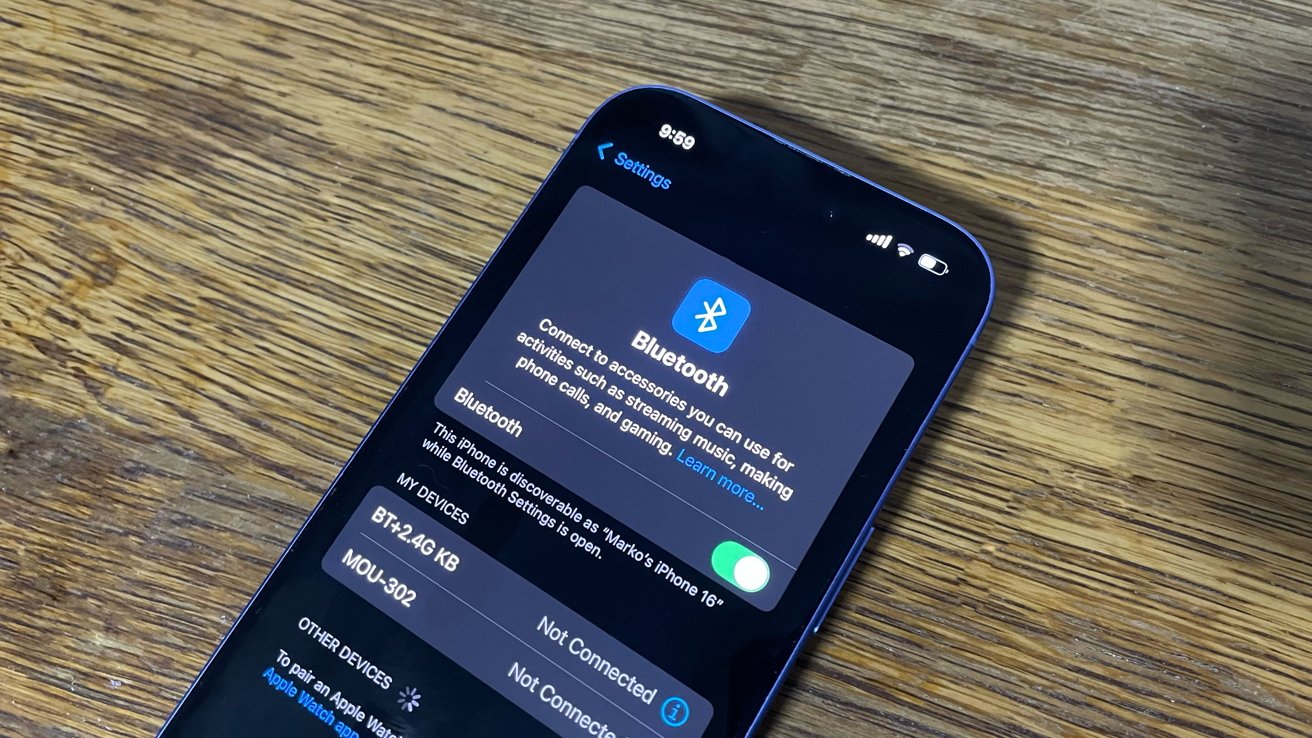
iPhone 16 review: The iPhone 16 supports Bluetooth 5.3, just like the iPhone 15.
Relative to the base iPhone 15, which only supports Wi-Fi 6, the iPhone 16 has the ability to connect to 2.4 GHz, 5 GHz, and 6 GHz bands simultaneously.
Wi-Fi 7 also allows for higher speeds, lower latency, and facilitates improved performance in crowded environments.
This assumes, of course, that you have a Wi-Fi 7 compatible router. They're not exactly affordable, to say the least. Unsurprisingly, WiFi 7 routers were not used with the iPhone 16 featured in this review.
So, the capability is currently not something most users will need at the time of writing. It's a nice addition, though, and it may prove useful down the line.
Both the iPhone 15 and iPhone 16 support Bluetooth 5.3, so there's no real change on that front. You can easily connect Bluetooth accessories like controllers, keyboards, and headphones. among other things.
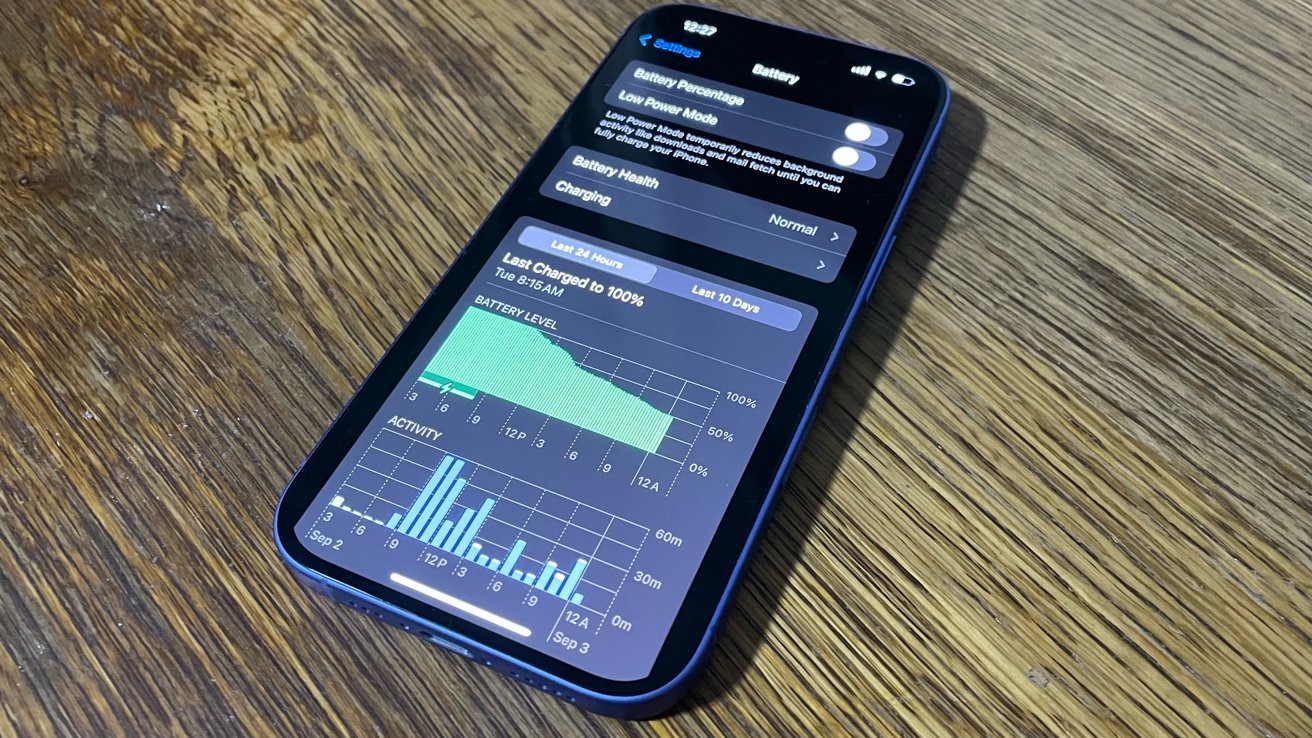
iPhone 16 review: Battery life is great on the base model iPhone 16.
As for battery life, Apple claims the iPhone 16 is capable of charging to 50% in just 30 minutes when using a 20W wired fast charger.
That's precisely what was used with the iPhone 16 unit featured in this review. It was occasionally plugged it into a MacBook as well.
Overall, Apple's charging claims hold. And so does the battery health, relying only on Apple's algorithms.
The iPhone 16 used for this review remains at 100% battery health, even a year after the device was released. As daily driver, it was used for audio and video playback, web browsing, texting, calls, and gaming.
Apple's iPhone 16 offers amazing battery life and will easily last you an entire day. You will not have to plug the iPhone 16 into a charger every few hours, unlike an iPhone 12.
As daily driver, I used the iPhone 16 as a phone, obviously, but mostly for audio and video playback, web browsing, and gaming. I routinely saw an entire day's worth of heavy use, including the aforementioned gaming, without having to hunt for a charger.
The iPhone 16 also supports wireless charging in the form of MagSafe. It's a convenient option, but also less efficient, as it generates more heat.
The September 2024 version of the MagSafe charger can deliver up to 25W of power. You will need a 30W USB-C Power Adapter to achieve this, though.
For iPhone 12, the current MagSafe charger still offers fast wireless charging of up to 15W when used with a 20W USB-C Power Adapter. Not everyone needs or uses MagSafe, but it's nice to have the option nonetheless.
iPhone 16 review: Apple could have made a better iPhone 16
The final version of the iPhone 16 lacks a feature Apple tested on prototypes — a capacitive Action button.
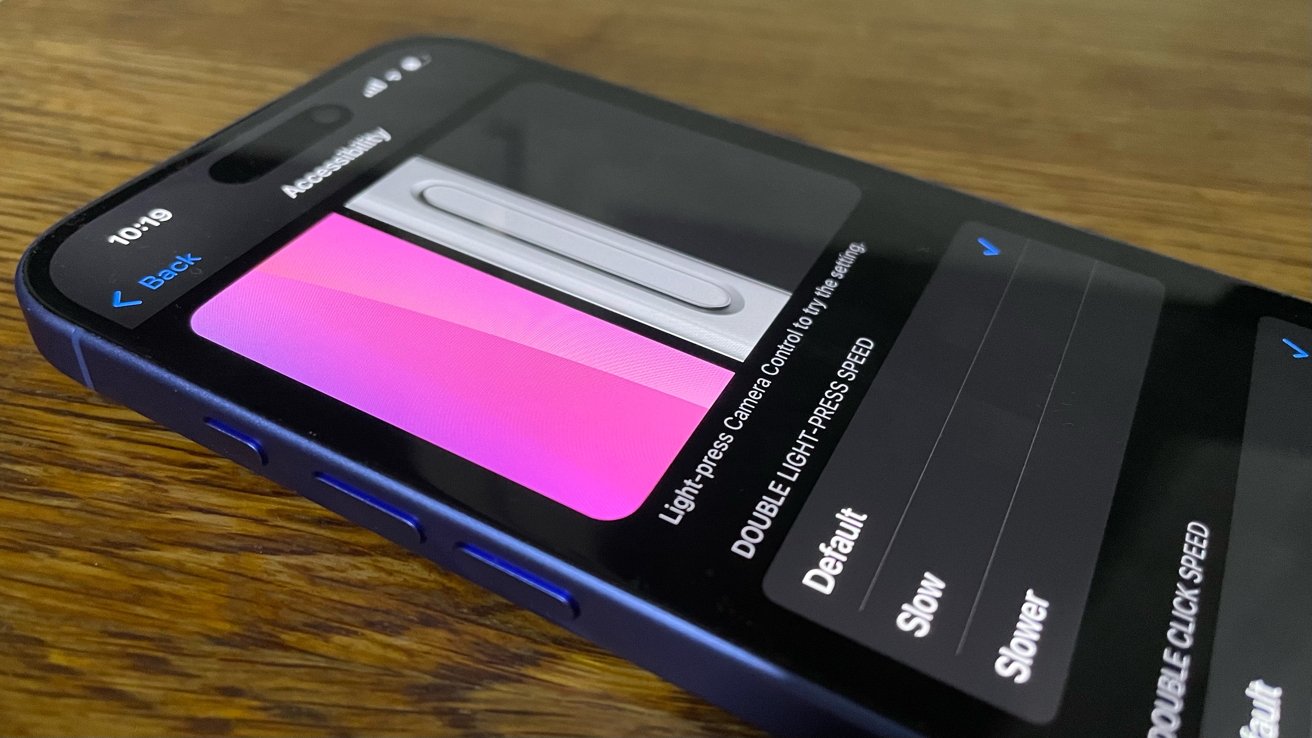
iPhone 16 review: The iPhone 16 could have, and should have, shipped with a capacitive Action button.
It would have mirrored the function of the Camera Control, only on the opposite side of the device. Along with a capacitive surface, the Action button would have had the same force sensors.
In theory, a capacitive Action button could have let you adjust multiple camera settings at once. For example, maybe you were able to zoom in with the Action button while adjusting the focus with the Camera Control.
Unfortunately, we'll never know. Apple abandoned the feature early in development, which is quite disappointing. I believe it would've made the iPhone 16 a better purchase.
Apple also tested different backplate designs. One had a camera bump nearly identical to the iPhone 12, while another looked more like the iPhone X.
Personally, I believe Apple made a reasonable but conventional choice with the final design. It looks nice, but it would have been better to see something bold instead.
-xl.jpg)
iPhone 16 review: Despite video ads showing the feature, personalized Siri is still not here.
As for Apple Intelligence, my thoughts on it are mixed. Apple delivered almost everything I hoped it would. Everything works well, too.
It's as though the company's plans were too ambitious, however. I think the missing Siri upgrade is indicative of misplaced confidence.
Apple's internal test utilities made the feature set seem more impressive than it ended up being.
If the iPhone 16 had shipped with a capacitive Action button and a revamped Siri, I'd have no issues with the device. The final version still offers great value for money, but it leaves something to be desired.
Of course, you can always get the iPhone 16 Pro. That will give you 4K video recording at 240 fps, a larger screen with ProMotion, a better GPU, and more. That does come at a higher price, obviously.
Should you buy the iPhone 16, with the iPhone 17 launch just around the corner?
Apple has already announced its 2025 iPhone event. It's scheduled for September 9, under the tagline "Awe Dropping."
-xl.jpg)
iPhone 16 review: Apple's iPhone 17 is expected to replace the iPhone 16 on September 9.
The iPhone 17 probably won't offer anything worthy of this tagline.
The base model iPhone 17 is expected to receive a slightly larger 6.3-inch display and possibly ProMotion. We've also heard rumors suggesting the iPhone 17 will ship with 12GB of RAM. However, it's unclear if this applies only to the Pro models.
With ProMotion, scrolling through webpages and YouTube videos is smoother, but that's about it. The prospect of a display that's larger by 0.2 inches is not a compelling reason to upgrade, either.
The choice between iPhone 16 Pro and iPhone 17 not-pro is less clear cut. If you're coming from an iPhone 16, ultimately, your best option is to wait for the debut of the iPhone 17 range — it's only days away. Be prepared to not be blown away, though.
Carriers will offer the iPhone 16 at a discounted price once its new flagship rolls out, and prices will surely go down in the second-hand market. How much that matters very much depends on the reader.
iPhone 16 review: Pros
- The A18 chip is great for games
- macro capabilities have made their way to the base model iPhone
- Performance, and battery durability
iPhone 16 review: Cons
- It cannot record 4K video at 240 fps
- Siri's personal context features are still unavailable
Score: 4.5 out of 5
Where to buy Apple's iPhone 16 at a discount
Today's best iPhone deals offer incentives that can bring the device down to as low as $0/month. Marketplaces like eBay, Gazelle, and Back Market also offer discounts on pre-owned and refurbished devices to save you money without being tied to a payment plan.
Best iPhone 16 deals
- T-Mobile: Get an iPhone 16 at T-Mobile for as low as $0/mo with qualifying trade and plan*
- AT&T Wireless: Save up to $700 on iPhone 16 with qualifying trade and plan*
- Verizon Wireless: Get an iPhone 16 at Verizon for as low as $0 per month with qualifying trade and plan*
- eBay: Grab deals on new, open box, and refurbished iPhone 16 models
- Back Market: Grab refurbished deals on iPhone models *Terms and conditions apply. Please see merchant's site for details.