Smart glasses, not to be confused with AR glasses, have become somewhat popular among a select niche, and Apple wants to prioritize getting a competing option to the market by 2027.
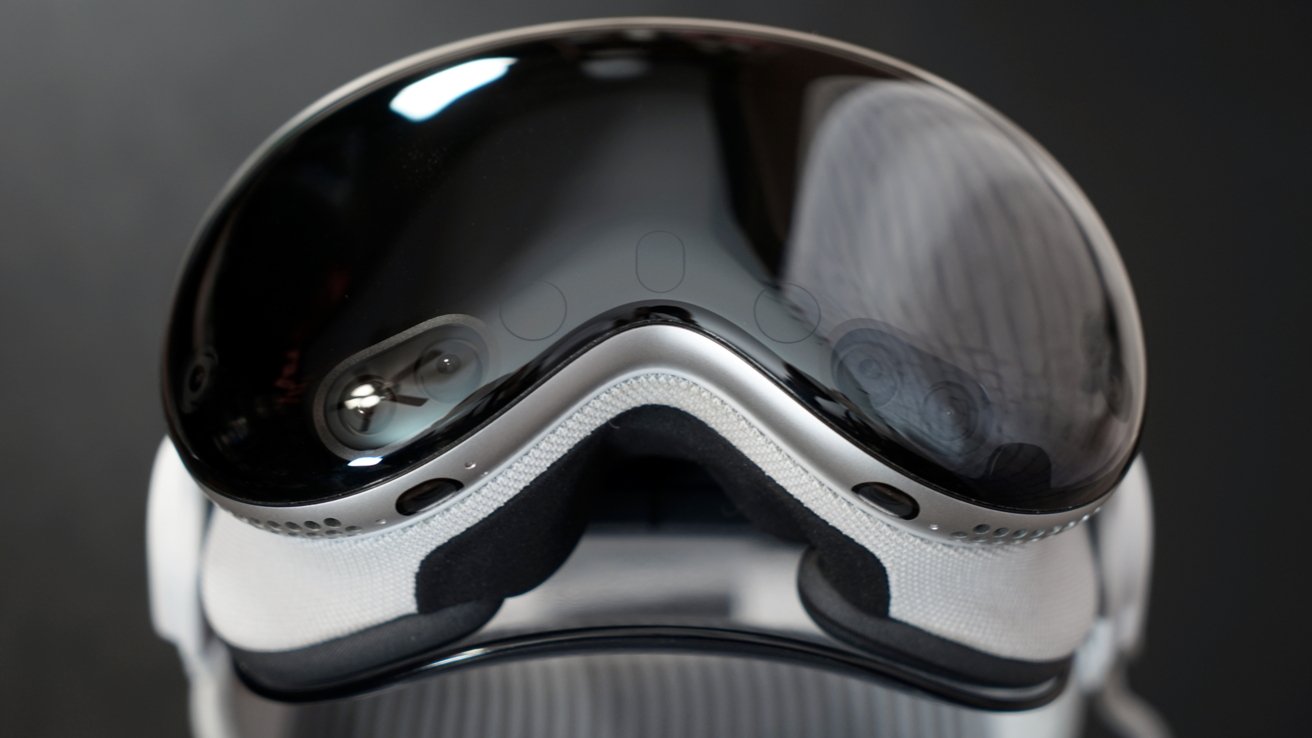
Apple Vision Pro and visionOS debuted in 2023 as a peek at the future of Apple's plans for spatial computing. In the meantime, smart glasses have made slightly broader appeal, and Apple is allegedly shifting priorities to tackle the product line.
According to a report from Bloomberg, Apple has redirected resources away from the lighter Apple Vision Pro project to the smart glasses initiative. This could mean a delay of the lighter Apple Vision Pro, which was expected in 2027, but that isn't known.
Smart glasses, which were popularized by Ray-Ban Meta glasses that house cameras, microphones, and speakers, are a completely different technology stack versus a platform like Apple Vision Pro. It is interesting that Apple would need to pull people off one to work on the other, but it could be related to Apple's notoriously small and specialized teams.
The report suggests Apple is working on smart glasses codenamed N50, which would pair with an iPhone, lack a display, and offer cameras and interactions via voice control. These would be a direct competitor to Ray-Ban Meta smart glasses.
Note too that these Apple smart glasses aren't the so-called Apple Glass AR glasses. Meta Ray-Ban Display aren't AR glasses either, as they act as a simple fixed display meant to replace a smartwatch or smartphone display.
A successor to the N50 with a display is also in the works, but may not debut until 2028. Meta, in the meantime, hopes to release a set of glasses with two displays in 2027.
Both companies are interested in full AR glasses, but the technology isn't ready yet. Meta's Orion prototype would cost excessive amounts of money to produce today, while still offering a subpar experience.
Smart vs. AR glasses
It will be interesting to see how Apple positions its smart glasses. It would make some sense to use the "Vision" name, but not entirely since users aren't interfacing with visionOS.
They could also be marketed as a kind of AirPods evolution or parallel accessory. Apple has been investigating adding sensors and cameras to AirPods, which would only make them a half step from being smart glasses.
Whatever Apple's final product, we can only hope they are more stylish than Meta's oversized frames.
Meta's glasses may be more popular than Apple Vision Pro due to financial reasons alone. They've not exactly penetrated the market — selling about 2 million units from October 2023 to February 2025.
Apple Vision Pro, on the other hand, has likely only barely hit 1 million units in the months since its February 2024 launch. It may be 10 times more expensive, but Meta's offering certainly isn't selling at 10 times the scale.
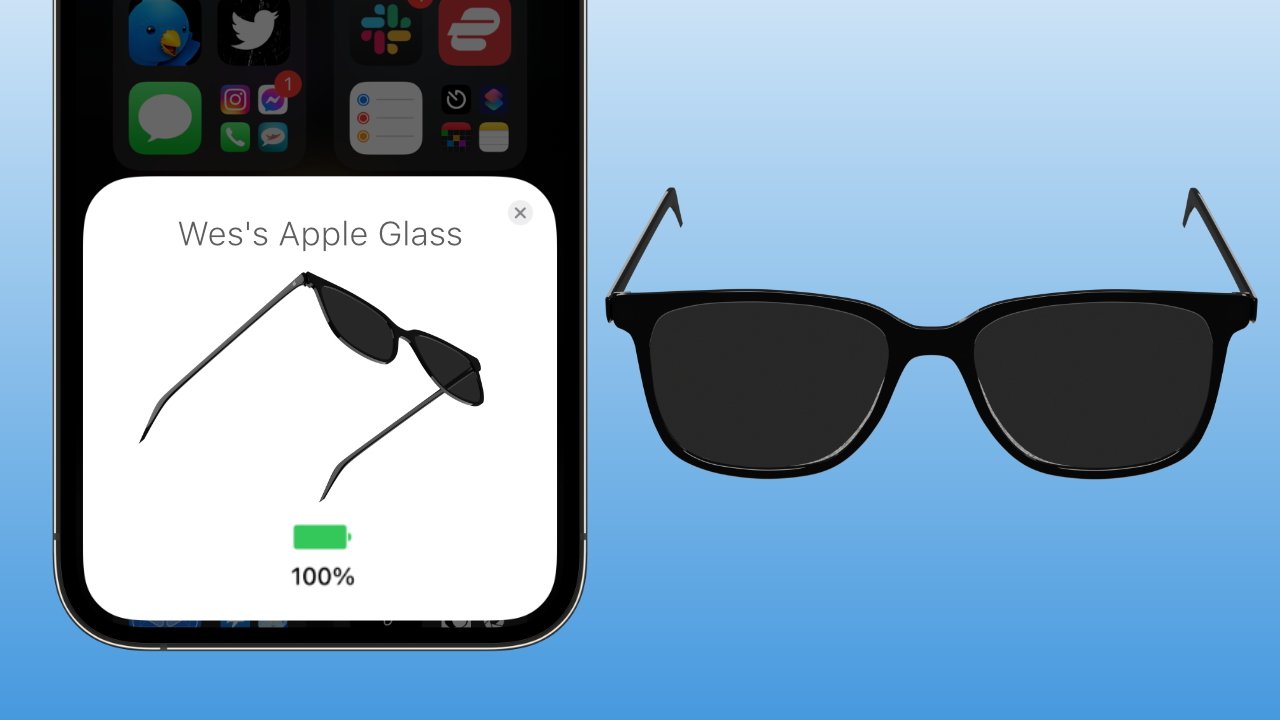
Apple smart glasses and AR glasses are two different product pipelines
The lack of wider adoption of Meta's glasses may also be a product of the company involved in the glasses. People will likely be more trusting of Apple pointing cameras and microphones at their world versus Meta, which could fuel fast adoption.
There is no doubt there is some pent-up demand, but the market hasn't exploded like we saw with Apple Watch or AirPods. And that's where Apple may be more advantaged too.
While the initial Apple smart glasses won't have a display, they'll likely have superior connectivity with iPhone, Apple Watch, and AirPods thanks to the ecosystem advantage. There is little doubt that Apple will find a way to leverage the halo effect and capture more customers — at the right price anyway.
AR glasses are the goal, however, so don't count Apple Vision Pro and visionOS out just yet. The M5 revision coming soon will likely serve as a good-enough placeholder through 2027 when Apple is ready to announce a lightweight model.
Apple smart glasses are a separate product from Apple Vision Pro entirely. It is a category Apple hasn't bothered with yet, and remember, Apple is rarely first to new product categories.
2026 could be a wild year for Apple fans as the company introduces its revamped LLM-based Siri, an iPhone Fold, and smart glasses. It's been a decade since such a rush of new products were revealed so close together and could reignite faith in Tim Cook's leadership among those questioning it.