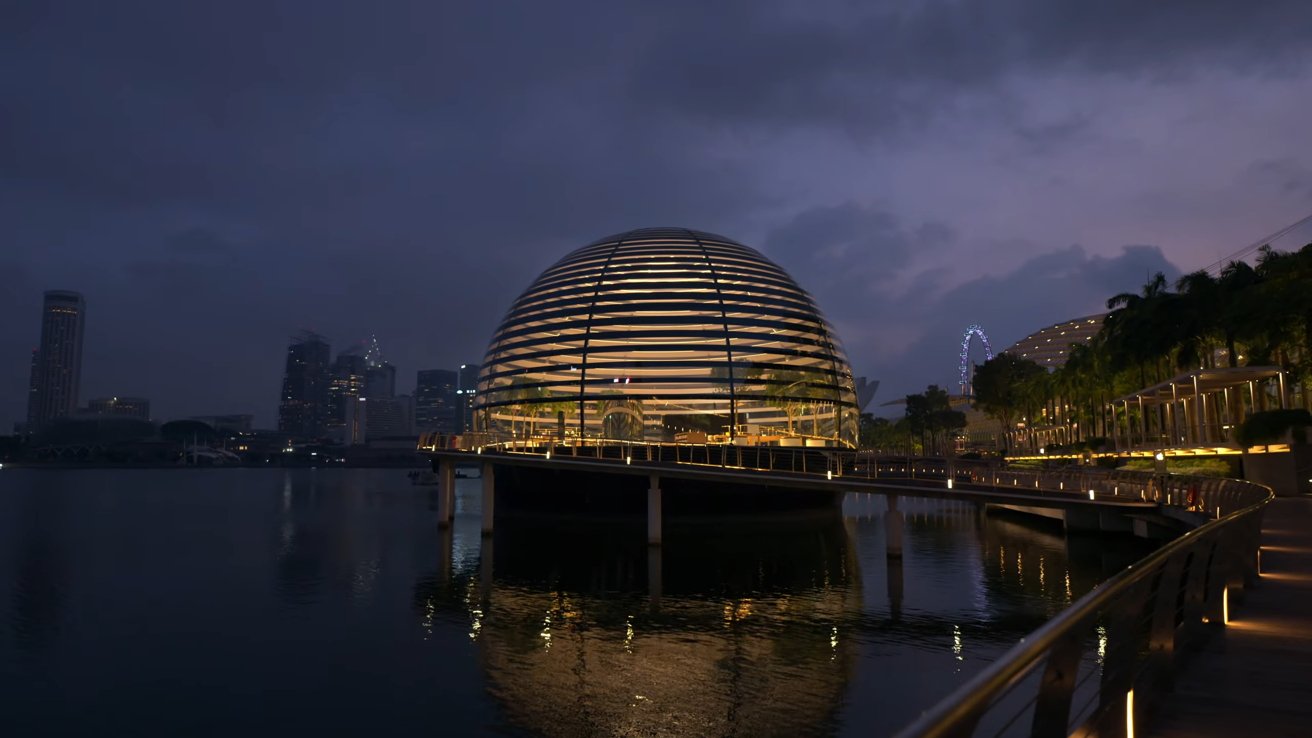
Apple will be announcing the fourth-quarter results for 2025 on October 30. Here's a look back on the major events that influenced Apple's performance.
September marked the end of Apple's fourth fiscal quarter. Now that the dust has settled, the company is ready to talk numbers with its investors.
The call, which will be held on October 30 at 2:00 pm PT/5:00 pm ET, will feature Apple CEO Tim Cook and Apple CFO Kevan Parekh discussing the quarter's financial results. There will be a brief Q&A session at the end where analysts can ask the executives relevant questions.
That makes this as good a time as any to recap the events that affected Apple's results and outlook.
July 2025
As in prior quarters, tariffs remained a hot topic across the tech sector. Many worried about how they would affect iPhone 17 pricing.
Apple hedged its bets in the third quarter earnings call, saying tariffs could add about $1.1 billion to its costs in Q4. Of course, Apple was also aware of the volatile nature of U.S.-China trade tensions, saying estimates shouldn't be used to make future projections.
July brought a bit of a switch-up in Apple's executive wing. On July 8, Apple announced that Sabih Khan, a long-time Apple employee, would replace Jeff Williams as Chief Operating Officer. The switch occurred at some point in July.
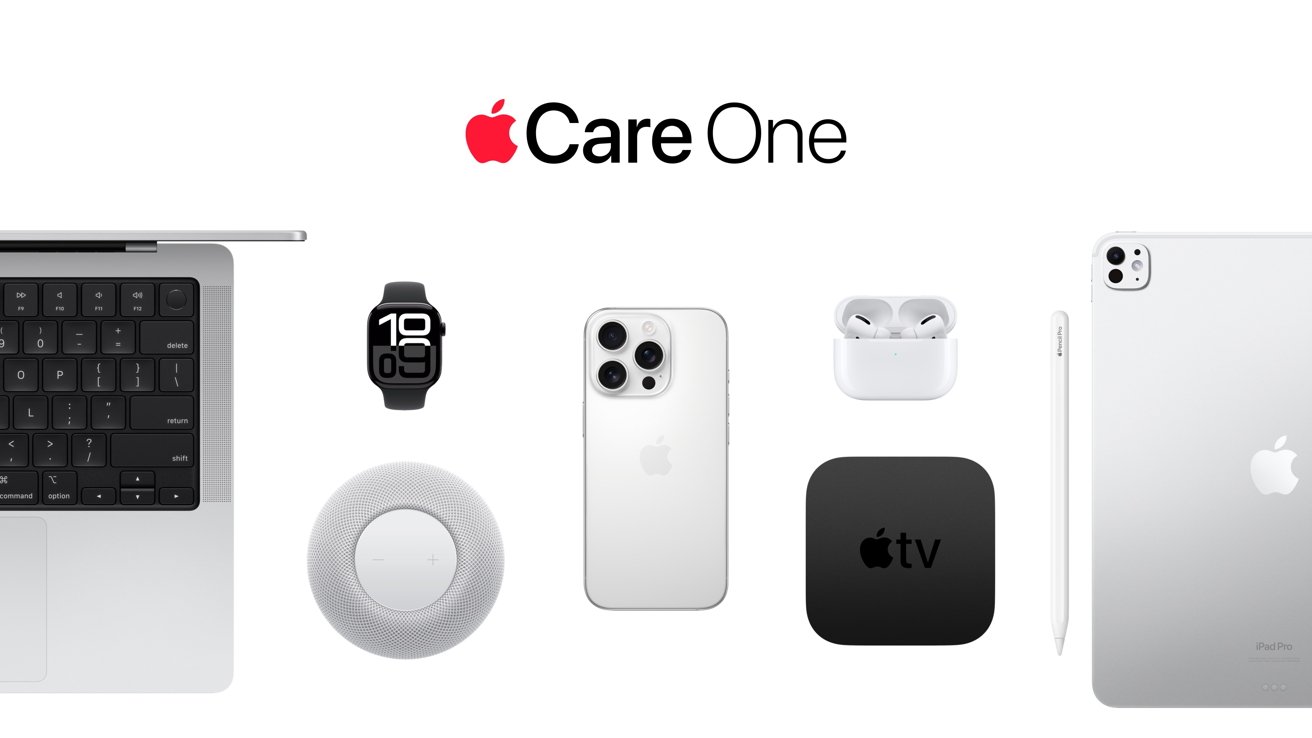
AppleCare One. Image source: Apple
Apple's services sector has been a major growth driver in recent years. That trend continued with AppleCare One, a flat-rate monthly plan covering multiple devices.
Launched on July 24, U.S. customers were given the option to subscribe to AppleCare One for $19.99 per month. The base plan covers three devices; additional devices can be added for $5.99 per month.
August 2025
In early August, Tim Cook stepped in to do some pre-release damage control. Part of this damage control included gifting President Trump a gold-and-glass commemorative plaque.
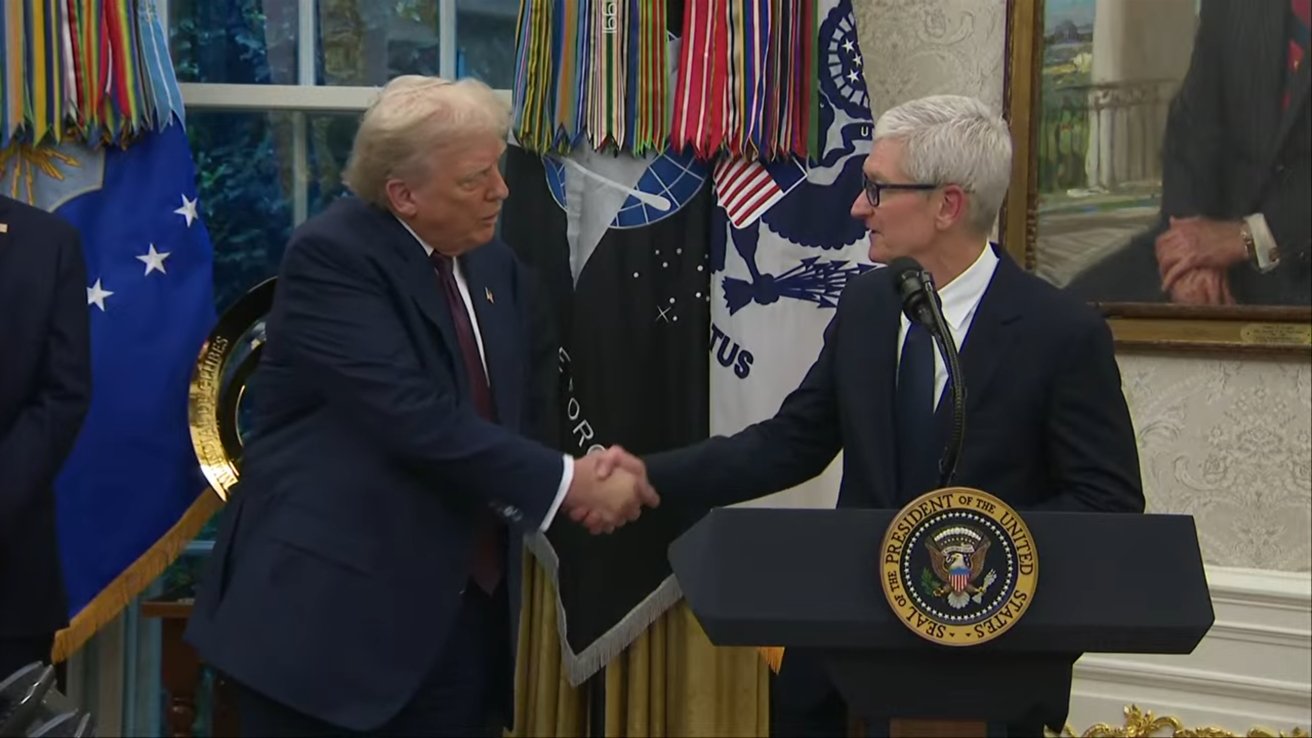
Apple CEO Tim Cook and President Donald Trump
It also included promising another $100 billion investment into manufacturing facilities in the United States. That promise would bring Apple's total investments to $600 billion over four years.
The strategy seemed to work, too. Apple got a carve-out in the new tariff policy, narrowly escaping a 100% import tariff on semiconductors.
In mid-August, Apple unveiled its third new Apple Store in Shenzhen, China. It also relocated its Pittsburgh Apple Shadyside store to a larger retail space.
Apple has launched its first Apple Manufacturing Academy that opened with a two-day program on August 19, 2025. The program follows the same structure as existing Developer Academies, such as the one already in Detroit.
Apple TV+ saw a 30% price hike in August
On August 21, Apple announced that it would be instituting a price hike on its streaming service, Apple TV+. The price jumped from $9.99 per month to $12.99 per month, a 30% increase.
September 2025
September effectively ends Apple's "quiet season," primarily because it brings a new iPhone lineup. This year, Apple announced the iPhone 17 lineup on September 9 at its "Awe Dropping" Apple Event.
The iPhone 17 made its debut. And, despite everyone's concerns of increased cost, it launched at the same price as its predecessor — $799.
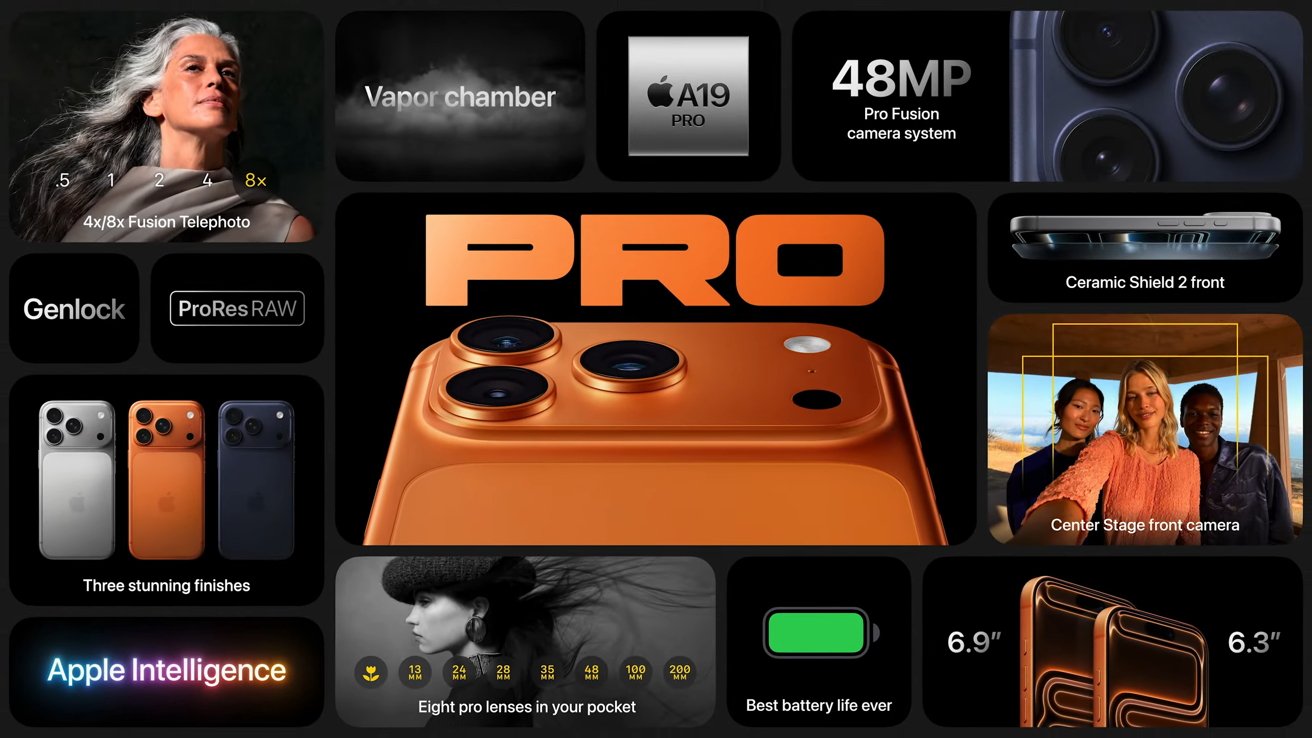
iPhone 17 Pro features | Image Credit: Apple
The iPhone 17 Pro got a substantial upgrade this year. A vapor cooling chamber and a new plateau to house the phone's upgraded camera system were notable updates.
In addition to the expected iPhone 17 and iPhone 17 Pro models, it also launched a brand new iPhone — the iPhone Air.
Billed as Apple's thinnest iPhone, the iPhone Air is speculated to preview technology destined for the iPhone Fold. Of course, Apple executives shut down any line of questions related to the iPhone Fold.
The September event also introduced two new Apple Watches: the Apple Watch Series 11 and the Apple Watch Ultra 3. New features like hypertension monitoring and increased battery life were among the updates.
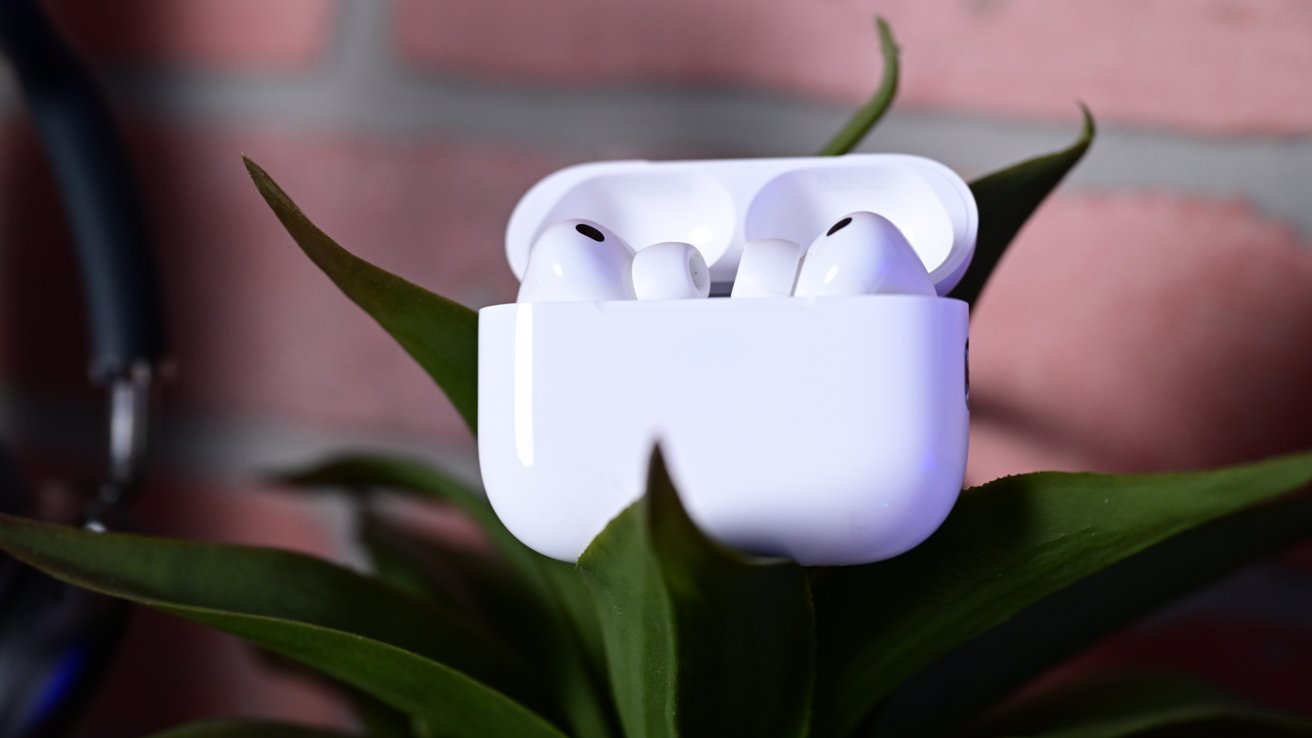
AirPods Pro 3 review
Apple also introduced AirPods Pro 3. Taking a cue from the Beats Studio Pro, AirPods Pro 3 can now track your heart rate.
However, it wasn't the smoothest launch for Apple, either. While Apple argues that the iPhone Air is the most durable iPhone yet, it seems that durability didn't translate over to the iPhone 17 Pro.
The iPhone lineup hit store shelves on September 19. That same day, customers began complaining that the in-store iPhone 17 Pro demo units were susceptible to scratching.
Apple switched to anodized aluminum for the iPhone 17 Pro lineup, rather than the titanium it had been using for several years. The aluminum, while offering better thermal performance, isn't nearly as scratch-resistant.
And yet, reviews of the line remain largely positive. The iPhone 17 is seen as one of the best upgrades Apple's done in years.
People are sufficiently impressed with the iPhone Air, though opinions are mixed regarding the single-lens camera choice. And even with concerns of potential scratching, people still like the iPhone 17 Pro line.