
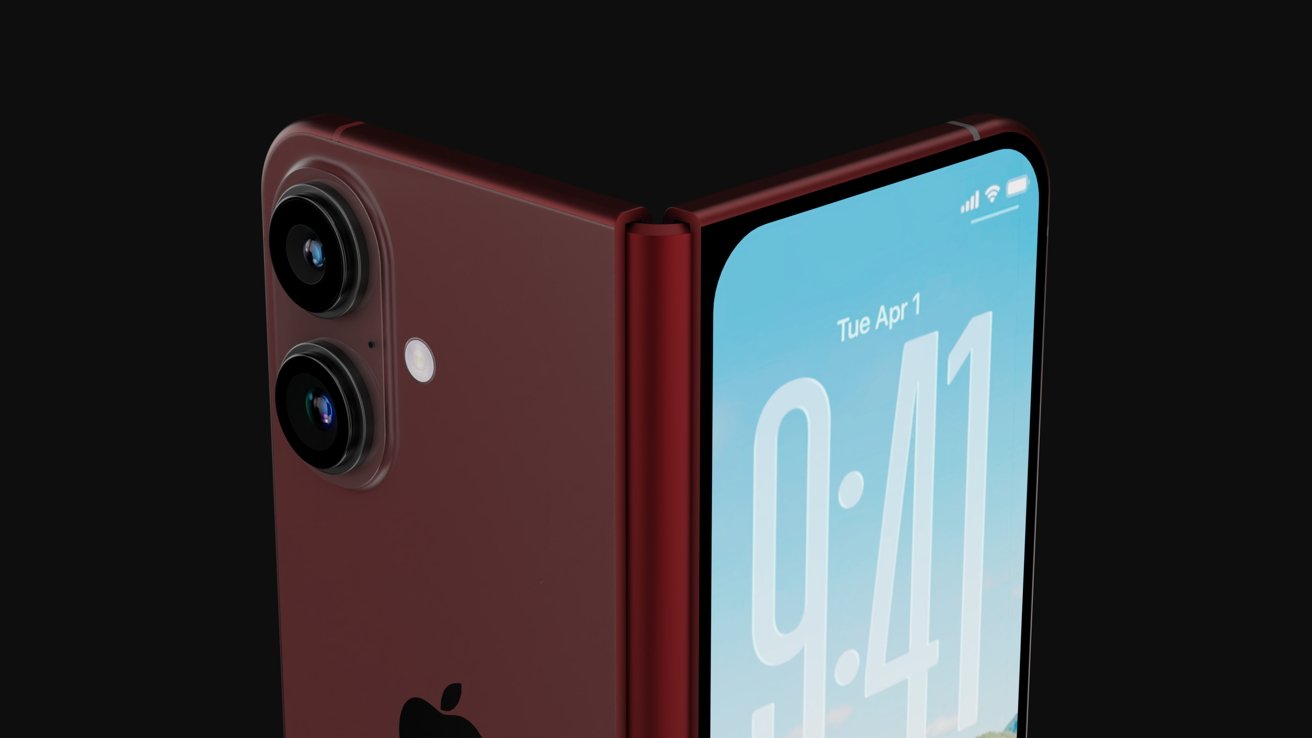
A new analyst note provides little detail, but seems to reiterate previous claims of Apple using multiple metals in its iPhone Fold frame design.
Previous rumors suggest the iPhone Fold will resemble two iPhone Air models stuck together by a hinge. Though, there are still questions about the materials that will be used to construct the ultra-thin device.
According to an analyst note from Jeff Pu, seen by 9to5Mac, the iPhone Fold will have a hybrid aluminum and titanium frame. No other details were provided.
Pu tends to piggyback on other rumors and analyst claims, and this information isn't particularly original. If you extrapolate his meaning based on other rumors, it seems to suggest the frame will be aluminum while the hinges will use titanium.
The titanium in the hinges is expected to be the first truly practical application of Liquid Metal, which is a deformable tough material fabricated with die casting. Without delving into the makeup of the material — which we will do in the future — it's the perfect material for something that opens and closes constantly like a hinge.
Lighter materials are needed
Earlier reports from analyst and leaker Ming-Chi Kuo pointed to a stainless steel frame, though he's always suggested liquid metal for the hinge. While stainless steel would be more durable, it would also be incredibly heavy — heavier still than a titanium frame like the one used in iPhone Air.
And that would be a problem for a smartphone.
The iPhone Air weighs 5.82 ounces, and rumors say the iPhone Fold is essentially two of them stuck together. Even if you pretend the hinge weighs nothing, that's 11.64 ounces with the current materials.
11.64 ounces or 0.73 pounds isn't exactly what you'd call lightweight. The Samsung Galaxy Z Fold7 weighs 7.58 ounces or 0.47 pounds, which is notably less.
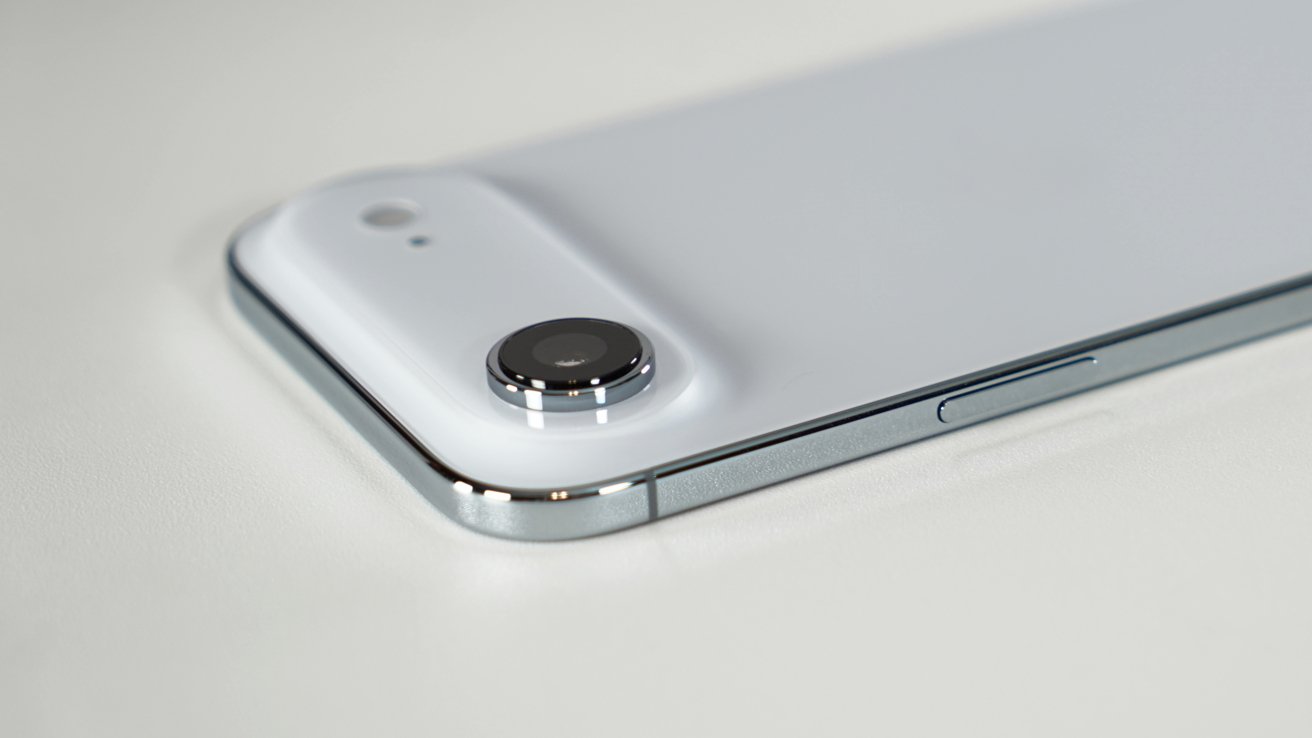
The dense titanium used in iPhone Air isn't too heavy thanks to the device's thinness
It seems highly unlikely that Apple would use titanium for the entire iPhone Fold frame, let alone stainless steel, so Pu's note on aluminum makes sense. The frame could be aluminum to maximize weight reduction, while titanium would be used as a liquid metal in the hinges.
The durability concerns over the frame should be reduced in a foldable since the device is literally made to fold. Attempting to bend across the horizontal plane should prove difficult given the device's design.
Whatever the case, Apple has a year to continue the dramatic weight and size reduction it needs to accomplish a competitive foldable smartphone. The iPhone Air is 5.4mm thick versus the Samsung Galaxy Z Fold7 being 4.2mm thick, so Apple has a long way to go.
Six years of almost
Rumors are ramping up about a potential iPhone Fold releasing in 2026, but physics and cost could still be against that release window. Apple can't afford to release a thicker, heavier foldable to the market when Samsung and Google have effectively captured the niche demand.
If you've been following rumors for a while, you may have noticed we've been about one year away from an iPhone Fold being released since 2019. There are always unforeseen manufacturing issues, like creasing displays, that cause an inevitable timeline shift.
I'm still not entirely convinced an iPhone Fold will ever materialize. It seems to be a product in search of a problem that's been solved by spatial computing like Apple Vision Pro — carrying a folding display seems moot when you can wear an infinite canvas over your eyes.
If the iPhone Fold is punted again, it may never see the light of day.