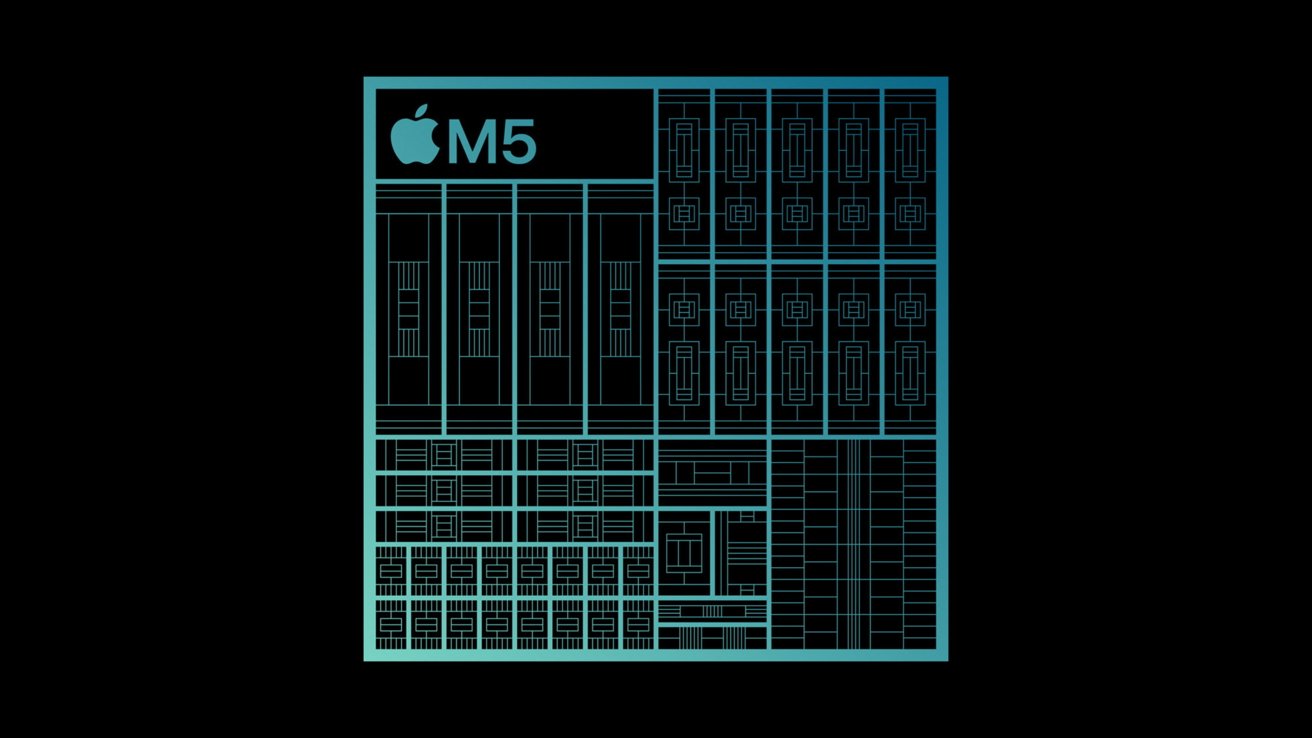
The new M5 chip packs faster graphics, a sharper Neural Engine, and Apple is clearly confident that it will take Apple Silicon deeper into the AI era. Here's how.
The company introduced the M5 system-on-a-chip on October 15 as the newest member of its Apple Silicon family. It's built on a third-generation 3-nanometer process designed to boost speed and efficiency.
The chip powers the 14inch MacBook Pro, iPad Pro, and Apple Vision Pro. Users can expect major performance gains, especially for AI tasks and graphics-heavy work.
Apple's numbers are based on its own internal testing. Real-world results may vary once independent benchmarks arrive.
The M5 features a redesigned 10-core GPU, and each core includes a built-in Neural Accelerator. Apple claims it reaches over four times the peak AI performance of the M4.
Those claims come from controlled comparisons. The real difference will depend on the apps and workloads people actually use.
It's also more than six times faster than the original M1. The new GPU architecture is tuned for machine learning, especially when using Apple's Metal 4 and Core ML frameworks.
Developers can also write directly to the Neural Accelerators using Tensor APIs, giving them finer control over on-device model performance. The 16-core Neural Engine returns with faster speeds and greater energy efficiency.
The M5 improves Apple Intelligence features and speeds up third-party AI tasks. It can handle image generation in Image Playground and turn 2D photos into spatial scenes on the Apple Vision Pro.
Apple didn't share detailed testing data, so we'll have to see how much faster those features feel in day-to-day use.
From independence to intelligence
The M5 marks Apple's fifth generation of in-house Mac chips since it broke away from Intel in 2020. Each generation has shown a clear shift in focus.
The M1 was about independence, the M2 about refinement, the M3 about efficiency, and the M4 about preparing for the rise of AI.
The M5 takes that next step by becoming Apple's first chip designed fully around AI performance. Every part of it, from the Neural Engine to the GPU, was built to accelerate machine learning.
Boosted GPU & CPU performance
The M5 also steps up graphics horsepower. It includes Apple's third-generation ray tracing engine and enhanced shader cores, delivering up to 45% faster graphics than the M4 and 2.5x faster than the M1.
These upgrades improve everything from gaming visuals to rendering in creative apps.
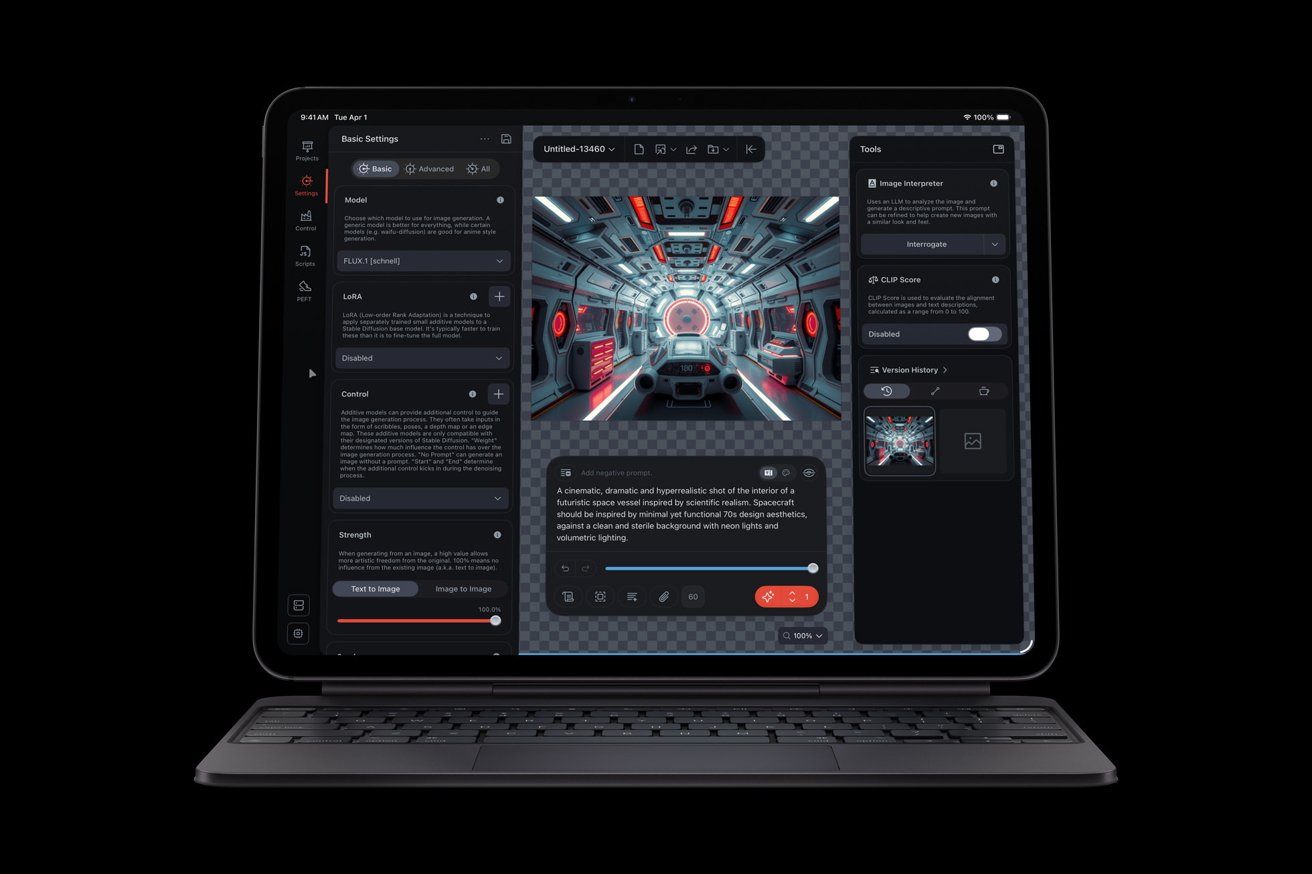
The M5 features a redesigned 10-core GPU, and each core includes a built-in Neural Accelerator.
The CPU has six efficiency cores and up to four performance cores, boosting multithreaded performance by 15% over the M4. The Neural Engine enhances multitasking and reduces latency for AI tools.
Memory & energy efficiency
Unified memory bandwidth climbs to 153GB/s, a nearly 30% jump over the M4. That allows more AI models to run entirely on-device, reducing cloud dependency and improving speed.
Users can expect smoother performance in heavy-duty apps like Final Cut Pro, even while uploading massive files. Apple didn't specify what sizes or types of models it tested, so it's not yet clear how that advantage plays out in practice.
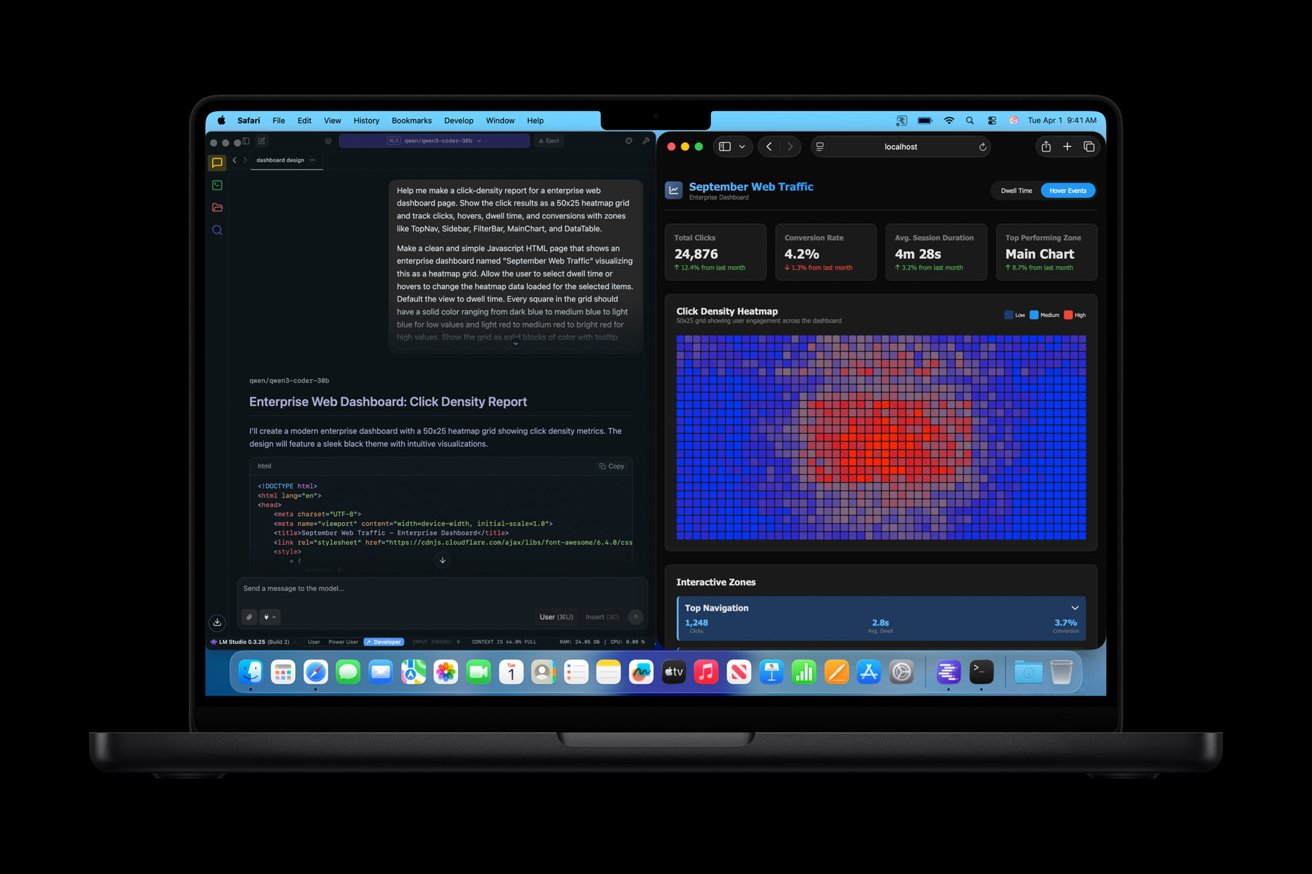
The M5's power-efficient design helps reduce overall energy use across the MacBook Pro.
The M5's power-efficient design helps reduce overall energy use across the MacBook Pro, iPad Pro, and Apple Vision Pro.
Preorders open now
All three devices powered by the M5 chip — the 14-inch MacBook Pro, iPad Pro, and Apple Vision Pro — are available for preorder. They arrive on October 22 with serious AI muscle and energy smarts.
Apple's early claims are impressive, but independent tests will show whether the M5 truly delivers on the hype.
Whether those improvements justify a new purchase depends on your workload. But for AI workflows, Apple's latest chip is no small upgrade.