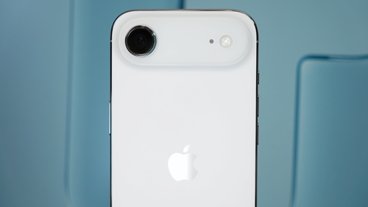
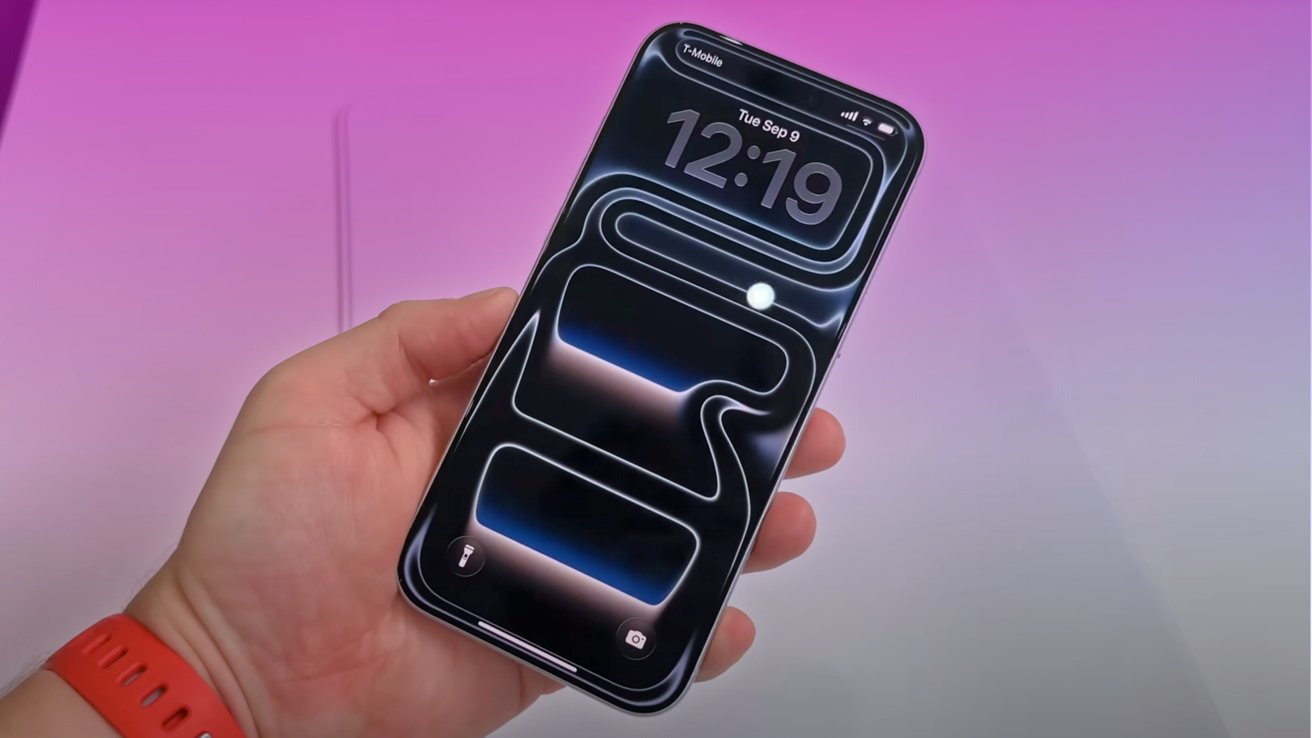
The new iPhone 17 comes with a Ceramic Shield 2 screen, built by Corning. But it only exists because a Steve Jobs masterclass convinced the company's CEO to take a giant risk way back in 2007.
That's according to Wendell Weeks, who is still the Corning CEO almost two decades later. Speaking to Fortune, Weeks told the story of how his company got involved with the iPhone — and it includes a typical Steve Jobs anecdote.
The way Weeks tells it, he'd tried to pitch Jobs on a technology that would turn a smartphone into a projector. Jobs wasn't sold, saying that it was the "dumbest idea [I've] ever effing heard." But he did take note of Corning itself.
That meant that when Jobs decided that the original iPhone needed a glass screen instead of plastic, he turned to Weeks and Corning. But the glass maker wasn't convinced.
In fact, Weeks was told to suggest that Jobs should take Apple's business elsewhere. And that's when the magic happened.
Jobs' fear factor
"Do you know what your problem is?" Jobs apparently asked of Corning's chief. "You're afraid. You know, you're afraid I'm going to launch the biggest product in history, and I'm not going to be able to do it because you failed, and I'm going to eviscerate you."

Jobs continued, arguing out that Weeks was "keeping [his] people from greatness." And all because he didn't want to suffer the wrath of an infamous Jobs if things didn't work out.
Ultimately, Jobs was able to convince Weeks that Corning should take the contract and make screens for the iPhone. Even if it meant risking dealing with an irate Jobs should things not work out.
Famously, things did work out, and the iPhone changed the world. Corning continues to reap the rewards — Apple recently announced an $2.5 billion commitment to produce iPhone and Apple Watch cover glass in the United States.
As a result, Corning will triple its production capacity at its Harrodsburg, Kentucky factory. It'll also grow its workforce by 50% to ensure it can keep up with demand.
Today, the iPhone 17's Ceramic Shield 2 uses an Apple-designed coating and offers 3x better scratch resistance than previous models. But it's Corning's technology that had that foundation for the original iPhone that sits beneath it.