
Even though Nvidia is the tech market leader, Apple has surpassed $4 trillion in valuation right after market open after a surge in share prices in October mostly because of positive analyst sentiment over the iPhone 17.
Apple has done it again, with its market capitalization closing above $4 trillion for the first time on October 13. The company's stock had to exceed $269.53 to hit the landmark, and that was exceeded right after the market opened.
The surge followed strong iPhone 17 sales in Apple's third quarter of 2025. And, a report on Tuesday said that Services would hit $100 billion by itself for the first time.
From one trillion to four
Apple's rise has been remarkable, hitting $1 trillion in August 2018, $2 trillion in August 2020, and $3 trillion in January 2022. Each jump once felt impossible until Apple made it routine.
In July 2025, Nvidia became the first public company to reach a $4 trillion market capitalization. Microsoft followed soon after, crossing the same threshold following a strong quarter and renewed investor confidence.
Microsoft is valued at about $3.95 trillion as of the date of this report, while Nvidia sits near $4.7 trillion.
While the company still relies on iPhone sales, Services have become a giant profit driver. The division, which includes the App Store, iCloud, Apple Music, and Apple Pay, delivered gross margins above 70%.
Apple stock closed for the day at $269.00, just barely under the $4 trillion mark.
The numbers behind $4 trillion
Recurring revenue now makes up more than a quarter of total sales. It's also growing faster than the company's hardware business. At its current market value, the stock trades at a price-to-earnings ratio of roughly 42.
That's high by historical measures, but still reasonable for a company with Apple's stability and cash flow. Investors expect profit growth to justify that multiple.
If Apple's earnings rise as they are expected to over the next two years, its P/E would normalize in the upper 20s. Continued buybacks will likely help, too, but could lower valuation.
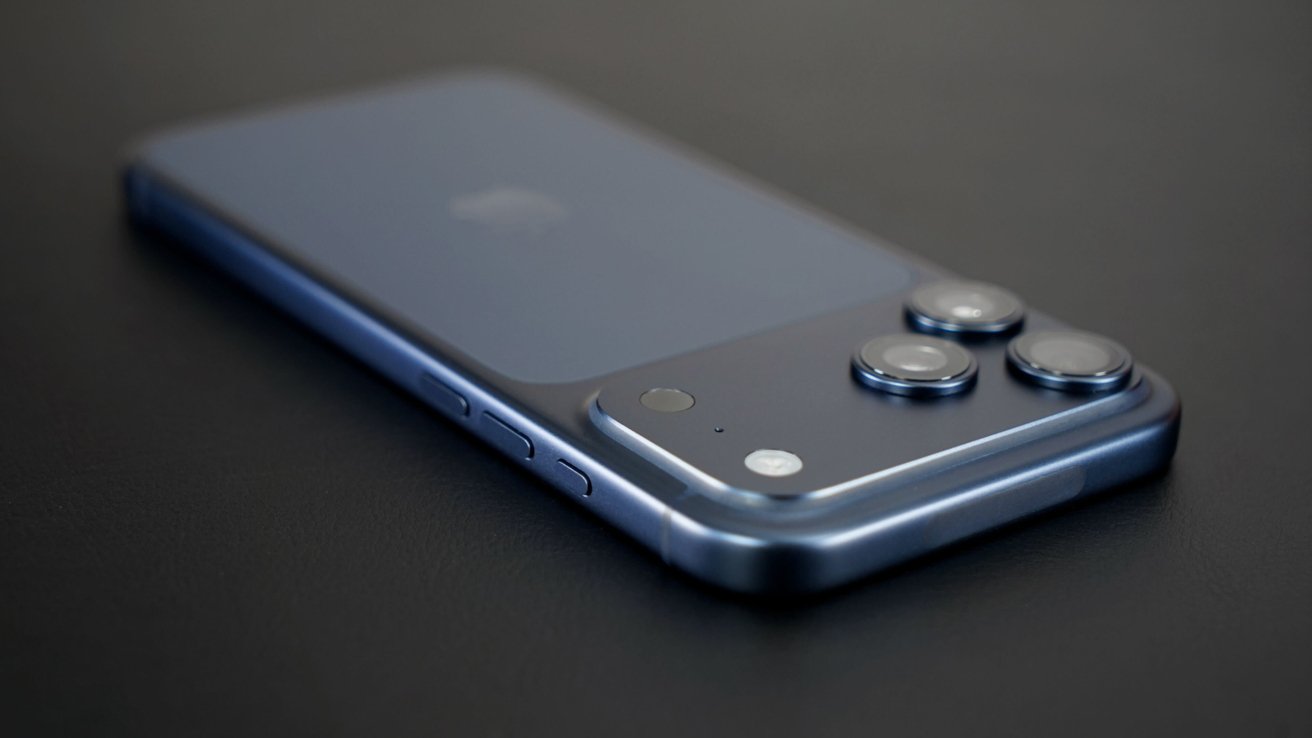
Wall Street digested fresh data showing higher-than-expected iPhone 17 demand
Apple bought back about $29 billion in stock in the September 2024 quarter. Its share count has dropped from more than 19 billion in 2018 to just under 15 billion.
Why investors still believe
More than 1.5 billion active iPhones keep users connected to an ecosystem that spans wearables, entertainment, and finance. The iPhone 17 launch in September 2025 reignited that ecosystem.
Carriers reported sellouts across major markets, and early demand in China and India surpassed forecasts. Analysts see the cycle continuing into 2026 as AI features roll out globally.
Apple's brand loyalty also gives it insulation few rivals enjoy. Surveys show customer satisfaction above 95%, and most iPhone buyers remain within the ecosystem for life.
That stability helps Apple weather economic slowdowns better than peers.
Crossing $4 trillion confirms Apple's command of a market where few companies ever surpass a trillion. At this level, Apple represents about 14% of the entire Nasdaq 100.
The company projects "low- to mid-single-digit" revenue growth in early 2026, signaling confidence but not exuberance. Apple's next earnings report is on October 30.