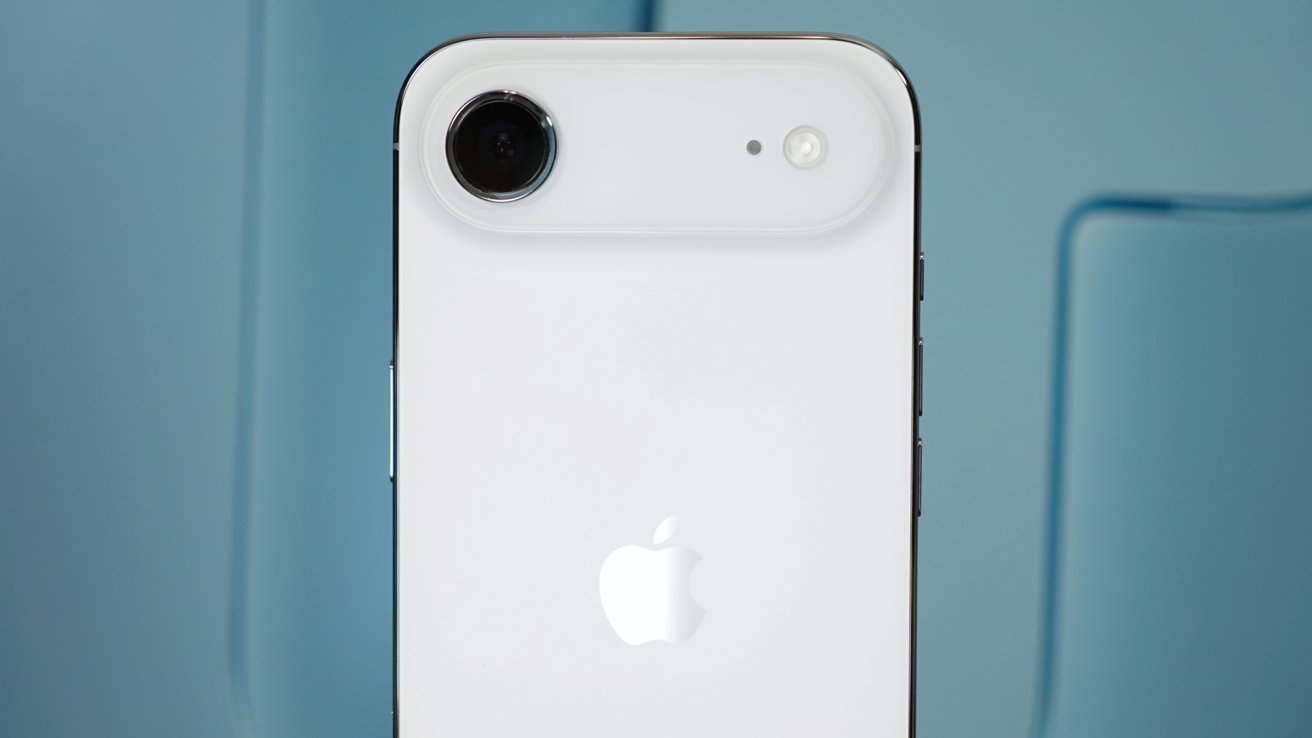
Apple may have delayed the iPhone Air's second generation from an expected fall 2026 launch, a questionable report about supposed production changes claims.
The iPhone Air has been the subject of intense speculation, with reports claiming it isn't selling as well as Apple hoped. The latest missive now insists it has done so poorly that Apple is going to skip a 2026 update entirely.
According to three people involved in the iPhone Air project speaking to The Information, the update to the iPhone Air was planned for the fall of 2026. That would've put it alongside updates to the iPhone 18 Pro range as well as the long-rumored iPhone Fold.
Apple supply chain partner Foxconn has allegedly disassembled almost all of its production lines for the iPhone Air, with a view to ending all production for the model by the end of November. Luxshare, another supplier who assembles the model, apparently ceased production at the end of October.
Inside Apple itself, it is claimed that managers told engineers that the next iPhone Air was being removed from the schedule. However, no new release date was provided for the model at all.
As for the next model's feature set when it arrives, the report strays further into questionable territory.
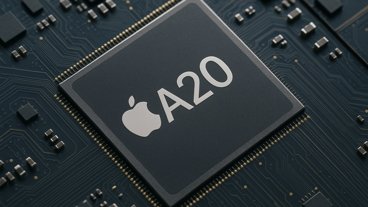
Sources cited in the report say that the second iPhone Air is planned to be lighter than the first version. At the same time, the iPhone Air 2 is rumored to have a larger battery capacity, as well as the vapor chamber thermal management for the A-series chip.
The rumors about lighter and more features are contradictory. Adding more physical battery and a space-filling vapor chamber would mean expanding the size of the device, as well as its weight.
Hot Air
Since the launch of the iPhone Air, various analysts have been quick to claim the model is a failure, based on various supply chain factors. However, these two have been contradictory in nature too.
The first questionable report surfaced on October 17, insisting that Apple had cut 2025 orders of the iPhone Air by 1 million units, while increasing the other iPhone 17 models by a total of 7 million.
Not long after, reports doubled down on the claim, with one alleging the November production run would be down 10% versus the September run. Analyst Ming-Chi Kuo joined in too, declaring the Air had "fallen short of expectations," with components that have longer lead times being discontinued by the end of the year.
However, TD Cowen denounced the claims on October 26, saying there were no changes to iPhone forecasts for the month. There were also mid-October reports from Chinese media that the iPhone Air sold out almost immediately after preorders opened up in the country.
While the reports will influence investor sentiment in the company, any changes Apple makes to the supply chain are perfectly normal, even if they appear to indicate weaker sales in one or more products. Apple's vast supply chain is set up so that it can quickly adjust to reflect consumer demand, and so changes are inevitable.
This doesn't necessarily mean a product that has its orders reduced is a failure. Indeed, it is a regular occurrence for Pro model sales to make up the bulk of early purchases, but for the standard and other models to seemingly ramp back up months later as the initial high-spec demand period subsides.