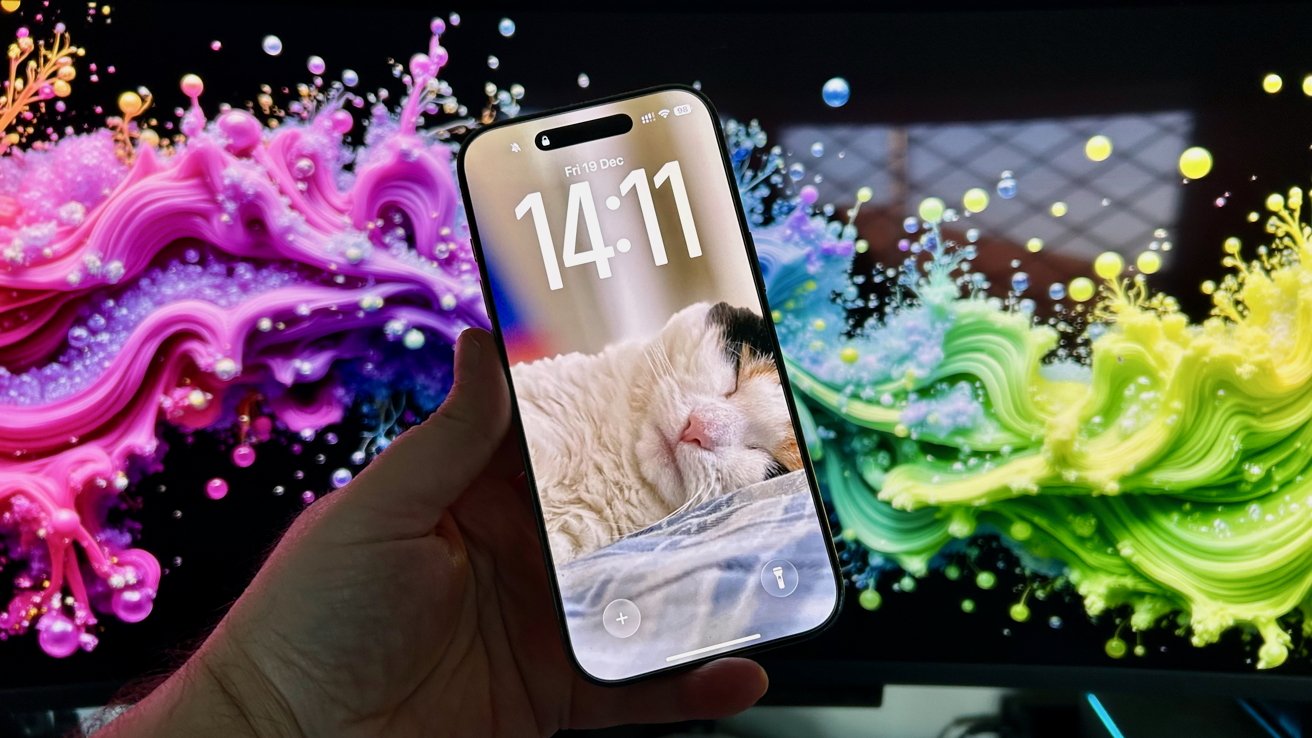
The iPhone Air remains controversial even three months after its release, but after a quarter of a year with one in my pocket, I'm in no rush to go back to a Pro Max.
The arrival of the iPhone Air in September 2025 came after months of rumors. It's rare for any iPhone to live up to that kind of hype, but the iPhone Air did it.
It was every bit as thin and light as we'd been told to expect by every leaker under the sun. And even after Apple announced it, seeing was most definitely believing — you really need to get your hands on an iPhone Air to understand it.
But when I say the iPhone Air is controversial, I mean it.
Our iPhone Air review saw Mike Wuerthele and Wes Hilliard give it four stars out of five. But even then, they said that it "has too many compromises to pull Pro-phone faithful away".
But I'm what many would call an iPhone power user. And I have a history of well-worn iPhone Pro Max handsets to prove my credentials.
Still, the iPhone Air got its hooks into me.
I wasn't convinced until I took an iPhone Air on vacation to see how I liked it.
I spent 10 days taking photos and videos of my family in the Cretan sun. I came back waxing lyrical about my time with a phone that continued to live up to the hype.
But here, a couple of months later, it's time to revisit things.
This three-month review won't bore you with speeds and feeds; they haven't changed since our initial review after all. Instead, I'm going to see how the iPhone Air holds up after the new phone smell has worn off.
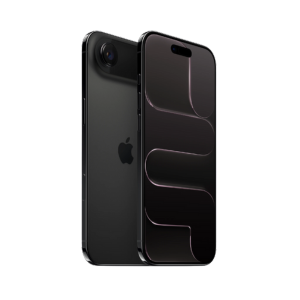
iPhone Air
iPhone Air: More than enough iPhone for me
I've mentioned it twice already, but it bears a third mention. The iPhone Air is a controversial, perhaps even divisive handset.
On the one hand, it's impossibly thin yet surprisingly durable. It won't bend in your pocket, let alone just by looking at it — no matter what your brain might tell you when you pick it up.
But on the other hand, it's a flawed device that lacks, at least on paper, some key features. Power users need long-lasting batteries and more cameras than your local electronics store, after all.
It's an argument that has been ongoing ever since it was made clear that the iPhone Air would go all out on aesthetics at the expense of features. It's too thin for a big battery. The same goes for additional cameras, too.
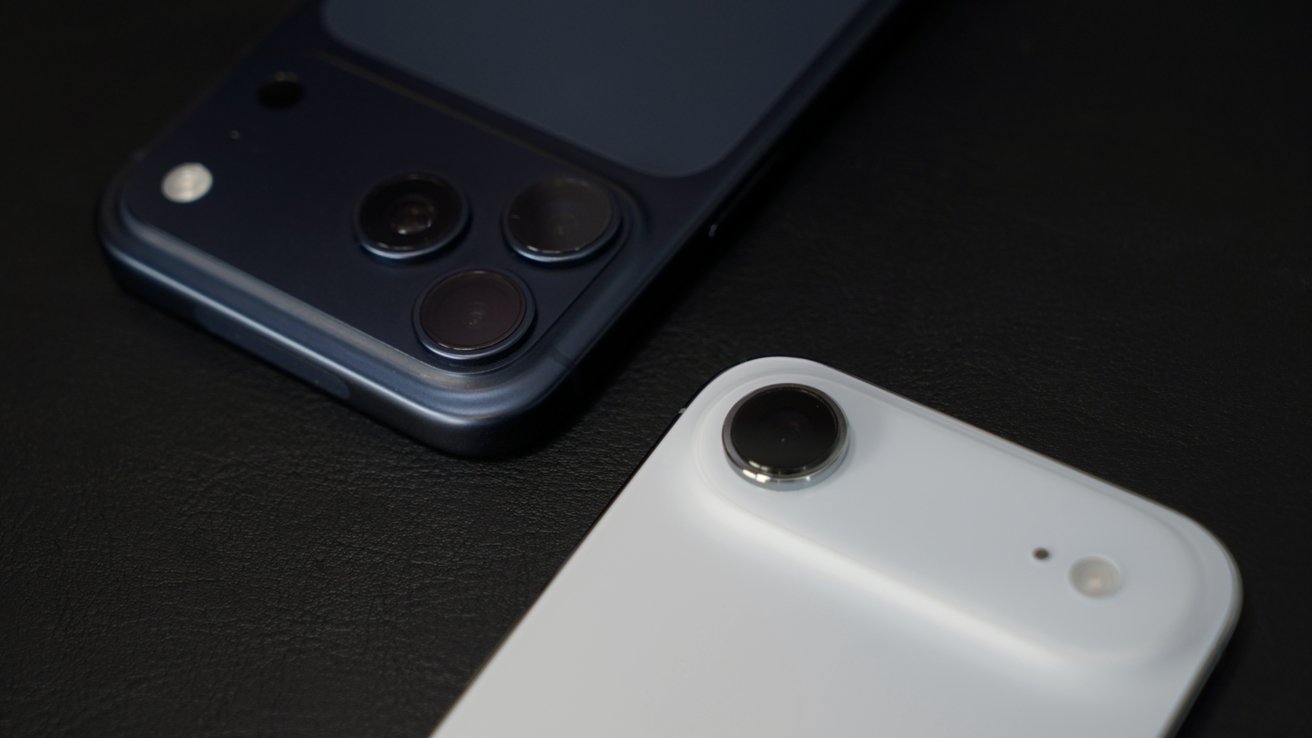
iPhone Air three-month review: The Air certainly comes in nicer colors than the Pro
That all means the iPhone Air has a single 48-megapixel Fusion camera and a battery that might need a top-up before bedtime.
Those two limitations were what made me worry that the iPhone Air wouldn't be enough iPhone for me. Certainly not to replace my trusty iPhone 15 Pro Max. A phone so good I skipped the iPhone 16 Pro Max entirely.
I was so unsure of the iPhone Air's credentials that I boarded the plane for Crete with both phones in my bag. By the end of the second day, the iPhone 15 Pro Max was in my luggage, waiting to come home.
When one camera is enough
See, it turns out that I didn't actually use the iPhone 15 Pro Max's telephoto or ultrawide cameras as much as I thought I did. Certainly not enough to miss them, that's for sure.
It helps that the iPhone Air's Fusion camera is excellent at taking photos. It takes bright, colorful shots day or night, and its faux 2x optical zoom is more than enough for my day-to-day needs. And there's a 10x digital zoom if it's really needed, too.

iPhone Air three-month review: This nighttime shot was no problem for the Air
The iPhone Air might only have a single lens, but it has all of the modern camera features we've come to expect from Apple. Smart HDR 5, Portrait Mode with Portrait Lighting, Night Mode, and all the rest are all present.
In short, it's just a damn fine camera. And unless you're a YouTuber doing camera tests or a photographer trying to ditch your "real" camera, I'd wager it's more than enough for most people.
Who needs two-day batteries, anyway?
Camera concerns knocked to the wayside, it's time to turn our attentions to the battery-shaped elephant in the room.
There is no way around it. The iPhone Air won't be the two-day phone some people seem convinced that they need.
If that sounds like you, I'd posit that perhaps you don't really need it as much as you think you do.
Apple says the iPhone Air can last long enough to play videos for up to 27 hours before it gives up the ghost. That means, well, nothing to anyone.
So let's go back to our original iPhone Air review for some context. Mike and Wes found that the iPhone Air would have around 20% battery life remaining at 8 p.m. after taking it off charge 12 hours earlier.
They didn't baby the battery to get there, either. "The iPhone Air was in heavy use, taking photos, making calls, scrolling TikTok, and downloading dozens of baby photos from a family group chat", which sounds similar to my vacation usage, too.
I will say that I found the battery life to not be quite so good some days, but around that level most days. It's worth remembering that I was using roaming with a UK iPhone Air on a Greek carrier, so that won't have helped.
But I'm not sure that any of this matters when we remember just how easily an iPhone can be charged these days. The iPhone Air I'm using is rarely far from a charger, and it's plugged in for CarPlay (so charging) whenever I leave the house, anyway.
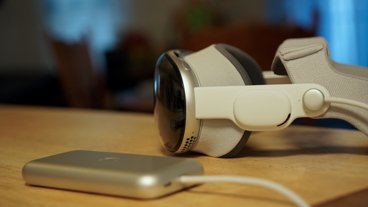
If you're really worried, there is no shortage of great MagSafe accessories just waiting to ease your nerves.
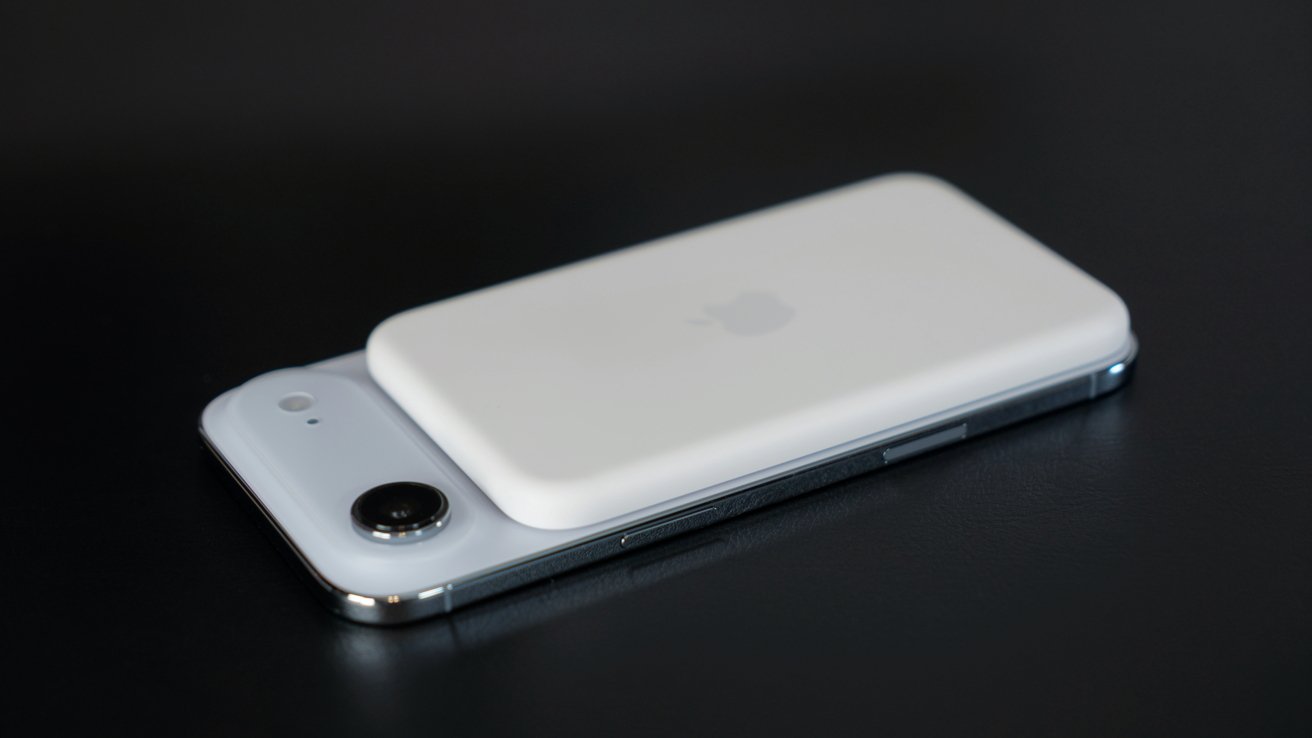
iPhone Air three-month review: Apple's MagSafe Battery adds plenty of charge if needed
And that, I think, is Apple's approach here. The iPhone Air is the closest thing yet to the fabled Naked Robotic Core, something The Incomparable podcast discussed almost a decade ago.
The theory is simple. An iPhone with all of the unnecessary stuff removed, allowing users to add those things back as attachments only when they're needed.
Now think about the iPhone Air, a phone that is as naked an iPhone as we've ever seen. And you can throw a magnetic battery at it if the need takes you.
Not that I've ever needed to. But it sure is nice to have the option.
iPhone Air: Premium performance
Despite its svelte chassis and relatively small battery, Apple gave the iPhone Air the same A19 Pro chip as the iPhone 17 Pro. Well, almost.
While the iPhone 17 Pro has a six-core GPU, the iPhone Air has to make do with just five cores. Those cores still have a Neural Accelerator each, and six CPU cores match the Pro's chip, too.
As for what that means, the answer is not a lot. If you spend your days benchmarking phones, you'll find the iPhone Air is a tad slower than the 17 Pro in multi-core tests.
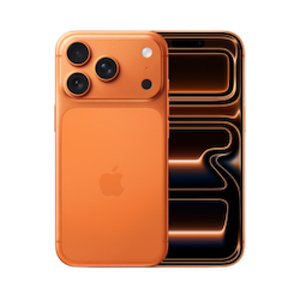
iPhone 17 Pro
But if you do literally anything else, you'll never know. To prove it, I've been playing Rockstar Games' Red Dead Redemption on the iPhone Air, and it looks and performs brilliantly.
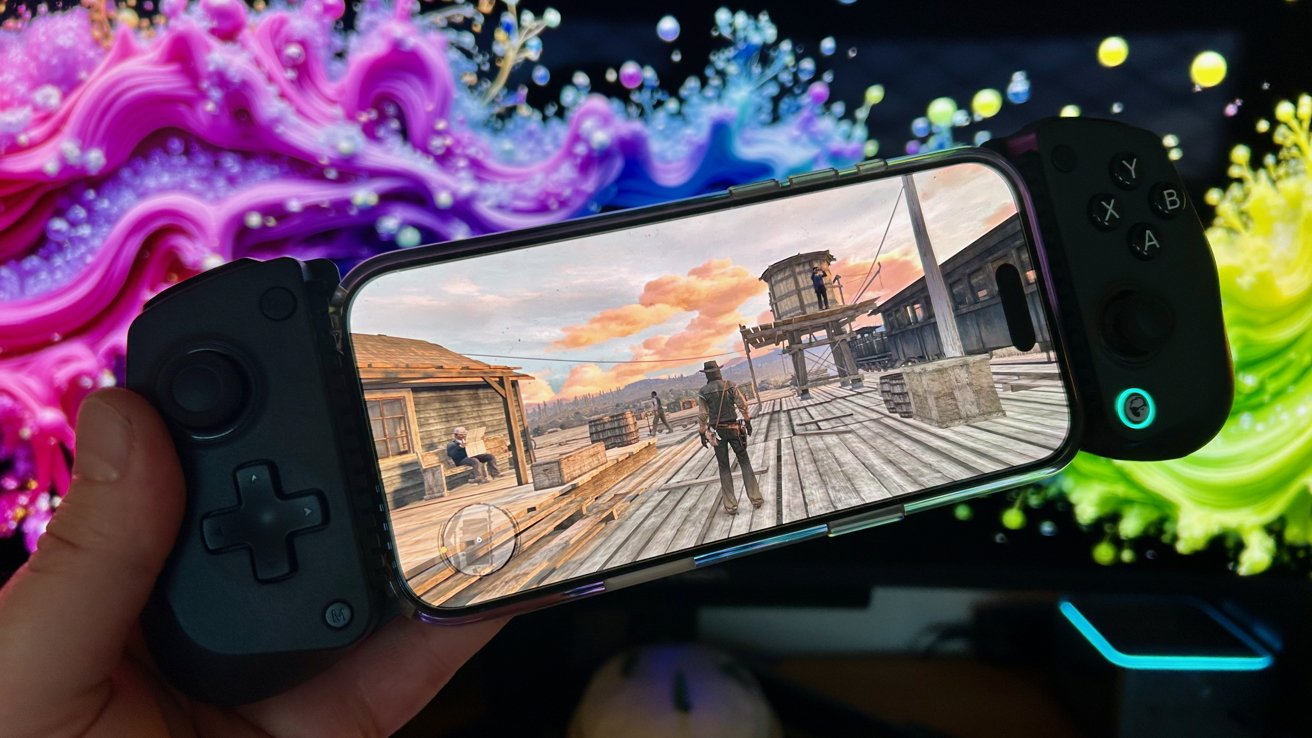
iPhone Air three-month review: The A19 Pro doesn't break a sweat playing Red Dead Redemption
Games and apps, as you'd expect, run more smoothly than they have any right to on something that fits in your pocket. Just remember that the Air's small battery will be pushed to its limits if you're playing games.
I'll again draw your attention to our original iPhone Air review for the lowdown on all of the other bits of silicon found in the iPhone Air. If you want to learn more about the new C1X modem, that's the place to be.
All I can say is that the iPhone Air has worked as expected, both across the UK's sub-6GHz 5G and my home's Wi-Fi 7 setup. It's fast and reliable, as it should be.
This would also be a good time to mention that the iPhone Air is an eSIM-only affair. Your little plastic SIM is no good here.
That's another controversial aspect of the iPhone Air, albeit to a lesser extent than Apple's other design choices. Personally, I'm a fan of eSIM technology, and the only issues I've experienced were of my carrier's making, not Apple's.
Finally, a word for something that often gets overlooked. The iPhone Air boasts a 6.5-inch display, and it's as gorgeous as we've come to expect.
Could it be bigger? I do like the larger display of the Pro Max models, but I suspect any bigger, and the Air's thin frame might veer uncomfortably close to Bendgate 2.0.
Thankfully, Apple has avoided that by making the iPhone Air particularly tough.
Not only does the display look good, but it's bright, too. With a base 1,000-nit brightness for usual content and a peak of 1,600 nits for HDR content, I've not once struggled to see what's on-screen. But wait, there's more.
Take the iPhone Air outside, and it can boost the peak brightness to a retina-searing 3,000 nits. The kind of feature I was thankful for during my vacation testing.
iPhone Air: It's not perfect, though
I don't think it's spoiling the conclusion of this review to say that I'm a fan of the iPhone Air. But that doesn't mean that I'm entirely blind to some of its shortcomings.
One of those is the lack of a speaker at the bottom of the device, something I expected to be a non-issue despite the handwringing online. But I must confess that I miss the stereo audio more than I expected to.
I'm not someone who listens to podcasts using the iPhone's speakers, nor do I regularly watch content that way. So I'd assumed that the single speaker being at the top of the display wouldn't be a problem.
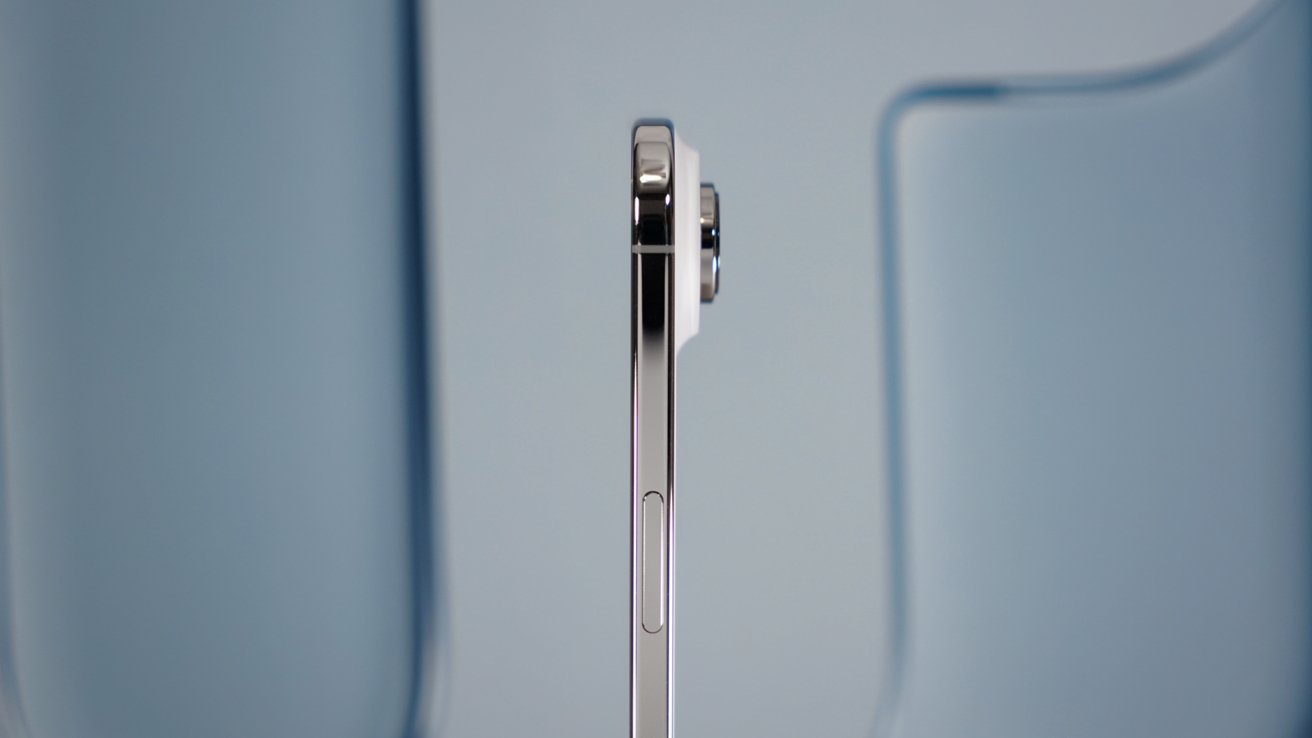
iPhone Air three-month review: The thinnest iPhone yet
Except, it turns out that it is. I said I don't "regularly" watch content without using AirPods. But I "do" do it sometimes, and that's enough.
It's enough to learn that I really don't like the audio sounding like it's broken, because that's how it seems. Intellectually, I know there's no speaker to create the stereo effect, but my ears expect it. And so everything just sounds ... wrong.
I only experience this when I want to show someone a new trailer for a movie or game, because I have my AirPods in otherwise. But it's a failing that I hope Apple can address with the iPhone Air 2.
iPhone Air: Beyond the specs
I said earlier that I wasn't going to fill this three-month catch-up with specs. They're better found in our review or on the side of the box. And I stand by that (even if some necessary specs did sneak in along the way).
I do that because I've found the iPhone Air to do something that I've missed from recent iPhone releases. It's made me enjoy using an iPhone again.
It's a story as old as time, but indulge me for a moment. I've been writing about Apple and adjacent tech for longer than my teenage son has been alive. And it's been great.
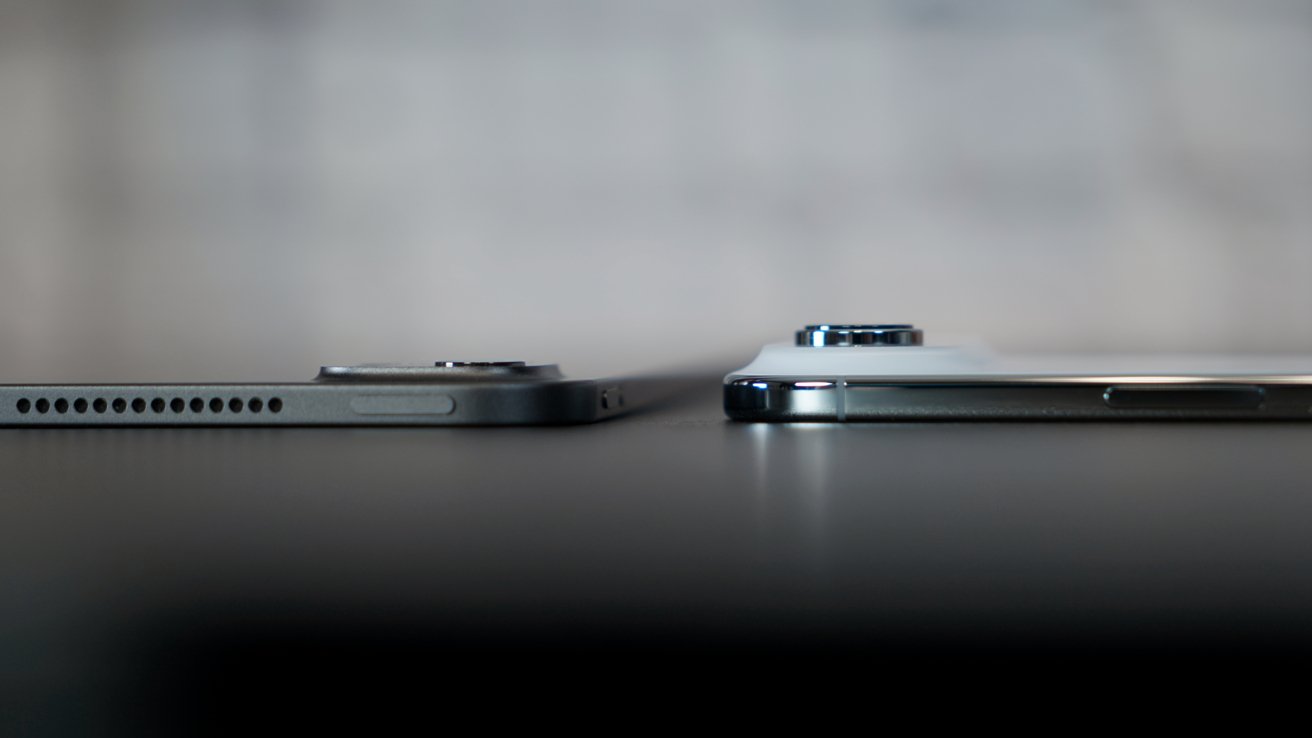
iPhone Air three-month review: Apple's thinnest iPhone, but the iPad Pro is still thinner
But it's fair to say that the iPhone has become stale over the years, as has the whole phone industry if you take foldables out of the mix. And that makes it easy to become jaded.
I remember when a new iPhone was exciting, but it's a feeling that I've missed in recent years. The iPhone X was a revolution, and the iPhone 15 Pro series brought titanium to the lineup. But aside from ever-faster chips, what's really changed since 2007?
Cameras have gotten better, sure. But I defy anyone to tell a photo taken from an iPhone 17 from one taken on an iPhone 14 or thereabouts. They're all good. Some are just better in ways only the pixel peepers and spec fiends will spot.
But with the iPhone Air, Apple's back on its game. It's a familiar format, but shrunk to a volume never before seen. It doesn't just look different, it "feels" it.
That, to me, is exciting. And it's why I started writing about technology in the first place.
The iPhone Air excites me every time I pick it up in a way no iPhone has for far too long. And the fact that it still does it three months later is as impressive as it is surprising.
I'd suggest that the iPhone Air is the best iPhone Apple has ever made. It doesn't have the cameras of an iPhone 17 Pro Max, sure, but it's more interesting. More fun.
And I'm ready for smartphones to be fun again. And I think the only thing that might tear me away from the next iPhone Air is an iPhone Fold, still rumored for a 2026 release.
The iPhone Air isn't just the sexiest model in Apple's 2025 lineup; it's the best ever. And, I think, it's the start of a new iPhone love affair for at least one so-called power user.
iPhone Air: Pros
- The biggest design refresh in almost a decade
- The 48-megapixel Fusion camera takes stunning photos
- Storage options start at 256GB
- iPhones are fun again
iPhone Air: Cons
- A single camera might worry some
- A relatively small battery will put some off
- A single speaker means no stereo audio
Rating: 4 out of 5
I really like the iPhone Air, and I know that I'm not alone. But I also know that there will be people who read this and think that I've gone mad. That I shouldn't be allowed to write words on the internet anymore.
And that's fine, you do you. That's why there's an iPhone 17, an iPhone 17 Pro, and an iPhone 17 Pro Max for you to choose instead.
iPhone 17 Pro Max
That's the beauty of Apple's iPhone lineup in 2025. It's borrowed from the iPad's playbook of offering a budget, a thin and light, and a powerhouse option to cover all bases.
The iPhone Air is the right iPhone for me. And I'm more surprised than you, believe me.
But I can't promise that I won't change my mind when someone puts an iPhone Fold in front of me.
Where to buy Apple's iPhone Air at a discount
The iPhone Air starts from $999 with 256GB of storage, but there are many deals available from carriers to cut the cost down.
- T-Mobile: Get an iPhone Air for as low as $0/mo for 24 months*.
- AT&T: Get Apple's iPhone Air for as low as $12.99/mo*.
- Verizon: Get the iPhone Air for as low as $0/mo for 36 months*. *See site for terms and conditions pertaining to the offer.