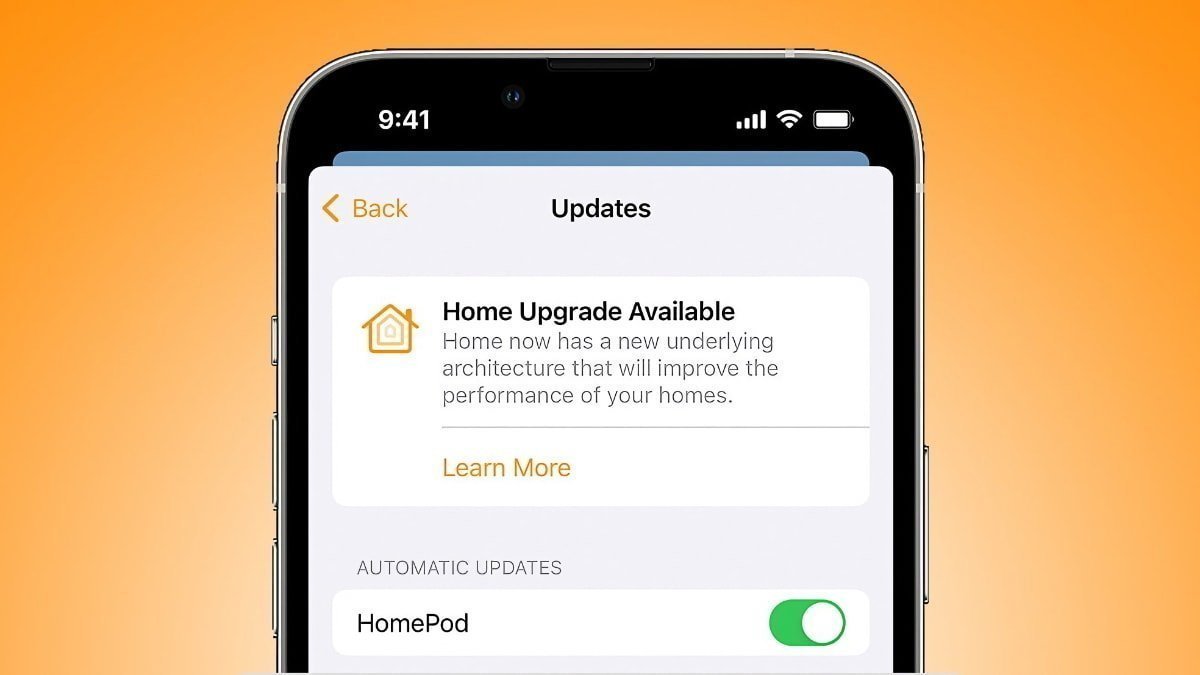
Most users won't notice the change, but homes relying on older devices could lose Home access after February 10.
The company has begun emailing users who haven't upgraded, saying Home app access could be blocked after the deadline. Apple also warns accessories, automations, and security updates may stop working.
The change affects Apple users who rely on HomeKit accessories, HomePods, or Apple TV as home hubs. Users who delay the upgrade risk losing basic Home functionality.
Apple introduced a redesigned Home architecture in late 2022 alongside iOS 16.2. The update aimed to improve reliability and performance across HomeKit devices.
Early issues led Apple to temporarily pull the upgrade before reintroducing it in early 2023. Apple kept the transition optional to avoid disrupting existing setups.
What happens if users don't upgrade
Apple says homes that remain on the older architecture may lose access to the Home app after February 10. Accessories and automations could stop responding or fail entirely.
Security updates and performance fixes will also stop arriving for the legacy system. Apple frames the cutoff as an end of support, not a feature change.
The newer Home architecture requires iOS 16.2, iPadOS 16.2, macOS 13.1, tvOS 16.2, and watchOS 9.2 or later. Devices that can't update will lose Home access once the upgrade is completed.
That requirement has delayed adoption for users relying on older iPhones or iPads as fixed Home controllers. Apple hasn't offered a compatibility exception for those setups.
Apple previously delayed the cutoff from fall 2025 to February 2026, signaling caution around the transition. Reminder emails sent to Apple customers suggest enforcement is now imminent.