
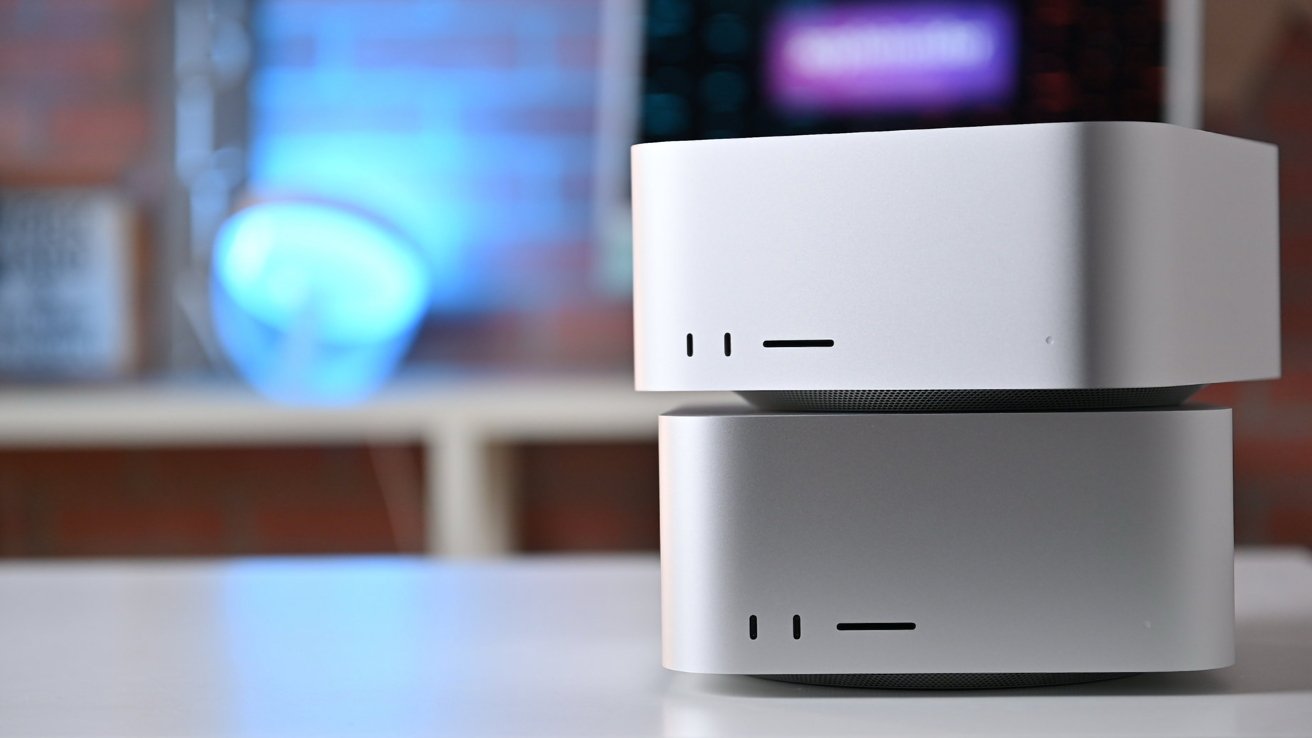
Following reports of dwindling stocks of the iPhone 16e, there are now ones about the Mac Studio. While a new one is coming, in 2026 there are just too many external factors to use it as a reliable indicator of an imminent launch.
It seems such an obvious thing — if Apple is running low on the Mac Studio, it's because a new one is coming. And it seems such an easy thing to spot, since the online Apple Store details how long the delivery time is for any item.
So if you used to be able to get a custom Mac Studio the day after tomorrow in most cases, but now Apple says it'll take weeks, clearly stocks are low. It's then the rumor mill syllogism: a new device is expected, stocks are now low, therefore the new device is imminent.
That's the thinking behind the recent rumor of stock shortages for both the iPhone 16e and the iPad Air — although AppleInsider research shows no significant shipping delays. Back in October 2025, there were reports that the Apple TV 4K and HomePod mini were in short supply, and four months later we still haven't seen any new models.
It could be true, but needn't be
What's most persuasive about this thinking is that it could be true. Apple runs an extraordinarily tight ship so that it never holds more than perhaps 30 days of inventory in stock.
When a new device really is imminent, Apple will surely stop ordering the manufacturing of the old model. Or at least, it will stop once it believes it has more than it can sell.
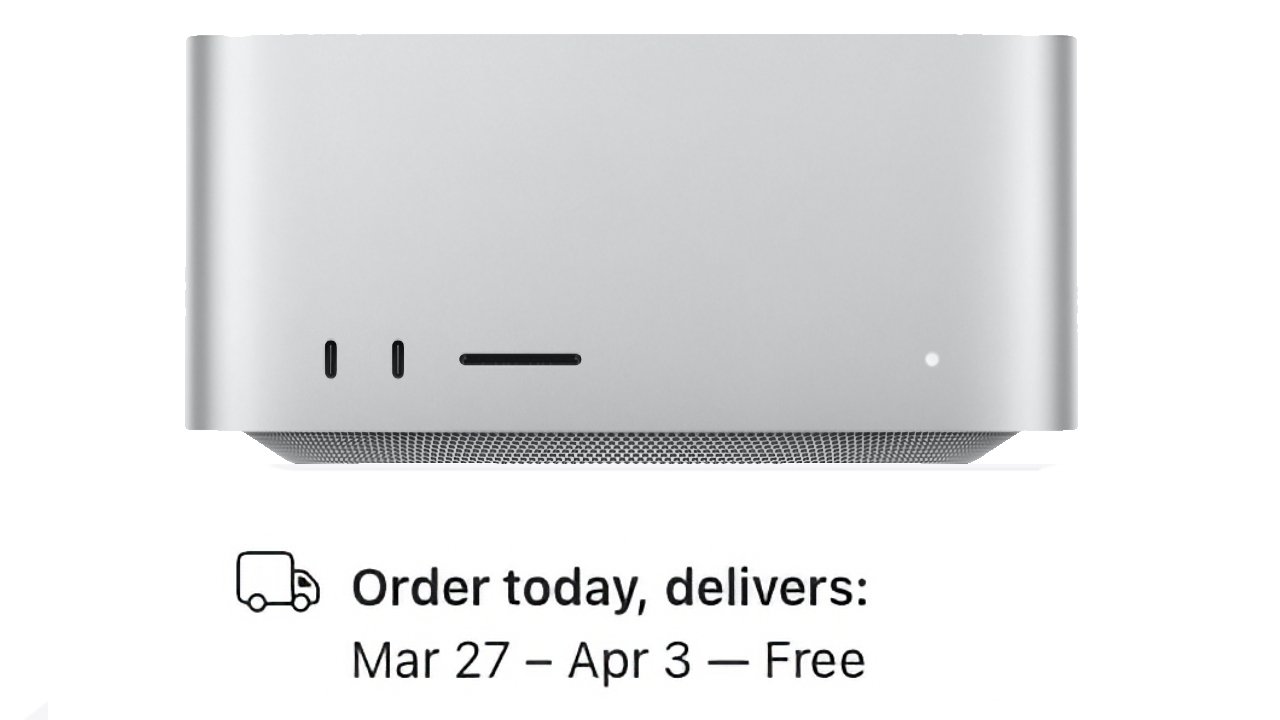
Detail from a current Mac Studio order page
After all, you'll never see a sharp intake of breath from anyone in an Apple Store if you buy a $7,000 Mac Pro an hour before a new version comes out.
The problem is that as appealing as this thinking is, the sole thing that long delivery times mean is that you're going to have to wait exactly that long.
Apple runs an impossibly complex global supply and distribution system — which it's recently had to revamp to minimize the impact of tariffs. An unexpected rise in demand for the iPhone in China, for instance, might see a change in availability elsewhere.
Or as evidenced most clearly during the pandemic, supply problems can send iPhone shipping dates back months. In January 2026, Tim Cook revealed that Apple hasn't been able to meet demand for the iPhone 18 range.
Supplies will be more unpredictable in 2026
Right now, that's not looking likely to change, either. Processor foundry TSMC is reportedly at maximum capacity. And, Apple is no longer its biggest customer, able to buy everything it can produce.
Added to which, 2026 is seeing demand for RAM far outstripping supply thanks to AI and server farms. This is affecting all technology firms, not just Apple, and it means manufacturers are able to charge so much that iPhone prices may have to rise.
It also means that Apple is having to renegotiate its memory contracts sooner rather than later. Maybe that means having to delay manufacturing until it has the supplies, maybe it means waiting in the expectation of a better deal.
Either way, it means delays and there is no possible way to know whether to attribute longer shipping times to this or to a genuine rundown ahead of a launch.
Studying stock levels just when a new device is predicted to launch is worthless. Studying them all the time, though, is more revealing — it shows that Apple shipping times are continually growing and shrinking on everything.
This is why when any Apple device has been available for eight months or more, AppleInsider checks shipping dates three times a week, on all the major hardware it sells. And even then, there's not a lot of weight to put into that, and we're reconsidering the practice as the years wear on.
In this case, the two-month wait for custom Mac Studios has been in place off-and-on since October. Devices often ship far faster than that estimate, though.
There is no truly accurate way to predict when Apple will launch a new device or a new update, other than looking at the tea leaves through the lens of previous releases — and even that's not great.
People are waking up. Mac Studio hardware 54+ days out...FML pic.twitter.com/KOdl0yqvfs
— Ray Fernando (@RayFernando1337) February 13, 2026
Certainly you don't want to spend a lot of money on a device only to see it superseded the next day. That's not even if the fact that the one you bought is still exactly as good as you expected it to be.
You do have a little recourse if a model is updated, because Apple typically operates a 14-day returns window.
But still, the only practical approach is to buy the device you need, when you need it. And then probably close your ears to new launch news for a while.