The 2026 revamp of Apple Intelligence and Siri is imminent, and Playlist Playground in iOS 26.4 shows Apple will continue to treat AI as a background tool, not a flagship feature.
If you've been paying attention, Apple's strategy with artificial intelligence has always been about keeping it in the background. It augments human users rather than replacing them or stealing from them.
System-wide access to controls via app intents and the more personalized Siri won't or will be groundbreaking, depending on any given user's workflow. Apple isn't treating AI as some kind of world-altering paradigm that needs to overtake every part of the product.
The key differentiator remains. Even as AI it expands within Apple's ecosystem, it will also be able to be ignored by users if they desire.
On Monday, more evidence of this approach appeared in iOS 26.4 with the new AI feature called Playlist Playground. It's a new tool that will let users generate playlists in Apple Music.
AI Playgrounds as a marketing tool
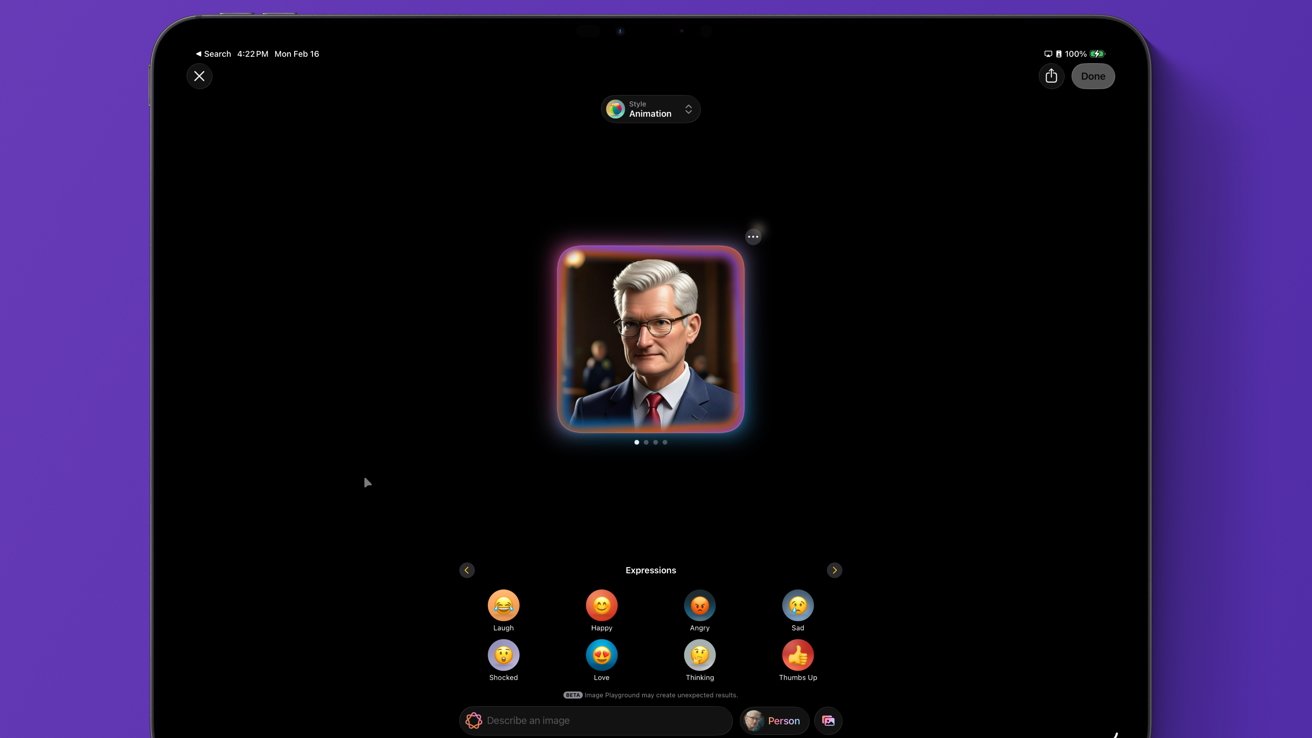
Apple's approach to generative AI so far has been locking them behind specific feature sets tied to wider creative tools. Image Playground is a part of note-taking or presentations, while Writing Tools is a part of document creation.
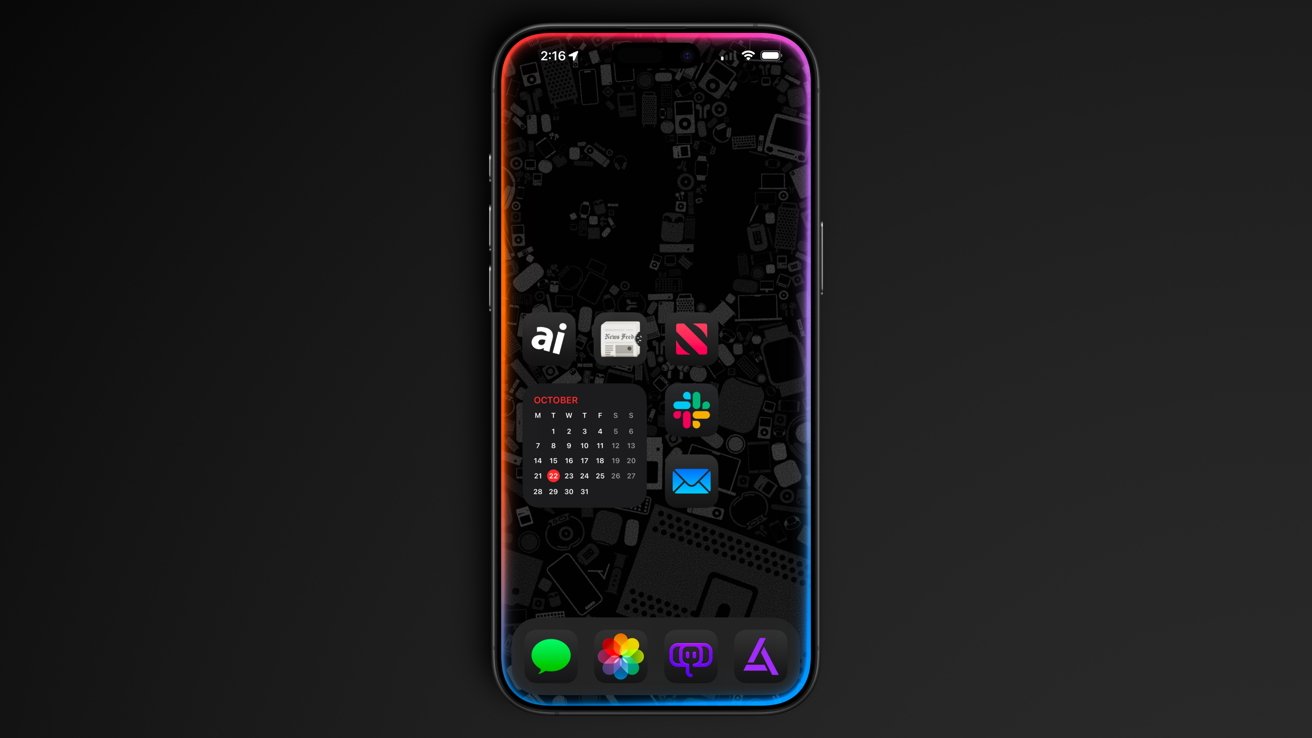
Even with the advent of AI, Siri's relationship with the user hasn't changed
So far, Apple hasn't stepped in with a feature that says "you can create art from nothing" as a primary feature, an "out of the box" use of that tool. Even the AI instruments in Logic and the Xcode tie-ins to AI are meant to be additive.
The virtually useless output of Image Playground makes the entire tool seem more like a toy than a serious interface. Xcode doesn't have generative code tools on its own, but Apple has given users the ability to bring in external models, which can create code from nothing.
If users choose to use Xcode that way — it's an option that is available. However, that pure form of code generation from text prompts isn't an Apple Intelligence tool, and that's a distinction worth making.
Apple doesn't shy away from these features, but it also artificially limits how they function in this manner with prohibitively low usage tokens. Server computing time costs money.
Users can manipulate Apple's AI tools to be wholly generative, but they aren't efficient in that use case and are often subpar compared to competitors in that space. You can make something entirely new, but there are better tools for that specific use case outside of Apple's ecosystem.
Playlist Playground is another example of this approach. You're not generating music, and you're not removing the need for human curation.
It's just a new tool to augment an existing feature set.
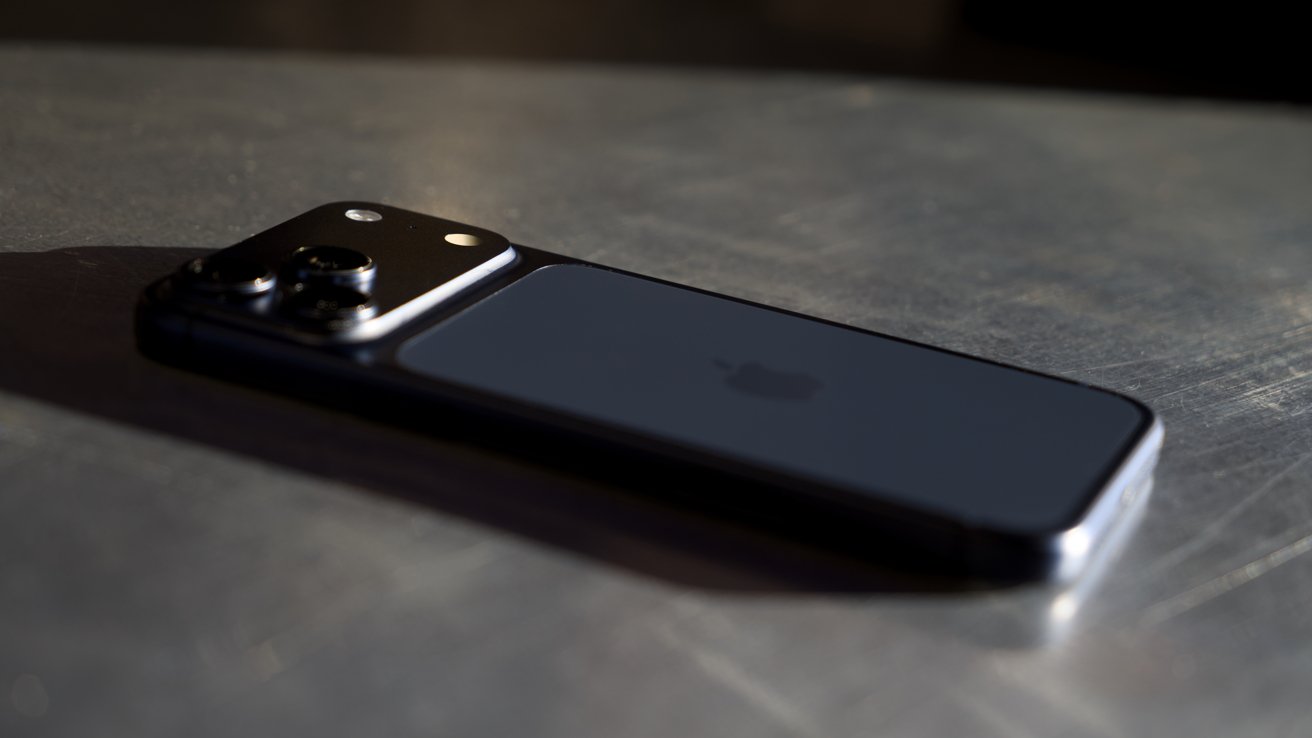
Apple Intelligence is a hardware and software solution that relies on Apple's prowess in chip making
We're sure to see more examples of what Apple thinks AI should look and function like in the coming months. As I've said many times before, I expect Apple's approach to artificial intelligence to be unique and break through all the grifting, noise, and utter lack of profitability surrounding the technology.
Playlist generation is an obvious and straightforward implementation. Users don't even have to realize they're using AI when the tool is at work, especially if it is interacted with via Siri.
There is a solid through-line from Beats Music's machine-learning-based "The Sentence" and this LLM-based Playlist Playground. In another timeline, Apple wouldn't label this feature as AI, but instead would be just another feature.
If users want to go beyond Apple's implementation with AI, they can. Just like with Xcode and Image Playground enabling the use of external models, Apple will give users that choice.
However, that very base level of Apple Intelligence appears to rely on the idea of augmenting humans in an ethical manner. Perhaps it is debatable, but I expect that to appear as a through-line with the next year of AI releases by Apple.
We've heard Apple executives say it before, and examples like those above reinforce the concept. Apple wants AI to be a tool that works in the background and one users don't even realize is in use when something is being done.
That, combined with the privacy, security, and ethical execution of AI from Apple, is sure to be a winning formula in the long run. Whatever the case, users don't really seem to care and Apple keeps breaking financial records without AI.
Timing the Apple Intelligence relaunch
The new Apple Music playlist-generating feature may be a fleeting glimpse into the upcoming Apple Intelligence pipeline, but it affirms that more is coming. While tech fans are bracing for a rumored delay, nothing has been confirmed by Apple yet.

Apple Intelligence will relaunch with more powerful Apple Foundation Models
Previous reports suggested that iOS 26.4 would act as a launching point for Apple's new AI initiatives. However, that was attached to a release window in the spring, while iOS 26.4 appears to be targeting a March release.
Apple's seasonal launch windows are somewhat odd, but "spring" tends to be the end of March or April. That timeframe would line up with iOS 26.5, which could be where Apple's new AI features are finally revealed.
However, Apple also revealed a media event on March 4, which is most likely for iPhone 17e. It could also double as a soft launching point for the new Apple Foundation Models that were trained by Google Gemini.
That speculation, combined with this Apple Music feature that relies on AI, suggests that we're not far from seeing this revamped Siri and Apple Intelligence. Whether it is a late beta addition to iOS 26.4 or a part of iOS 26.5 remains to be seen.
Whatever the case, there is still no external evidence of a larger delay in Apple's AI efforts. Things might be rolling out slower than what some would like, but "coming in 2026" is a rather large window that Apple appears poised to meet.