Apple is working to bring more manufacturing to the United States, including chip fabrication and Mac mini assembly, but it's a slow-moving project.
There is increasing pressure to bring more of Apple's manufacturing and assembly stateside. However, even with $600 billion in investments, what can be done in the US is insignificant compared to the global supply chain.
The Wall Street Journal got special access to various facilities in the United States to examine how Apple is repatriating its supply chain. Executives like COO Sabih Khan joined tours of the TSMC Arizona plant, the Foxconn Houston facility, and others.
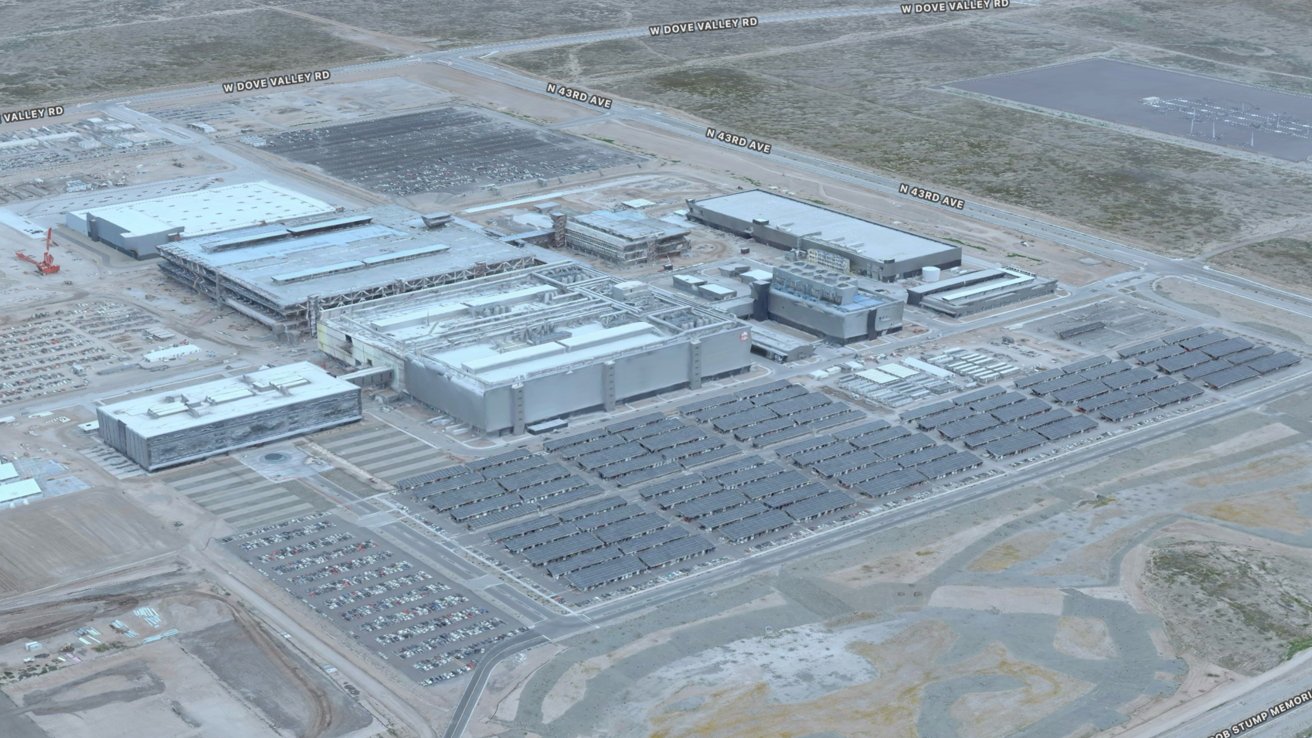
A lot of ground was retread that has been shared before, like the 1,100-acre TSMC facility in Arizona will make four and five nanometer process chips. It will take a decade to build and operate the six fabs necessary to match today's Taiwan output of 100,000 wafers per month.
The $165 billion facility was outdated from the moment it came online. By 2030, it'll be able to make the two-nanometer chips made in Taiwan today, but Taiwan will have made other leaps ahead in that time.
The reporter visited a Foxconn facility in Houston that makes AI servers — about 10 an hour. These are the ones used by Apple for Private Cloud Compute processing.
The same facility is being fitted to assemble the Mac mini as well. While production will be in limited numbers at first, the plan is to make the entire US supply, eventually.
The Mac mini isn't selling at iPhone numbers by any stretch. The report suggests that Apple sells about 1 million Mac minis globally, which is magnitudes smaller than the number of iPhones.
Apple is working to bring more of its business back to the United States after spending multiple decades moving to China. It is impractical, if not impossible, to move any significant percentage to the United States, but supply chain diversity is important.
These efforts and investments have proven to be enough to keep the current US administration off its back. Tariff exceptions and less scrutiny have gone a long way so far, but Apple isn't totally immune from effects on the industry.