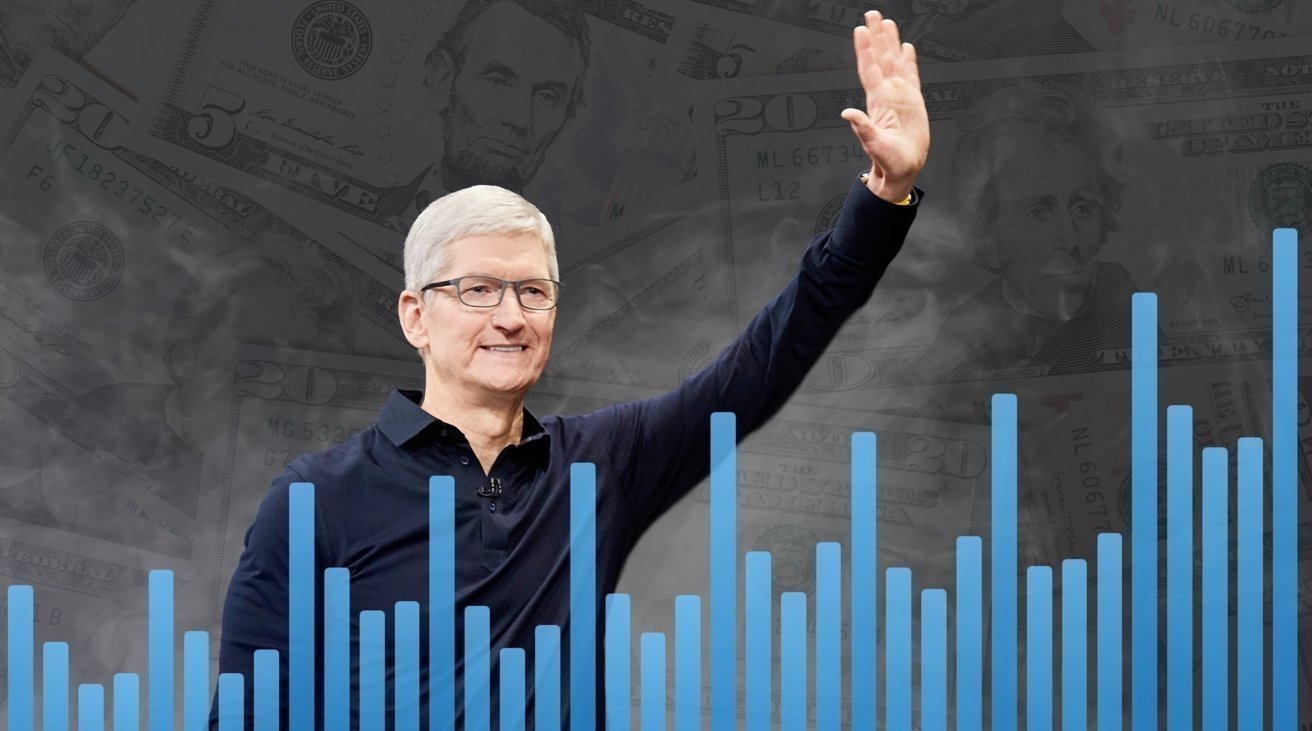
Speaking during Apple's latest earnings call, Tim Cook revealed that in the last quarter, tariffs have hit Apple to the tune of $1.1 billion — and it will be another $1.4 billion in the holiday quarter.
In the last earnings call, Cook predicted that the impact of tariffs would cost Apple much more in this next quarter. Between direct tariff payments and the cost of restructuring its global supply and delivery chains, Apple had spent $800 million.
That had actually been less than the $900 million Cook had previously expected.
But even as he announced that figure, he cautioned investors that the impact would be considerably more in the subsequent September 2025 quarter. That's because the quarter was to include Apple's biggest— selling time of the year, with its iPhone 17 launch.
Cook estimated that tariffs would add $1.1 billion to Apple's costs for just the July through September quarter. That means from the start of the "reciprocal" tariffs, Apple was expecting to have to spend $2 billion.
Now Apple has revealed that its prediction was reasonably accurate. For this latest quarter, the final tariff cost was said to be approximately $1.1 billion.
However, CFO Kevan Parekh said that this will rise for the next quarter. "As we move ahead into the December quarter," he said, "[we expect] an estimated impact of $1.4 billion tariffs and tariffs related costs."
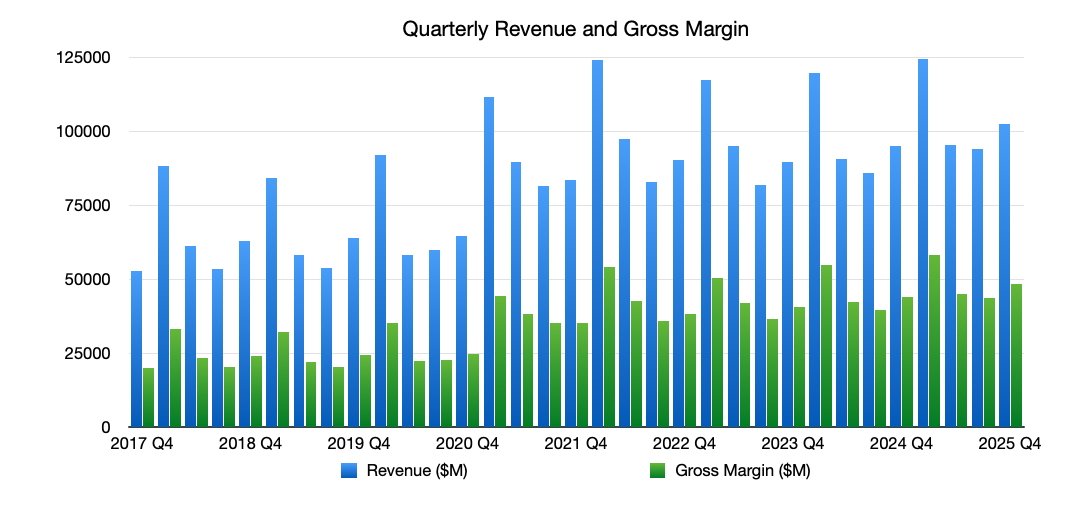
Apple had a very strong quarter despite tariffs
During questions from analysts, Tim Cook explained that the rise was "not linear to volume." He meant that the tariff cost was not rising proportionally to the increased iPhone sales the company is expecting.
"[It] goes from $1.1 to a projection of $1.4, and the 1.4 is based on sort of what we know right now and where the tariff rates and policies and so forth are," said Cook. "[It] assumes a stable kind of environment for the quarter."
"It does comprehend the change that was just made — which we're very encouraged to see — with the tariffs moving from 20% to 10% in China," he continued. "That is factored in [to the projection]."
This means from the start of tariffs in April 2025, Apple believes it will have had to spend a total of $3.3 billion. It hasn't reported how much of that is in direct tariff payments and how much is down to the company's restructuring.
What's happened so far
Regardless of what Trump or the White House says, tariffs are not paid by foreign countries. They are entirely paid for by the US businesses who import goods from overseas, and consequently tariffs increase prices for American consumers.
Consequently, back in February 2025, even before the details of the "reciprocal" tariffs were announced, there was an expectation that Apple would be hit hard. The Bank of America estimated that Apple might even have to raise iPhone prices by 10%.
It's not clear precisely when Apple began taking steps to minimize its exposure to tariffs. However, it is known that when the "reciprocal" tariffs were announced, they were vastly higher than expected — and were far more wide-ranging than imagined.
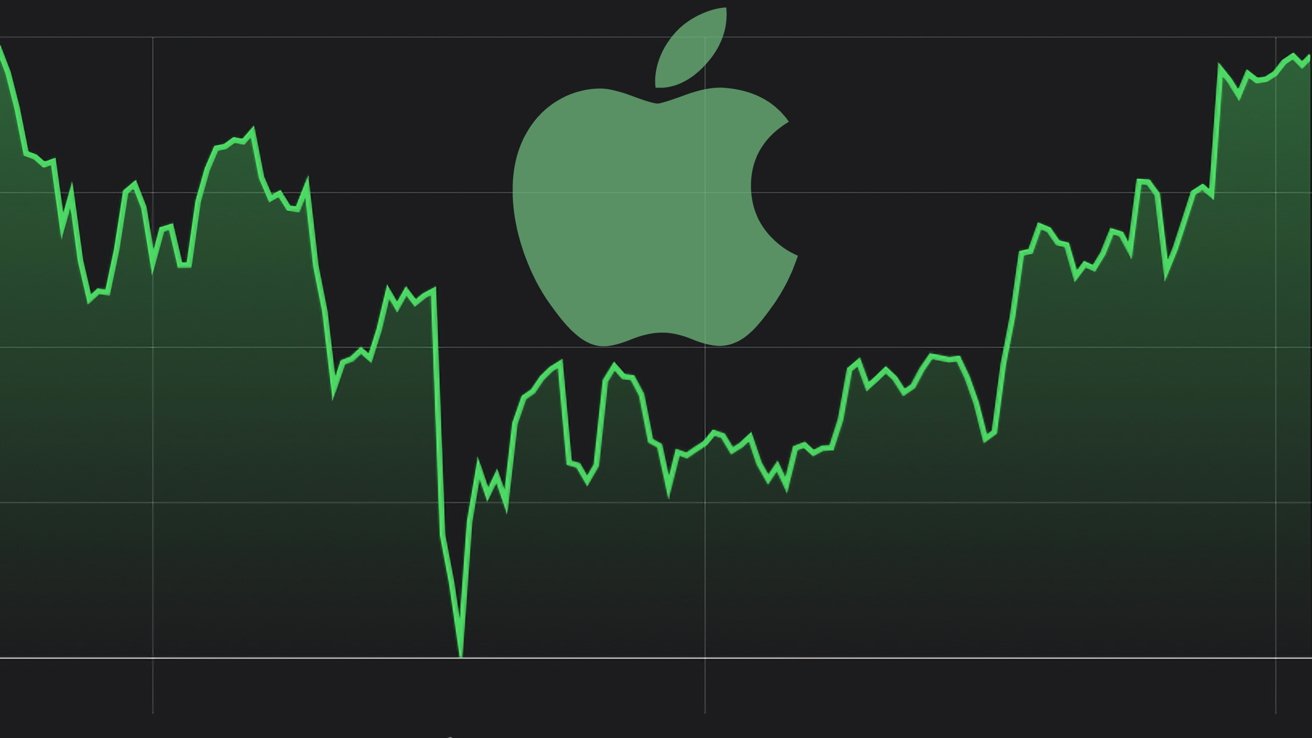
Apple's stock has had a wild year
Every single country and every single supplier Apple has any dealings with was hit by a tariff.
China, for instance, had a 50% tariff levied against it. In other words, any American business buying just about anything from China had to pay the US government 50% of its value. Inevitably, China and many countries simply imposed their own tariffs in order to cut imports from the States.
Trump responded by threatening to raise this China tariff to 104%.
Unsurprisingly, Apple's share price — and the stock price of at least most American businesses — crash-dived on the original tariff announcement. But it was this stepping up against China, plus the increases on a whim, and the baseless economics behind the "reciprocal" tariffs, that caused the most damage.
Trump would regularly threaten to raise this or that tariff, then not do it. He did raise the 104% China one, but otherwise he more often caved in and claimed to be temporarily delaying the rises.
So the stock market struggled to predict what would happen, and it took most of the year before even Apple's share price rebounded. Even during his June quarter earnings report, Cook said that his estimates had to assume that "no new tariffs are added."
Constant uncertainty
It was, and for the most part remains, impossible to know when tariffs will come. Apple was granted an exemption on tariffs, although Trump later denied he had done this.
Seemingly as a direct result of being challenged on whether or not he was allowing Apple an exemption, Trump and the White House back-dated a national security probe. As announced, the White House would examine security threats concerning semiconductors, and should it find any, would impose tariffs.
It was never clear how those tariffs were supposed to combat national security issues. But it was instantly clear that the probe was spurious: commerce secretary Howard Lutnick immediately prejudiced the investigation.
He said in April that there would be a tariff on semiconductors. Speaking in April, he said tariffs were coming in a month or two. At the same time, Trump said they would come in the following week.
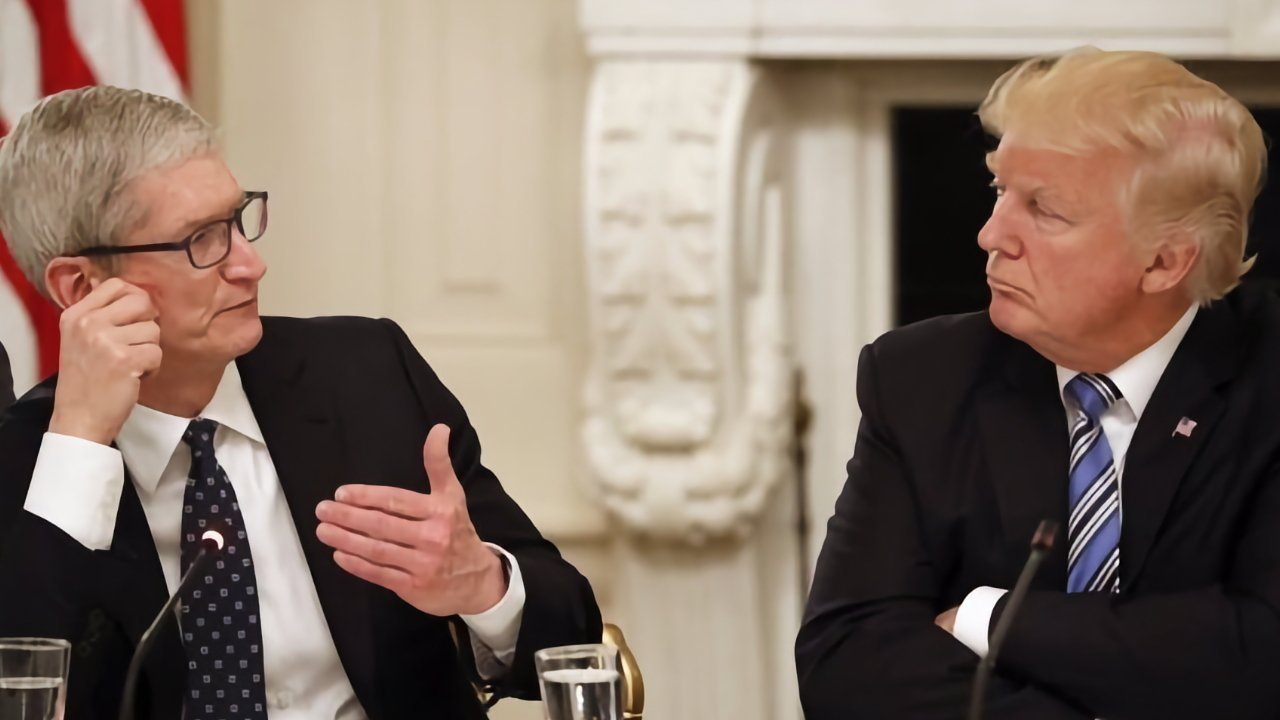
Apple has received a tariff exemption, thanks to its $100B U.S. investment.
Right up to the time of writing, Trump continues to say that the semiconductor tariff is coming very shortly. It appears that they will be steep, but that Apple is probably safe.
Only, while the stock market seems to have adjusted to the uncertainty, there is simply no telling what will happen next, or when. In July 2025, for instance, Trump imposed an iPhone tariff which reports say was specifically intended to punish Tim Cook.
All Cook had done was miss one Trump event. But then all Cook had to do to get back in Trump's good graces was to give him a gold plaque commemorating Apple's continued investment in the US which did not increase more than expected since Trump took office.
Apple is not safe from further tariffs, and no American business is. But away from the crazy uncertainty of it all, there is one absolute fact.
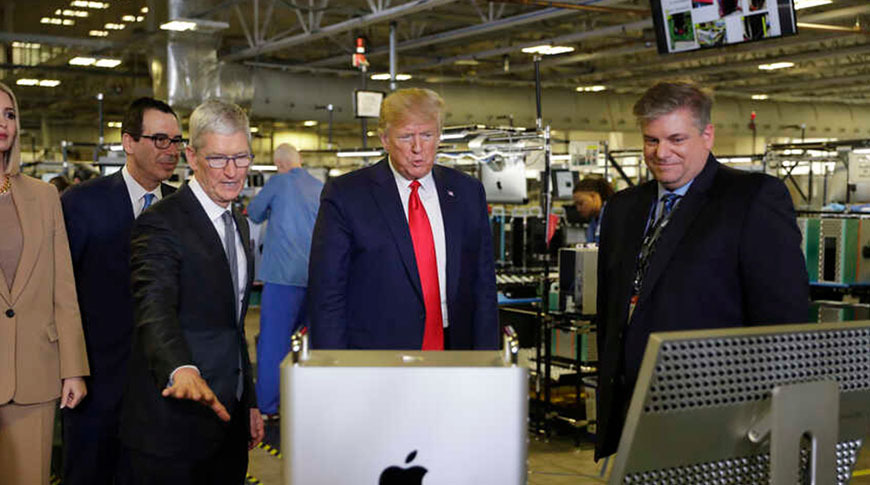
Tim Cook could show Trump a Mac Pro manufacturing line, but the iPhone is not coming back to the US — image credit: Apple
It's that because of these wildly varying tariffs, Apple is having to spend a great deal more to simply import its devices from China or India.
That's still far, far cheaper than moving the entire iPhone manufacturing process to the US.
What happens next
There is still the looming threat of a tariff on semiconductors. Apple has been granted an exemption, but Trump has changed his mind on a whim before.
He's also repeatedly said over the last several months that the semiconductor tariff will be introduced very soon. There is still no actual launch date, though, despite Trump saying that he did discuss semiconductors in his trade negotiations with China.