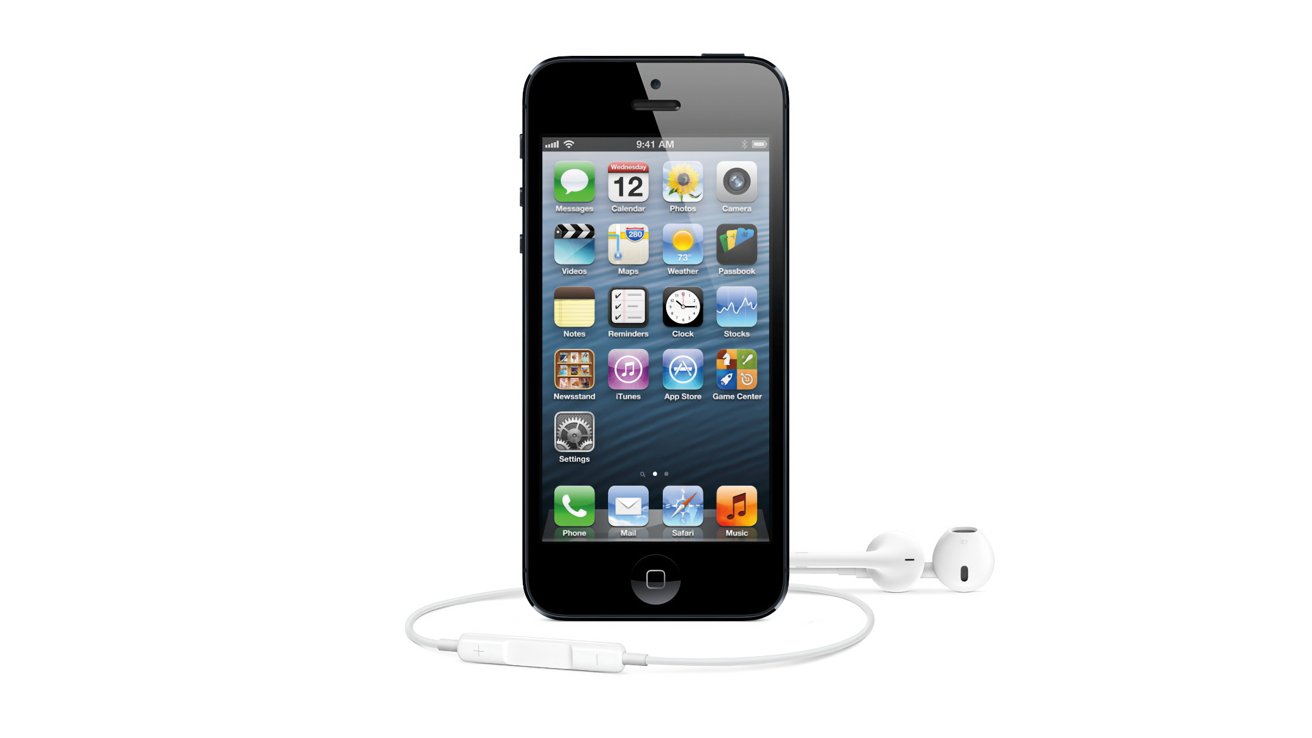
Repairs are now off the table for the iPhone 5, closing out support for one of Apple's most important early designs.
The company updated its vintage and obsolete products list on March 16, moving the iPhone 5 and 8GB iPhone 4 out of vintage status. The iPhone 5 holds more weight due to its role as the first iPhone with a Lightning port.
Apple will no longer provide hardware service or supply parts for the iPhone 5 through its retail stores or authorized repair network. Effectively, it ends the device's usable lifespan within Apple's ecosystem for most users.
What obsolete status means for iPhone 5 owners
Apple classifies a product as vintage after five years of being out of production, and obsolete after seven years. The iPhone 5, launched in September 2012 and discontinued in 2013, has now surpassed this timeframe.
Devices in the vintage category can still receive limited repairs if the necessary parts are available. However, once a product becomes obsolete, Apple typically discontinues all hardware service and ceases to distribute repair components altogether.
If an iPhone 5 malfunctions, Apple won't provide repairs, and authorized service providers likely won't have access to official parts either.
The iPhone 5 was more than just a regular upgrade. It introduced the Lightning port, replacing Apple's long-standing 30-pin connector and setting the standard for iPhone accessories for over a decade.
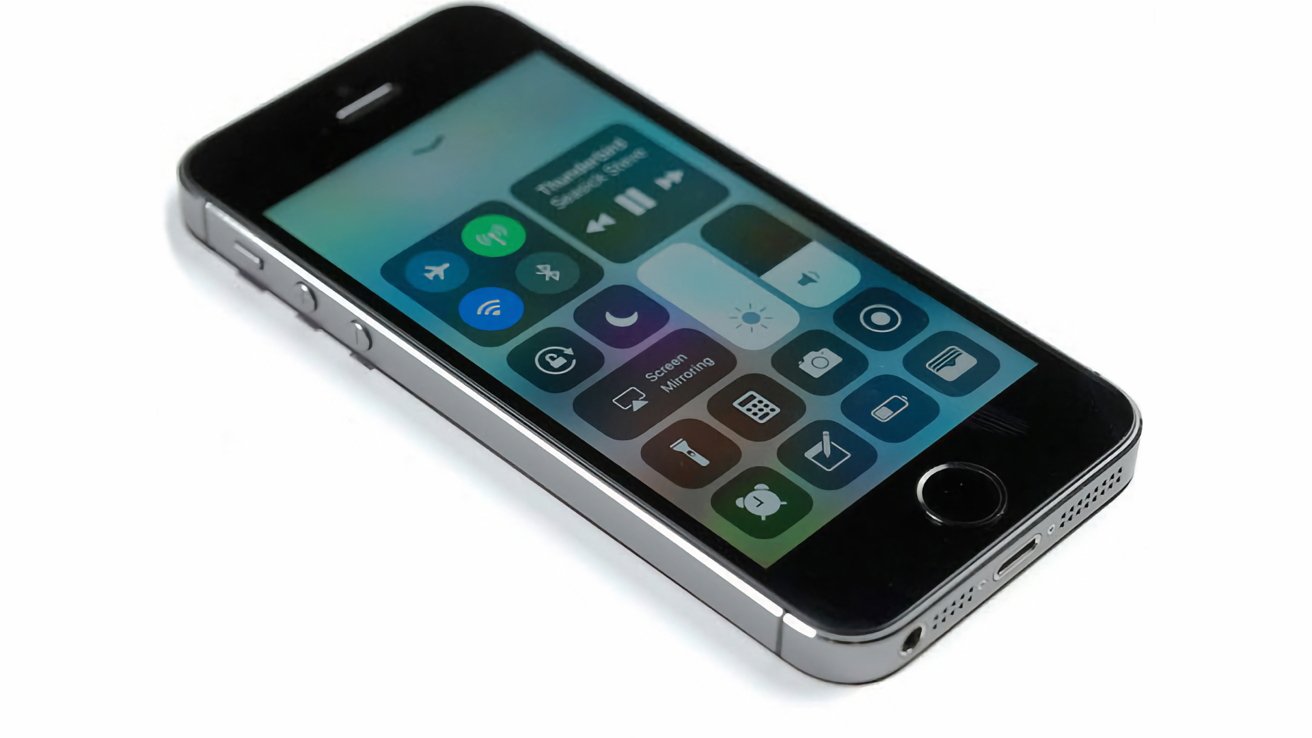
iPhone 5s, the successor to the iPhone 5
Apple redesigned the hardware with a thinner aluminum-and-glass chassis and a taller 4-inch display, replacing the earlier 3.5-inch screens. LTE support was also introduced, offering faster cellular data to a wider range of users during rapid network expansion.
Why the timing makes sense
The Lightning port stayed around until Apple switched to USB-C a few years later. The iPhone 5's design really set the tone for many of the models that came after it.
Apple's decision to move the iPhone 5 to obsolete status aligns with its typical product lifecycle, even if timelines are extended. The device has outdated hardware that doesn't meet modern software and service expectations.
Maintaining parts and repair infrastructure for hardware that can't run current iOS versions gets expensive and offers little real benefit to users. The remaining user base is small and still shrinking, which makes the effort harder to justify.
Apple's vintage and obsolete classifications indicate how long hardware is expected to be supported. Most iPhones receive software updates for five to six years, followed by limited hardware support before reaching end-of-life.