

Apple's push toward a true all-screen iPhone is coming into focus again, with a new leak outlining a timed shift away from the Dynamic Island toward hidden sensors.
Chinese leaker Digital Chat Station claims Apple plans to shrink and relocate its front-facing sensors under the display over time. The shift would move from the current Dynamic Island to a smaller cutout, then to a single punch hole with Face ID hidden beneath the screen.
The roadmap is unconfirmed, but it lines up with years of supply chain reports and analyst expectations. Apple has been steadily working to remove visible display cutouts without sacrificing Face ID performance.
Other recent reports suggest technical hurdles could keep the current design in place for now.
Apple typically rolls out major hardware changes in stages, reducing risk while refining the technology. If the plan holds, future iPhones will look cleaner while keeping the same core security features.
A step-by-step path beyond the Dynamic Island
Apple introduced the Dynamic Island with the iPhone 14 Pro as a workaround that blended hardware limitations with software design. It masked the sensor cutout with animations and live activities, turning it into a defining feature of modern iPhone design.
The March 26 post is new, but the underlying idea has circulated for years across supply chain reports and analyst notes. Apple moving Face ID under the display while shrinking or removing the Dynamic Island has long been expected.
Apple would first move Face ID components under the display, shrinking the visible cutout and leaving a smaller area for the front-facing camera. That approach would create a reduced island embedded in the screen.
The final stage would hide Face ID completely and leave only a single hole punch camera. A smaller sensor footprint would bring the iPhone closer to uninterrupted displays already common on high-end Android phones.
Moving Face ID under the display creates real technical challenges. The system relies on infrared projection, dot mapping, and precise alignment, all of which degrade when placed beneath OLED layers.
A concept device hints at more radical design changes
Android makers have already tried under-display cameras, but image quality often drops and sensor reliability can suffer due to limited light transmission.
A partially hidden Face ID system would risk weakening one of Apple's core security features. Apple has consistently positioned Face ID as more secure than fingerprint-based alternatives, so any drop in reliability would undermine that position.
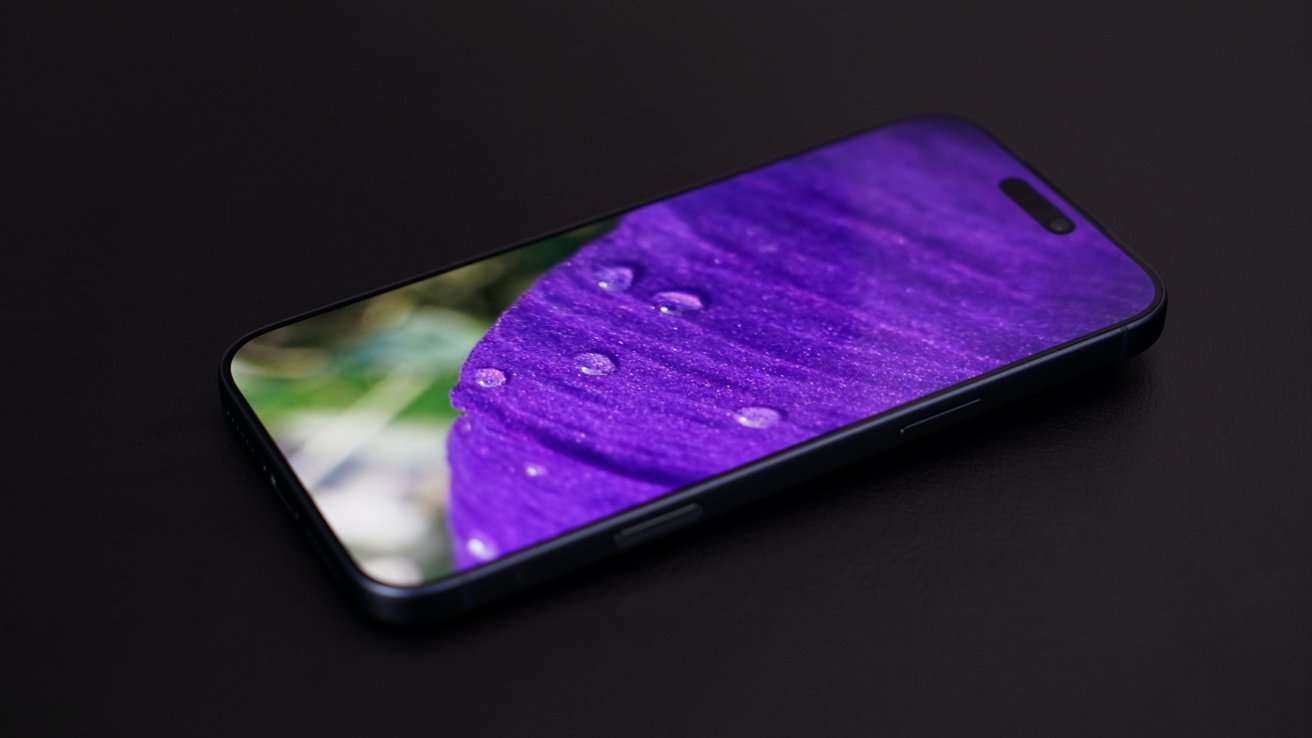
The Dynamic Island works well, but it remains a visible compromise
The leak also mentions a concept or commemorative prototype with an under-display camera and a four-curved display design. The detail suggests Apple is exploring more aggressive hardware ideas internally.
Apple often builds exploratory prototypes years before release to evaluate manufacturing limits, durability, and user experience.
A four-curved display would mark a clear shift away from the flat-edged design introduced with the iPhone 12. It would also introduce challenges around durability, accidental touches, and case compatibility, areas where Apple tends to move cautiously.
What it means for future iPhones
Digital Chat Station has a mixed track record, but the account has accurately shared details about Apple hardware and display changes ahead of release.
The Dynamic Island works well, but it remains a visible compromise. Apple's broader design direction has focused on reducing visible seams and interruptions, from thinner bezels to tighter hardware integration.
If the roadmap holds, the transition will span several generations rather than arriving all at once. Apple stages major hardware shifts in phases, minimizing risk and giving developers time to adapt.
By the time the Dynamic Island disappears, the change will read as a gradual evolution rather than a sudden shift. Until under-display systems match current performance, the Dynamic Island will remain a compromise Apple is willing to accept.