Apple purchased a 20% stake in Globalstar, so it has been thrown in the middle of the negotiations for Amazon to purchase the company. It powers SOS via Satellite on iPhone and Apple Watch.
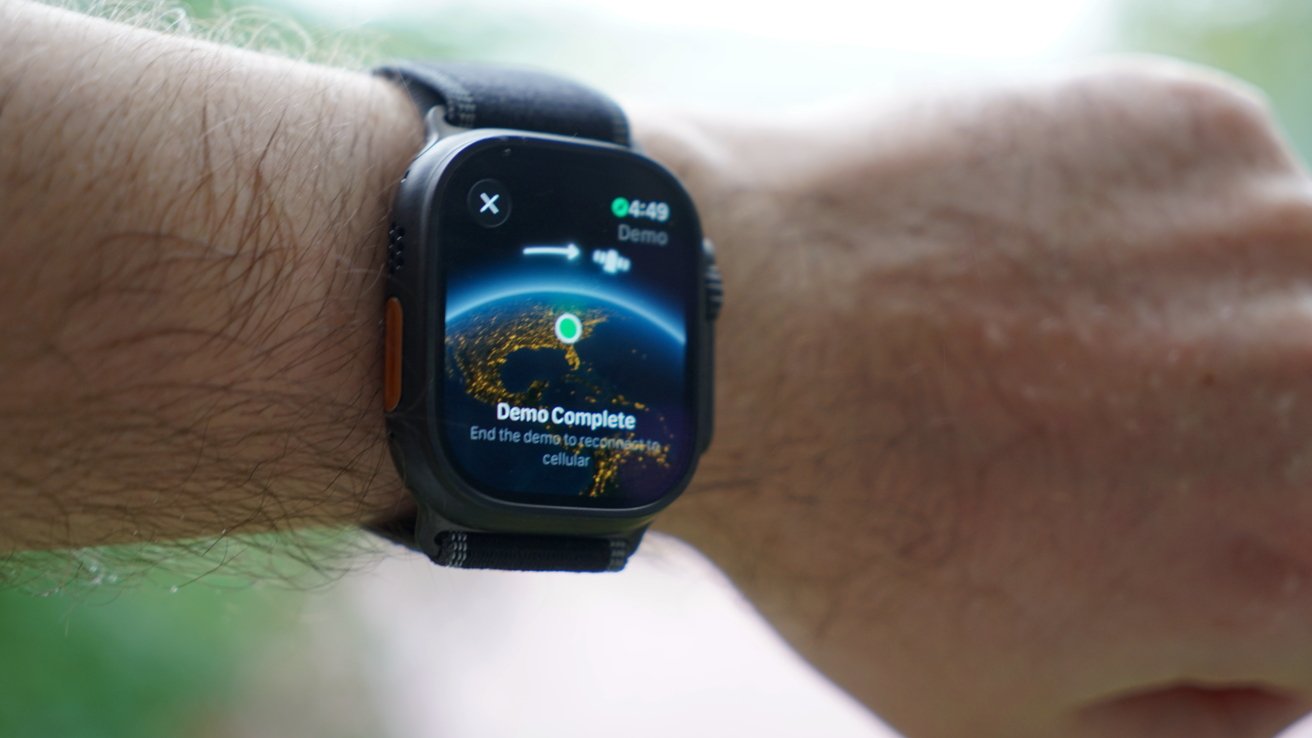
It seems that Amazon could end up owning the infrastructure behind Emergency SOS via Satellite. The critical feature launched with iPhone 14 and has even become available with Apple Watch Ultra 3, but it relies on satellites operated by Globalstar.
According to a Financial Times report covered by 9to5Mac, Amazon is in talks to acquire Globalstar. Apple purchased a 20% stake in the company in 2024, which means it has been included in these acquisition talks.
It's odd that Amazon is in talks to acquire the satellite company in the first place. If the company is up for sale, it would seem that Apple would jump at the opportunity to own it.
However, Apple would also be assuming the responsibilities, employees, and technology of a satellite company. It's likely not a business Apple wants to operate — much like how Apple won't become a cell service provider.
Apple also invested $1.1 billion in Globalstar's infrastructure. It seems unlikely that Apple would want a deal to go through that doesn't honor previous commitments.
One of those commitments has allowed SOS via Satellite to remain essentially free to new iPhone buyers since its inception. There has still been no information shared about requiring some kind of service fee for emergency contact.
Apple's website still says that you only get two years after the activation of an iPhone or Apple Watch to access SOS via Satellite for free. There haven't been any details shared about what would occur if you needed the service after that two-year period, how much it would cost, or if you'd have to pay while lost in the wilderness.
Amazon's purchase of the company could include further investment in the satellite infrastructure. Apple already uses Amazon servers for storage, so it isn't as if working with Amazon is off the table.
In the end, the deal could be beneficial to Apple users — as long as Apple still gets access to the Globalstar network.