
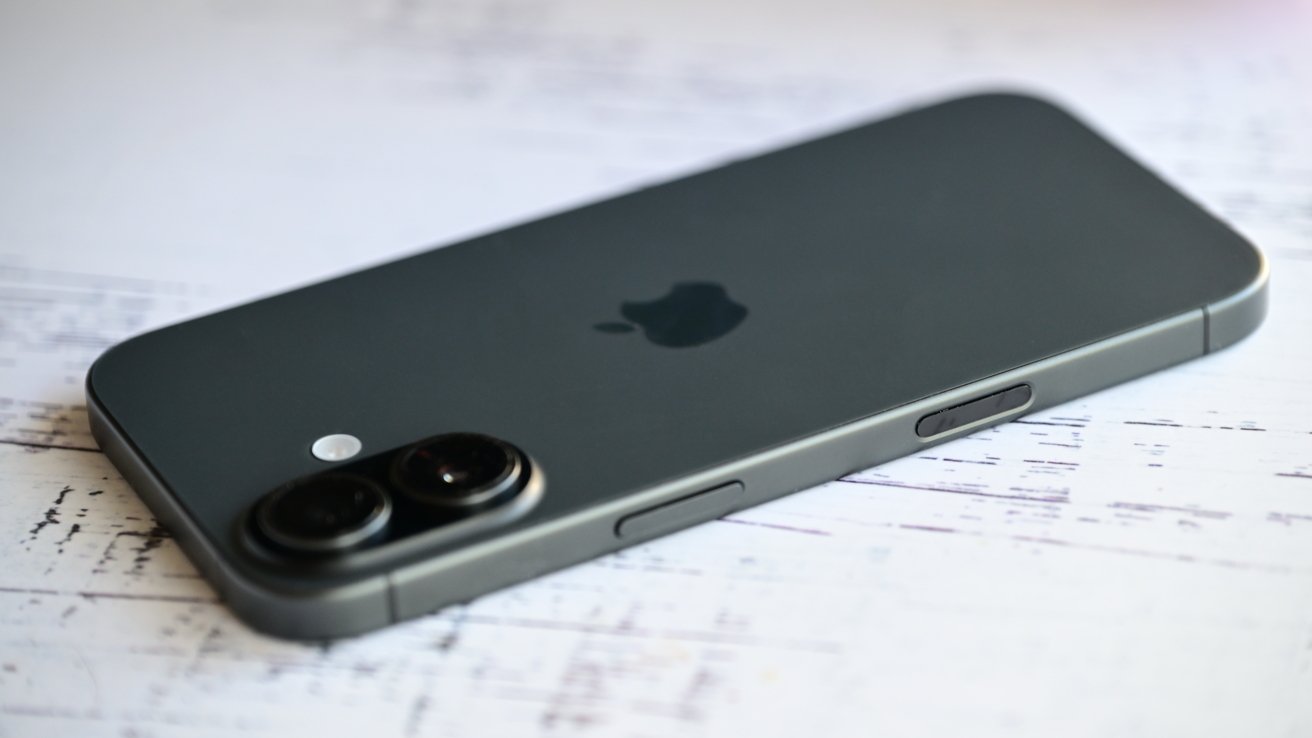
An analysis of Apple's financials by JP Morgan suggests that Apple is heading into its earnings report with iPhone supply and demand imbalances largely settled, leaving margins and cost pressure as the issues that will decide the rest.
In an earnings preview seen by AppleInsider, JPMorgan says investors already have a clear read on iPhone performance in the current cycle. Focus is now turning to profitability as rising component costs begin to weigh more heavily on results.
JPMorgan expects revenue of about $112.7 billion for the March quarter, ahead of consensus, with iPhone 17 sales driving most of the upside. Mac sales are also expected to contribute, supported by recent product updates and steady upgrade demand.
Performance in China helps explain the strength behind those numbers. Apple saw iPhone sales rise 20% year over year in the first quarter of 2026, beating domestic rivals including Huawei and Xiaomi.
Strong demand for the iPhone 17 lineup, along with promotions and government subsidies, helped drive the increase. Competitive pressure remains in the region, but the current cycle shows Apple regaining momentum in one of its most important markets.
Margins take center stage as costs rise
With demand better understood, investor attention is shifting toward margins. Memory pricing has become the main pressure point, as rising NAND and DRAM costs push component expenses higher and take up a larger share of the iPhone bill of materials.
Apple is expected to rely on its scale, supply agreements, and inventory strategy to manage those costs. Cost reductions in other components and ongoing vertical integration should offset part of the increase.
JPMorgan expects those factors to keep gross margins near the midpoint of Apple's guidance, even as the cost environment tightens. A stable margin profile would likely do more to reassure investors than another upside revenue print.
Pricing, guidance, and leadership in focus
Pricing is part of that balance, with JPMorgan expecting Apple to raise iPhone prices modestly in the mid-single-digit range, or about $50 on average. The move is intended to protect margins without slowing demand, especially in markets where pricing sensitivity remains high.
Guidance for the June quarter is expected to point to continued growth. Revenue is projected to rise about 10% to 12% year over year, while gross margins step down slightly in line with typical seasonal patterns.
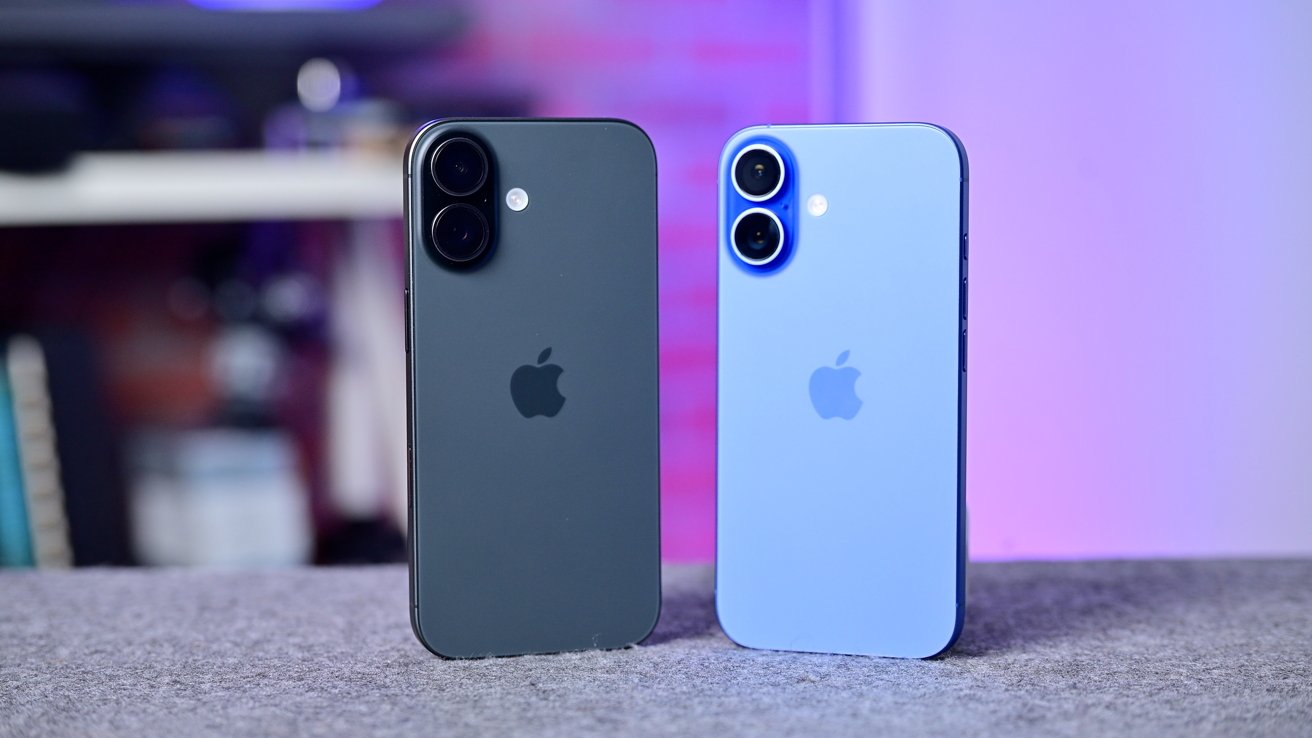
iPhone 17 and iPhone 16
A leadership transition adds another factor to watch. John Ternus is set to take over as CEO later in 2026, and the earnings call will likely address how the change could affect strategy.
Expectations point to continuity rather than a shift in direction, but the transition will place execution under closer scrutiny.
Demand is no longer the main question heading into the report. Margins and leadership will play a larger role in how investors interpret the results, even if the quarter itself comes in strong.
Apple will report its March-quarter results on April 30, 2026, followed by its quarterly earnings call later that day. The call will cover fiscal second-quarter performance and include commentary from executives along with analyst questions.