In this week's "Sunday Reboot," a changing of the guard, the DOJ becomes a tattling schoolchild, and the expensive Apple Vision Pro saves Disney money.
Sunday Reboot is a weekly column covering some of the lighter stories within the Apple reality distortion field from the past seven days. All to get the next week underway with a good first step.
This week, Apple Music users aren't listening to AI-generated music that's now flooding the service, Apple won't benefit from the tariff refunds for months, and the company faces a $38 billion fine in India as part of an App Store antitrust investigation.
Apple CEO changes, and the mountain of speculation
It will have been extremely difficult, nigh impossible, for anyone in the tech world to have missed Monday's announcement. After months of speculation about succession planning, Apple confirmed there will be a change at the top in 2026.
On September 1, Tim Cook will step down as CEO, with hardware chief John Ternus taking the reins. Cook will still be around as executive chairman, but Ternus will be running the show.
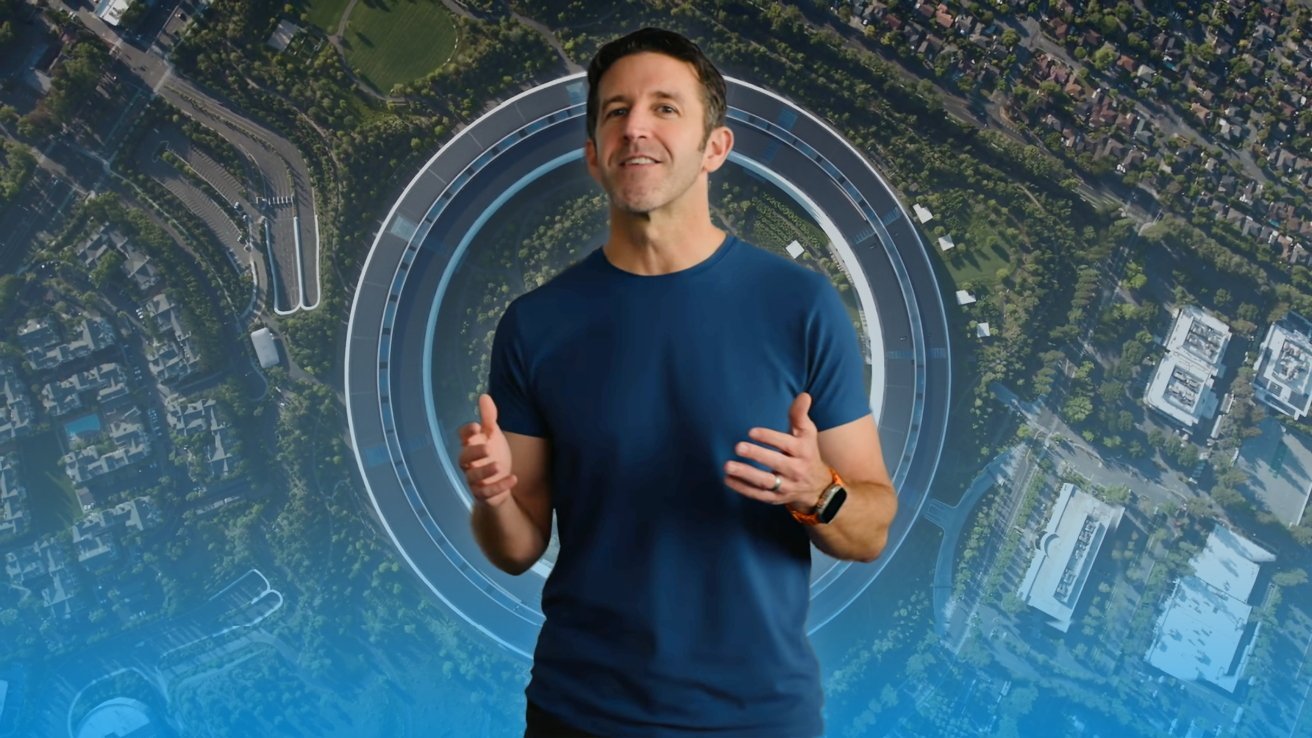
John Ternus, CEO in waiting.
The timing of the announcement was spectacularly bad for me, as I had just finished my shift here and was hauling a rusted refrigerator through my garden. Cue the iPhone pings, running back to the computer for an urgent edit, followed by cleaning up all of the mud I brought into the house.
As inevitable as the rumor mill expected Ternus to be the new CEO, the deluge of reporting began about what it will mean for Apple. Speculation began about how Ternus will be more decisive than Tim Cook, according to one analyst from the many we hear from each week.
We are also guilty of adding to the mass of news. As a publication all about Apple, it's in our remit to do so.
This week has been a mass of coverage, reminiscing about how Cook led the company and forecasting big things for Ternus when his time comes. The coverage will be continuing in a slightly lesser fashion in the months ahead, before reaching fever pitch again in September.
In that time, there will be reports on everything anyone can find about Ternus and his life. Everything from his favorite t-shirt brand to how many bristles there on his toothbrush will be unearthed and overanalyzed, all to work out precisely how Apple will function under the new era.
Here's hoping that we all don't get Ternus fatigue before he actually becomes CEO.
DOJ rebukes Apple's Samsung evidence request
Sunday Reboot is meant to be a safe haven from bad and heavy news. That usually includes Apple-related lawsuits, but one oddity surfaced on Tuesday.
As part of the U.S. Department of Justice's antitrust lawsuit alleging Apple stifled competition from 2024, Apple decided that it wanted documents from Samsung to present as evidence.
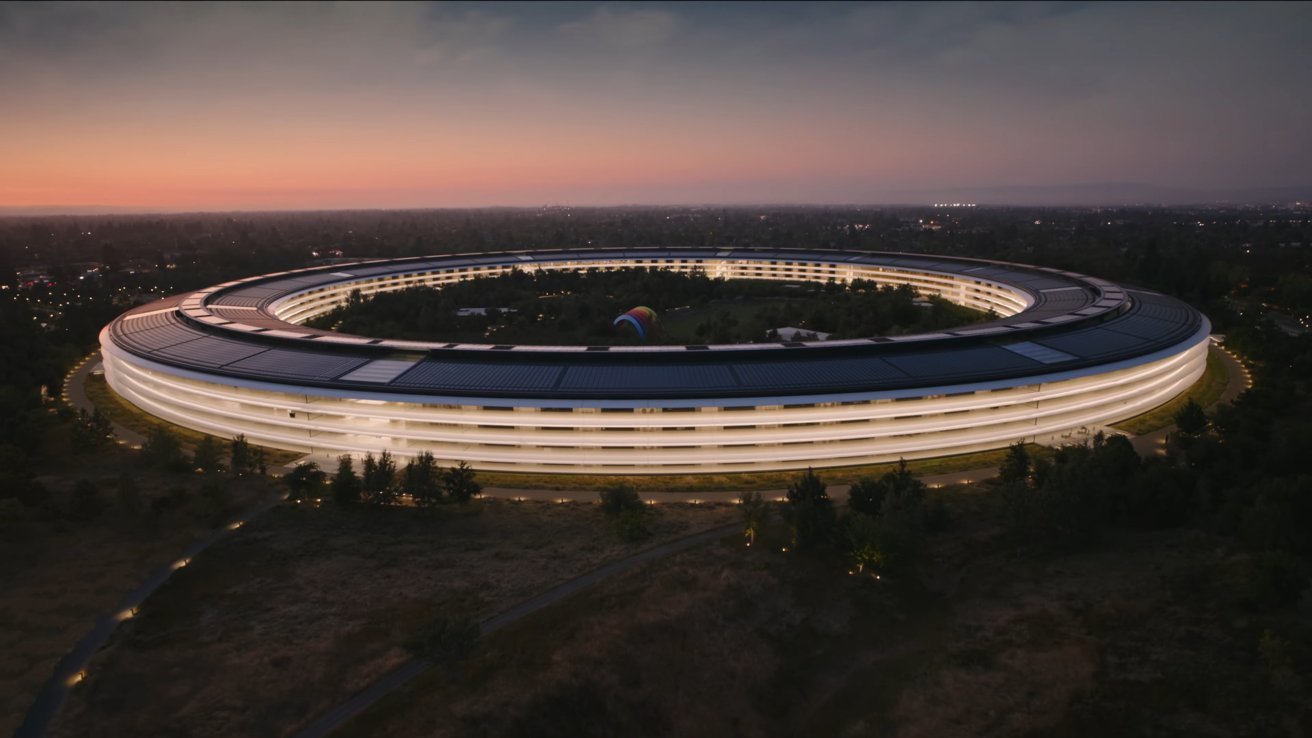
Apple Park at night
However, while it couldn't get the evidence it needed from Samsung Electronics in the U.S., it used the Hague Evidence Convention to demand the documents from Samsung in Korea.
This all sounds fairly normal for an Apple-related lawsuit, and not exactly feel-good material at first glance. However, the filing from the DOJ about the demand is an unusual one.
You would usually expect that a filing would be to try and stop something from happening, but the DOJ doesn't do that. Instead, the DOJ told the court that Apple's move was very late in the process, and that Apple probably wouldn't get the evidence it requires through the process before the discovery period ends in nine months' time.
The five-page document serves little purpose other than to point out to the court that Apple's probably going to fail, and that it should bear the risk of some of its evidence failing to come through in time.
In effect, the DOJ used its immeasurable government resources to say "Apple did too little, too late." The same energy as a tattling preschooler, but with a ton of legalese.
I look forward to the follow-up in nine months time, when the DOJ takes 18 pages to declare "I told you so."
Apple Vision Pro helps Star Wars save money
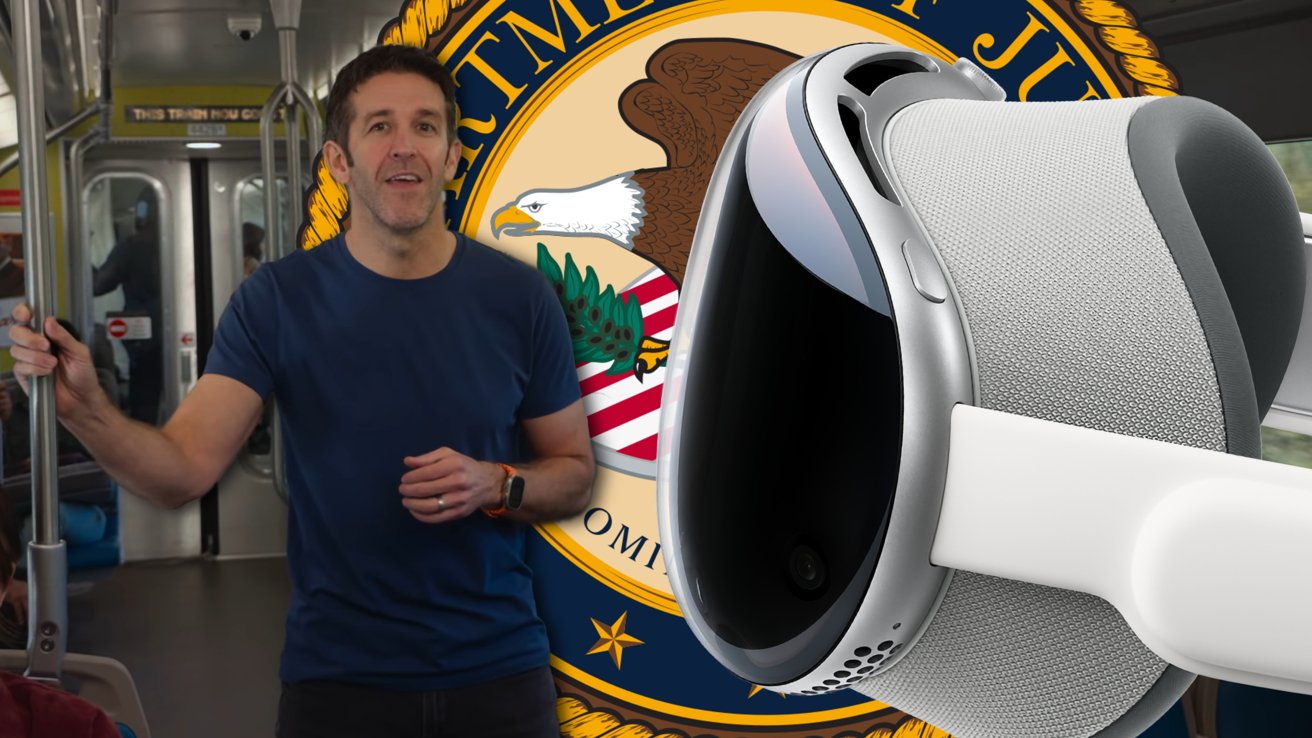
The Apple Vision Pro is not something that you would associate with saving money. It's a $3,499 headset that makes consumers think twice about getting one.
That hasn't stopped enterprise from using it. We know about its use in medical fields, including in surgeries, but now there's a story that has more meaning to consumers.
Or, at least, to people who love Star Wars.
On Tuesday, Director Jon Favreau explained that a specialized app was used with the Apple Vision Pro, so he could watch shots in a virtual IMAX theater.
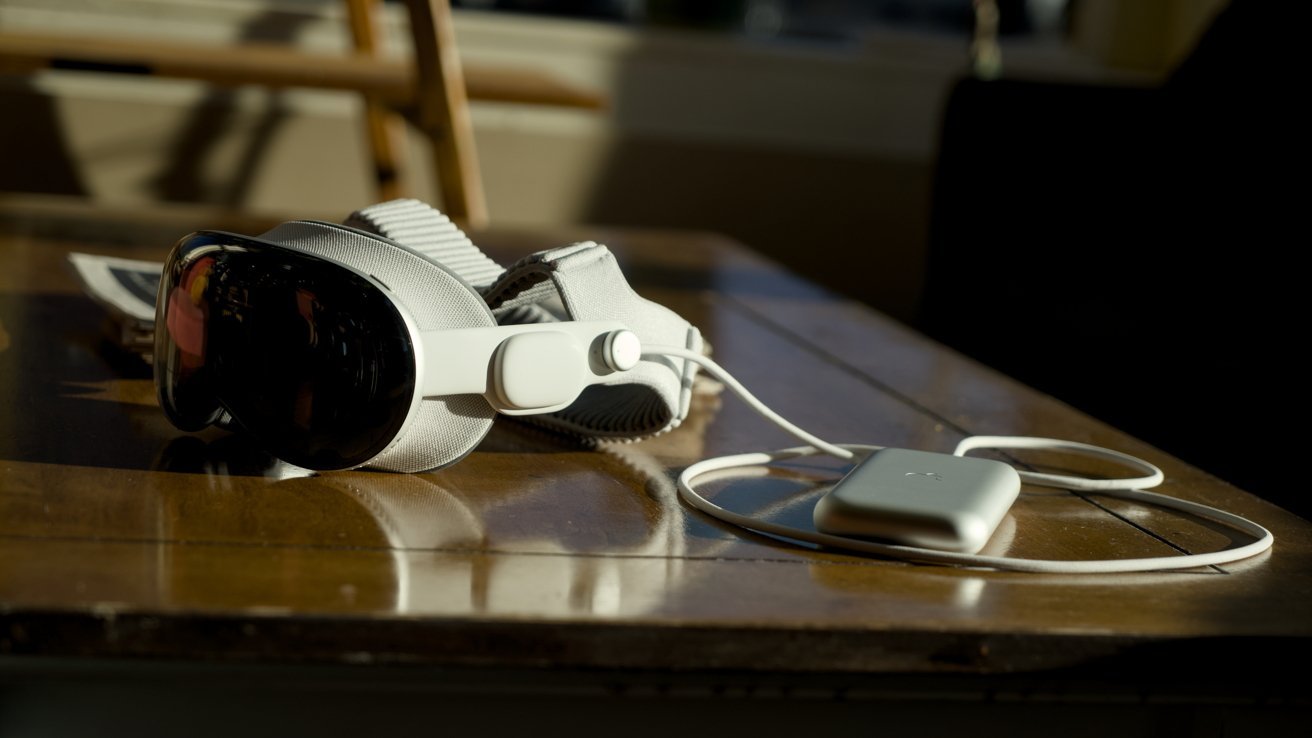
The Apple Vision Pro is a film-making device now.
To Favreau, you could make an IMAX movie by checking out how shots are framed on a TV. But it's nowhere near the same experience as watching it on a massive screen like IMAX.
In this way, it allowed the director to see how a shot would look while in the theater very quickly. Instead of shooting, then checking, and then spending money on a reshoot, he could check the shot on-set.
$3,499 may be expensive for the average consumer, but it's a drop in the ocean compared to the expense of a reshoot.
It's all in the service of making the best experience for consumers who will ultimately pay to watch the movie.
At least, the main part of the experience when you watch the film. The Apple Vision Pro can't yet recreate people on their phone or anyone throwing popcorn at your head.
Last week's Sunday Reboot covered a swathe of arty App Store ads in Japan, AI bootcamps to improve Siri, and a good Apple retirement story.