Ultra branding it already uses looks like Apple's next marketing angle as new categories like an iPhone Fold push past what Pro can cover.
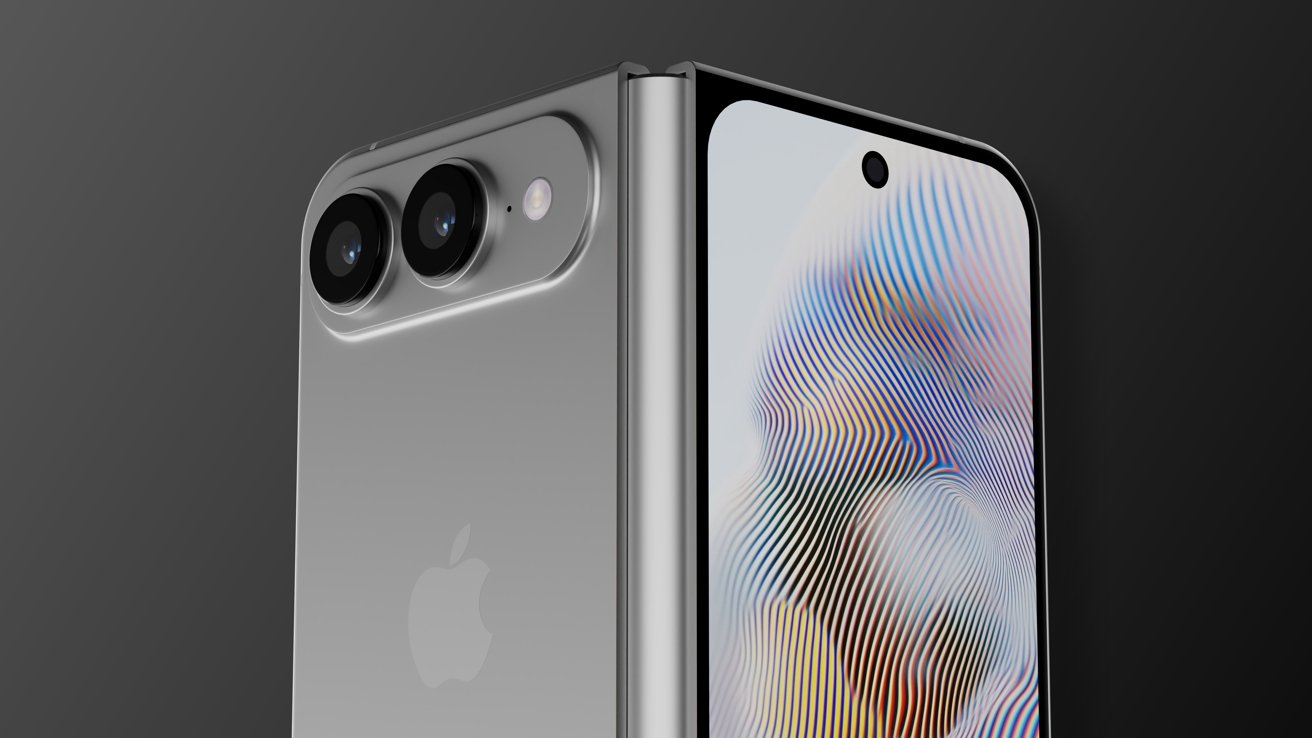
The company is preparing to expand its Ultra branding beyond watches and Apple Silicon into a new top tier for its most expensive hardware, according to a report published April 27. The plan includes a foldable iPhone and a high-end MacBook positioned above the Pro lineup.
Apple plans to launch products aligned with the upcoming iPhone and Mac cycles through 2027. The naming is obvious as it follows Apple's established pattern, using "Ultra" for its most expensive devices.
Citing a source familiar with Apple's plans, Macworld says the company is developing a foldable iPhone under the iPhone Ultra name and a touchscreen OLED MacBook with the same branding. Apple plans to position both products outside its core lineup, enabling new hardware categories without disrupting the rest of its portfolio.
Apple needs a tier above Pro
Apple has stretched the Pro label across iPhone, iPad, and Mac for years, using it to cover routine upgrades and major hardware changes. Pro works best when products share similar designs and expectations.
Foldables and touchscreen Macs introduce new designs and new tradeoffs that don't fit that model. A foldable iPhone operates differently from a slab-style device and would blur the meaning of Pro.
Ultra provides Apple a clear place for its products. The company can introduce new form factors at higher prices without redefining Pro, maintaining a stable and understandable main lineup.
Apple introduced this approach with the Apple Watch Ultra, which stands apart from standard models with a distinct identity.
The reported roadmap centers on hardware that introduces new categories for Apple and carries uncertain demand, including foldable displays and OLED touchscreen Macs. Each category introduces manufacturing challenges and uncertain demand, which makes them difficult to position inside the core lineup.

The Apple Watch Ultra launched the "Ultra" branding for products
Ultra branding gives Apple room to introduce new categories without tying that risk to its most widely sold products. A foldable iPhone can ship in limited quantities at a higher price, and the standard iPhone lineup continues unchanged.
The structure protects Apple's mainstream business and lets the company refine new hardware over time without pressure to scale immediately. It also creates pricing headroom, since Ultra devices can move into higher price tiers without forcing increases across the Pro lineup.
A strategy built around revenue per user
Apple's hardware strategy has shifted toward increasing revenue per user as global smartphone growth slows. The company has leaned into segmentation and higher-end configurations to drive average selling prices rather than relying on unit expansion.
An Ultra tier fits directly into that model by offering a premium path for customers willing to pay for new form factors. The reported positioning of iPhone Ultra above the Pro models reflects that goal.

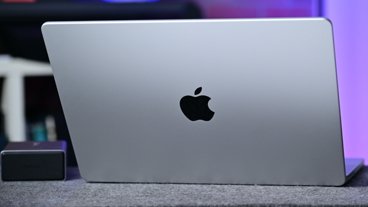
M5 MacBook Pro. Apple is also reportedly planning an OLED MacBook model
Apple isn't replacing the core iPhone experience and is adding another rung for customers who want the newest hardware regardless of cost. The strategy keeps the base and Pro models grounded and opens space for more expensive devices at the top.