Rumor mongers can't decide if the iPhone Fold is going to be delayed again or not, but regardless of release date it remains a compromised solution to a problem that nobody really has.
All evidence points to an iPhone Fold debuting in 2026, at least if Apple has its way. Time will tell of is right or wrong about potential delays.
There was a time when I was incredibly excited about a foldable iPhone and its potential. When foldables were first entering the market, they seemed like the natural next progression of technology.
A folding iPhone had a point and purpose six years ago after having been rumored for the previous three years. In 2026, the product lacks a real point.
Foldables solve very little
Today, foldables make up something like 3% of the total smartphone market and cost incredible amounts of money. My iPhone 17 Pro Max is also expensive, but the foldable price will start where the Pro Max price ends.
There are so, so many reasons why foldables never took off, but I'm certain that the main factors are price and design. These are inherently nerdy and interesting products that don't look like anything else in the market, so there's some wow factor for that market segment, at least.
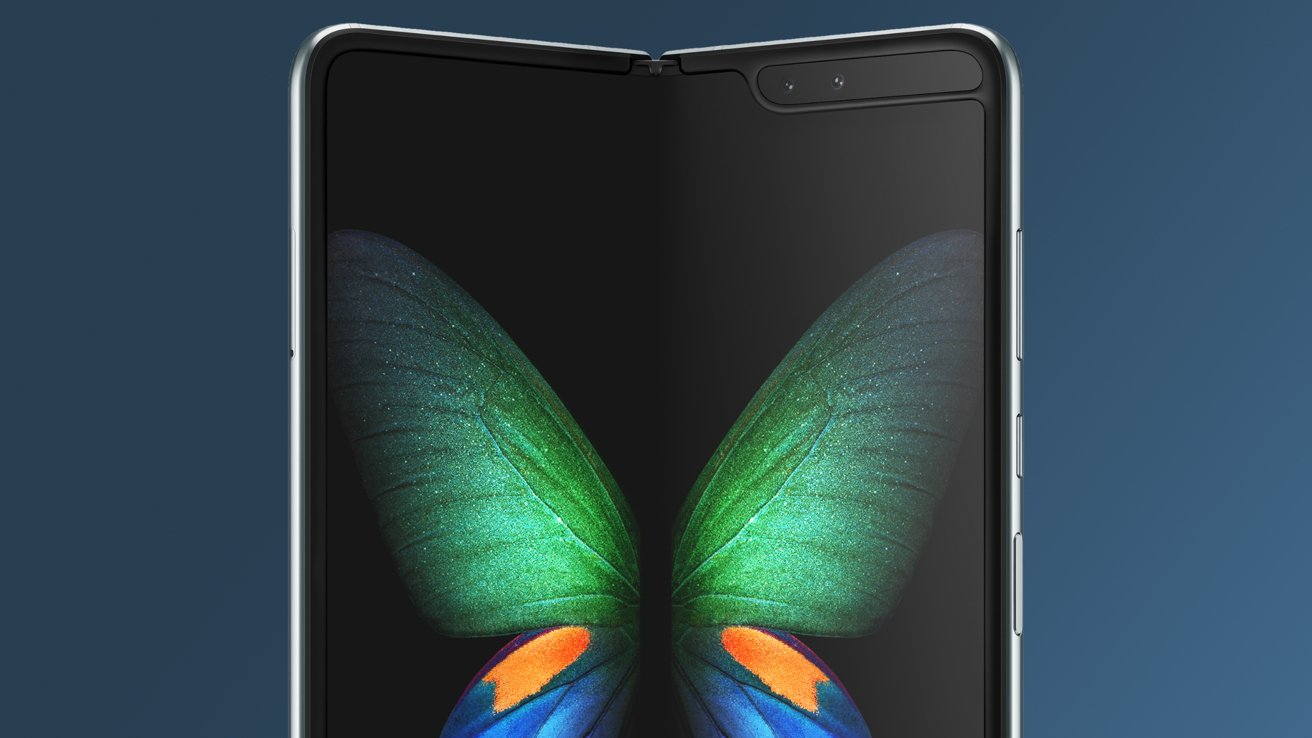
The Samsung Galaxy Fold in 2019 set off the foldable fad
However, that effect quickly wears off when you hear it costs more than a high-powered laptop, has a creased display, and doesn't run optimized software. The compromised camera system is also a giant problem that can't be overcome.
Tim Cook mentioned the concept of the "toaster-fridge" when asked about Windows hybrid laptops. It's what happens when you take two excellent products that stand out on their own and attempt to merge them into one.
An iPhone Fold will never be a good iPhone. It will never be a good iPad.
The combo looks to be a compromised, expensive product and I'm not quite sure who it is for.
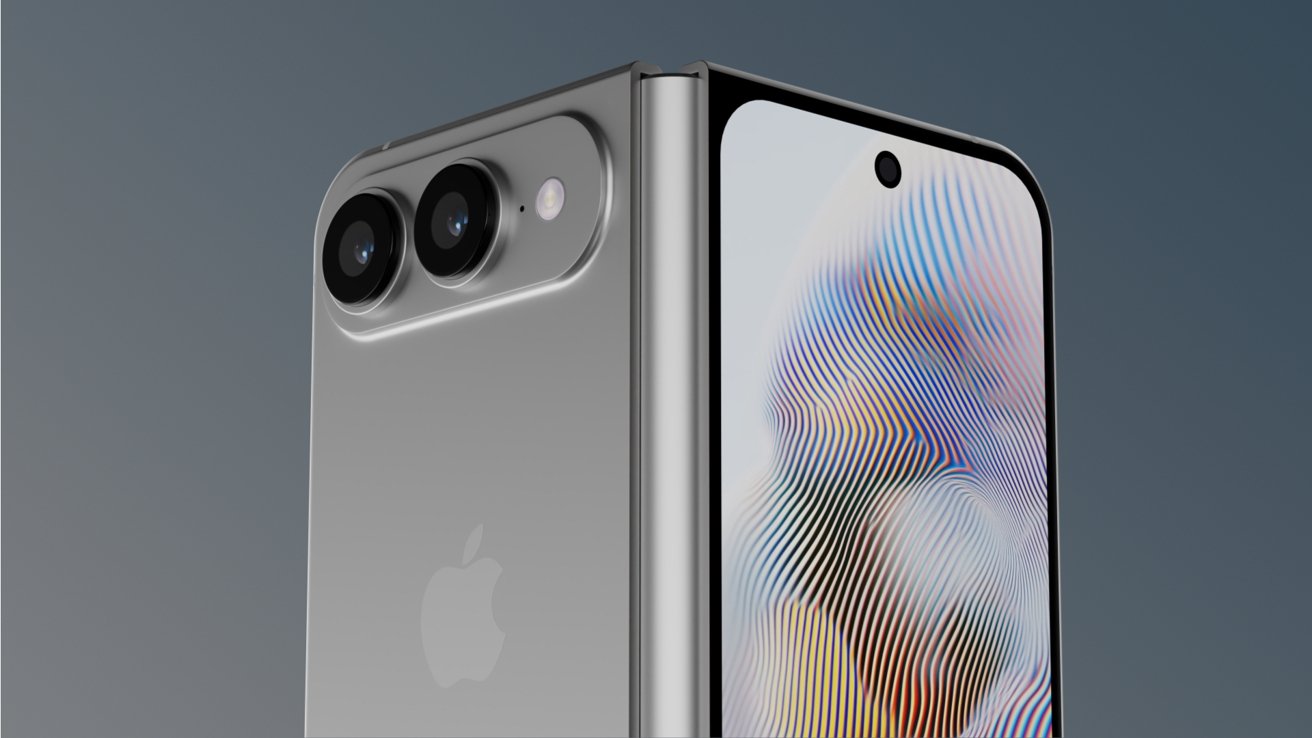
Let's pretend the current dummy model is representative of the iPhone Fold. When closed, its external display is shorter than the iPhone Pro and barely wider.
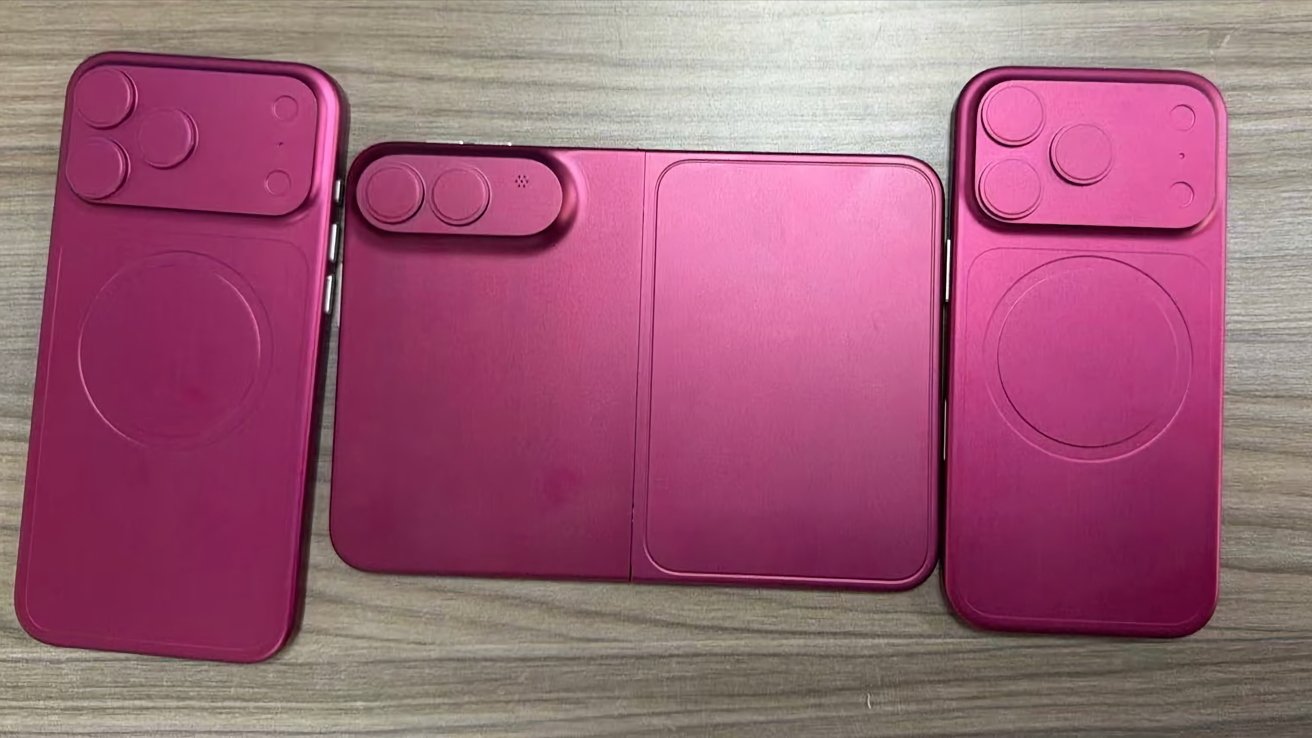
iPhone dummy models. Image source: Sonny Dickson
A camera bar on the back sits at the top of the device, and when you open it in landscape, the camera bar stays on the back corner. However, your open display is only slightly wider than an iPhone, which means a 16:9 video will be shown at nearly the same size as a tall iPhone in landscape.
Rotate the open device to portrait and you're either gripping from the external touch display or the camera bump on the back. It's also heavier on one side, which is awkward when you're using the tablet for viewing media or reading.
The camera system is also inferior in spite of it being in a more expensive iPhone. Also, Apple may have to resort to Touch ID since authentication is needed from both an open and closed position, and it seems unlikely that Apple would include two Face ID sensors.
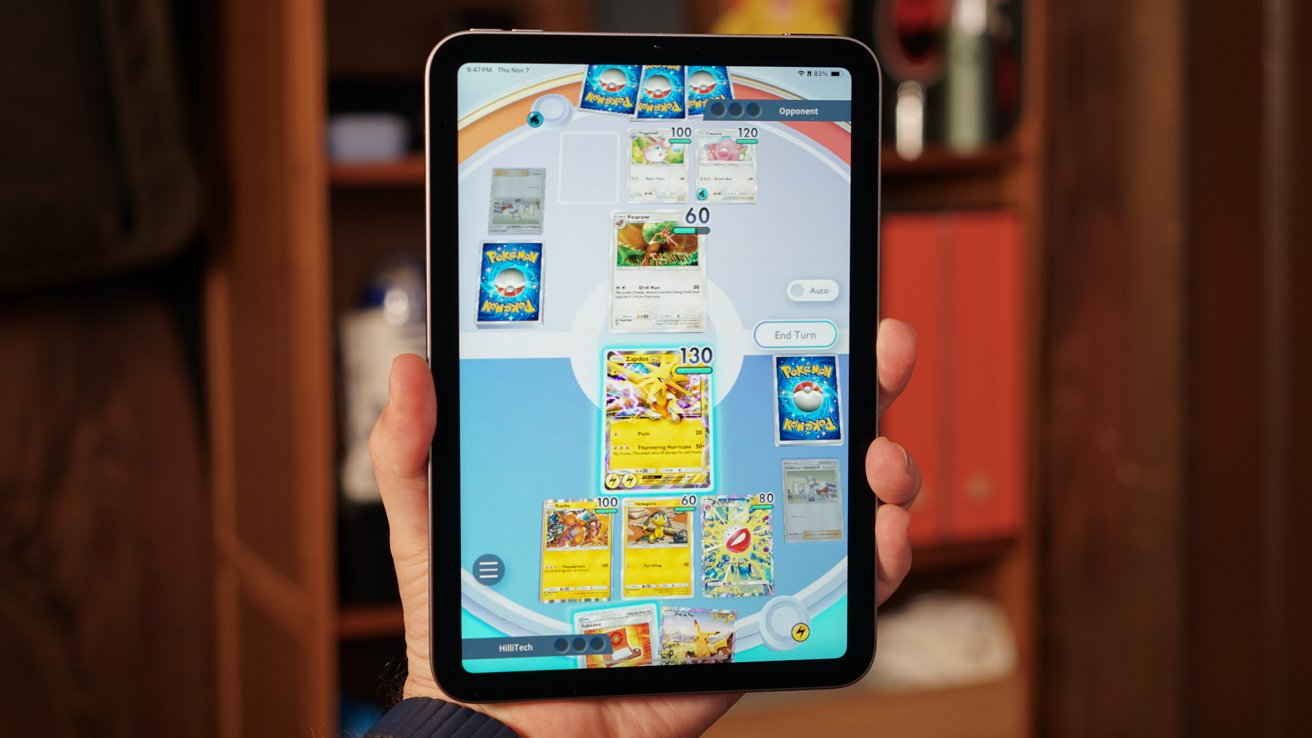
iPad mini is already an excellent, pocketable tablet that isn't compromised by a crease
Compromise stacked up on top of compromise. It all adds up to a subpar iPhone experience.
Perhaps I'm wrong. Apple could release its foldable and it turn out amazing.
Perhaps Apple will even convince me to buy one. Looking at it today, I can't see the iPhone Fold being viable as a product.
If it were up to me, if I were Tim Cook for an hour, Apple would abandon the iPhone Fold and focus on extended reality projects beyond Apple Vision Pro that have been rumored for almost as long as a folding iPhone. I'm neither going to be Tim for an hour, and Apple is clearly not going to abandon this concept, so let's get into the potential release window.
iPhone Fold is still expected in 2026
There has been a rush of rumors surrounding iPhone Fold in just a few days.
First, one leaker shared that test production had begun. Then the supply chain was allegedly warned by Apple that potential delays to mass production could occur.
Finally a new report denied the delays will occur.
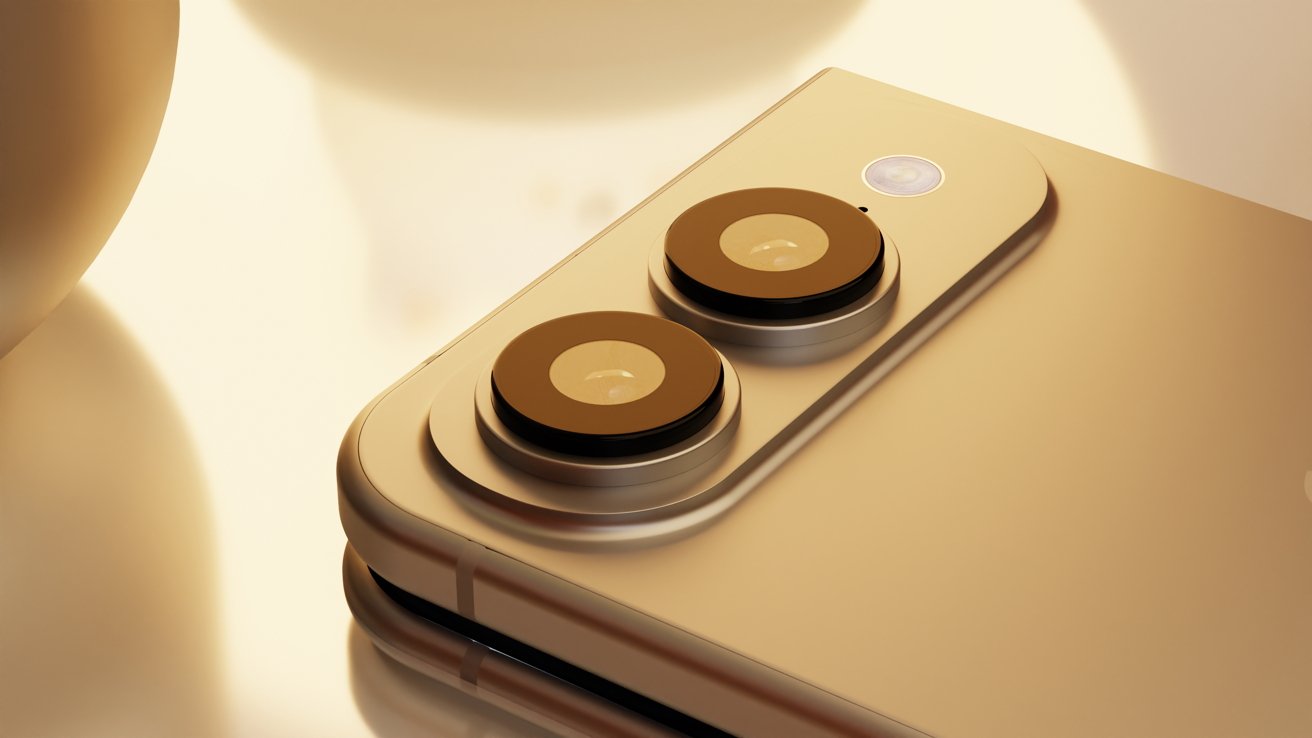
iPhone Fold may never launch if it is delayed again
In the midst of all this, dummy models were shared, but they are a red herring. Those are produced by a company with a strong track record for producing good representations of upcoming iPhone models.
The mock-ups don't really tell us anything about the release window or production. And, the latest iPhone Fold dummy model appears to be identical to the ones people have been 3D printing for months.
I don't think these being leaked can be tied to anything beyond "this is what these (probably) look like."
There have still been zero component leaks relating to iPhone Fold in spite of its imminent mass production and fall launch.
Apple has clearly hit some significant production snags throughout the iPhone Fold development. In the current phase, Apple would have started a small production run to see where the supply chain bottlenecks might be.
I've already alluded to the report that suggests that Apple has warned suppliers that mass production could be delayed. Whatever problem it has encountered, it is enough that it could push the global shipments, but perhaps not announcement, back by several months.
The source of the delay report isn't always the most reliable. These were the same folks that conflated Apple Silicon inside the then-unreleased Pro Display XDR as a new iMac. So far, other than reputation of the publication in question, we don't have any reason to doubt that the notification to suppliers is real.
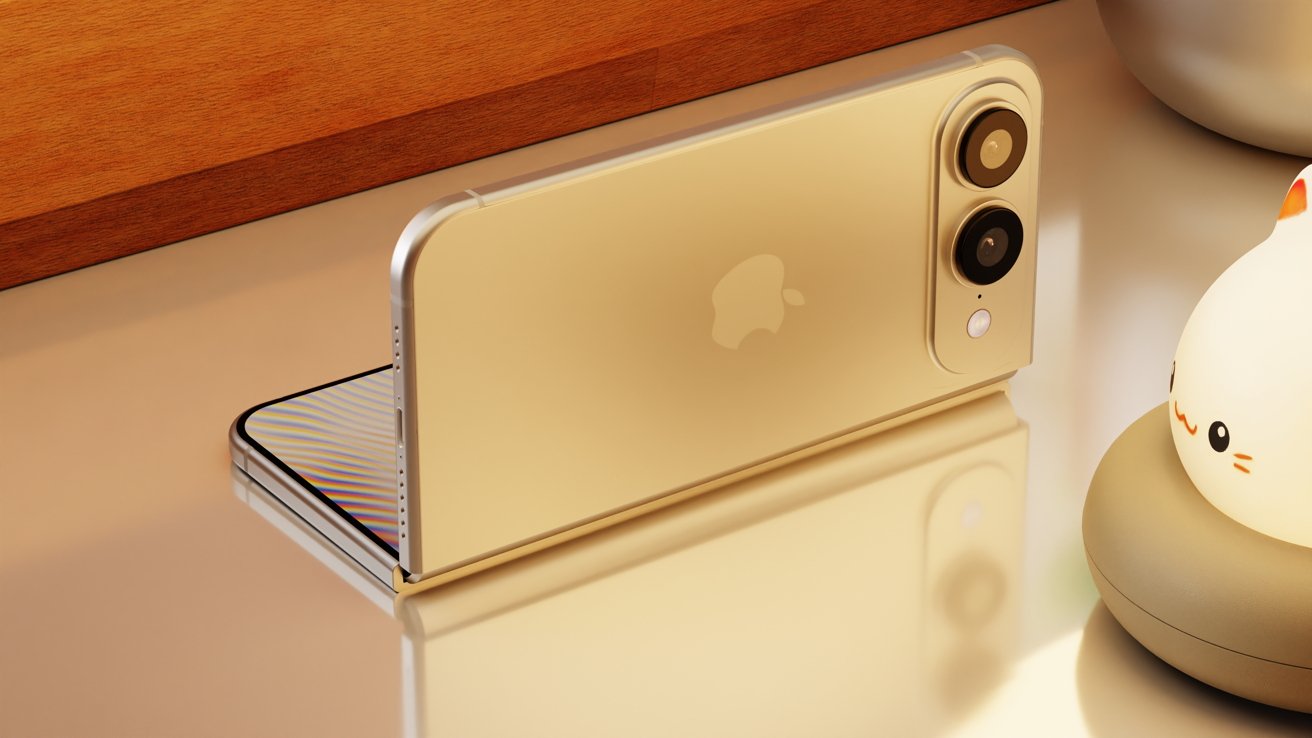
iPhone Fold will be expensive and complex to manufacture
If the iPhone Fold can't launch until December or January, it changes a lot for Apple. The iPhone 18 Pro and iPhone 18 Pro Max will have to launch on their own in the fall thanks to a new split release schedule.
The iPhone 18 non-Pro is expected to arrive in the spring alongside the iPhone 18e in March 2027. There's also the potential for an updated iPhone Air in the same spring, but that's just another complication.
I have no doubt that the iPhone 18 Pro line will sell well. Apple's best sellers from September to January are the Pro and Pro Max iPhone models.
People waiting to upgrade that notice there wasn't a base iPhone 18 in the fall might push up to the iPhone 18 Pro, or perhaps grab an iPhone 17e instead.
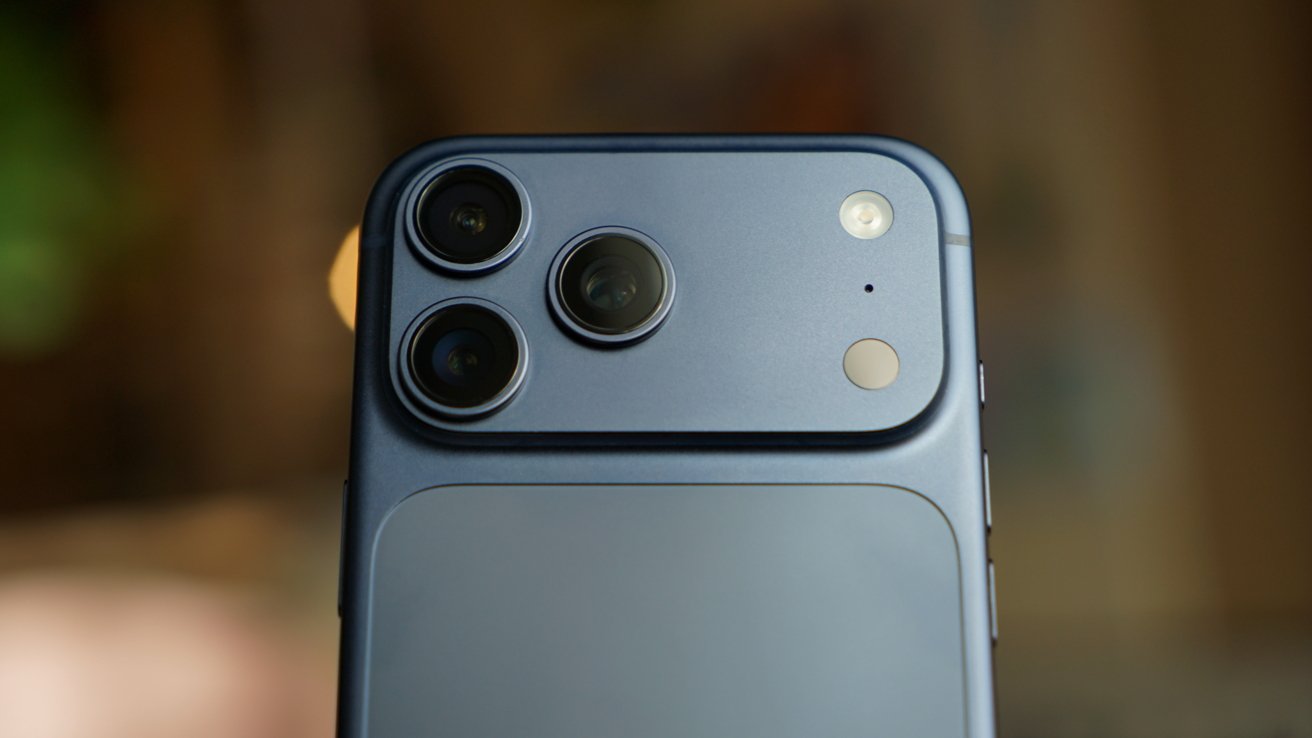
Apple's iPhone Pro lineup always sell best in the fall and winter
Should this split-launch materialize, There will be a change to Apple's revenue that will may like a small dip in the winter. Cue investor panic, for no better reason than they panicked over a perhaps-late folding iPhone debut.
Splitting iPhone releases will make revenue flattening and deliver a more healthy market cycle. Basically, similar annual revenue with smaller peaks and valleys.
The people that want iPhones will still buy iPhones, so there likely won't be a significant dip in overall iPhone sales. However, investors will be, and have been upset no matter how Apple pitches Q1 2027.
An iPhone Fold release wouldn't make much of a dent either way in the total-year numbers. It may help lift the average purchase price, plus it would buffer overall revenue for the holiday quarter.
Apple also wanted to have this twice-a-year release schedule to help smooth out the supply chain demand for parts, chips, and memory. Instead, launching iPhone Fold smack in the middle of the cycle could create a months-long drag on the entire industry with no space for relief.
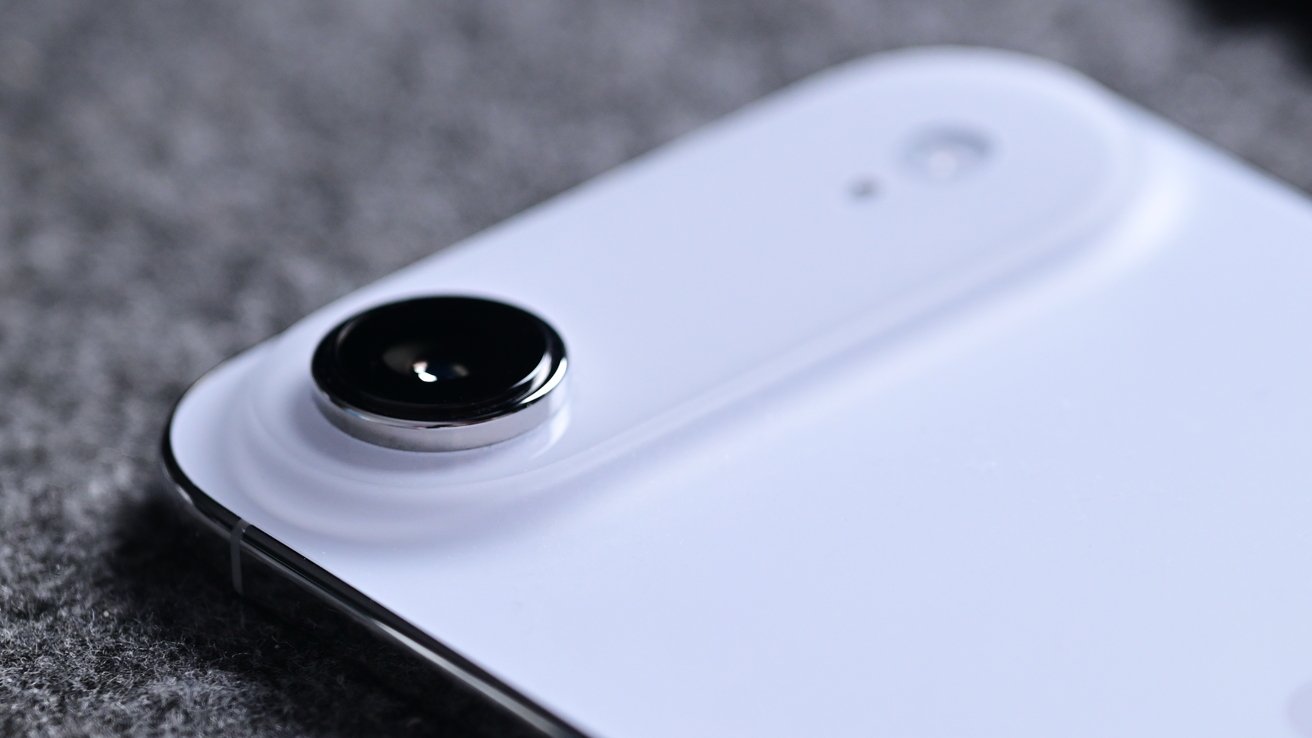
iPhone Air is another compromised device, but selling well thanks to its thin design
Then there's iPhone Air, which is another compromised product, with a disproportionately loud fan base. I'm sure Apple wants to put space between the Air and Fold, but this delay would eliminate that too.
If iPhone Fold can't launch in September or October 2026, then its launch could be pushed back to the fall of 2027 to help maintain Apple's overall strategy.
But, if we're pushing this device back yet another year, that could compound other existing issues. By the fall of 2027, the whole foldable category could be in serious trouble.
It won't matter how nice Apple's foldable is if the market and mindshare has moved on.
Foldables are a fad, and an iPhone Fold delay would be their death sentence
Analysts have been going bananas over the prospect of Apple entering the foldable market. They believe Apple will bring the magic sauce that will make foldables viable.
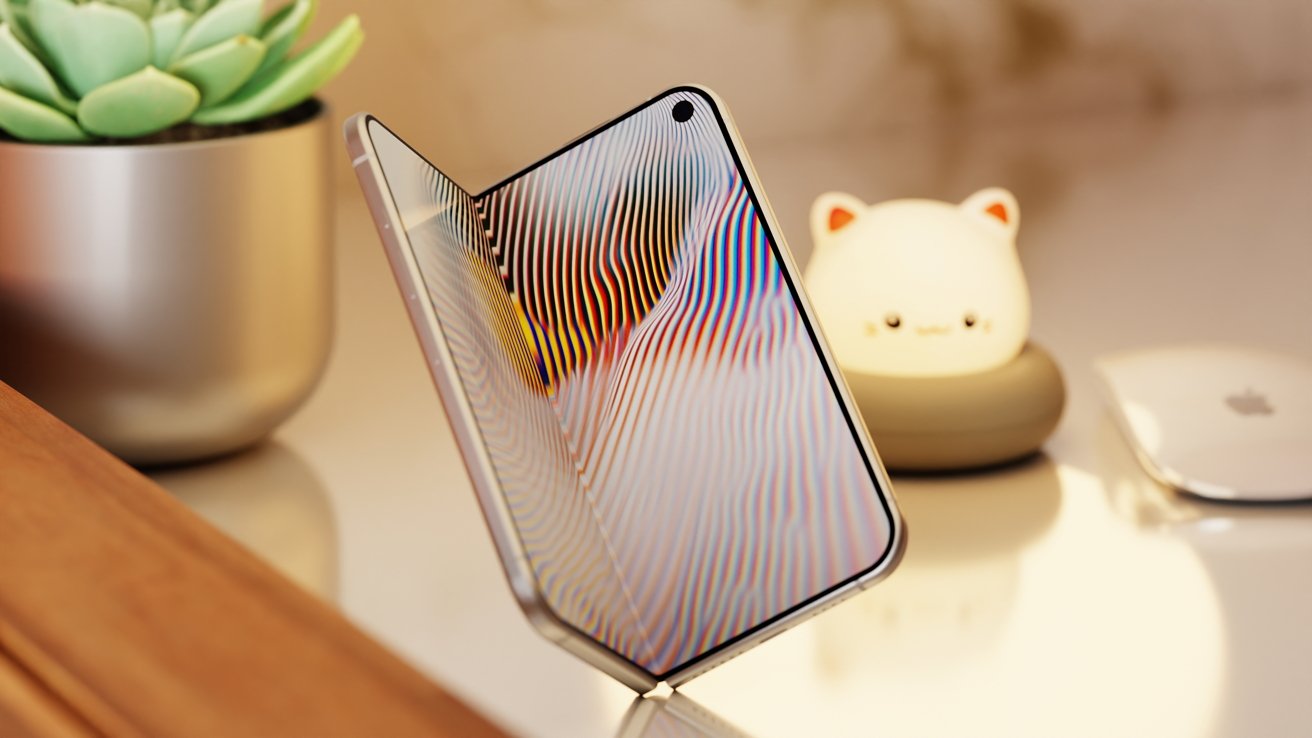
iPhone Fold could drive broad foldable demand
I believe Apple is absolutely capable of doing that, but I also think the sell-by date of foldables is behind us, and not by a little. Apple entering the VCR market in 2000 wouldn't have stopped DVDs from becoming popular.
So much of the market is bracing for Apple to enter foldables.
Companies ramping up production to undercut Apple's foldable price will suddenly have inventory that won't sell because the world wasn't pushed to foldables by Apple. What was meant to be validation and security from Apple could turn into a double-edged sword that accidentally kills the market many thought they would save.

A near infinite virtual display wins over a limited and compromised folding display
The other side of this problem is the emergence of better technologies in the "more display, smaller product" space. Wearable smart glasses, displays, and AR passthrough headsets are quickly rendering the need for things like foldables and portable monitors useless.
If the entire purpose of a foldable is to give us a bigger display when it is opened and take up less space when closed, then we're truly beyond that. Apple Vision Pro may still be early, but it is clearly where technology will end up once miniaturization helps make it easier to wear for long periods.
In the meantime, Apple's smart glasses are expected in early 2027. The true Apple Vision Pro successor could arrive in 2027.
If these VR/AR release timelines are accurate, they are additional nails in the coffin to the awkward and compromised Apple foldable.
Time will tell what happens. If Apple can overcome its supply chain and production issues, then everything will launch as planned.
I'm not sure what the world looks like when Apple is pushing wearable displays and foldables all at once. Either they can coexist, or one will emerge as the victor over the other.
I wish we could eliminate the middle man and not bother with the iPhone Fold in the first place. However, Apple seems determined to get this product out to the world, even if it doesn't serve a purpose.