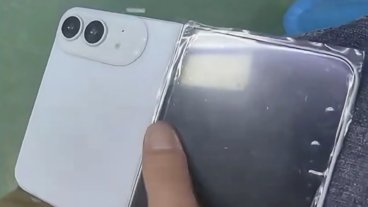
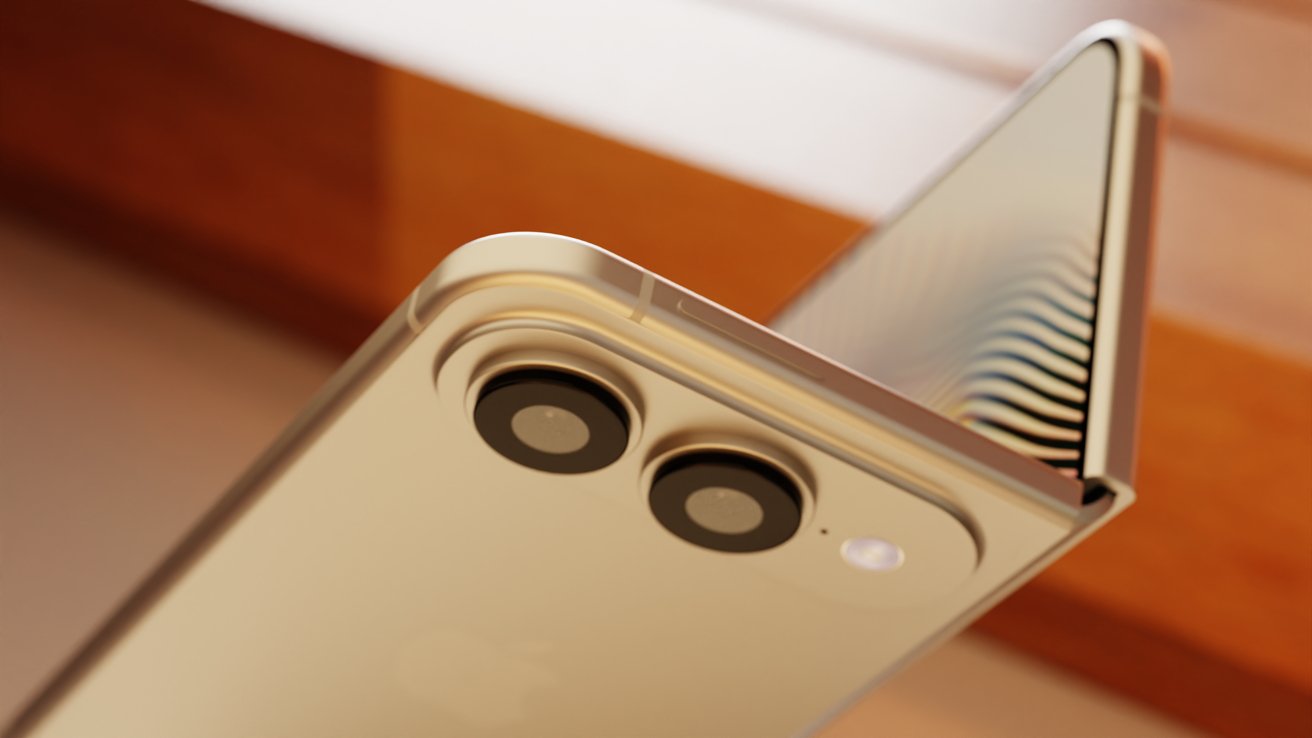
Apple's supply chain is big, so new product launches get leaked in their entirety as they enter mass production. If the iPhone Fold is coming, we should get our first peek at it soon.
I'm on the record as being an iPhone Fold skeptic. Even as the iPhone 18 Pro has begun leaking components, nothing of the sort has happened for the upcoming foldable iPhone.
There's something odd about that.
A leaker with a good track record shared that iPhone 18 Pro test production has begun. That is within expectations for a product launching in the fall.
There was no mention of the iPhone Fold.
We've seen a leaked iPhone selfie camera module that supports the rumor of the Dynamic Island cutout shrinking. There are also rumors about colors already surfacing.
The only things that have leaked about iPhone Fold are things that can be attributed to EVT testing and prototyping. Various measurements, diagrams, and feature rumors all come from Apple needing physical products to prototype and test.
I'll give the rumor mill some credit — a rumor of the first production prototype iPhone Fold arrived in July 2025. That was a bit early, so it is even more odd that final production units haven't leaked.
The physical leaks like component photos and chassis dummies are from the end of the production timeline. These leaks occur because Apple is ramping up the supply chain for a launch.
Nothing of the sort has been seen of iPhone Fold as of the morning of February 24.
From prototyping to production
AppleInsider has covered Apple's prototyping and development stages in depth. I want to briefly look at them here.
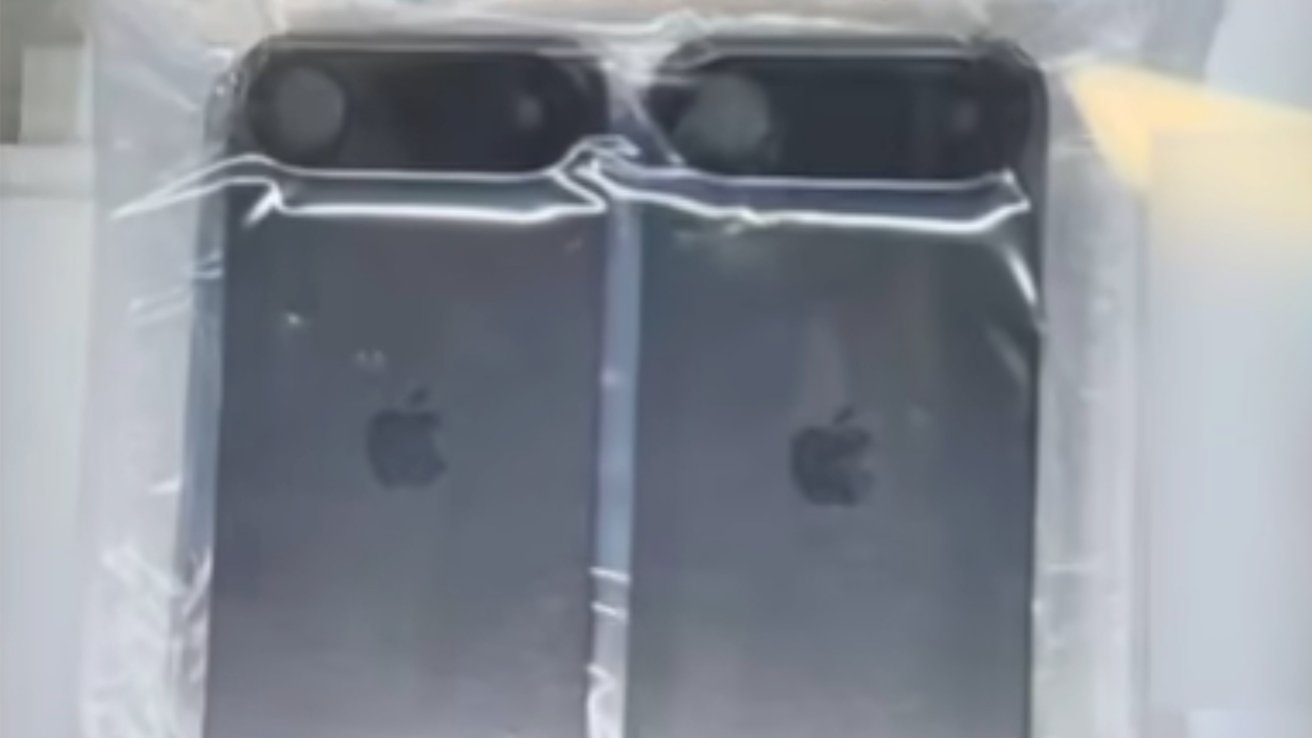
iPhone Air shown in an early leak with the new camera bar. Image source: Majin Bu
The iPhone Fold is a first-of-its-kind device, so early prototypes and Engineering Validation Testing (EVT) models are likely heavily protected. It's why we haven't seen any images or video of seemingly working foldable iPhones.
Design Validation Testing (DVT) is next, and easily just as protected. It's Production Validation Testing (PVT) that leads to first leaked components, design, and dummy models.
The production testing for iPhone 18 Pro has begun. If iPhone Fold production testing has started, it hasn't been leaked.
Mass production must start by June or July to meet the demand expected in the fall. However, the iPhone Fold could be facing a later schedule because of its expected high price and low demand.
We're not totally outside of the window for signs of 2026 iPhone Fold birth, but it is closing fast.
For example, by March 2025, we had already seen photos of production molds, the camera bar, detailed schematics, CADs, and even dummy models of the iPhone Air. None of that has shown up for the iPhone Fold.
The lack of component or product leaks for the iPhone 18 Pro is more easily explained. The iPhone 18 Pro and iPhone 18 Pro Max will likely have identical designs to the iPhone 17 Pro and iPhone 17 Pro Max.
The changes that are coming have leaked, like the possible red color and new selfie camera module. But even these have leaked where the brand-new, very differentiated iPhone Fold has not.
Delay or abandonment
While many wait for the seemingly inevitable component leak or chassis dummy, I'm waiting for the "iPhone Fold delayed" rumors to start. We've already seen hints of a delay.
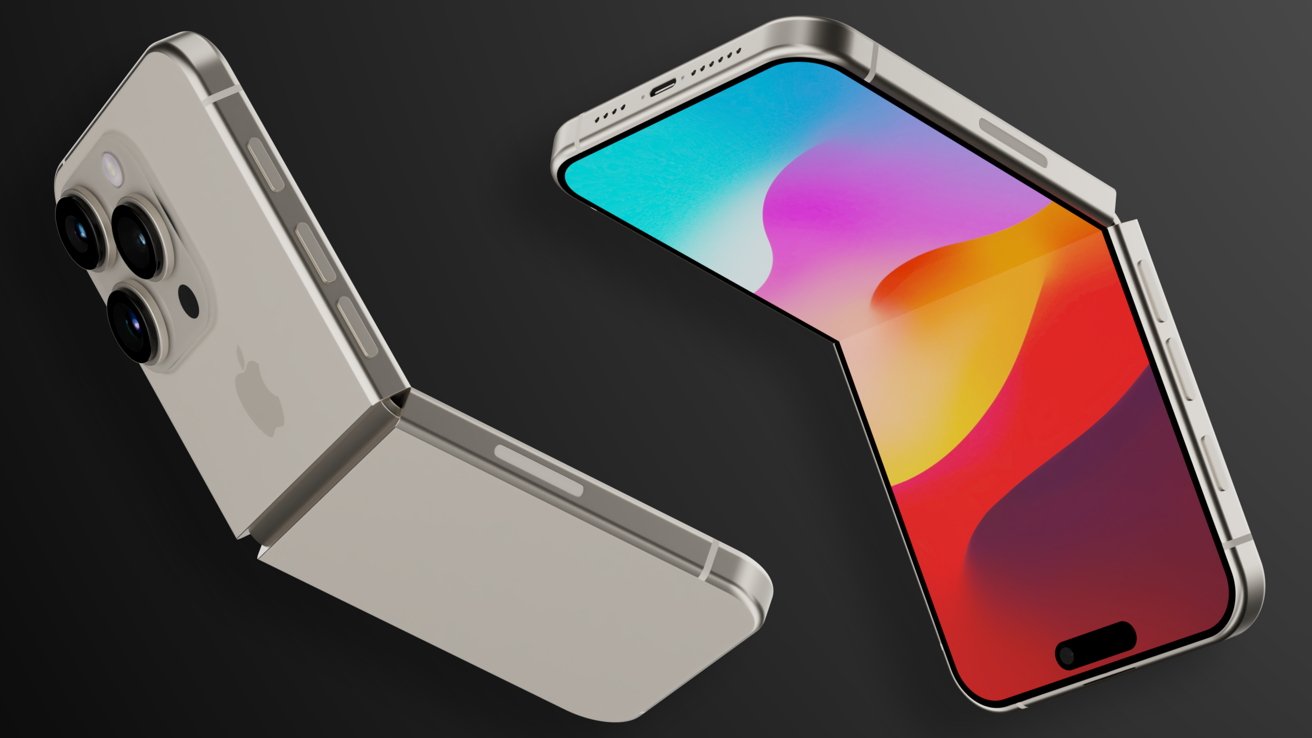
There have been many iterations of Apple's foldable rumors over the years
The supply chain also has had trouble, since at least 2021, trying to agree on what Apple's first foldable will be. Some said Apple abandoned foldables, while others said, no, Apple is making a large Mac foldable first.
These disagreements and confusing leaks might have to do with Apple ordering multiple prototype products. My guess is that Apple has spent the last few years searching for a viable foldable product line.
Things slowly distilled down to what we have today — iPhone Fold is coming in the fall. There is an expectation for an iPhone Flip model, a foldable large iPad, then finally, a foldable 20-inch MacBook.
That is, of course, if Apple bothers with the category at all.
It's not that I don't find the technology neat. Foldables are inherently interesting and nerdy. I believe I'd love to emulate video games and have access to iPad software on something so small.
There's also the chance that foldables could help blur the lines between smartphone and tablet. A single device that opens up to an iPad mini and runs Stage Manager on an external display could replace three of my devices.
However, there's a competing faction within Apple — spatial computing.
Foldables solve a problem most no longer have
I am currently a diehard iPad fan and user. The Mac has become a decoration in my office as I work from iPad Pro, reference the iPad mini, and occasionally get fully immersed in Apple Vision Pro.
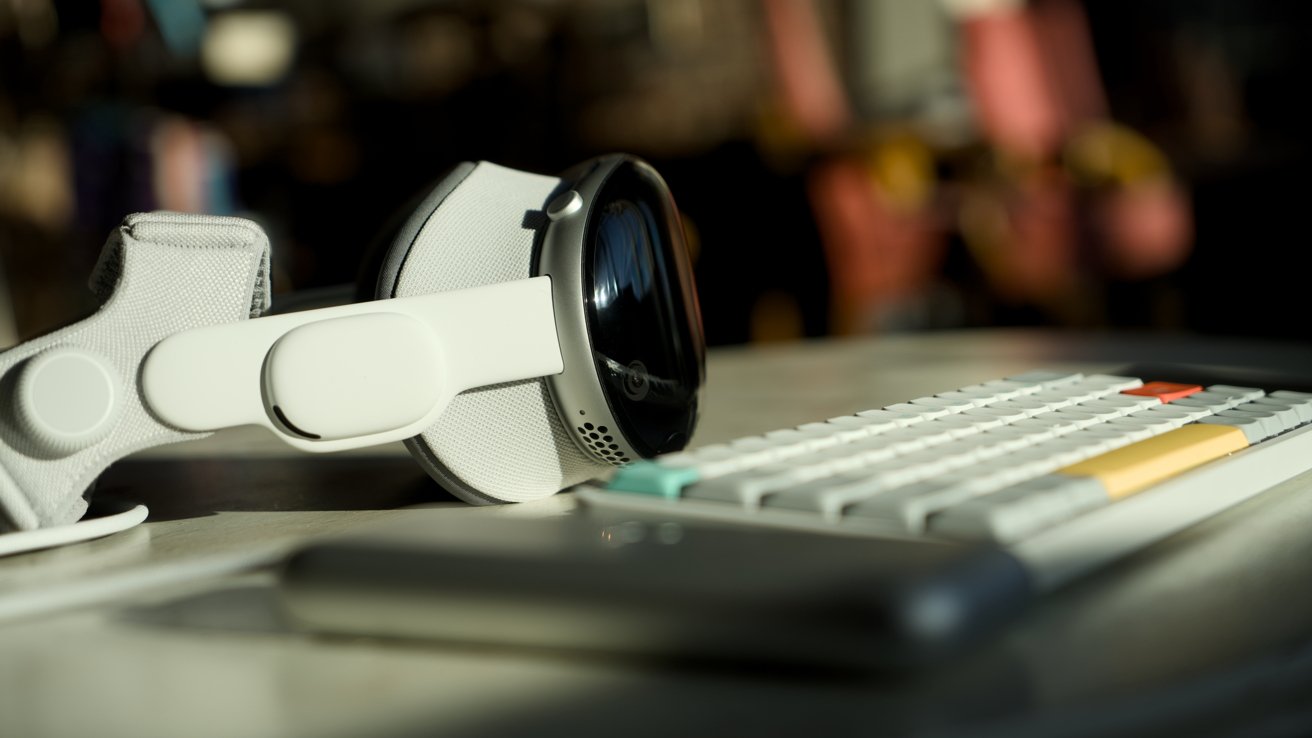
Apple Vision Pro and spatial computing provide near-infinite canvases for software
While what I'm doing now is manageable, it's prohibitively expensive to maintain. As long as it doesn't become some kind of toaster-fridge, one device to do it all is a great concept.
The phone isn't going anywhere anytime soon, so I expect iPhone to endure. However, I expect spatial computing to be the answer, not a modular tablet.
Foldables are dangerously close to Steve Jobs' infamous toaster-fridge analogy. Sure, you can combine them, but you end up with a product that doesn't excel at either.
It's a thick iPhone with moving parts with less camera functionality. It's a tablet with a creased display and awkward aspect ratio that may or may not support Apple Pencil.
For my money, I'd prefer to have an iPad mini and iPhone. The duo is likely cheaper too.
As spatial computing evolves, we'll gain easier access to infinite mixed reality canvases. Instead of dealing with the constraints of physical objects like displays, we'll simply make the world our interactive software.
Foldables exist because when they first emerged, the idea of spatial computing was a far-off sci-fi dream. Apple Vision Pro is here, and while it is in its early days, it seems odd for Apple to pursue the technology it seeks to replace in tandem.
Time will tell if the iPhone Fold is truly launching in 2026. It is already past time for tangible confirmation, and I remain skeptical.