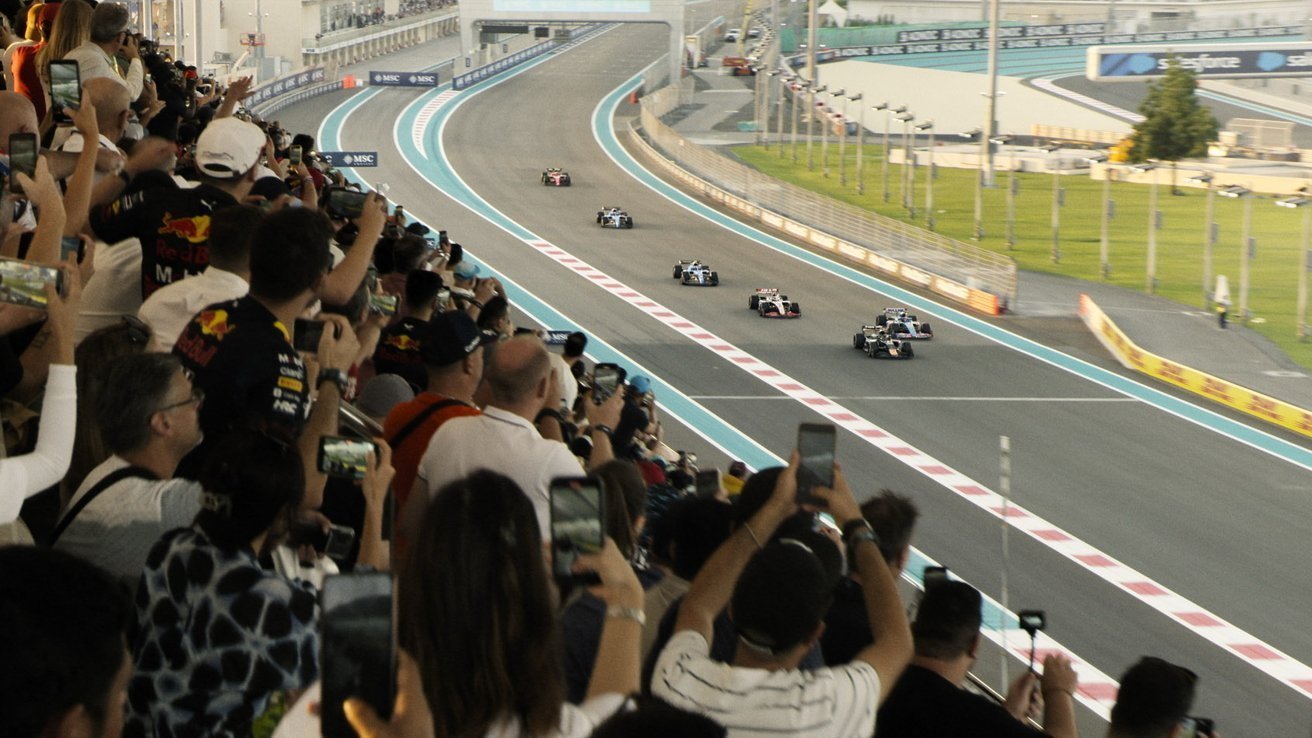
Apple and Formula 1 executives say streaming races on Apple TV has boosted U.S. viewership and engagement, easing fears that the switch from ESPN would drive fans away.
Liberty Media CEO Derek Chang said that Formula 1 hasn't faced the "outlash" executives feared after shifting U.S. broadcast rights to Apple TV in 2026. Chang reported stronger engagement, higher viewership, and positive consumer reaction during early race weekends despite the transition from traditional cable distribution.
"The initial results have been promising," Chang said during a Wall Street analyst call. He credited Apple's "tech-forward platform" and new viewing tools, including multiview layouts, data feeds, and onboard camera features, for helping create a more immersive Formula 1 experience.
The comments arrive just months after Apple replaced ESPN as Formula 1's exclusive U.S. broadcaster under a five-year agreement reportedly worth between $140 million and $160 million annually.
Apple's deal marked one of the most aggressive sports-rights pushes in the company's history. Alongside live race coverage, the company committed to promoting Formula 1 across Apple News, Apple Maps, Apple Music, Apple Fitness+, retail stores, and other services inside its ecosystem.
Chang said Apple used its retail stores, apps, and services to heavily promote Formula 1 around the Miami Grand Prix through nationwide Apple Store campaigns, Apple Maps race integrations, and new race weekend programming. Apple turned the Miami event into a company-wide marketing push across several of its biggest consumer platforms.
Formula 1's younger audience aligns with Apple's strategy
Formula 1 executives say Apple's platform is helping the sport pull in younger viewers and more women in the United States. Liberty Media CEO Derek Chang said Apple's reach is already attracting "a younger and more female audience" as the company expands Formula 1 across its ecosystem.
CEO Stefano Domenicali said women now make up roughly 40% of the sport's U.S. fan base. The demographic shift has become a crucial aspect of Formula 1's strategy for growth in the United States.
Netflix's "Drive to Survive" helped push Formula 1 beyond its traditional motorsports audience and accelerated the sport's growth with younger American viewers. Reuters reported that 47% of newer U.S. Formula 1 fans are between 18 and 24 years old, and women now account for more than half of those newer fans.
Formula 1's global audience and strong engagement across mobile devices, streaming platforms, and social media make it a natural fit for Apple's ecosystem-focused services business.
Apple is betting that streaming can grow Formula 1 further
Apple has already woven Formula 1 deeply into its entertainment strategy. The company produced the Brad Pitt-led "F1" film before securing the U.S. broadcast rights, creating an unusually tight link between the sport's media coverage and Apple's own content business. Apple also expanded the film into an immersive experience for Apple Vision Pro users.
The broader question surrounding the deal has never been whether Apple could improve the viewing experience. Critics instead questioned whether moving Formula 1 behind a streaming paywall could limit casual audience growth compared to ESPN's traditional television reach.
ESPN's final Formula 1 season averaged roughly 1.3 million viewers per race across ESPN, ESPN2, and ABC, the highest U.S. audience average in the sport's history.
Formula 1 executives believe Apple's ecosystem may reach more people than cable TV because it can market the sport across multiple products and services at once. Domenicali said Apple's platform gives Formula 1 "a more dynamic way to live our sport."
Early results remain limited, however. The 2026 season has completed only four races, and executives acknowledged the first three events took place in Australia and Asia at difficult viewing hours for U.S. audiences.
That makes Miami the first major American test of the new partnership.
McLaren Racing CEO Zak Brown said May 1 that television audience growth remains Formula 1's next major challenge in the United States despite the sport's recent momentum.
"I think TV ratings are still relatively small compared to the NFLs of the world," Brown said during an Autosport Business Exchange event in Miami.
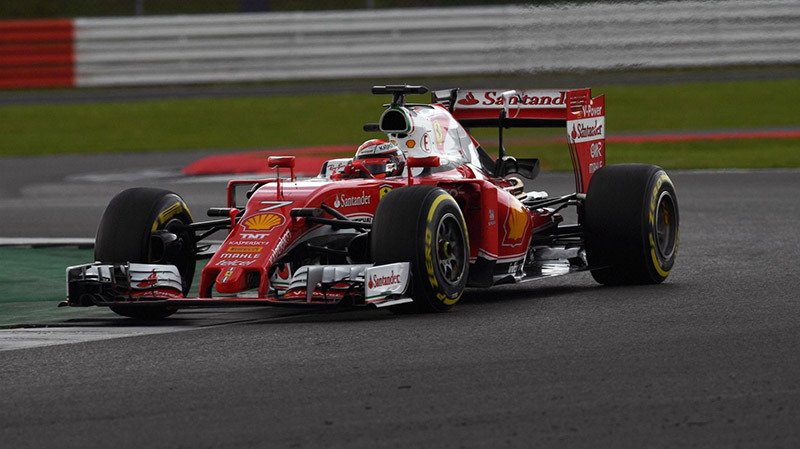 Kimi Raikonnen pilots his Ferrari at Silverstone Circuit. Image credit: F1
Apple executives appear committed to treating Formula 1 as a long-term investment rather than a short-term media acquisition. Domenicali said Eddy Cue attended the Miami Grand Prix and described Apple as "full on board" with the partnership.
Cue also referenced incoming Apple CEO John Ternus as a motorsports enthusiast who supports the company's Formula 1 ambitions. Apple's long-term interest in Formula 1 became more visible after Eddy Cue discussed possible future expansion tied to the sport and the success of Apple's F1 strategy.
Formula 1 is becoming more than a standalone sports rights deal for Apple as the company pushes deeper into live sports on Apple TV. Apple already uses MLS Season Pass and Friday Night Baseball to drive subscriptions, and Formula 1 adds a globally recognized sport with a younger audience and year-round reach.
Apple has also expanded sports streaming into restaurants and bars as it ramps up its live sports strategy.
Whether that strategy can expand Formula 1 beyond its niche in the US is uncertain. Early engagement metrics are strong, but the larger test will be over a full season as Apple tries to convert casual viewers into long-term subscribers without ESPN's exposure advantage.