The rumor mill always claims Apple events like the iPhone 17 launch will see updates to almost everything, and that's never been the case. Here's what's coming next from the company through the end of 2025 and into 2026.
The iPhone 17 and Apple Watch Series 11 may be Apple's marquee fall releases. But they're only the start of a crowded pipeline, with updates planned across nearly every product category over the next six months.
Despite rumor mill claims every year to the contrary, Apple tends to spread out launches rather than drop everything at once. That keeps its devices in the news cycle year-round, lightens the load a bit on manufacturing partners, and prevents global shipping log-jams.
It's a strategy that dates back decades, from the staggered iPod introductions in the early 2000s to the fall-spring split of the iPhone SE and iPad Pro lines. Apple's staggered launches keep the spotlight moving from one product to the next.
Here's what's coming for the crucial holiday quarter, and early 2026.
AirTag 2 launch
Apple hasn't touched its tiny tracker since the original AirTag arrived in April 2021. That device rode the novelty of item tracking, but competitors like Tile and Samsung have since pulled ahead in speaker design and battery options.
Code in iOS 26 shows Apple is readying an AirTag 2, likely hitting in September 2025. The new model is expected to feature a second-generation Ultra Wideband chip, potentially offering faster and more precise location data.
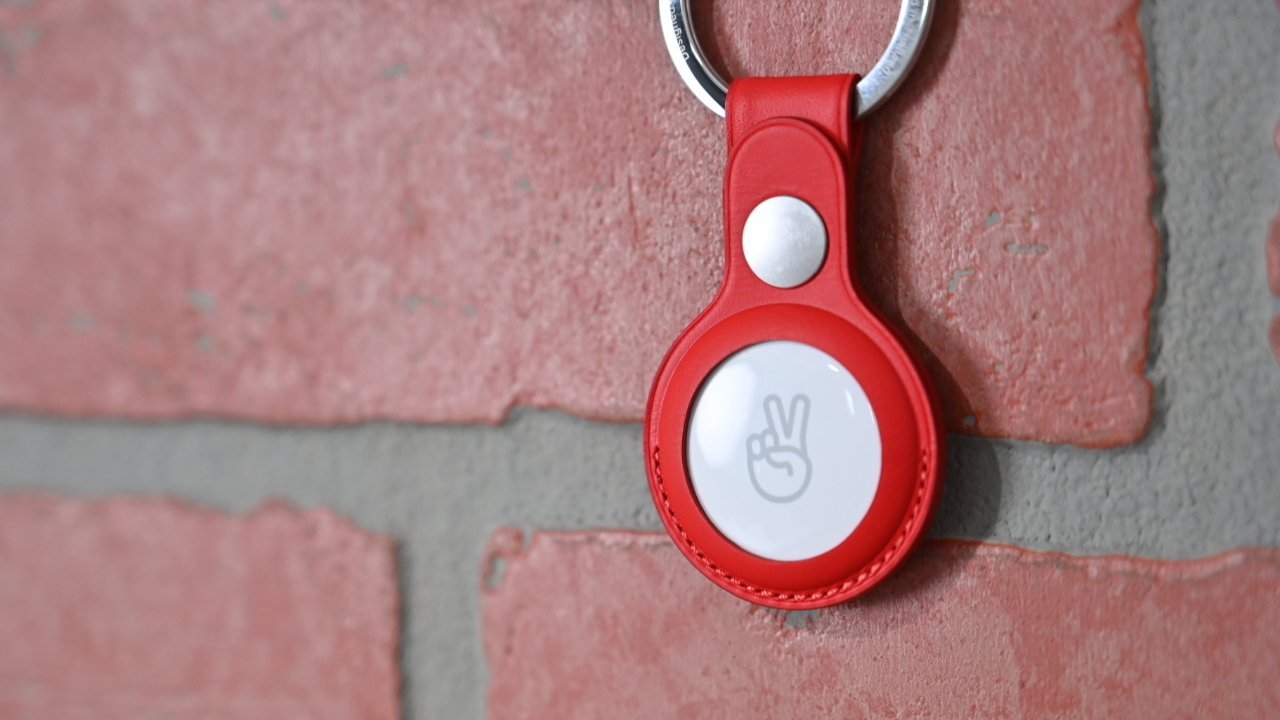
Apple hasn't touched its tiny tracker since the original AirTag arrived in April 2021.
A stronger, more tamper-resistant speaker is also rumored, aimed at addressing stalking concerns that dogged the original release. Those changes align with Apple's broader emphasis on safety in hardware design.
If you skipped AirTag the first time, a refreshed version may finally feel worth buying. And for existing owners, a hardware update could mean better peace of mind when tracking valuables.
iPads with M5 processors
Apple's iPad lineup is sprawling, and 2025 looks like another shakeup. Code leaks point to an iPad mini running an A19 chip of some sort, and a budget model built on the A18.
Both models are expected within the next six months, with an iPad Pro likely before the end of October. The entry-level iPad appears set to use the A18, a proven chip that helps Apple balance price and performance. Meanwhile, the iPad mini may get a more advanced A19 variant, offering performance close to the iPhone 17 Pro.
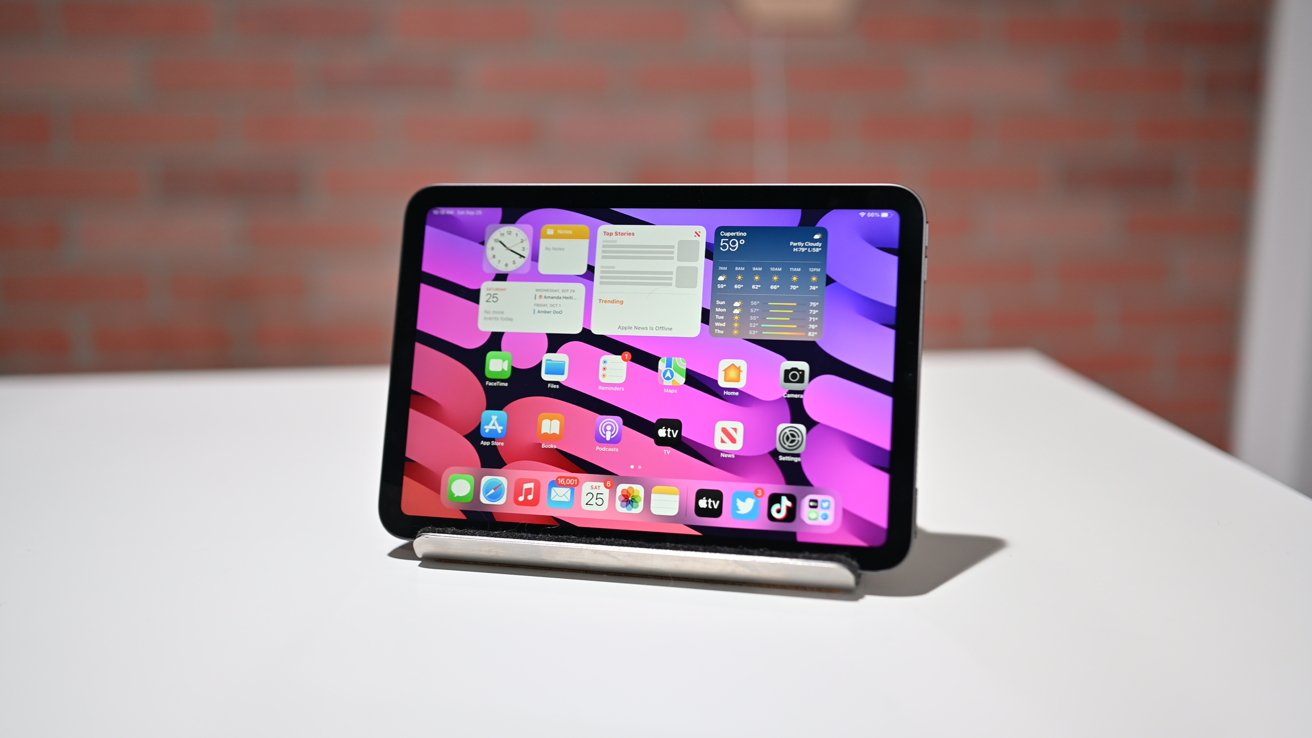
Many buyers will welcome a mini that feels fast enough to rival the iPhone 17 Pro.
The entry-level iPad with A18 is Apple's way of recycling last year's chip into a cheaper device, something it has done repeatedly to balance margins. Historically, Apple refreshes the iPad mini less often, with gaps of up to two years between models.
Many buyers will welcome a mini that feels fast enough to rival the iPhone 17 Pro. And schools or budget-conscious users will find value in the A18 model, even if it's not glamorous.
Apple Vision Pro M5 upgrade
The Apple Vision Pro has barely settled into the market, but leaks already point to a second version with the M5 chip. Apple seems unwilling to let its $3,499 headset stagnate while rivals like Meta push cheaper alternatives.
A launch by the end of 2025 is expected, focusing on performance and comfort. The M5 chip promises faster rendering for spatial computing apps.
And redesigned straps may address comfort and weight distribution complaints, a common issue with the first generation.
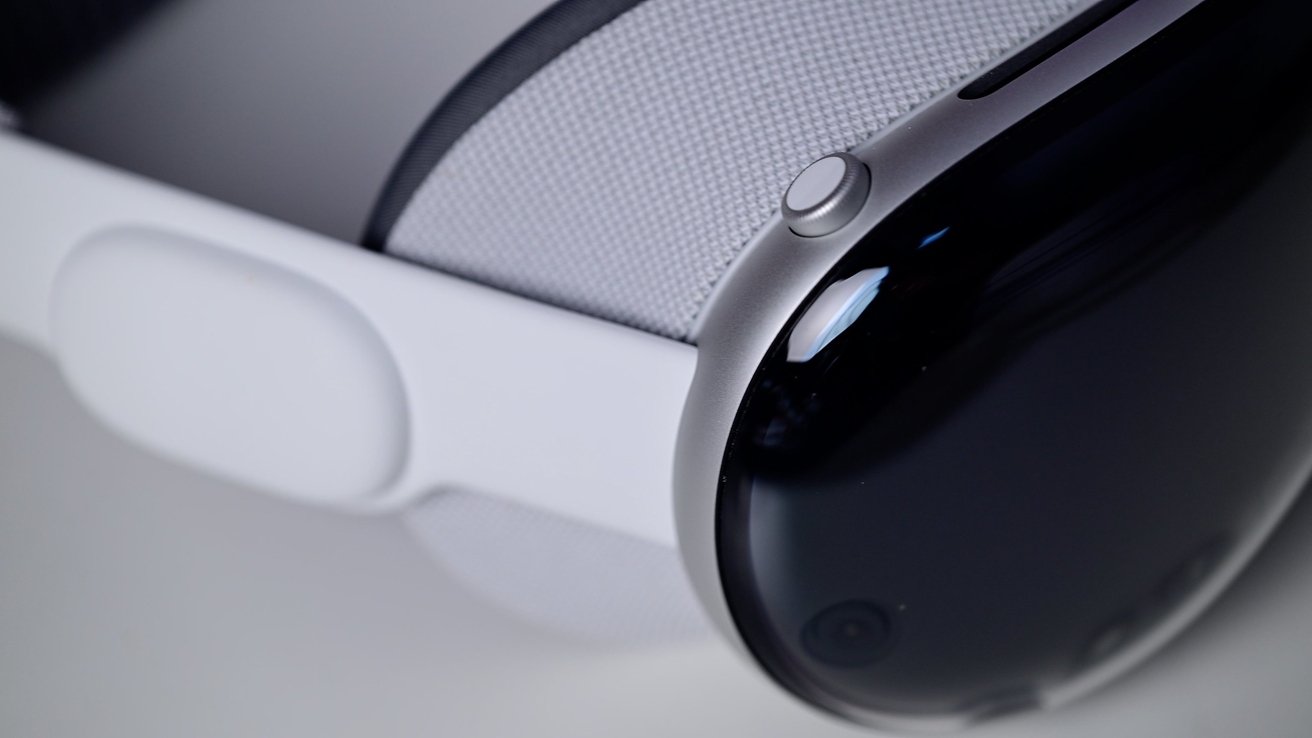
The Apple Vision Pro has barely settled into the market.
These tweaks look modest, but for early adopters the difference could be significant. Apple Vision Pro has been framed as the next big platform after the iPhone, but sales have been niche.
Apple may be hoping that faster iteration keeps the device in the conversation, even if mainstream adoption is years away. Some developers have also slowed work on visionOS apps, waiting to see if the platform sticks.
Apple TV 4K with a better processor
Apple TV has not undergone a significant update since 2022, causing it to lag behind competitors in speed and features. Leaks indicate that a new model featuring the A17 Pro chip is expected to launch before the end of 2025.
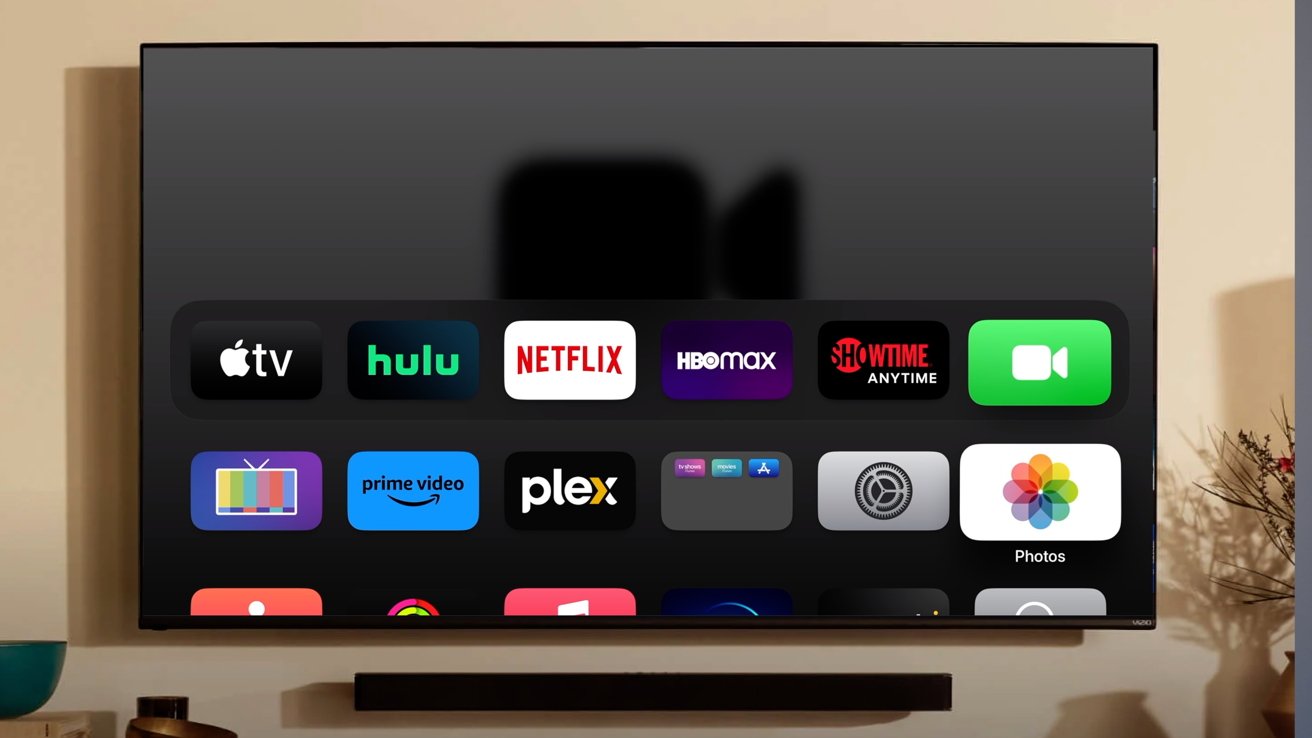
Apple TV has not undergone a significant update since 2022.
That chip upgrade means real changes, with A17 Pro enabling on-device Apple Intelligence, better Apple Arcade graphics, and smoother video decoding. It's not glamorous, but it marks a meaningful shift for a product often treated as an afterthought.
Apple has struggled to define Apple TV's role, cycling between set-top box, streaming hub, and gaming console without dominating any category. The upcoming AI-integrated upgrade may finally give the device a shot at relevance.
MacBook Pro M5
MacBook Pro is Apple's flagship computer, and the next big step is the M5 chip. Rumors point to updated MacBook Pro models in early 2026, though some may arrive sooner.
The M5 promises more than incremental speed. Apple is expected to double down on AI acceleration, putting the MacBook Pro in line with the iPhone 17 Pro and Apple Vision Pro.
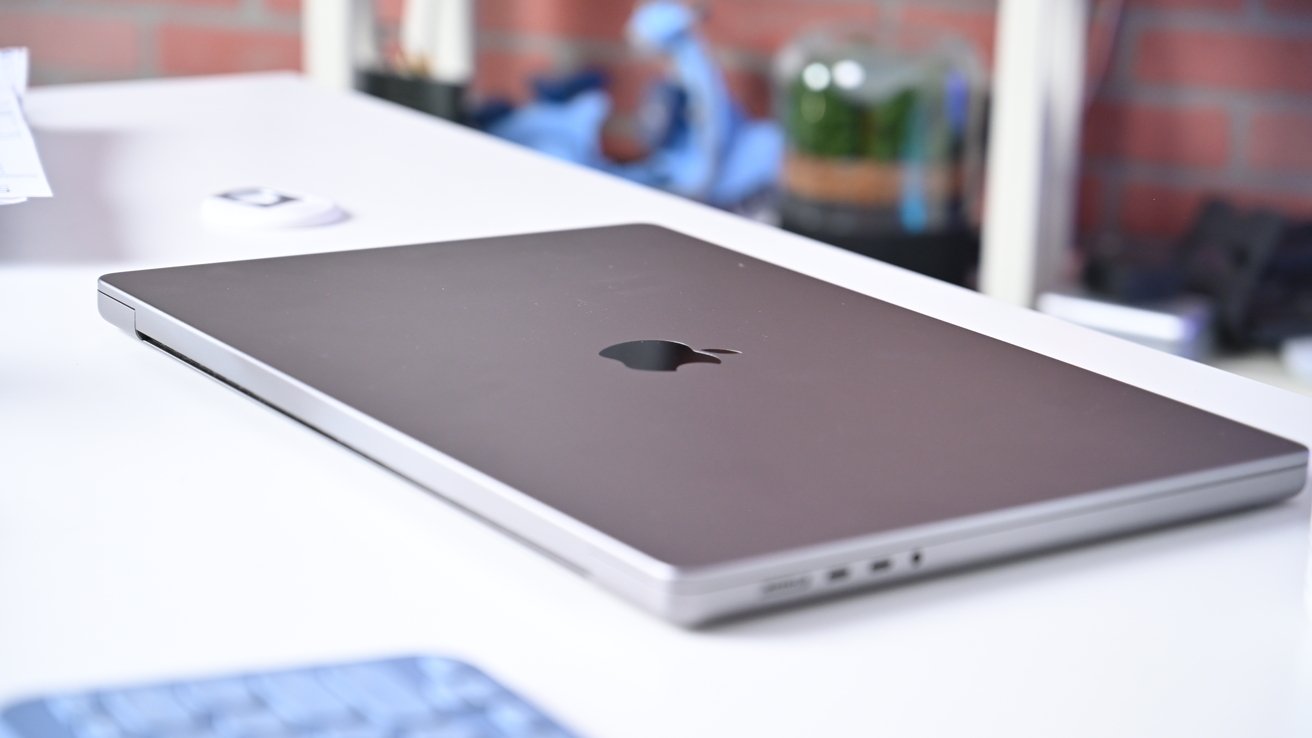
The M5 promises more than incremental speed.
For professionals in video, design, or development, the M5 MacBook Pro could be the upgrade worth waiting for. And for Apple, it's another way to prove that its custom silicon remains ahead of Intel and AMD.
And... there may be more in store for the MacBook Pro later in 2026 — but that's a story for another day.
HomePod mini refresh
Apple's smallest smart speaker is also due for a refresh. Reports point to a HomePod mini built on an A16-based, four-core SiP, arriving in fall 2025. That puts the speaker more in line with the performance found in recent iPhones.
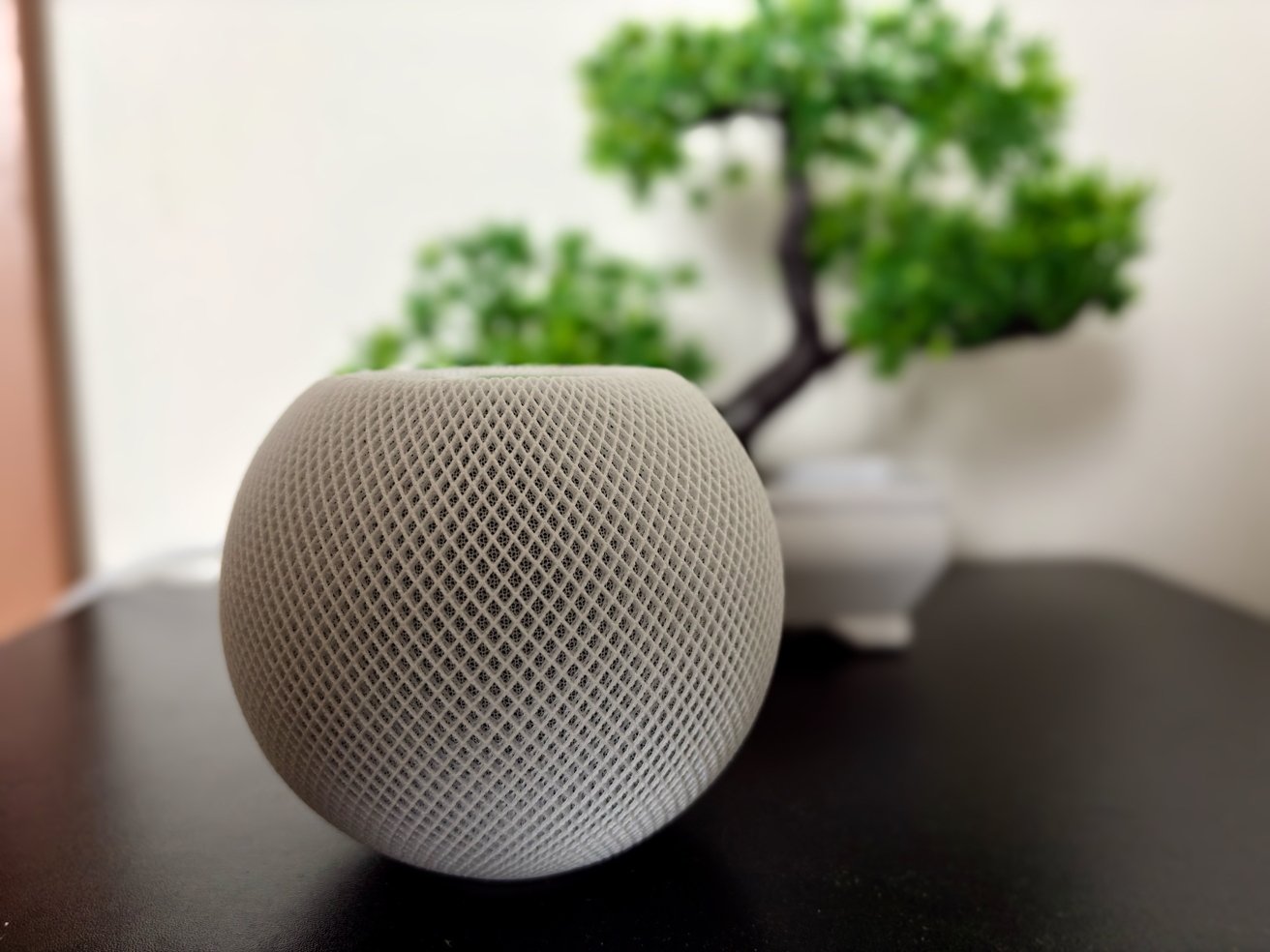
Apple's smallest smart speaker is also due for a refresh.
The improvements appear modest, but they bring the HomePod mini closer to the performance found in newer devices. Faster responses and better Siri integration may also allow more Apple Intelligence features to run locally.
The hardware is expected to remain largely unchanged. The original HomePod mini launched in 2020 and quickly became Apple's most popular speaker. Sound quality and volume have been points of criticism, and it's unclear whether Apple will address those this cycle.
Studio Display 2
Apple is also rumored to be working on a successor to the Studio Display. A second-generation model with mini-LED backlighting is rumored for 2026, though Apple may tease it in late 2025.
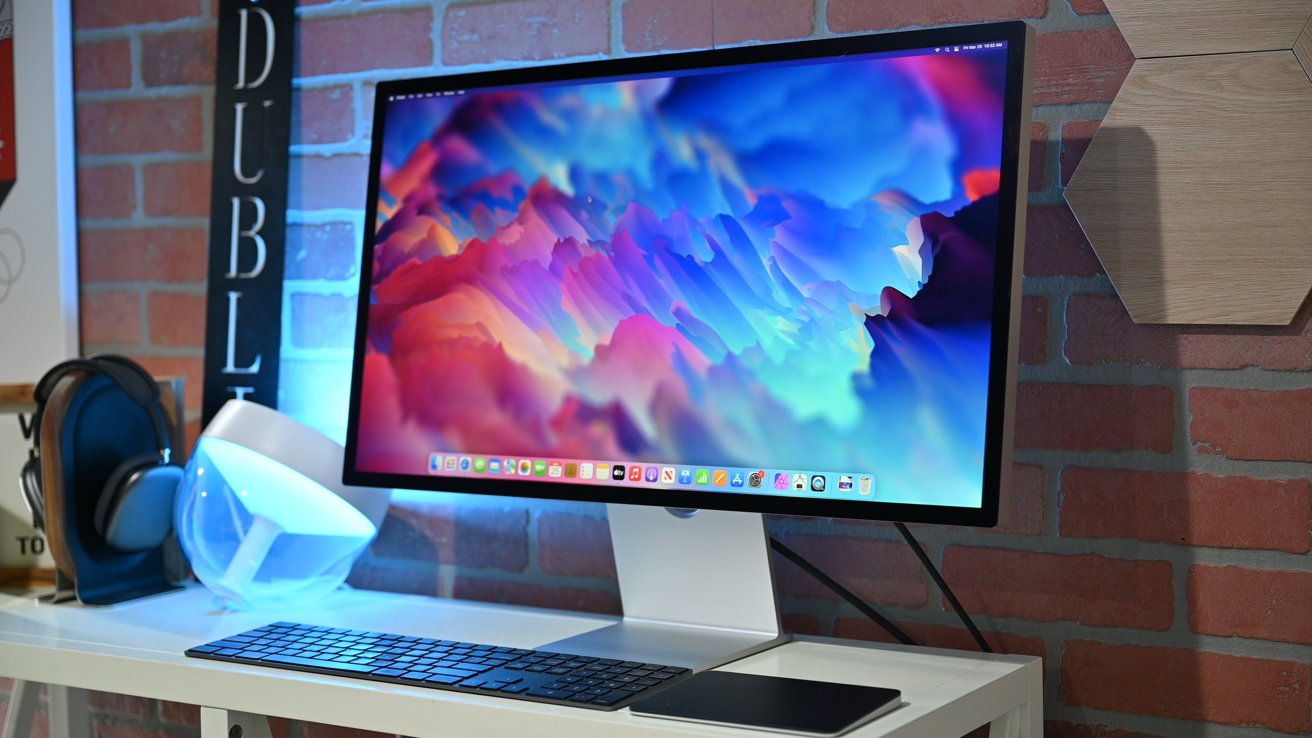
Apple is working on a successor to the Studio Display.
Mini-LED would bring higher brightness, better contrast, and improved HDR performance. That's an overdue upgrade, given how far display technology has advanced since the Studio Display's launch.
Historically, Apple has been slow to refresh monitors. The original Studio Display launched in 2022, and before that, Apple went years without a mid-tier option. A new model would mark a more aggressive approach.
Tighter integration with Macs and a higher-quality panel could make Studio Display 2 the default choice for Apple's creative base.
Apple has a packed six months ahead with AirTag 2, refreshed iPads, an Apple Vision Pro M5, an A17 Pro Apple TV, the M5 MacBook Pro, a new HomePod mini, and Studio Display 2. Leaks may outline the roadmap, but history suggests Apple still has surprises in store.