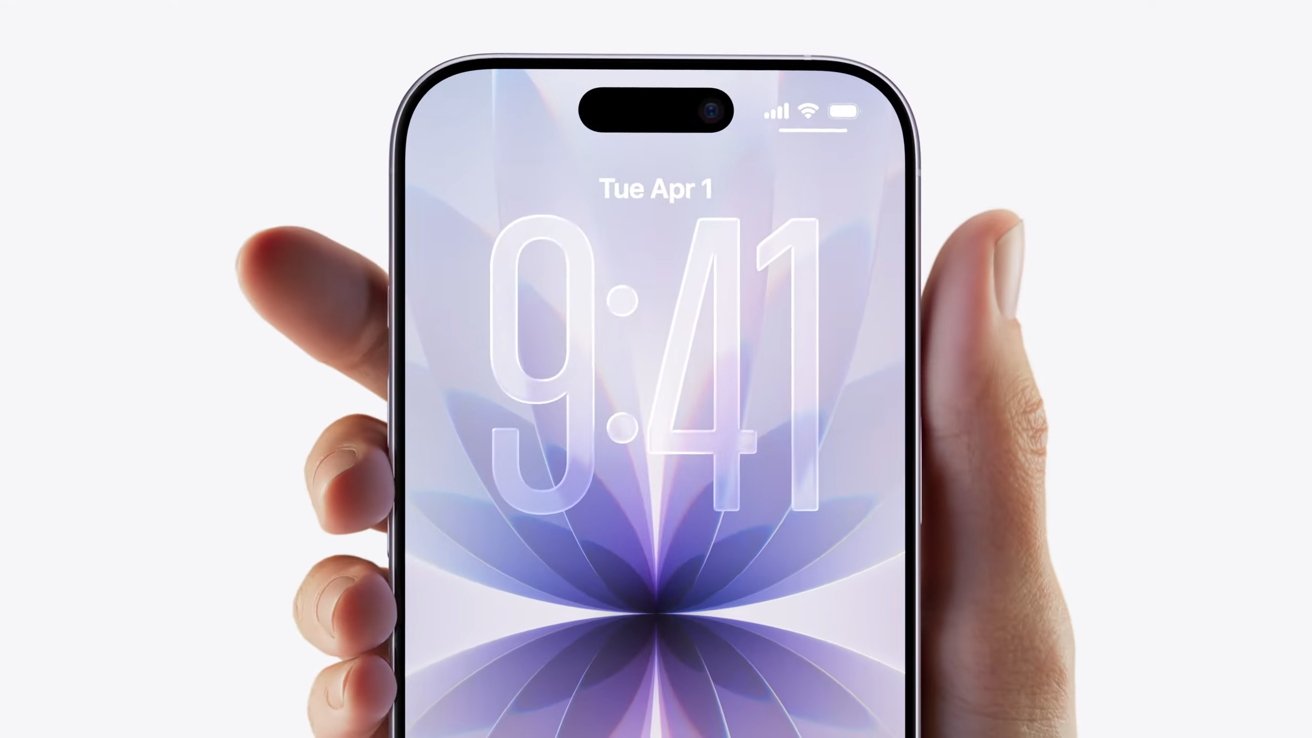
The iPhone 17 offers advanced memory protection features that are set to cause headaches for spyware developers.
On Tuesday, Apple announced that the iPhone 17 range will ship with a new security enhancement dubbed Memory Integrity Enforcement or MIE. The iPhone maker worked closely with ARM to develop the feature, which prevents memory corruption issues on iPhones.
In essence, MIE creates dedicated tags for specific portions of the iPhone memory. Only applications with access to these tags can utilize the device's memory, while apps that lack the necessary tags crash immediately.
Apple added further safeguards, like Tag Confidentiality Enforcement, to keep attackers from prying into those codes using side-channel attacks or speculative execution flaws.
As TechCrunch notes, MIE will deal a serious blow to spyware that relies on memory corruption. It will be significantly more difficult to break into an iPhone 17 or iPhone 17 Pro, regardless of whether hardware-based tools like Cellebrite or GrayKey are used.
An anonymous security researcher, who allegedly worked for the U.S. government, said that the iPhone 17 is likely "the most secure computing environment on the planet that is still connected to the internet."
While MIE does not make the iPhone 17 completely immune to exploits, the researcher claims "it's the closest thing we have to hack-proof." Understandably, spyware developers will have additional costs developing workarounds, and these costs might be passed on to end consumers.
Jiska Classen, a professor at the Hasso Plattner Institute in Germany, echoed the sentiment, adding that spyware developers may not be able to offer exploits for the iPhone 17 for some time.
Developers of anti-malware apps and security experts have recognized the significance and potential impact of MIE with regard to spyware.
Matthias Frielingsdorf, the vice president of research at iVerify, claims MIE is "a good thing," adding that it "might even be a big deal."
Frielingsdorf suggests that MIE may even be able to force some attackers out of the market. He believes MIE has the potential to significantly raise costs for spyware makers as well.
Patrick Wardle, an ex-NSA researcher and founder of the Objective-See foundation, says that MIE on the iPhone 17 will make the lives of spyware developers "arguably infinitely more difficult." That doesn't mean bad actors will give up altogether, though.
Wardle describes the never-ending battle between Apple and spyware vendors as "a cat and mouse game," so a bypass for Apple's MIE may be discovered at some point. It's too early to say exactly when this could happen, however.