Code strings in the latest iOS 26.2 beta suggest Apple is preparing a new first-party smart-home accessory to expand the Apple Home ecosystem beyond the Apple TV and HomePod.
Lurking in iOS 26.2, there is a system flag labeled "isFirstPartyAccessory." Existing smart-home devices use flags like "isAppleTV" and "isHomePod," but this new entry doesn't match any current product.
That difference suggests Apple is testing support for a new category of hardware designed in-house. Hidden references like these often appear before hardware announcements and usually indicate upcoming Home integration.
The code doesn't confirm an imminent launch. However, it signals Apple's focus on expanding its smart-home lineup under the unified Apple Home brand introduced with the Matter standard.
Rumors point to a smart display and camera
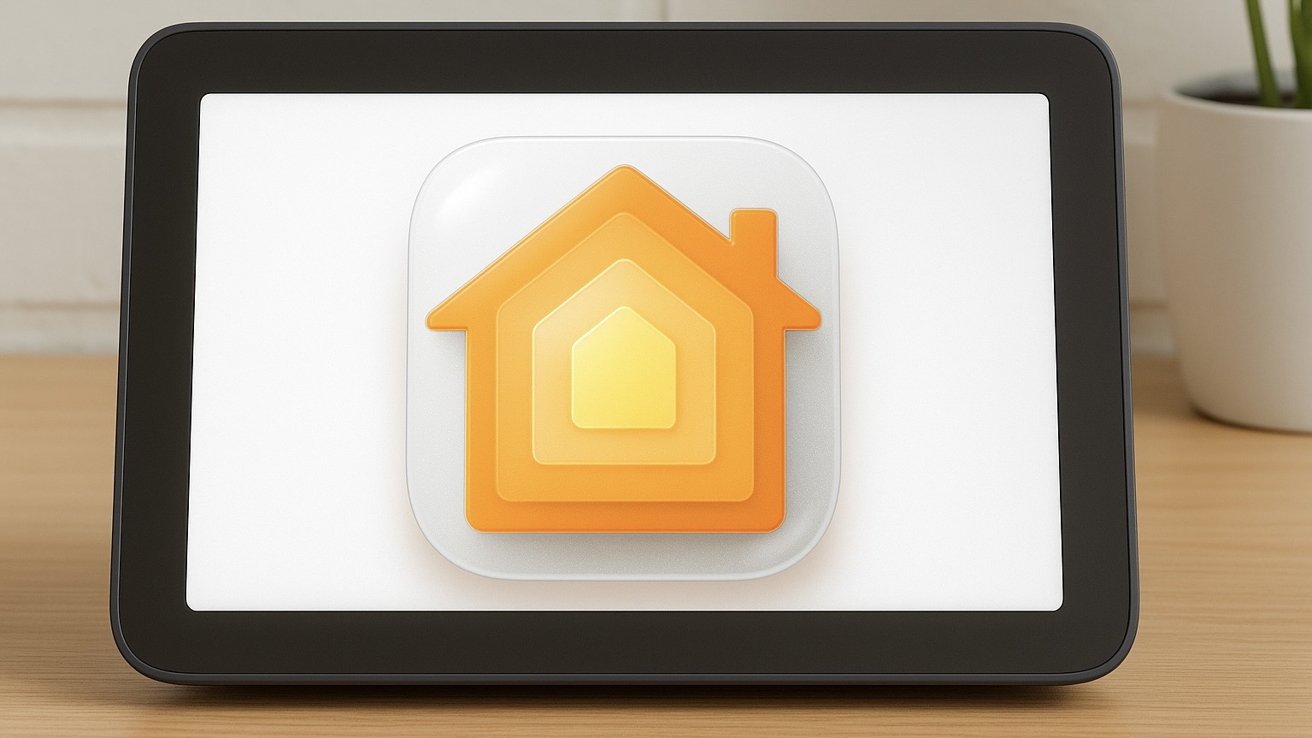
Reports from suggest Apple is working on a smart-home display and a home-security camera. These could be Apple's first full hardware entries in the Apple Home ecosystem.
The devices would complement the existing HomePod and Apple TV hubs. A "HomePod with a screen" has been rumored for years. However, the new iOS 26.2 code hints at something broader.
The code suggests an accessory that doesn't fit into either hub category. Analysts think this could include a camera or a video doorbell. It might even be a multi-sensor accessory to expand Apple's presence in home automation.
Release timing and expectations
The public release of iOS 26.2 is expected in December 2025, according to Apple's typical beta cycle. Any new smart-home hardware would likely follow in spring 2026 or later.
Apple has a long record of laying software groundwork months before releasing new devices, often through iOS updates that add support for unseen products. Still, not every internal flag leads to a launch.
Apple occasionally tests concepts that never make it to market, particularly in the Home app. However, the timing aligns with its efforts to integrate new iOS features with Apple Home and the Matter standard.
If the mysterious accessory makes it to production, it would mark Apple's first big shift in its smarthome approach since the HomePod mini. Apple could start offering its own devices for security, automation, and environmental sensing instead of relying only on third-party HomeKit products.
What it means for Apple's smart-home strategy
Moving into first-party hardware would signal a more ambitious strategy for Apple's smart home lineup.
This would strengthen Apple's position against Google Nest and Amazon Alexa by emphasizing privacy, security, and seamless Apple TV and HomePod integration. It could also appeal to users concerned about the always-listening design of competing smart-home platforms.
Despite the clear iOS 26.2 clues discovered by Macworld, no regulatory filings or manufacturing leaks have confirmed Apple's next smart-home device. The "isFirstPartyAccessory" flag could support an unreleased prototype or internal project.
Until Apple acknowledges it, the company's plans remain speculative.
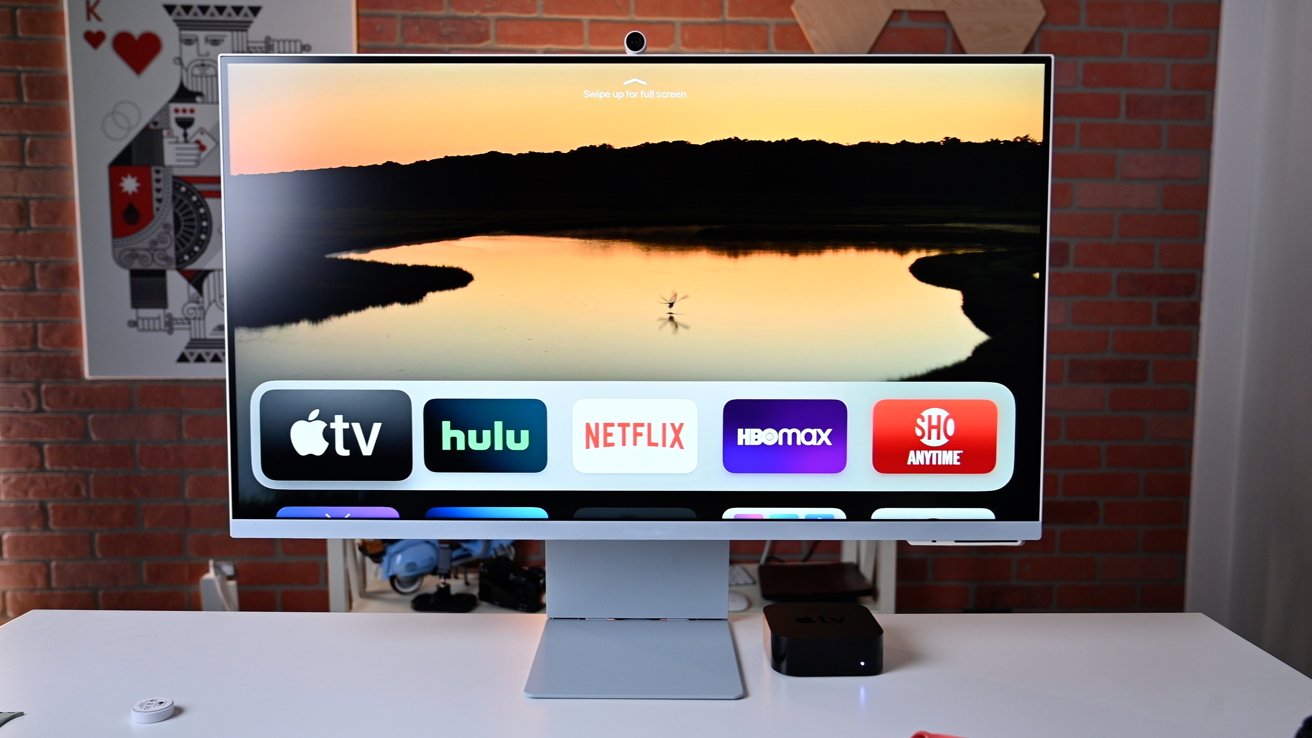
A smart display could complement Apple's existing devices that act as hubs for other devices
However, the consistency of reports and the code discovery indicate that momentum is building. Apple's long-term investment in the Matter ecosystem further suggests the development of new first-party hardware.
The bigger picture
Apple's smart-home plans have been developing gradually, mainly through the HomePod and Apple TV. Introducing a smart display would allow the company to extend its control from software to hardware.
The move would create a complete in-house ecosystem focused on privacy and ease of use. Users would benefit from tighter integration with the Home app, stronger Siri automation, and a consistent design across devices.
For Apple, this represents a direct challenge to Amazon and Google's dominance in the smart-home market. It's also a long-awaited step toward a truly unified Apple Home.
The iOS 26.2 code suggests that Apple's next move in the home could be its most daring yet. This development could significantly impact the smart-home landscape.